If you are wondering how long galvanized steel wire for fencing 1.5mm will last, the answer depends on coating quality, climate, and daily exposure. For homeowners and end users, choosing durable galvanized wire means fewer replacements, lower maintenance, and better long-term value. Understanding its lifespan helps you make a smarter fencing investment from the start.
What affects the lifespan of galvanized steel wire for fencing 1.5mm?
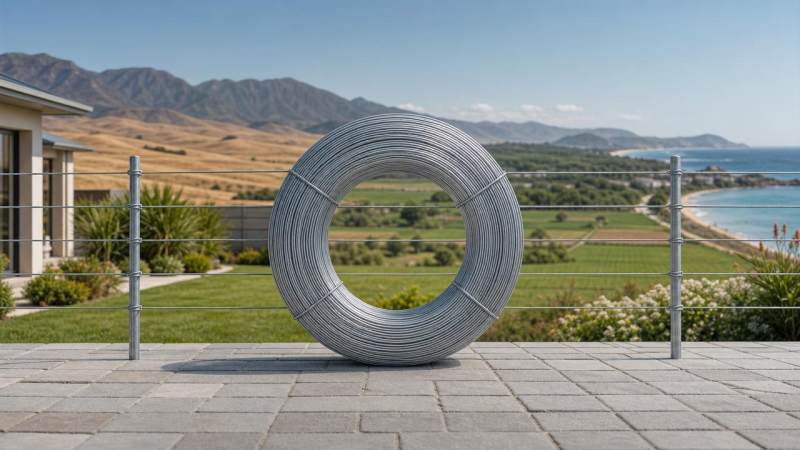
For most residential fencing projects, galvanized steel wire for fencing 1.5mm can last many years, but there is no single universal number. Service life changes with zinc coating thickness, local humidity, salt exposure, rainfall, and how often the wire is scratched or bent during installation.
A thin wire used in a dry inland area usually survives longer than the same wire installed near the coast. In fencing, corrosion almost always starts at damaged points, cut ends, tie points, or areas where water and dirt stay trapped.
For end consumers, the biggest mistake is to compare only the wire diameter. A 1.5mm wire may look similar across suppliers, yet actual durability can differ greatly because galvanizing methods, base steel quality, and production control are not always equal.
- Hot-dip galvanized wire usually offers stronger corrosion resistance than lightly electro-galvanized wire.
- Frequent contact with wet soil, animal waste, or fertilizers accelerates coating loss.
- Poor tensioning or rough handling can crack protective layers and shorten lifespan.
- Regular inspection of posts, clips, and fasteners helps the entire fence system last longer.
How long can galvanized steel wire for fencing 1.5mm realistically last in different environments?
The table below gives a practical view of how galvanized steel wire for fencing 1.5mm may perform in common use environments. These are general planning ranges rather than guarantees, because installation quality and coating mass still matter.
These ranges show why environment matters as much as wire diameter. If your fence will stand near the sea, farms, or factories, you should ask about coating type and coating weight instead of assuming every 1.5mm wire will perform the same way.
Why coating quality matters more than many buyers expect
Galvanizing protects steel because zinc acts as a barrier and also provides sacrificial protection. When the zinc layer is thicker and more evenly applied, the steel core remains isolated from moisture for longer. This is one of the main reasons premium fencing wire costs more but often saves money over time.
A low-cost option may seem attractive for a backyard project, yet early rust around joints, staples, or bends often leads to replacement work long before the fence frame itself fails. That extra labor can cost more than the original material savings.
What should homeowners check before buying fencing wire?
If you want galvanized steel wire for fencing 1.5mm to last, buying decisions should go beyond price per roll. Homeowners often focus on visible appearance, but durability comes from a mix of steel substrate quality, coating consistency, and application fit.
Use the checklist below when comparing suppliers and products. It helps reduce the risk of buying a wire that looks acceptable on delivery but deteriorates quickly in service.
For end users, this kind of comparison is especially useful because it turns a confusing material choice into a practical decision. A reliable supplier should be able to discuss standards, process control, and intended use clearly, not just quote a low price.
Common buying mistakes
- Choosing by diameter alone without checking galvanizing quality.
- Ignoring local climate, especially salt air, irrigation, or farm chemicals.
- Using general-purpose wire in places that need stronger corrosion protection.
- Failing to protect cut ends and connection points during installation.
How does 1.5mm fencing wire compare with other options?
Galvanized steel wire for fencing 1.5mm is popular because it balances flexibility, cost, and ease of handling. Still, it is not ideal for every project. Some homeowners need a heavier gauge or a different protective finish depending on pets, security needs, or weather severity.
The comparison below helps you judge whether 1.5mm galvanized wire is the right fit or whether another fencing wire type would deliver better long-term value.
In many normal residential settings, 1.5mm galvanized wire remains a practical choice. It becomes less ideal when your fence faces severe corrosion or heavy mechanical stress. In those cases, a thicker or dual-protected option may reduce replacement frequency.
How installation and supporting steel components influence durability
Even high-quality galvanized steel wire for fencing 1.5mm will not last as expected if the overall fence structure is weak. Wire performs best when posts, rails, brackets, and supporting members are designed to keep tension stable and reduce unnecessary movement.
For larger boundary systems, light roof structures, wall framing, and bracketed steel supports, properly selected structural sections matter. In broader steel construction projects, components such as Z-beam are often used in purlins, wall beams, lightweight roofs, brackets, mechanical columns, and light manufacturing frames.
This type of Z-shaped steel profile can be supplied in materials such as Q235B, Q345B, SS400, S235, S275, S355, A36, and A572, with thickness from 6mm to 25mm, length from 2m to 12m or customized, and tolerance around ±1%. Galvanized coated and perforated options are commonly selected where corrosion resistance and installation flexibility are important.
For homeowners, this matters in a simple way: a fence is not only wire. If the support frame twists, sags, or traps moisture, the wire deteriorates faster. A supplier with experience in structural steel systems can often help buyers think beyond the roll of wire and improve whole-project durability.
Simple installation practices that extend wire life
- Avoid dragging the wire across rough concrete or sharp edges before fixing it in place.
- Use compatible clips, staples, or ties that do not cut into the galvanized surface.
- Keep tension within the recommended range so the wire does not overstretch.
- Seal or protect cut ends if the fence will face persistent moisture.
- Prevent plants, debris, and wet soil from staying in constant contact with the wire.
What standards and supplier capabilities should you pay attention to?
For many consumers, technical paperwork can seem unnecessary for a home fencing purchase. In reality, supplier discipline is often visible through its production controls, material consistency, and ability to work with recognized standards such as ASTM, EN, JIS, and GB where applicable.
Hongteng Fengda is a professional structural steel manufacturer and exporter from China, serving buyers across North America, Europe, the Middle East, and Southeast Asia. The company focuses on structural steel products, cold formed steel profiles, steel beams, and customized steel components with modern manufacturing facilities and strict quality control.
For end users, this background has practical value. A manufacturer used to international specifications and export supply usually understands traceability, production stability, packing, lead times, and the need to reduce sourcing risk. That is especially useful when your project includes fencing plus other steel items for residential, agricultural, or light industrial construction.
- Ask whether the supplier can explain material options clearly.
- Confirm whether customized lengths, coatings, or related steel components are available.
- Check whether delivery planning is realistic, especially for combined orders.
- Request information relevant to your climate, use scenario, and maintenance expectations.
FAQ about galvanized steel wire for fencing 1.5mm
Is galvanized steel wire for fencing 1.5mm strong enough for a home fence?
For many garden fences, boundary fences, and light animal enclosures, yes. It is commonly strong enough when post spacing, mesh design, and tension are appropriate. If the fence must handle impact, climbing pressure, or large livestock, a thicker wire may be the safer choice.
How can I tell whether the wire is likely to last longer?
Ask about the galvanizing method, coating quality, and intended outdoor use. A supplier should be able to describe whether the wire is suited to dry inland conditions, humid gardens, agricultural exposure, or coastal environments. Good packaging and a smooth, consistent finish are also positive signs, though visual appearance alone is not enough.
Does rust mean the fence has failed completely?
Not always. Small rust spots can appear first at scratches, cut ends, or heavily stressed points. Early treatment or replacement of isolated sections may prevent larger problems. Widespread corrosion, loss of tension, or wire thinning usually means the fence is approaching the end of its useful life.
Is more expensive wire always better?
No, but the cheapest option is often the riskiest. The right choice depends on environment, expected lifespan, and maintenance budget. Paying more for heavier galvanizing can make sense in corrosive areas, while a standard option may be fully practical in dry inland locations.
Why choose us for fencing wire and related steel solutions?
If you are comparing galvanized steel wire for fencing 1.5mm and want more than a basic price list, working with an experienced structural steel manufacturer can simplify the decision. Hongteng Fengda supports buyers with stable production capacity, consistent quality control, and customized steel solutions for construction, industrial, and manufacturing needs.
You can consult us about practical topics that directly affect your purchase: suitable wire type for your climate, matching steel components, material options, estimated delivery time, customization needs, coating preferences, and relevant standards for your market. If your project includes both fencing materials and structural steel items, we can help you review the full sourcing plan rather than treating each product separately.
Contact us to discuss parameter confirmation, product selection, coating and material options, lead time planning, customized solutions, certification-related questions, sample support, and quotation details. A better fencing result starts with choosing materials that fit the real environment, not just the lowest initial price.
Please give us a message


Please enter what you want to find