Choosing between Hot dipped Galvanized Steel Wire Rope and Hot diped-Galvanized Pipe is critical for coastal projects facing accelerated corrosion. This practical guide helps project managers, procurement and QA teams evaluate Galvanized Steel Wire Rope variants (1470Mpa–1960Mpa), alongside structural options such as H-beam, Z-beam, Stainless Steel Welded Mesh, DX53D and AZ150 Galvalume coils, and Rebar to balance durability, cost and maintenance. We highlight corrosion protection strategies, inspection checkpoints and lifecycle implications to support technical assessments, procurement decisions and on-site maintenance for 2025 coastal deployments.
Understanding coastal corrosion mechanisms and implications for material choice
Coastal environments present a complex corrosion challenge driven by chloride-rich aerosols, high humidity, tidal cycles and fluctuating temperatures. For engineers and procurement teams assessing options such as Hot dipped Galvanized Steel Wire Rope, Hot diped-Galvanized Pipe, H-beam, Z-beam, Stainless Steel Welded Mesh, DX53D Galvalume Steel Coil and AZ150 Galvalume Steel Coil, it is essential to link environmental drivers to failure modes. Chloride ions penetrate zinc layers faster than atmospheric CO2-driven oxidation, creating localized pitting, undercutting of protective coatings and accelerated substrate exposure. The mechanical form factor also influences corrosion progression: cable and rope constructions have many small-diameter wires, creating crevices where salts concentrate and moisture retention is greater, while pipes and beams expose broader surfaces that can be more easily inspected and repainted but suffer if coatings are thin or mechanically damaged during installation. Professionals selecting Galvanized Steel Wire Rope 1470Mpa to 1960Mpa must therefore consider not only tensile capacity but also strand geometry, lubrication and coating mass (g/m2). Higher tensile grades (e.g., 1470–1960MPa) enable smaller diameter ropes for the same load, reducing exposed surface area per unit strength, but finer wires are more susceptible to fretting corrosion and coating abrasion. Conversely, Hot diped-Galvanized Pipe used in structural or marine piling must meet coating thickness and adherence standards to resist splash zone degradation; commonly specified coating weights for coastal exposure range from medium to heavy (e.g., 275 g/m2 and above for severe environments) and should comply with international standards and local project specifications. Beyond zinc, material choice can include DX53D Galvalume Steel Coil and AZ150 Galvalume Steel Coil which combine aluminum and zinc for improved barrier protection; stainless steel mesh and rebar are alternatives where chloride-induced corrosion risk justifies higher material cost. For coastal project teams, the decision matrix must include environmental classification, expected maintenance windows, inspection accessibility, and lifecycle cost—balancing upfront material price against replacement frequency and downtime risk. Proper specification language, inspection checkpoints and maintenance allowances in tender documents reduce the chance that an otherwise robust design is undermined by underestimated coastal corrosion mechanisms.
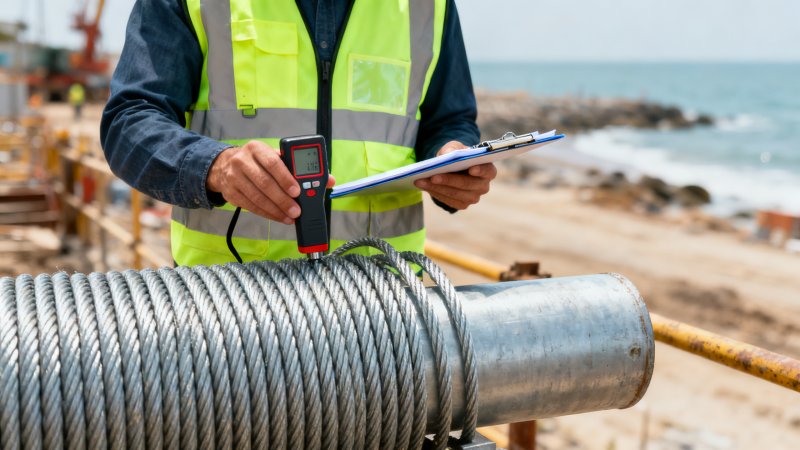
Performance comparison: Hot dipped Galvanized Steel Wire Rope versus Hot diped-Galvanized Pipe
When evaluating Hot dipped Galvanized Steel Wire Rope against Hot diped-Galvanized Pipe for coastal usage, procurement and technical evaluators should segment assessment into mechanical performance, corrosion resistance, inspectability, repairability and total cost of ownership. Hot dipped Galvanized Steel Wire Rope delivers high tensile performance and flexibility: constructions in the 1470Mpa to 1960Mpa range offer exceptional strength-to-weight ratios for mooring, lifting and tension systems. These ropes maintain structural integrity under dynamic loading but require attention to coating continuity on each strand; localized damage can propagate rapidly under cyclic loads. Galvanized rope benefits from factory passivation and, in many cases, lubricant impregnation that supplements the zinc barrier. Nevertheless, ropes are uniquely vulnerable to crevice corrosion, interwire corrosion and broken wires where coatings are compromised. Regular nondestructive inspections—visual, magnetic flux leakage, or end-for-end tension checks—are critical. Hot diped-Galvanized Pipe is often chosen for piles, handrails and structural conduits due to its uniform surface and easier on-site coating repair. Pipes typically accept thicker zinc coatings and can be specified to meet stringent adherence and thickness standards; they are easier to field-grind and spot-recoat. Structural elements like H-beam and Z-beam can also be galvanized or clad, but welded assemblies and bolt holes create potential weak points for corrosion initiation. Stainless Steel Welded Mesh and stainless rebar deliver superior long-term corrosion performance but at materially higher capital cost; they are recommended where lifecycle maintenance or critical safety margins justify the investment. Inspection frequency and repair strategy differ: ropes demand periodic replacement or re-termination protocols when wire fracture counts reach standards thresholds, while pipes and beams under protective coatings can often be refurbished in situ with abrasive cleaning and touch-up coatings. Lifecycle modelling should incorporate scheduled inspection intervals, predicted corrosion rates under site-specific chloride deposition figures, and contingency for unexpected mechanical damage. In many coastal projects a hybrid approach—Galvanized Steel Wire Rope for dynamic components with sacrificial anodes or redundant redundancy, and Hot diped-Galvanized Pipe or coated beams for stationary structures—strikes the most cost-effective balance between performance and maintainability.
Specification, procurement and QA checklist for coastal projects
Creating robust procurement specifications and QA processes is fundamental to ensuring Hot dipped Galvanized Steel Wire Rope and Hot diped-Galvanized Pipe meet expected service life in coastal deployments. Key elements of an actionable checklist include: clearly stated design life and environment class, minimum coating weight in g/m2, applicable standards (ASTM, ISO, BS, GB/T), pre-shipment testing (salt spray – ASTM B117, bend tests, adhesion tests), and documented traceability of steel grade and galvanizing batch. For Galvanized Steel Wire Rope 1470Mpa to 1960Mpa, require certified tensile and elongation data, construction drawings (e.g., 6x19, 6x36, 8x19), and lubrication/coating processes. For Hot diped-Galvanized Pipe, define pipe wall thickness, galvanizing method (continuous vs batch), post-galvanizing heat treatment if applicable, and acceptance criteria for visible defects. Project QA teams should integrate manufacturing audits, witnessed galvanizing runs, and third-party inspection when risk is high. Inclusion of DX53D Galvalume Steel Coil and AZ150 Galvalume Steel Coil as alternative material options must be accompanied by coating composition certification and expected coating thickness; Galvalume offers a beneficial aluminum-zinc barrier for panels and claddings but must be specified correctly for structural uses. For on-site acceptance, create punch lists that cover coating damage thresholds, repair methods (thermal spraying, zinc-rich epoxy, or zinc tape systems), and mechanical protection for abrasion-prone areas. Procurement documents must also address logistics: packaging to avoid chafing of ropes, pipe end-capping, and storage to prevent saltwater exposure during laydown. A practical note on complementary products: patterned plates and deck materials can augment anti-slip safety on coastal platforms. For example, the S335JR Patterned steel plate offers anti-skid surfaces, multiple material grades (S335JR, Q235B, A36, etc.), thickness options and certifications that match common coastal platform requirements. When integrating such plates, confirm that their surface treatments and edge finishes do not create galvanic couples with adjacent galvanized elements. Overall, a specification that binds suppliers to measurable test outcomes and provides clear maintenance pathways reduces ambiguity during construction and prolongs service life.
Installation, maintenance strategies and on-site inspection checkpoints
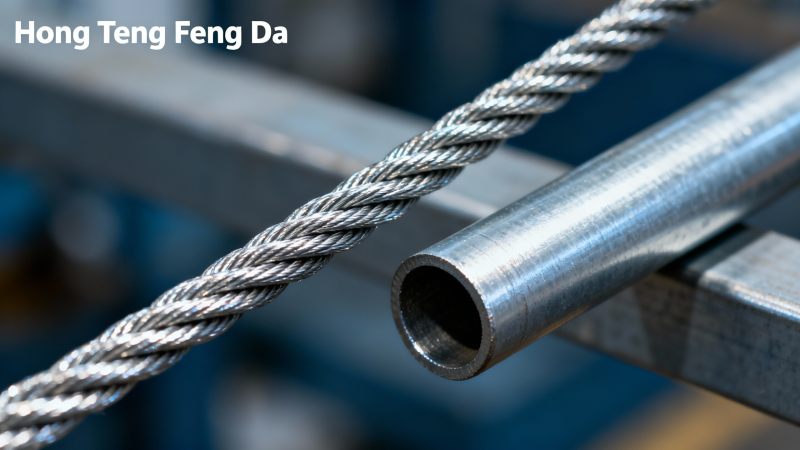
Effective installation and a disciplined maintenance program are decisive for achieving the projected lifecycle of galvanized ropes, pipes and structural elements in coastal projects. Installation protocols must minimize coating damage: handle Hot dipped Galvanized Steel Wire Rope with soft slings, avoid sharp edges on sheaves and ensure correct bend radii to prevent wire and coating fatigue. Hot diped-Galvanized Pipe should be transported with end caps and erected using padded slings or spreader bars; welds and cut ends require immediate post-fabrication touch-up with zinc-rich coatings conforming to specified standards. For H-beam and Z-beam components, protect bolt holes, welded seams and cut edges during galvanizing or, if hot-dip is post-fabrication, ensure appropriate pre-treatment. Maintenance regimes should be risk-based: critical load-bearing ropes and pipe supports under splash zone exposure should have quarterly visual checks for coating loss, wire break counts, and evidence of crevice corrosion; less-exposed elements may be inspected semiannually. Inspection checkpoints include coating continuity assessment, measurement of coating thickness in representative locations, detection of undercutting or blistering, and assessment of fasteners and sacrificial anodes where used. Corrosion mitigation techniques suitable for coastal projects include localized repainting with zinc-rich primers, installation of cathodic protection systems for buried or immersed pipes, and application of polymeric topcoats to extend intervals between maintenance cycles. Documented case studies from similar coastal projects demonstrate that combining Galvanized Steel Wire Rope for dynamic elements with sacrificial anode systems and using Hot diped-Galvanized Pipe or AZ150 Galvalume Steel Coil for static structural elements reduces mid-life failures. Budgeting should incorporate expected replacement for wear-prone ropes and contingency for re-coating of pipes in splash and tidal zones. For risk-averse projects, specifying Stainless Steel Welded Mesh in high-exposure zones or stainless rebar in concrete elements will raise capital cost but materially lower lifecycle maintenance demands. A proactive maintenance schedule, clear acceptance criteria and supplier-backed warranties provide the most effective protection against accelerated coastal corrosion.
Summary, procurement recommendation and next steps
In summary, selecting between Hot dipped Galvanized Steel Wire Rope and Hot diped-Galvanized Pipe for coastal projects requires holistic evaluation of environmental exposure, mechanical demands and lifecycle costs. Galvanized Steel Wire Rope in the 1470Mpa to 1960Mpa range offers unmatched tensile performance for dynamic applications but demands rigorous inspection and protective handling to avoid premature corrosion-related failures. Hot diped-Galvanized Pipe provides a durable, readily repairable option for static structural elements, especially when specified with adequate coating mass and adherence to international standards. Complementary materials such as H-beam, Z-beam, Stainless Steel Welded Mesh, DX53D Galvalume Steel Coil, AZ150 Galvalume Steel Coil and appropriately specified Rebar should be assessed against project-specific risk tolerance and maintenance budgets. Shandong Hongteng Fengda Metal Materials Co.. Ltd. supplies a broad range of steel products—plates, coils, profiles and meshes—that can be specified to meet coastal corrosion requirements with consistent quality, certification and logistics support. Project managers, procurement officers and QA teams should integrate the specification checklist above into tender documents, mandate pre-shipment testing and define inspection intervals and repair methods in the contract. For immediate next steps, request material data sheets, coating certificates and sample test reports from suppliers, and schedule a technical review to align material selection with expected service conditions. If your project requires tailored corrosion protection strategies, material sourcing support or technical specification templates for 2025 coastal deployments, contact our sales and technical team to discuss requirements, request samples or arrange a factory inspection. Learn more about product options, lead times and certification by reaching out to sales—our objective is to deliver durable, cost-effective steel solutions that reduce lifecycle risk and simplify maintenance on coastal infrastructure.
- hot dipped galvanized steel wire
- galvanized steel wire
- ot Dipped Galvanized Steel Wire
- steel mesh
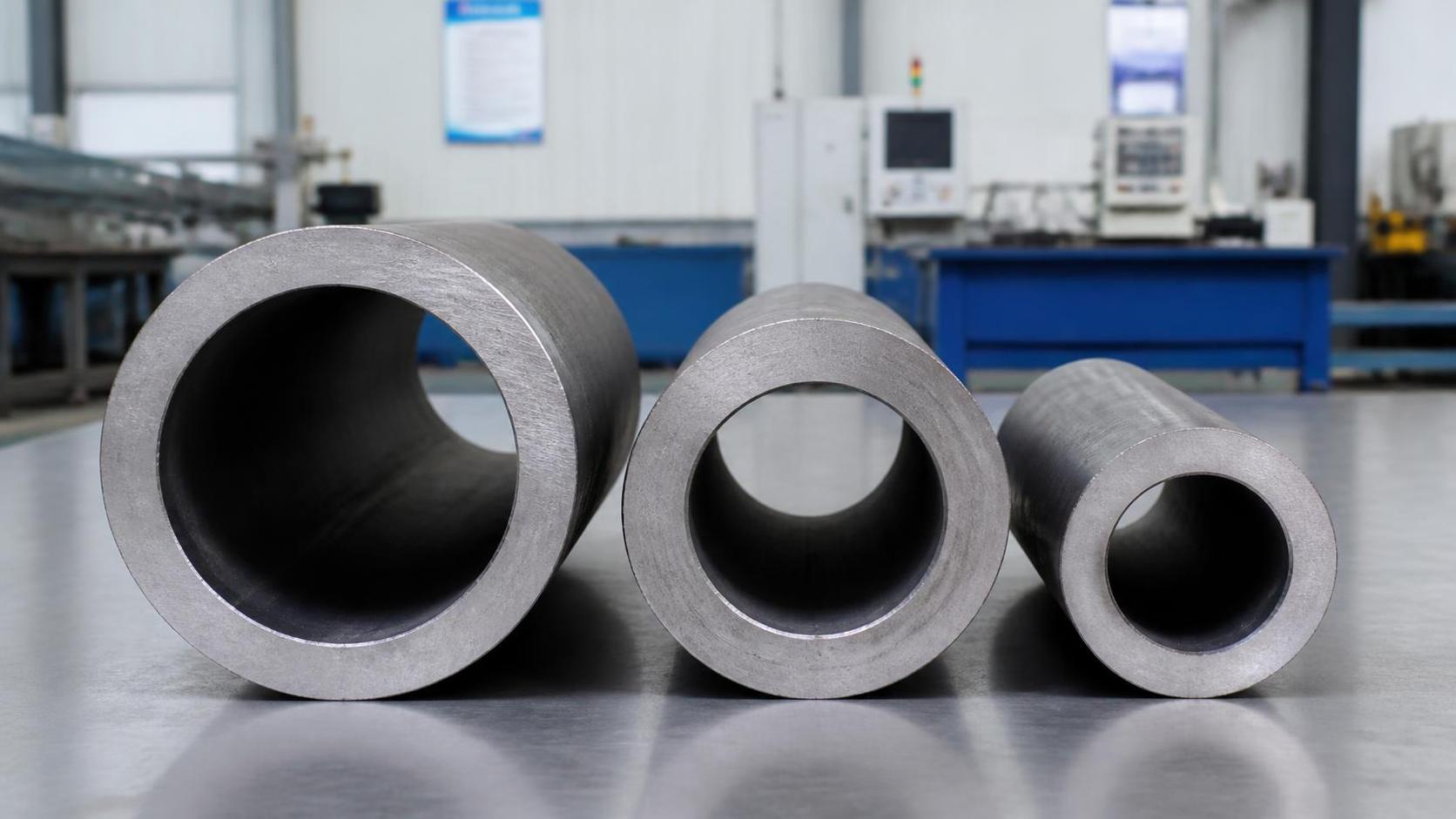
- galvanized pipe
- steel coil
- galvanized steel
- steel plate
- Profile
- Hot diped-Galvanized Pipe
- AZ150 Galvalume Steel Coil
- DX53D Galvalume Steel Coil
- Rebar
- Galvanized Steel Wire Rope
- Galvanized Steel Wire Rope 1470Mpa to 1960Mpa
- Stainless Steel Welded Mesh
- Z-beam
- H-beam
Related recommendations
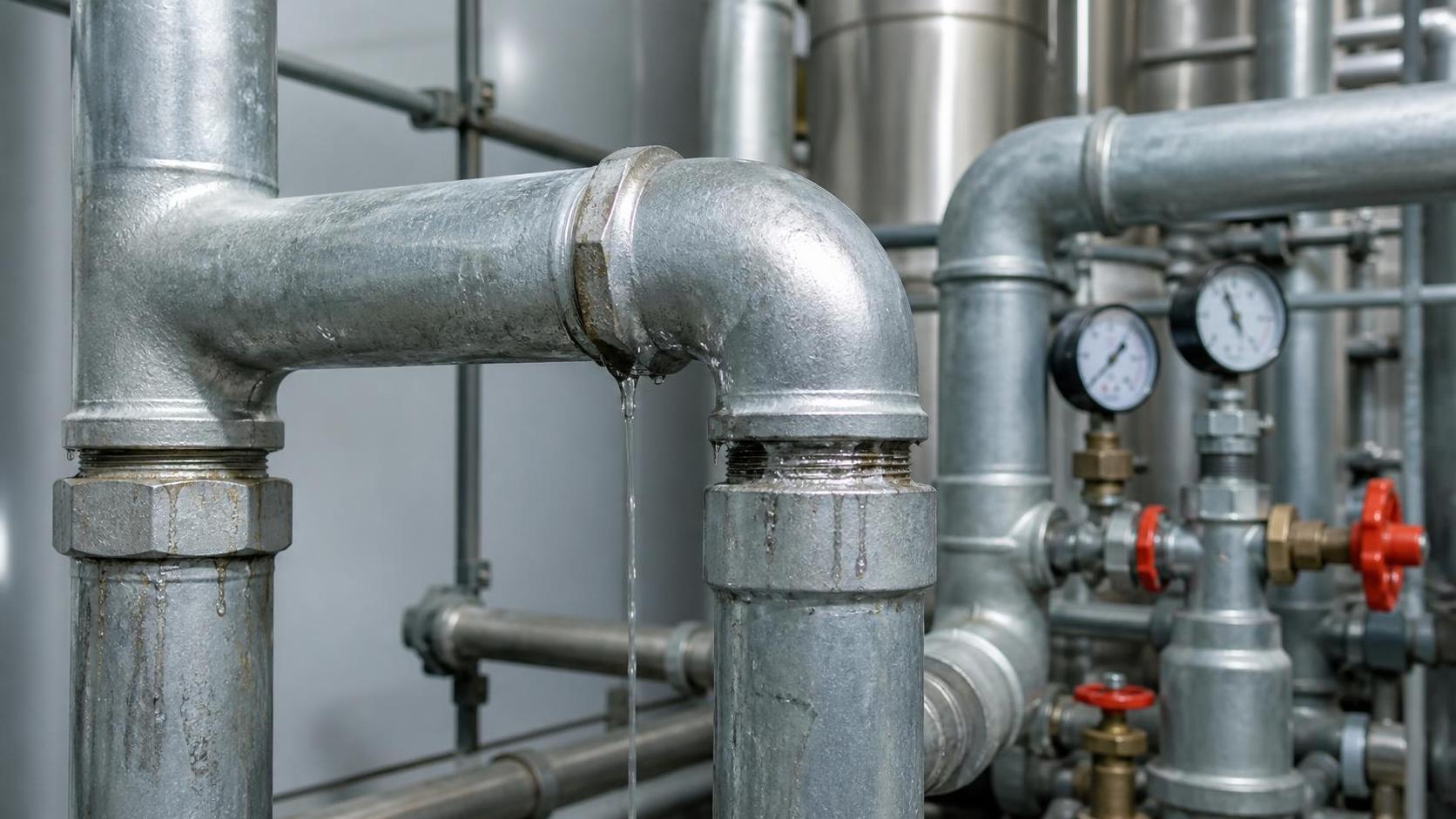
 Common Leak Risks When Using Galvanized Pipe for Plumbing SystemsGalvanized pipe for plumbing can hide corrosion, joint wear, and pressure-related leak risks. Learn the key warning signs, causes, and smart maintenance actions to prevent costly failures.
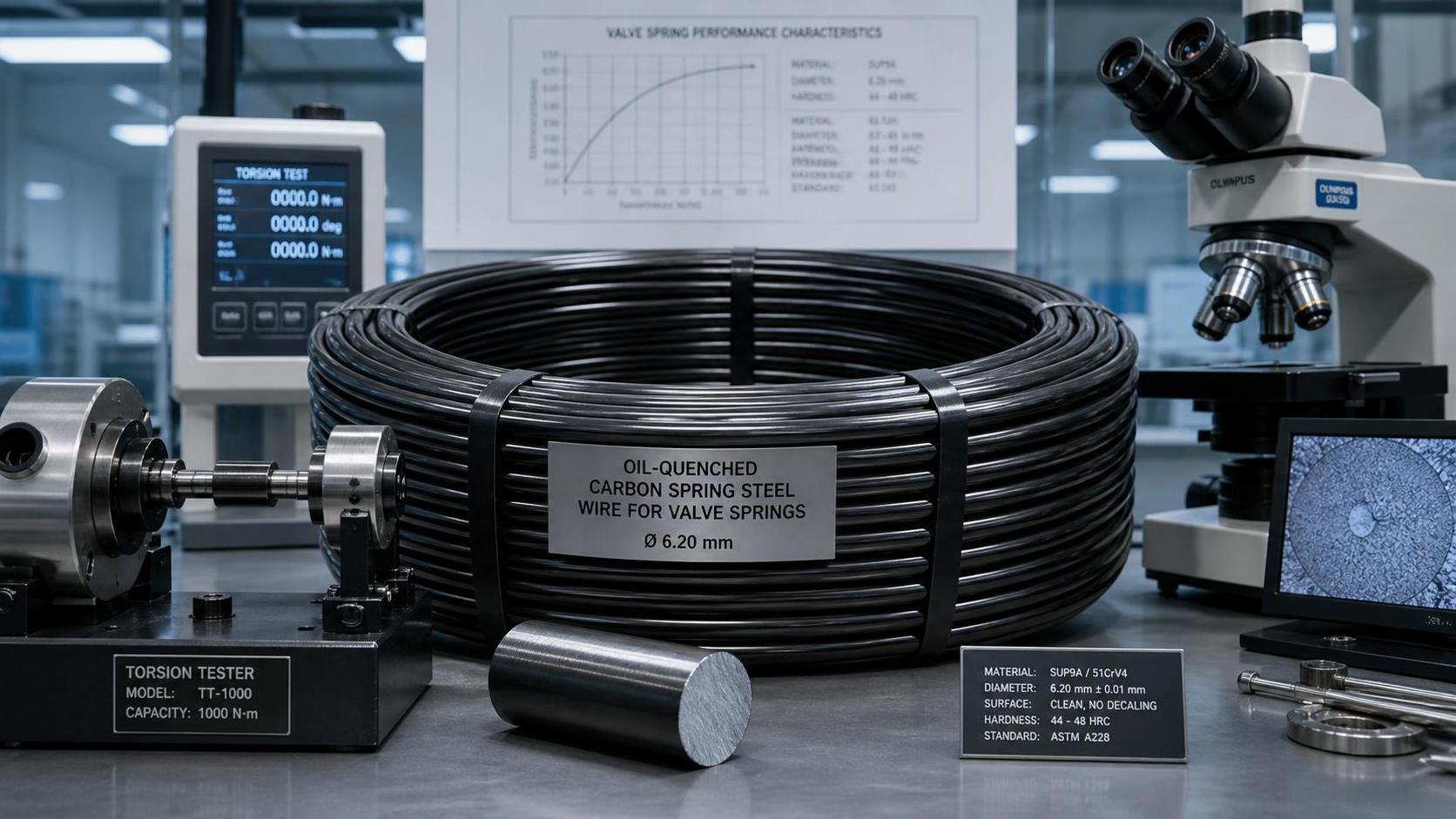
 Oil Tempered Carbon Steel Wire for Valve Spring: What Standards and Tests Matter?Oil tempered carbon steel wire for valve spring: learn which JIS, EN, and ASTM standards, decarburization checks, surface inspections, and fatigue-related tests truly protect spring life.
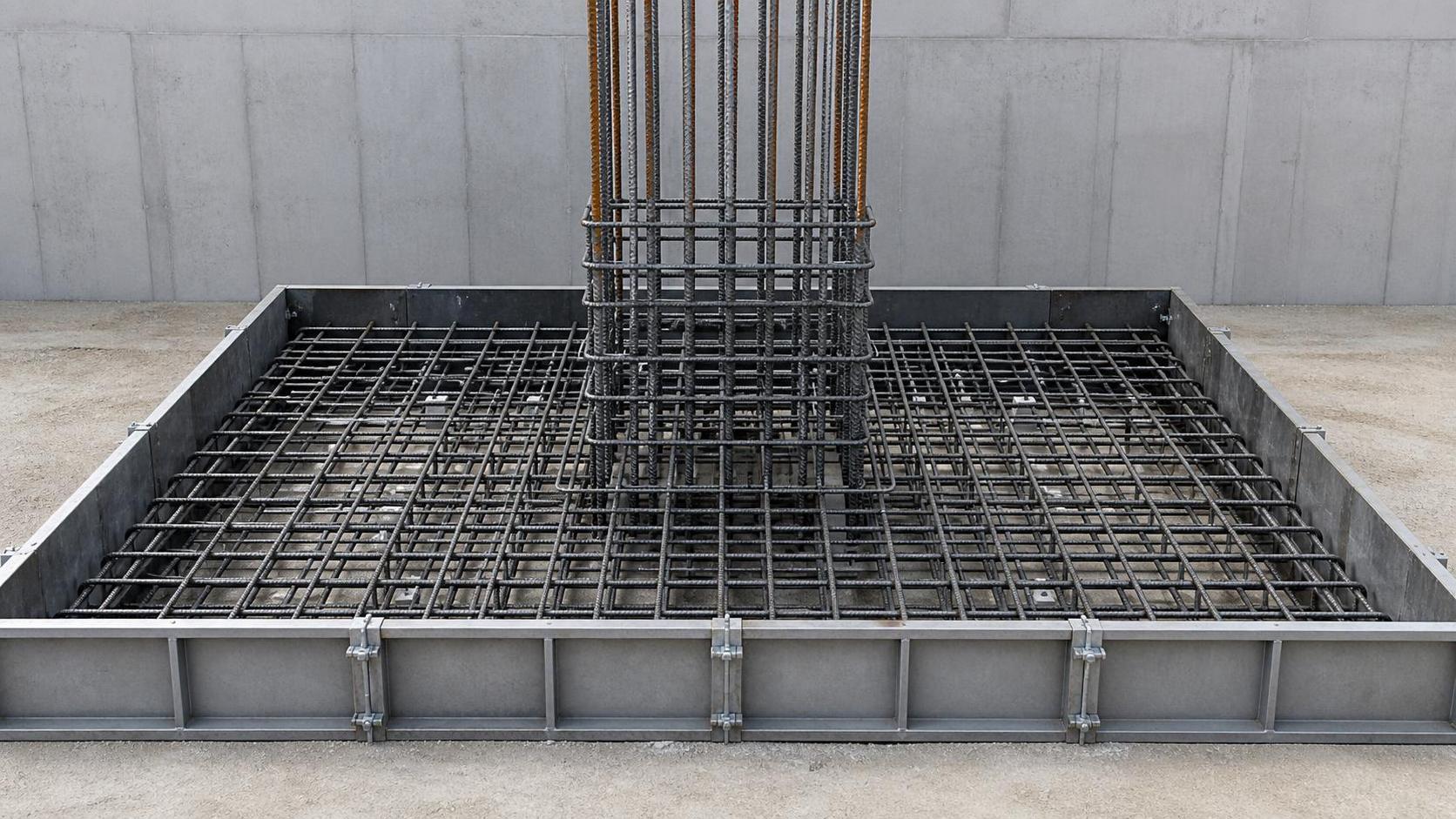
 Rebar for Foundation: Grade, Cover, and Spacing Mistakes to AvoidRebar for foundation guide: avoid costly grade, cover, and spacing mistakes that weaken durability, bonding, and concrete flow. Learn practical checks before the pour.
 Steel Tubing Dimensions: OD, Wall Thickness, and Gauge DifferencesSteel tubing dimensions explained clearly: compare OD, wall thickness, and gauge differences to avoid sizing mistakes, improve fit, and choose the right steel tube with confidence.
Please give us a message


Please enter what you want to find