Choosing the right carbon steel pipe supplier for oil and gas industry projects is essential to ensure safety, durability, and compliance with international standards. Whether you are searching for a carbon steel pipe supplier for structural steel projects, industrial applications, or large-scale construction in regions like the Middle East, Europe, or the USA, the selection process goes beyond pricing. This guide explores key quality, certification, and performance factors to help you identify a trusted, ASTM certified, and high-strength custom carbon steel pipe supplier that meets your project’s demanding requirements.
Definition and Overview of Carbon Steel Pipes in Oil and Gas Projects
Carbon steel pipes are essential in the oil and gas industry because they combine high tensile strength, excellent weldability, and corrosion resistance when properly coated or alloyed. These pipes transport crude oil, natural gas, and industrial liquids under extreme conditions such as high pressure, variable temperature, and corrosive substances. A reliable carbon steel pipe supplier for oil and gas industry projects ensures each component meets rigorous mechanical and chemical standards. When evaluating a carbon steel pipe supplier for structural steel projects or industrial applications, compliance with ASTM, EN, JIS, or API standards guarantees material safety, predictable performance, and seamless integration with other structural components. The market also recognizes specialized classes such as seamless and welded carbon steel pipes, each serving distinct project needs. For example, seamless pipes provide exceptional pressure resistance, while welded pipes offer cost-efficiency for construction pipelines and refineries. Selecting the right supplier in the Middle East or Europe involves confirming product traceability, production process audits, and material origin verification. These pre-assessment elements ultimately determine the total lifecycle cost and reliability of your pipeline systems.
Market Overview and Regional Supply Trends
The global demand for carbon steel pipe suppliers in the oil and gas industry continues to rise, particularly in regions such as the United States, the Middle East, and Asia-Pacific. Infrastructure development, energy exploration, and transportation pipelines drive this expansion. Many procurement managers compare multiple sources before finalizing a supplier due to variations in quality and standard conformity. A carbon steel pipe supplier in the Middle East must satisfy regional oil company specifications like Saudi Aramco or ADNOC requirements, which often exceed ordinary ASTM standards. Meanwhile, European and American buyers focus heavily on ISO-certified production and environmental compliance. China's manufacturing base, represented by firms such as Hongteng Fengda, has become a competitive exporter because of integrated facilities and mass-production capability. Hongteng Fengda, as a professional structural steel manufacturer and exporter from China, offers a stable supply of structural components like angle steel, channel steel, and custom cold-formed sections used alongside carbon steel pipes. Their adherence to ASTM, EN, JIS, and GB standards enables compatibility with multi-regional engineering codes. Marketing intelligence reveals a steady 6% annual growth in industrial applications for carbon steel pipelines, driven by renewable energy infrastructure and chemical production expansion. Suppliers capable of rapid customization, batch traceability, and timely delivery increasingly dominate the international market.
Technical Performance and Material Parameters
The technical performance of carbon steel pipes determines the structural integrity and safety of oil and gas systems. Engineers must evaluate yield strength, tensile strength, elongation, and impact resistance before procurement. For instance, ASTM A106 Grade B pipes display tensile strength above 415 MPa, while Grade C can exceed 485 MPa. Equally, the welding properties must align with project-specific joining techniques to minimize residual stress. Quality-focused carbon steel pipe suppliers adopt advanced cold-forming and hot-rolling processes, guaranteeing consistent wall thickness and dimensional tolerance. Material integrity is validated through hydrostatic, ultrasonic, and radiographic testing. As an example of precision materials relevant to structural assembly, the DX52D Galvalume Steel Coil exhibits yield strength not exceeding 260 MPa, tensile strength between 300–360 MPa, and elongation above 28%. Such properties illustrate how controlled processing delivers versatility for both construction and industrial applications. Buyers should also assess the supplier’s ability to provide mechanical testing data, material certification reports, and production trace logs for each delivery batch. A high strength carbon steel pipe supplier that maintains complete laboratory documentation demonstrates maturity in quality management and risk control—two pillars of dependable supply in critical sectors like oil, gas, and petrochemical production.
Procurement Guide and Supplier Evaluation Criteria
Selecting the right carbon steel pipe supplier for construction projects or industrial operations involves strategic evaluation rather than one-off purchasing decisions. The procurement process typically includes these key stages: qualification audit, sample testing, production inspection, and continuous vendor rating. For decision-makers and quality control managers, several factors define a capable partner: (1) Certification Compliance—only select ASTM and ISO 9001 certified carbon steel pipe suppliers; (2) Material Performance—ensure mechanical data fits project specifications; (3) Supply Chain Stability—evaluate the supplier’s inventory system and lead time reliability; (4) After-Sales Support—maintenance guidance and technical response are essential to minimize downtime; and (5) Cost Transparency—request a detailed cost breakdown for pipes, coatings, fittings, and logistics. Procurement teams in oil and gas companies often compare a carbon steel pipe supplier in Europe and Asia to achieve cost-performance balance. Chinese manufacturers like Hongteng Fengda stand out because of automation in rolling, robotic welding, and constant quality testing. They emphasize long-term relationships, helping partners reduce sourcing risks and ensure scheduled delivery for large pipeline networks. Multi-layered procurement strategies thus combine reliability and economic efficiency. Ultimately, the supplier’s technical team’s responsiveness and documentation transparency should weigh as heavily as price negotiations.
Standards, Certification, and Compliance Requirements
Compliance ensures that each carbon steel pipe used in critical energy projects meets safety, environmental, and mechanical obligations. Most reputable suppliers align their production with ASTM A53, ASTM A333, API 5L, EN 10217, or ISO 3183 standards. For instance, an ASTM certified carbon steel pipe supplier provides full assurance that pipes have undergone chemical composition control, non-destructive examination, and stress testing within authenticated laboratories. Regulatory authorities in the USA and Europe further demand manufacturers maintain sustainable practices such as waste management and emissions control. Accreditation by SGS or BV under ISO 9001 strengthens international credibility. Hongteng Fengda implements total quality management to ensure that all products—from steel beams to specialized piping components—fulfill multiple standard sets simultaneously. Suppliers also must distinguish themselves with traceability coding for every pipe batch, allowing end-users to retrieve production time, mill origin, and quality conformity instantly. This transparency enhances project documentation and customer trust. Moreover, advanced steel coils like the second reference of DX52D Galvalume Steel Coil show how integrated certification practices in one product category mirror the stringent control required for carbon steel piping. In large EPC contracts, failure to meet compliance often leads to severe sanctions or replacement costs, making standard certification a decisive selection parameter in industrial procurement.
Application Scenarios and Case Insights
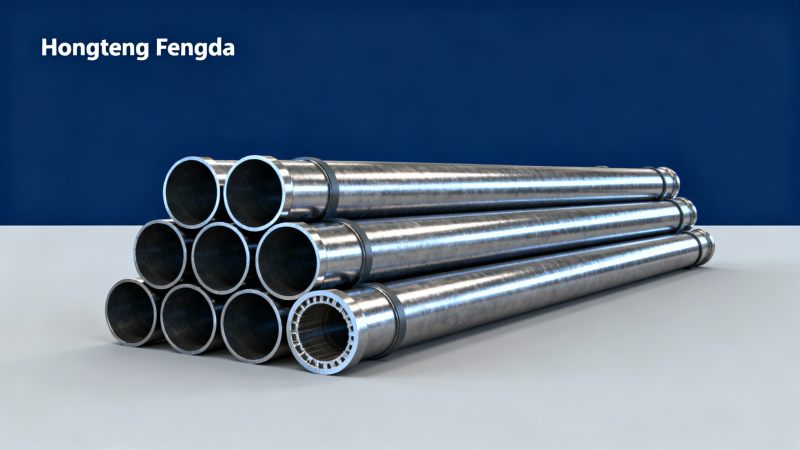
Carbon steel pipes serve across exploration wells, refinery plants, gas distribution networks, offshore platforms, and structural frameworks. In upstream operations, seamless high-strength carbon steel pipes withstand both internal pressure and external corrosion from seawater exposure. Downstream facilities rely on welded carbon steel pipelines for transporting refined products and integrating with storage tank farms. Industrial applications extend to power generation cooling circuits and construction piling systems where high compressive strength is mandatory. Case analysis reveals that a client in the Middle East chose a carbon steel pipe supplier for oil and gas industry pipelines requiring superior anti-sulfide performance. The supplier’s adjusted alloy ratio improved durability by 20% compared with baseline grades. Another European petrochemical contractor preferred a custom carbon steel pipe supplier offering pre-coating services, which reduced on-site assembly by 15%. Across projects, similar metrics show that professional suppliers not only meet but often exceed minimum engineering codes through innovation. Technical engineers analyzing these outcomes confirm that consistently certified materials enhance long-term pipeline reliability, reducing maintenance costs throughout service life. Such evidence underlines how supplier capability directly influences operational efficiency, plant uptime, and total cost ownership in energy infrastructure investments.
Trends and Future Insights for Carbon Steel Pipe Market
Technological and environmental factors are reshaping the carbon steel industry. As global decarbonization policies influence material selection, manufacturers are adopting low-carbon steelmaking techniques and digital monitoring in production lines. Smart manufacturing integrates sensors, predictive quality analytics, and AI-driven defect detection, enhancing pipe uniformity and weld integrity. Upcoming trends involve hybrid materials that combine traditional carbon steel with composite coatings to extend lifespan in corrosive environments. Simultaneously, the role of suppliers is evolving from mere providers to strategic partners offering technical consultancy, logistics optimization, and sustainability reporting. Europe and the USA increasingly adopt carbon footprint labeling, compelling a carbon steel pipe supplier in USA or Europe to document emissions reduction pathways. For procurement professionals, these shifts mean future contracts may prioritize sustainability indices alongside tensile performance or price criteria. Chinese exporters, including Hongteng Fengda, leverage automation and compliance harmony with ASTM and EN standards to address global demands responsibly. Market observers predict growing investments in green metallurgy and traceable supply systems to meet ESG requirements. Overall, the industry outlook promises robust yet responsible expansion, aligning safety, efficiency, and environmental stewardship in equal measure.
Why Choose Hongteng Fengda as Your Reliable Steel Partner
Selecting a trustworthy supplier goes beyond technical specifications. It involves assessing reliability, service quality, and long-term partnership potential. Hongteng Fengda distinguishes itself by integrating advanced production technology, continuous testing, and strong logistics coordination. With a diverse product portfolio including angle steel, steel beams, channel steel, and customized cold-formed profiles, the company supports versatile project demands, from structural to industrial settings. As a dedicated structural steel manufacturer and exporter from China, Hongteng Fengda serves clients across North America, Europe, the Middle East, and Southeast Asia, ensuring consistent quality and dependable delivery. For procurement teams, engineers, or safety managers evaluating a carbon steel pipe supplier for construction projects, cooperation with Hongteng Fengda means access to ASTM, EN, JIS, and GB-compliant solutions. Beyond product quality, their professional consulting and after-sales services help reduce sourcing risks, attain compliance faster, and manage cost effectively. To discuss customized designs or receive detailed specifications, feel free to connect with their technical specialists and explore partnership opportunities that bring measurable value to every project stage. Choose a partner who understands structural integrity, process precision, and the future of global steel supply.
- channel steel
- steel i
- angle steel
- carbon steel pipe supplier
- carbon steel pipe
- seamless pipe
- ASTM standards
- ASTM standard
- steel pipe
- steel coil
- structural steel
- steel beams
- Structural Steel
- Steel Beams
- ss pipe
- Profile
- Steel Beam
- carbon steel pipe supplier for construction projects
- high strength carbon steel pipe supplier
- carbon steel pipe supplier in USA
- ASTM certified carbon steel pipe supplier
- carbon steel pipe supplier in Europe
- carbon steel pipe supplier for oil and gas industry
- custom carbon steel pipe supplier
- carbon steel pipe supplier for structural steel projects
Related recommendations
 Common Leak Risks When Using Galvanized Pipe for Plumbing SystemsGalvanized pipe for plumbing can hide corrosion, joint wear, and pressure-related leak risks. Learn the key warning signs, causes, and smart maintenance actions to prevent costly failures.
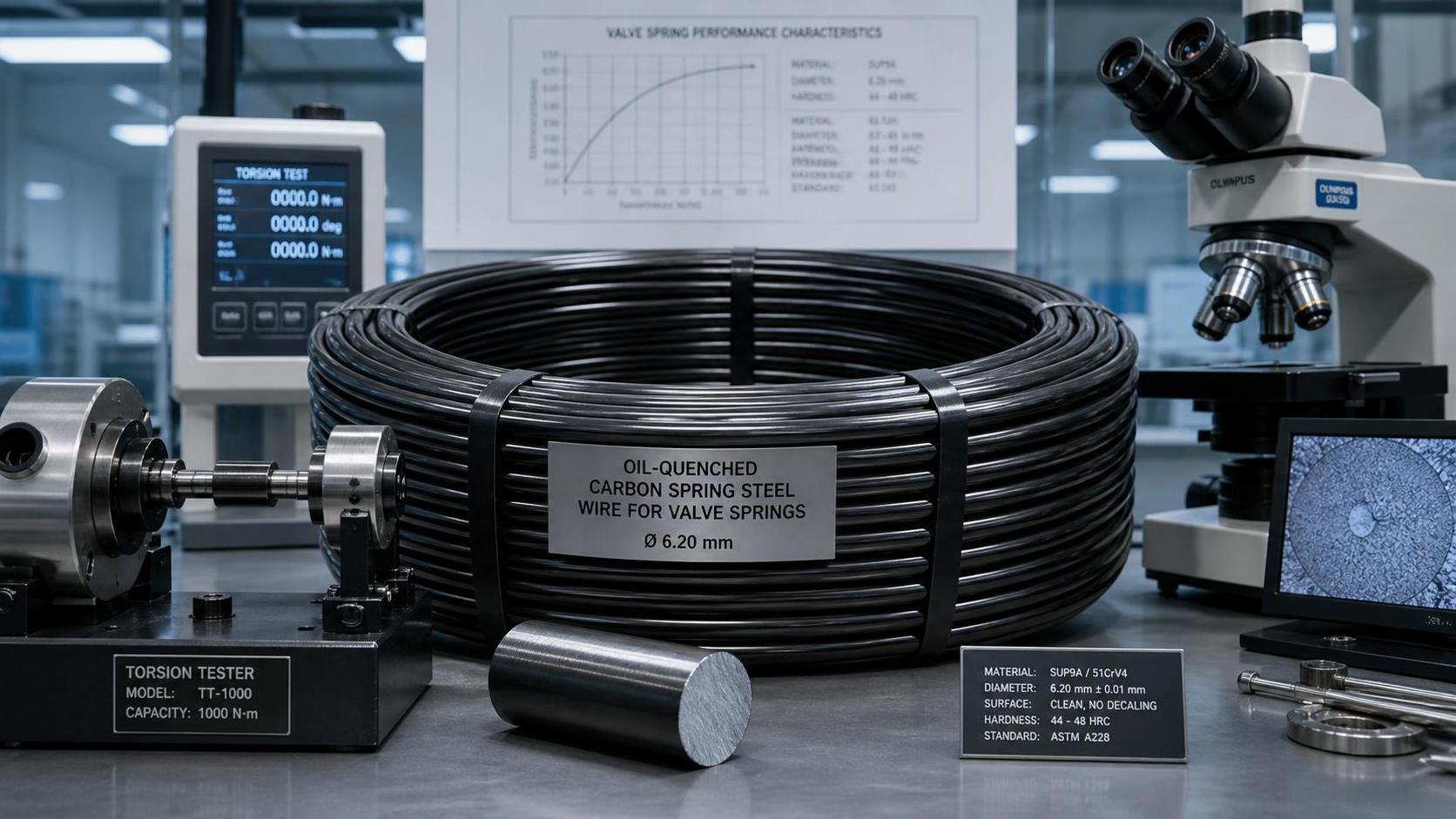
 Oil Tempered Carbon Steel Wire for Valve Spring: What Standards and Tests Matter?Oil tempered carbon steel wire for valve spring: learn which JIS, EN, and ASTM standards, decarburization checks, surface inspections, and fatigue-related tests truly protect spring life.
 Rebar for Foundation: Grade, Cover, and Spacing Mistakes to AvoidRebar for foundation guide: avoid costly grade, cover, and spacing mistakes that weaken durability, bonding, and concrete flow. Learn practical checks before the pour.
 Steel Tubing Dimensions: OD, Wall Thickness, and Gauge DifferencesSteel tubing dimensions explained clearly: compare OD, wall thickness, and gauge differences to avoid sizing mistakes, improve fit, and choose the right steel tube with confidence.
Please give us a message


Please enter what you want to find