Choosing the right high carbon steel plate suppliers is critical for structural integrity, safety, and project compliance—especially when sourcing from global markets. As a trusted structural steel manufacturer and exporter from China, Hongteng Fengda helps procurement teams, project managers, and quality assurance professionals identify essential certifications for high carbon steel plate. This FAQ clarifies which standards (ASTM, EN, GB, JIS) matter most, why mill test reports and third-party inspection certificates are non-negotiable, and how certified suppliers reduce risk in construction and industrial applications.
Why Certification Matters More Than Price Alone
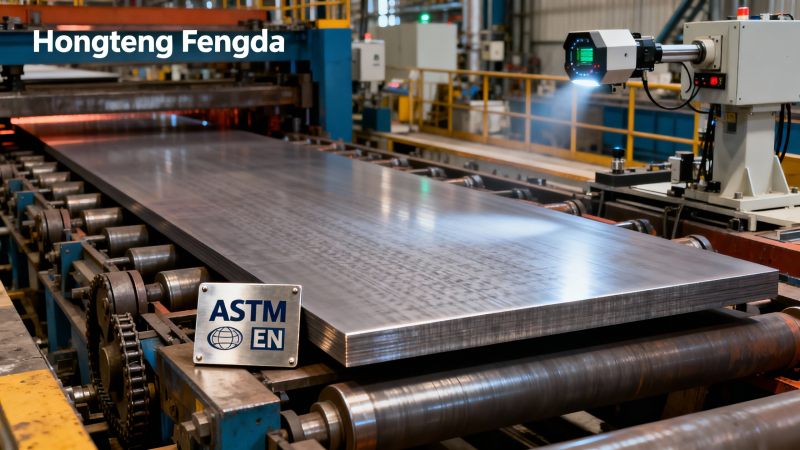
In high-stakes structural applications—such as bridge girders, heavy machinery frames, pressure vessels, or mining equipment—high carbon steel plate must deliver predictable tensile strength, hardness, and fatigue resistance. Unlike low-carbon variants, high carbon steel plates (typically containing 0.60–1.4% carbon) are engineered for wear resistance and edge retention, making them unsuitable for applications requiring deep drawing or extensive cold forming. Without rigorous certification, buyers face unacceptable risks: inconsistent grain structure leading to brittle fracture under cyclic loading; unverified heat treatment resulting in inadequate hardness; or trace element deviations that compromise weldability and corrosion performance. At Hongteng Fengda, every batch of high carbon steel plate undergoes full-process traceability—from raw material melt analysis through quenching & tempering parameters to final dimensional inspection. We do not accept “self-declared” compliance. Instead, our production lines are audited annually by SGS, Bureau Veritas, and TÜV Rheinland against ISO 9001:2015 and ISO/IEC 17025 requirements. This ensures that when you specify ASTM A683 Grade 1095 or EN 10083-2 C105U, you receive exactly what the standard mandates—not a close approximation.
Key International Standards for High Carbon Steel Plate
Global projects demand interoperability across regulatory frameworks. Here’s how major standards align—and where they diverge—in practice:
- ASTM A683 / A29: Widely specified in North America for tool steels and wear-resistant components. Requires strict control over sulfur (<0.04%) and phosphorus (<0.035%), plus mandatory Charpy V-notch impact testing at –20°C for critical applications.
- EN 10083-2 (C85U, C105U): Dominant in EU infrastructure tenders. Emphasizes uniformity of hardness across thickness (±15 HBW tolerance), and mandates microcleanliness grading per ISO 4967 for plates >25 mm thick.
- GB/T 699 / GB/T 1299: Chinese national standards require additional verification of decarburization depth—critical for surface-hardened components. Our GB-compliant plates are tested using cross-section metallography with image analysis software calibrated to ISO 3887.
- JIS G4051 (S55C, S60C): Japanese specifications prioritize fine-grained austenite structure after normalization. We validate this via ASTM E112 grain size rating, routinely achieving ASTM No. 7 or finer.
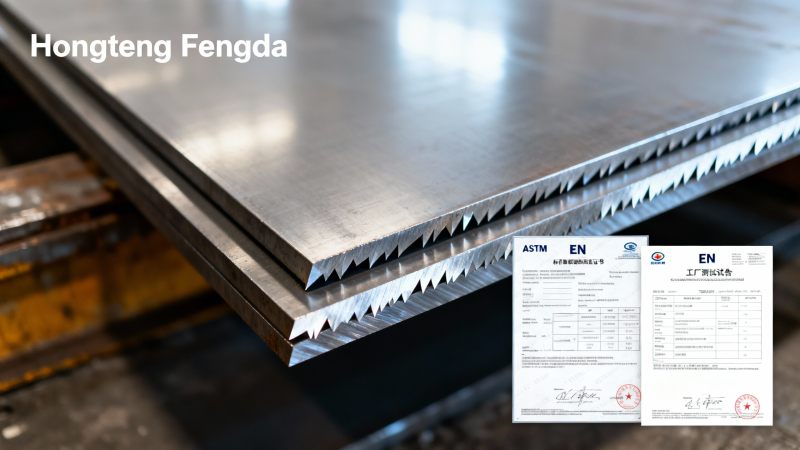
It’s worth noting that while high carbon steel plate suppliers may claim conformance to multiple standards simultaneously, true multi-standard capability demands parallel quality systems—not just paperwork. For instance, ASTM requires mill test reports (MTRs) signed by a qualified metallurgist, whereas EN standards mandate independent Notified Body sign-off for CE-marked products used in construction. Hongteng Fengda maintains dual-certified MTR templates, verified by both domestic CNAS-accredited labs and overseas third-party agencies.
Beyond Paper Certificates: What Real Due Diligence Looks Like
A laminated certificate on letterhead proves little without verifiable process controls. Buyers should insist on three layers of validation:
- Raw Material Traceability: Each coil or slab must carry a unique heat number linked to ladle analysis reports showing actual carbon, manganese, chromium, and residual elements—not just “within spec” ranges. We provide QR-coded heat tags enabling instant access to full chemistry logs.
- Thermal History Documentation: For quenched & tempered high carbon steel plate, temperature profiles across soaking time, cooling rates, and tempering dwell must be recorded digitally and archived for minimum 10 years. Our ERP system auto-generates thermal charts compliant with ASME BPVC Section II Part A.
- Independent Sampling Protocol: Third-party inspectors (e.g., SGS or Intertek) must witness sampling per ASTM E8/E8M—drawing tensile coupons from the same location as the MTR sample, not from scrap ends. We allocate dedicated inspection bays with calibrated hydraulic presses and universal testing machines onsite.
This level of transparency directly impacts field performance. In a recent Middle East refinery expansion, our certified C105U plates passed 100% ultrasonic testing (UT Level B per EN 10160) while competing suppliers failed 12% of UT scans due to subsurface inclusions—a defect invisible on mill certificates but caught only through live process oversight.
How Certification Reduces Total Cost of Ownership
Procurement teams often underestimate hidden costs tied to uncertified supply. Consider this realistic scenario: A $280/ton price advantage from an uncertified supplier translates into $1.2M in rework when 18% of high carbon steel plate fails post-weld NDT in a wind turbine tower project—requiring full replacement, crane mobilization, and schedule penalties. Conversely, certified high carbon steel plate delivers measurable ROI through:
Our clients report up to 37% reduction in quality-related delays when switching from uncertified sources—even with identical nominal pricing. That efficiency compounds across multi-year frameworks like government infrastructure P3 contracts, where schedule adherence directly affects revenue streams.
Complementary Products Supporting Your Structural Supply Chain
While high carbon steel plate serves demanding load-bearing roles, supporting components must match its reliability. For example, galvanized wire used in temporary bracing, mesh containment, or lifting slings must maintain ductility and coating integrity during installation. Our Steel Wire Galvanized—available in Q195 and Q235 grades—offers precisely calibrated zinc coatings (8–25 g/m²) validated per ASTM A641 and ISO 1461. With tensile strength ranging from 350–550 MPa and diameters from 0.25 mm to 5.0 mm, it provides consistent anti-rust protection without sacrificing formability. Its silvery-white appearance with slight yellow tinge indicates optimal alloying balance, and cold-forming tests confirm no flaking during bending around 1D mandrels—a key differentiator versus lower-grade alternatives. This synergy between certified structural plate and rigorously tested ancillary materials ensures holistic project integrity.
Final Recommendations for Global Buyers
Selecting high carbon steel plate suppliers isn’t about checking boxes—it’s about embedding quality into your supply chain’s DNA. Prioritize partners who: (1) publish their latest third-party audit reports openly; (2) offer real-time digital access to MTRs and thermal logs; (3) maintain dedicated R&D metallurgists—not just sales engineers; and (4) demonstrate multi-standard production history, not just one-off certifications. At Hongteng Fengda, we’ve supplied certified high carbon steel plate to over 42 countries since 2008, with zero product recalls related to material nonconformance. Our commitment extends beyond compliance: we co-develop material specifications with clients facing novel challenges—like ultra-thick plates for Arctic LNG modules requiring −60°C impact toughness, or custom chemistries for additive-manufactured tooling substrates. If your next project demands guaranteed performance, not just paperwork, contact our technical sales team today to request a customized certification roadmap and sample validation protocol.
Related recommendations
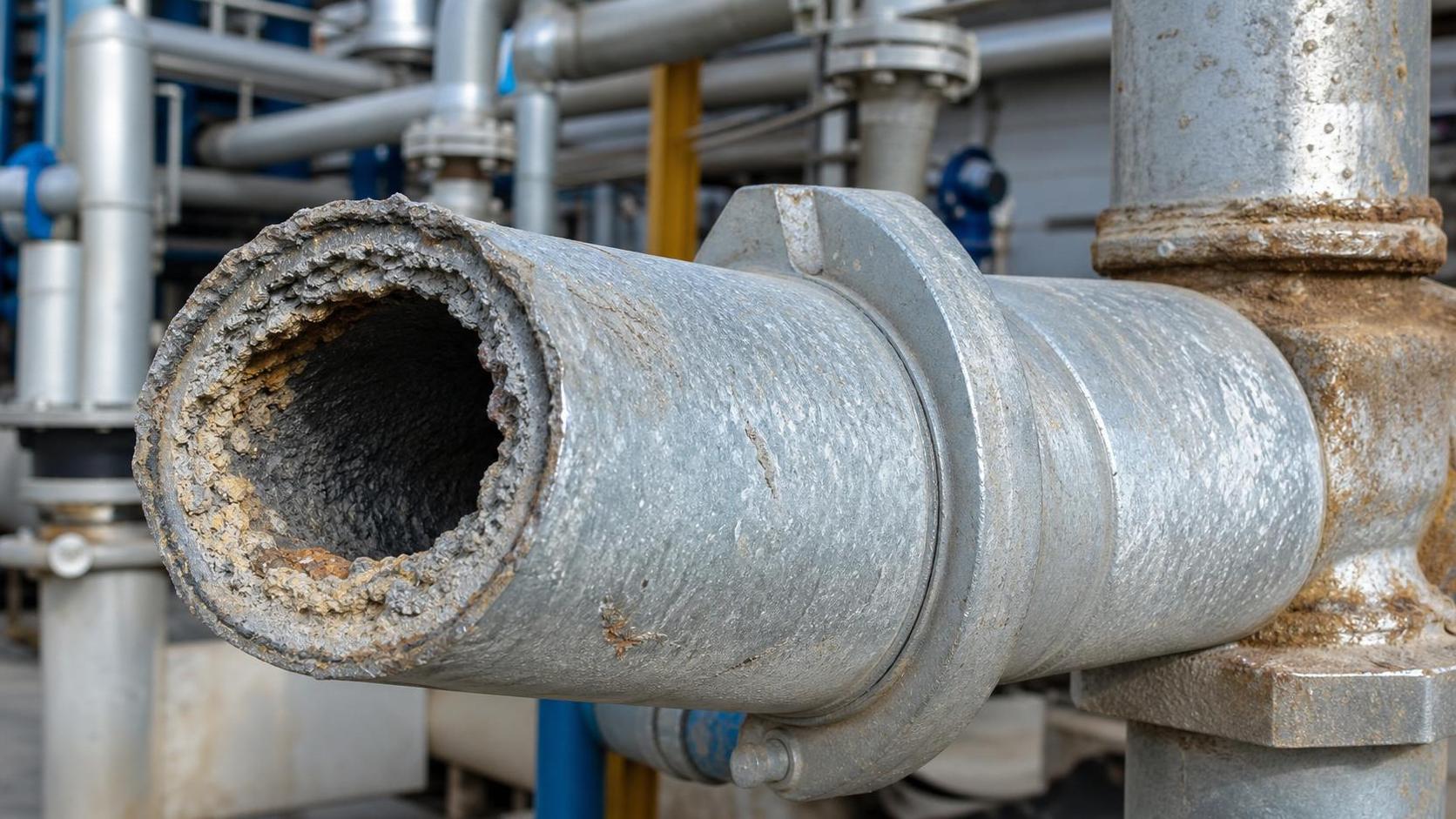
 Why Does Galvanized Pipe Corrode Over Time and When Should It Be Replaced?Galvanized pipe corrodes as its zinc coating wears away from moisture, chemicals, and age. Learn the warning signs, repair limits, and the right time to replace it.
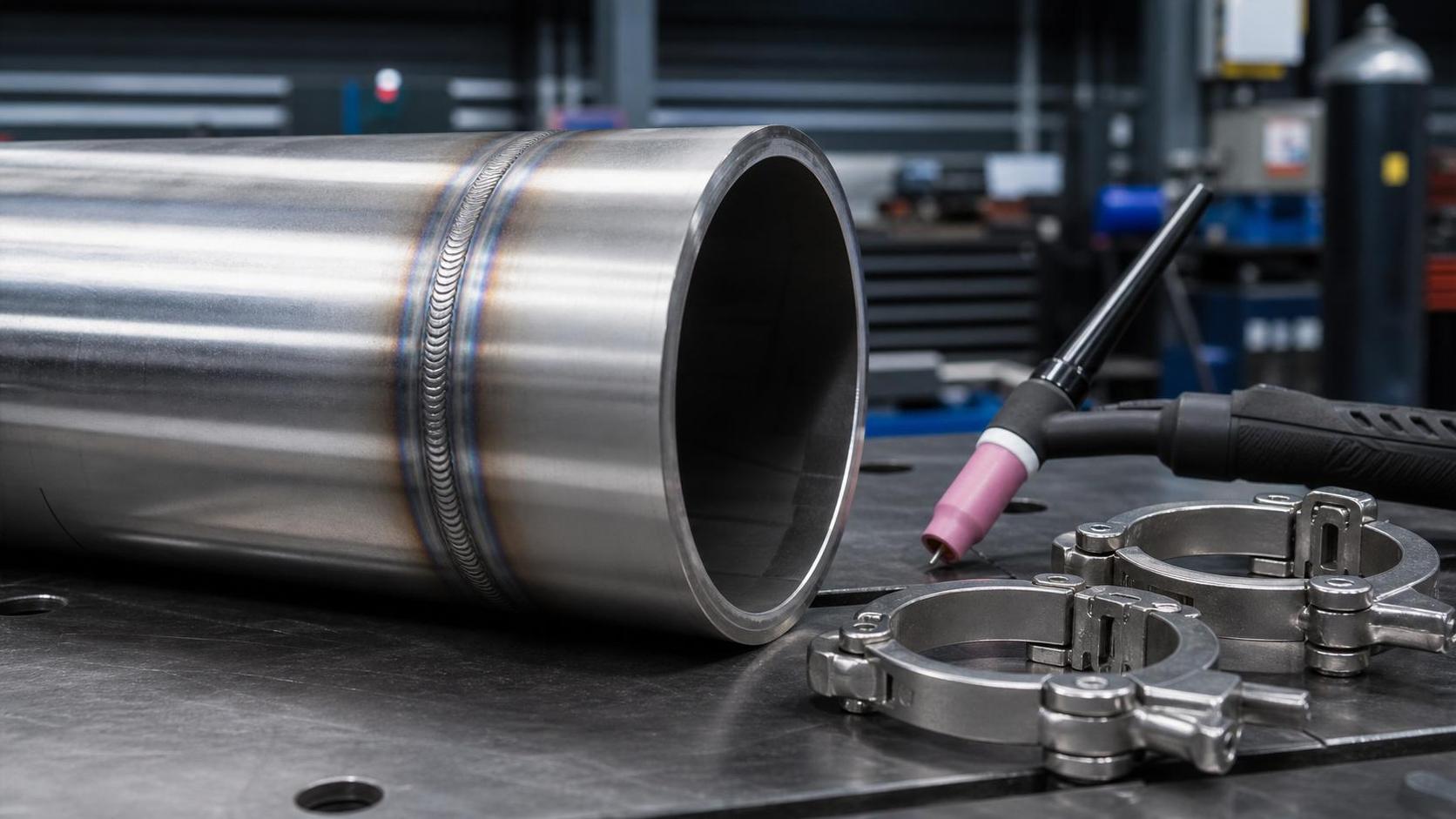
 Common SS Pipe Welding Problems and How to Prevent ThemSS pipe welding problems can lead to leaks, corrosion, and costly repairs. Learn the main defects, warning signs, and practical prevention tips to improve weld quality and service life.
 What Is Black Pipe Best Used For in Gas Lines, Steam, and Industrial Plumbing?Black pipe is ideal for gas lines, steam, and industrial plumbing where strength and heat resistance matter. Learn when it fits best, where it fails, and how to choose wisely.
 Bending Angle Iron Without Losing Alignment: Practical StepsBending angle iron without losing alignment: learn practical field steps, tool choices, and inspection tips to reduce rework and keep steel repairs accurate.
Please give us a message


Please enter what you want to find