When selecting carbon steel plate for shipbuilding, structural integrity, weldability, and compliance with marine standards are critical—making the choice of high carbon steel plate a frequent point of concern. While carbon steel plate is widely used in hull construction, high carbon steel plate is generally unsuitable for primary hull structural components due to its reduced ductility and weldability. As a trusted carbon steel plate manufacturer and supplier from China, Hongteng Fengda provides ASTM/EN-compliant low- and medium-carbon structural steel plates—ideal for shipbuilding applications. Explore why material grade matters, and how certified carbon steel plate suppliers support safety, compliance, and project success.
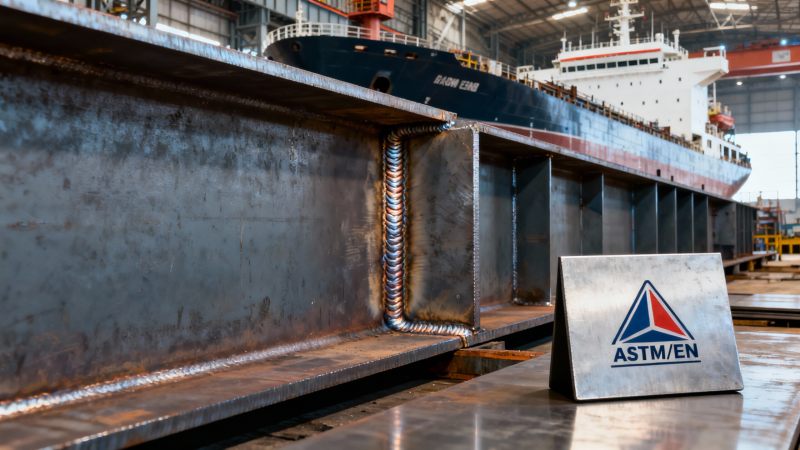
Technical Performance: Why High Carbon Steel Plate Fails Hull Structural Requirements
High carbon steel plate—typically defined as containing 0.60% to 1.4% carbon by weight—exhibits exceptional hardness and wear resistance, making it ideal for cutting tools, springs, and rail components. However, these very properties undermine its viability for hull structural components. Marine-grade hull structures demand high tensile strength *combined* with superior impact toughness at low temperatures (e.g., -20°C to -40°C), consistent ductility to absorb dynamic loads from waves and collisions, and reliable weldability without cold cracking or heat-affected zone (HAZ) embrittlement. High carbon steel plate fails across all three dimensions: its elevated carbon content increases hardenability but drastically reduces Charpy V-notch impact energy; lowers elongation at break (often below 12%); and raises susceptibility to hydrogen-induced cracking during welding—even with preheat and post-weld heat treatment. In contrast, approved shipbuilding grades like ASTM A131 Grade A/B/D/E or EN10025-2 S355G10+M use controlled carbon equivalents (CEV ≤ 0.41%) and microalloying (Nb, V, Ti) to balance strength, formability, and through-thickness ductility. These parameters are non-negotiable for longitudinal girders, bulkheads, and deck plating where fatigue life spans decades and failure consequences are catastrophic.
Standards & Certification: Navigating Marine Regulatory Frameworks
Global shipbuilding is governed by stringent classification society mandates—notably ABS (American Bureau of Shipping), DNV GL, LR (Lloyd’s Register), CCS (China Classification Society), and BV (Bureau Veritas). Each requires full traceability, mill test reports (MTRs), and third-party witnessed mechanical testing per ISO 6892-1 (tensile), ISO 148-1 (impact), and ISO 377 (sampling). Crucially, carbon steel plate for shipbuilding must be certified to specific marine structural grades—not generic industrial carbon steel plate. For example, ASTM A131/A633/A690 and EN10225 define strict limits on sulfur (<0.035%), phosphorus (<0.030%), and nitrogen (<0.012%) to prevent segregation and lamellar tearing. Hongteng Fengda’s production system integrates real-time ladle analysis, thermo-mechanical controlled rolling (TMCP), and ultrasonic testing (UT) per ASTM A435/EN10160 Class S4, ensuring every coil meets hull-grade soundness requirements. Our certification portfolio includes ABS Type 2H, DNV GL Grade D, and CCS AH36/DH36/EH36 approvals—backed by digital MTRs accessible via our portal. This isn’t just paperwork—it’s engineered assurance that every tonne shipped supports seaworthiness, insurance eligibility, and regulatory audits without delay.
Procurement Guide: How Buyers Avoid Costly Material Missteps
Procurement professionals face layered risks when sourcing carbon steel plate for shipbuilding: misaligned specifications, undocumented heat treatments, counterfeit mill certificates, and inconsistent thickness tolerances. A single batch of unverified high carbon steel plate supplied as “structural grade” can trigger rework costs exceeding USD 120,000 per vessel section due to weld rejection, plate replacement, and schedule slippage. Smart procurement starts with verifying supplier credentials—not just ISO 9001, but active classification society approvals and audited production records. At Hongteng Fengda, we provide pre-shipment verification packages including independent lab reports (SGS/BV), dimensional inspection logs, and batch-specific chemical composition certificates—all aligned with IACS Unified Requirement W10. We also offer OEM labeling, custom packaging for marine logistics (including anti-corrosion VCI film and seaworthy crating), and JIT delivery scheduling synchronized with dry-dock windows. For distributors and agents, our tiered partnership program includes technical training on marine grade identification, joint customer audits, and shared inventory buffers to eliminate lead-time volatility. Choosing a carbon steel plate supplier isn’t about lowest unit price—it’s about minimizing total cost of ownership through guaranteed compliance, zero-defect delivery, and responsive engineering support.
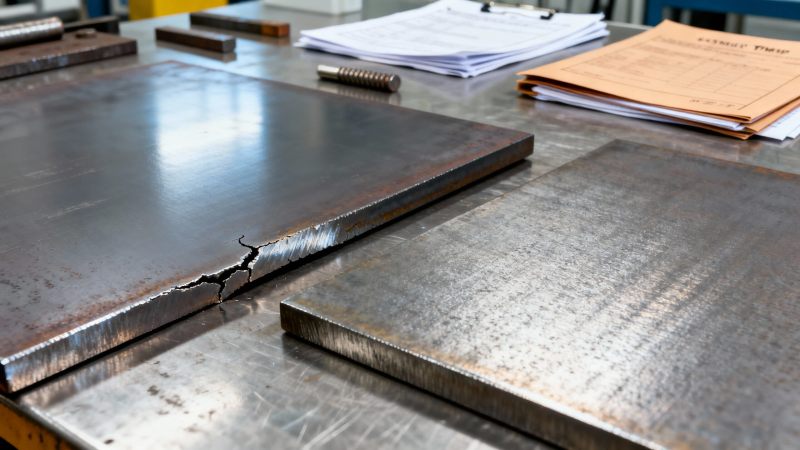
Why Choose Hongteng Fengda: Precision Engineering Meets Global Reliability
As a structural steel manufacturer and exporter from China, Hongteng Fengda bridges the gap between industrial scale and marine-grade precision. Unlike general-purpose carbon steel plate manufacturers, we operate dedicated TMCP lines calibrated for hull plate production—with dual-frequency eddy current testing, automated ultrasonic scanning, and AI-powered defect classification. Our supply chain integrates raw material traceability from blast furnace to final cut-to-length, enabling full lot tracking down to individual plates. For project managers and safety officers, this means documented proof of compliance—not just for initial delivery, but throughout service life. We serve over 147 shipyards and offshore fabricators across 23 countries, consistently delivering on time despite global logistics disruptions. Beyond carbon steel plate, we engineer complementary solutions—including Carbon Seamless Pipe certified to API 5L X65 PSL2 and ASTM A106 Gr.B for marine piping systems—ensuring material consistency across hull, deck, and utility infrastructure. Partner with us not just for steel, but for structural certainty: certified quality, predictable lead times, and engineering collaboration that turns specification sheets into seaworthy reality.
Related recommendations
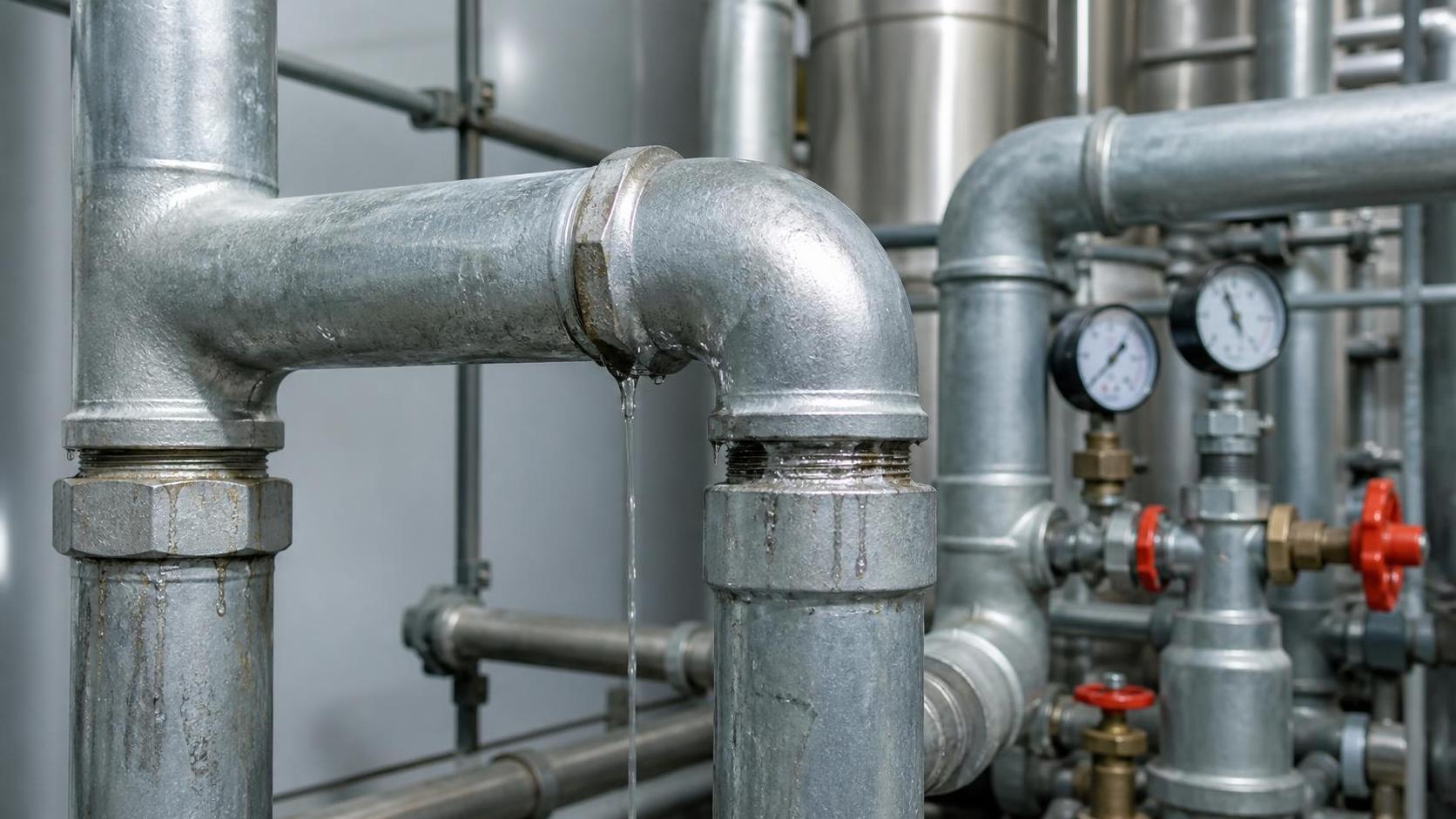
 Common Leak Risks When Using Galvanized Pipe for Plumbing SystemsGalvanized pipe for plumbing can hide corrosion, joint wear, and pressure-related leak risks. Learn the key warning signs, causes, and smart maintenance actions to prevent costly failures.
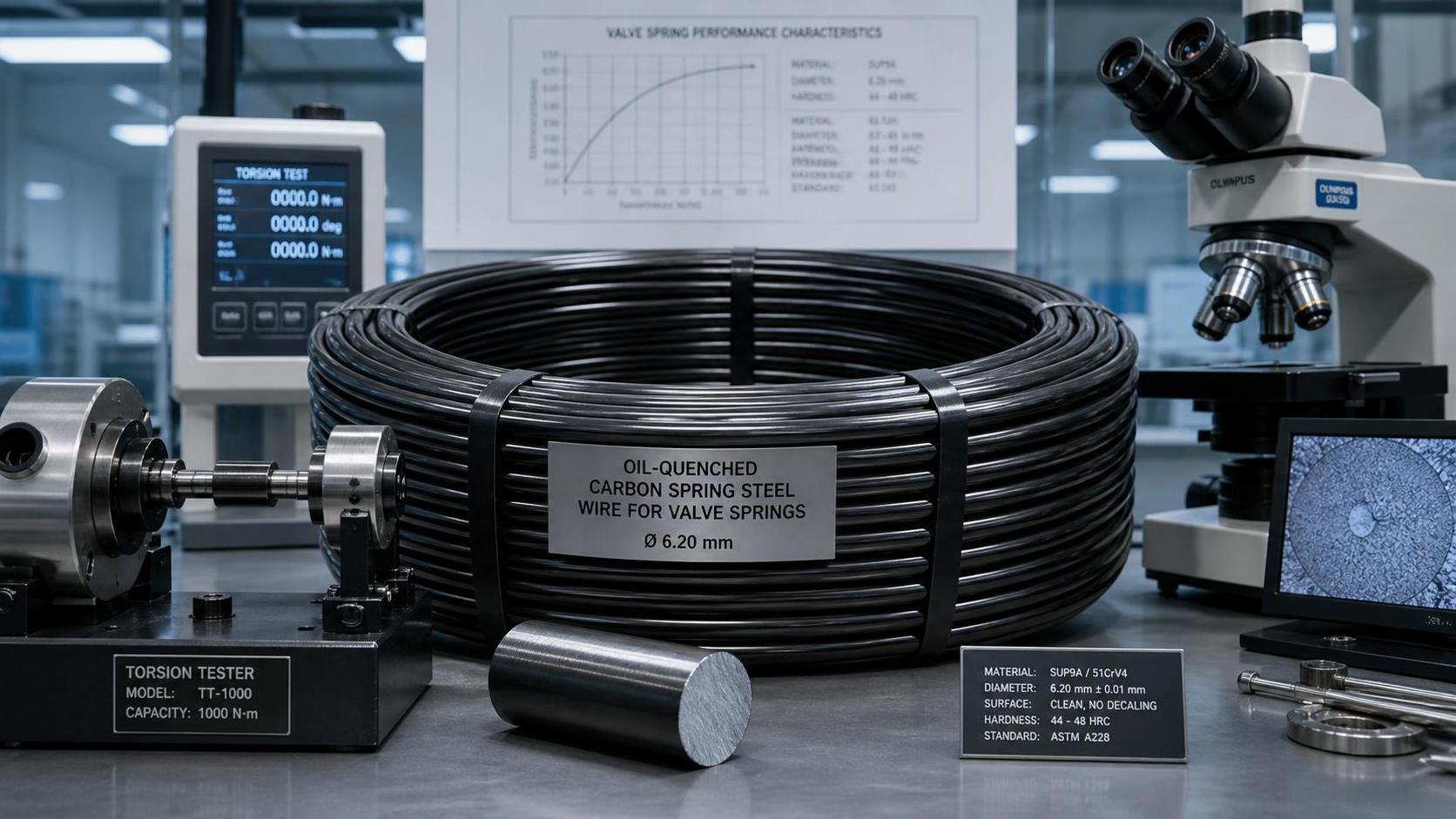
 Oil Tempered Carbon Steel Wire for Valve Spring: What Standards and Tests Matter?Oil tempered carbon steel wire for valve spring: learn which JIS, EN, and ASTM standards, decarburization checks, surface inspections, and fatigue-related tests truly protect spring life.
 Rebar for Foundation: Grade, Cover, and Spacing Mistakes to AvoidRebar for foundation guide: avoid costly grade, cover, and spacing mistakes that weaken durability, bonding, and concrete flow. Learn practical checks before the pour.
 Steel Tubing Dimensions: OD, Wall Thickness, and Gauge DifferencesSteel tubing dimensions explained clearly: compare OD, wall thickness, and gauge differences to avoid sizing mistakes, improve fit, and choose the right steel tube with confidence.
Please give us a message


Please enter what you want to find