Hot galvanizing significantly enhances corrosion resistance of structural steel—but it also introduces critical weldability challenges, especially hydrogen-induced cracking and liquid metal embrittlement. For engineers, procurement teams, and project managers evaluating galvanized steel components, understanding how hot galvanizing affects welding integrity is essential to avoid field failures and costly rework. This article clarifies the metallurgical risks, outlines proven pre-weld preparation (e.g., zinc removal, joint design) and post-weld mitigation steps (e.g., controlled cooling, stress relief), and aligns best practices with ASTM A123/A143 and EN ISO 14713 standards—supporting informed decisions across sourcing, fabrication, quality control, and long-term asset reliability.
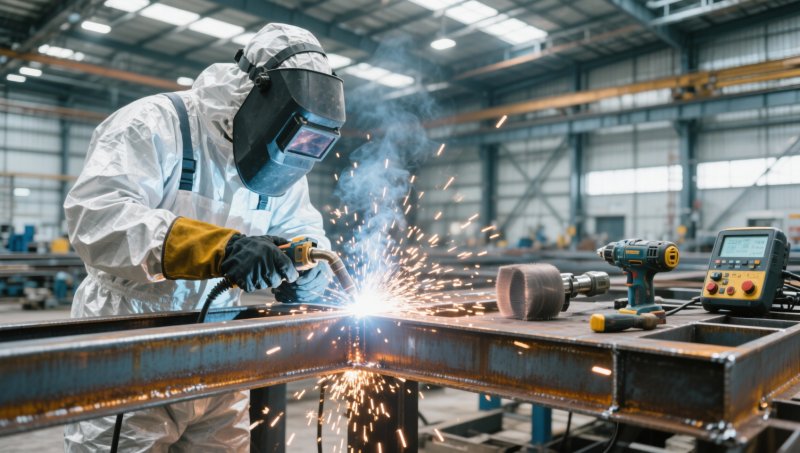
Metallurgical Impact of Hot-Dip Galvanizing on Weld Integrity
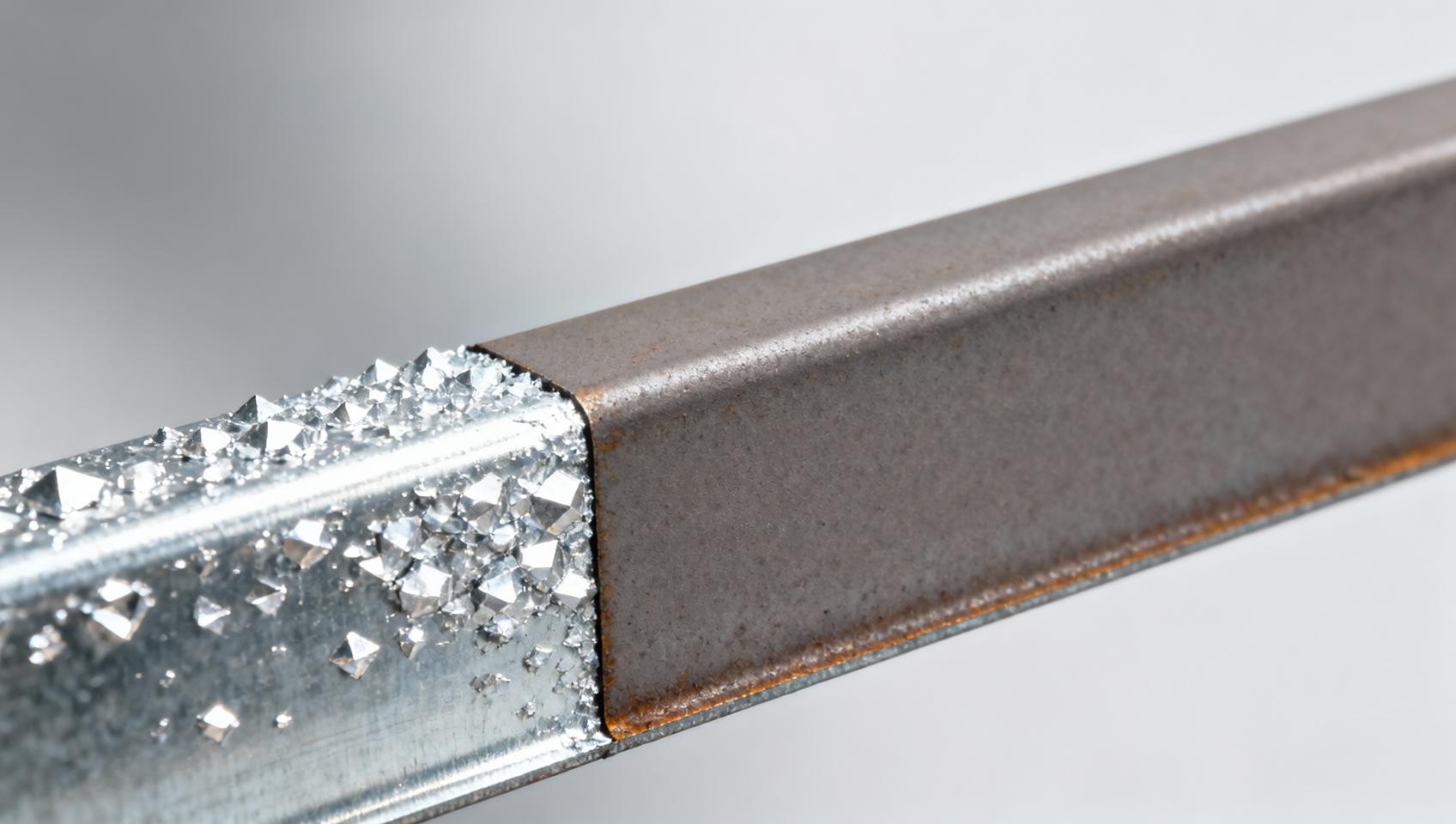
Hot-dip galvanizing applies a metallurgically bonded zinc-iron alloy layer (typically 45–120 µm thick) onto carbon steel surfaces via immersion in molten zinc at ~450 °C. While this coating delivers exceptional atmospheric corrosion protection—extending service life by 2–4× compared to bare steel—it fundamentally alters weld behavior. The primary concerns are liquid metal embrittlement (LME) and hydrogen-induced cracking (HIC). LME occurs when molten zinc penetrates grain boundaries in the heat-affected zone (HAZ) during welding, causing brittle intergranular fracture under tensile stress. HIC arises from hydrogen generated by zinc oxide decomposition at high temperatures, diffusing into the steel matrix and accumulating at microstructural traps.
A36 carbon steel—a widely specified grade for structural applications—exhibits particular susceptibility due to its relatively low carbon content (0.25% max) and fine ferrite-pearlite microstructure, which offers limited resistance to zinc penetration. Studies show that unprepared galvanized A36 joints exhibit up to 65% lower tensile strength and 80% reduced ductility versus non-galvanized equivalents under identical welding parameters.
Critical temperature thresholds govern risk: zinc melts at 419 °C, while the eutectic Zn–Fe phase forms at ~350 °C. Weld arcs exceed 5,000 °C locally—ensuring rapid zinc vaporization but also enabling deep HAZ heating into the embrittlement range. Without intervention, crack initiation probability exceeds 70% in fillet welds on 6-mm-thick galvanized plates using conventional SMAW or GMAW processes.
This triad of metallurgical, mechanical, and occupational hazards necessitates systematic process controls—not just procedural compliance. For global buyers sourcing from China-based manufacturers like Hongteng Fengda, verifying adherence to ASTM A143 (Standard Practice for Safeguarding Against Embrittlement of Hot-Dip Galvanized Structural Steel) is non-negotiable during supplier qualification.
Pre-Weld Preparation: Zinc Removal & Joint Design Best Practices
Effective pre-weld preparation reduces embrittlement risk by >90% when implemented correctly. The cornerstone is selective zinc removal from weld zones—never full-coating stripping, which defeats corrosion protection goals. Industry-standard methods include mechanical grinding (with dedicated stainless-steel wheels), abrasive blasting (Al₂O₃ grit, 30–60 mesh), or chemical stripping (ammonium chloride-based solutions). Grinding depth must exceed coating thickness by ≥0.1 mm to ensure complete zinc elimination and expose clean base metal.
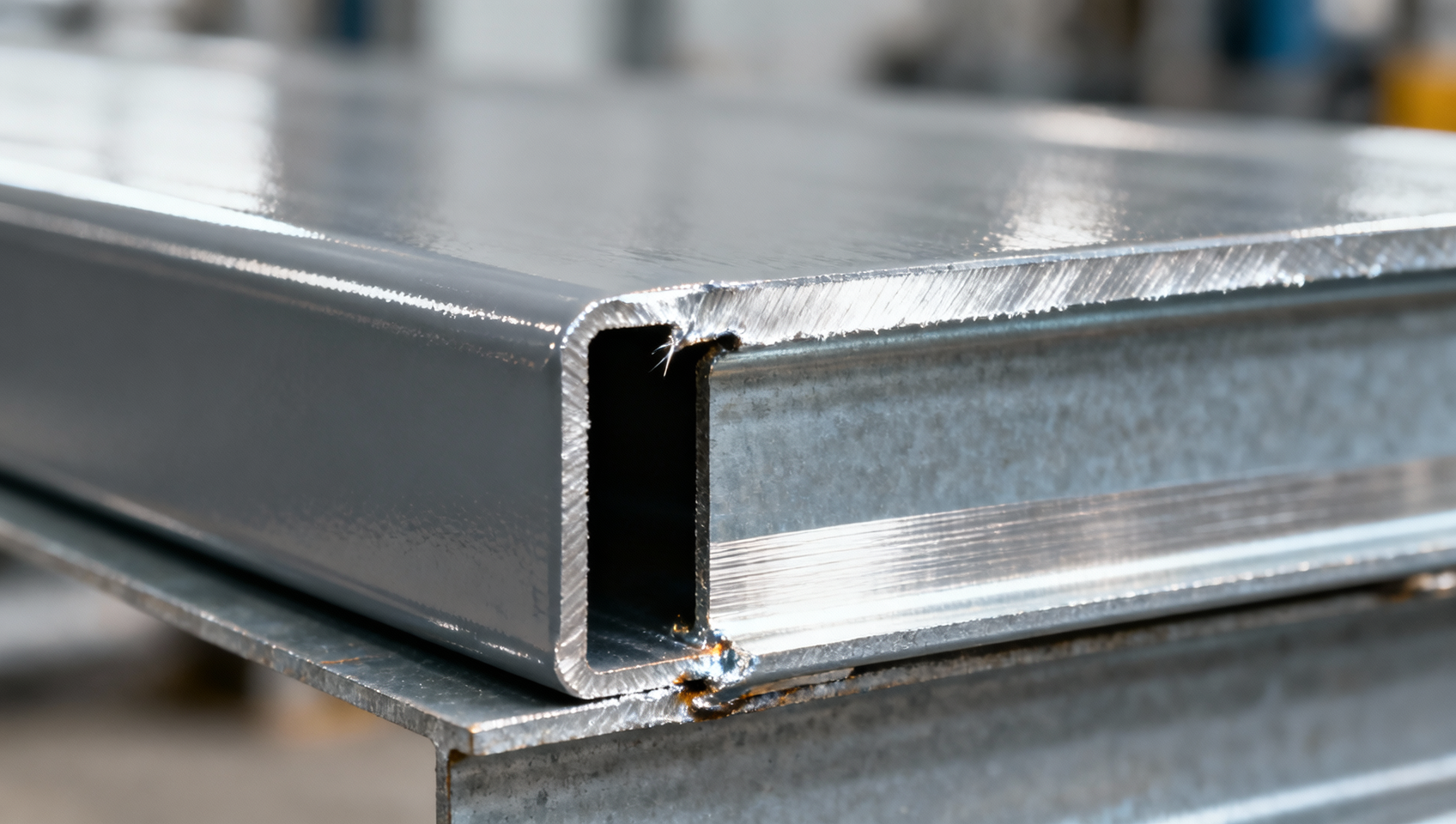
Joint geometry directly influences heat concentration and zinc exposure time. Avoid square-groove butt joints on galvanized sections thicker than 8 mm; instead, use single-V grooves with 30°–35° included angles and root gaps of 2–3 mm. For fillet welds—common in angle steel and channel steel assemblies—maintain a minimum 10-mm zinc-free zone beyond the theoretical throat. Hongteng Fengda’s fabrication team routinely applies laser-guided grinding for ±0.05 mm tolerance on weld prep zones, ensuring repeatability across 12-m-long A36 Carbon Steel Round Bar components used in handrail and staircase systems.
Welding procedure specification (WPS) adjustments are equally vital. Preheat temperature should be held between 150–200 °C to slow cooling and reduce hydrogen diffusion rates. Heat input must be tightly controlled: ≤1.5 kJ/mm for SMAW and ≤1.2 kJ/mm for GMAW to limit HAZ width. Using low-hydrogen electrodes (AWS E7018) or argon-rich shielding gases (90% Ar/10% CO₂) further suppresses HIC potential.
- Grind zinc within 25 mm of intended weld toe—verified by copper-sulfate test (no pink coloration)
- Store prepared parts in low-humidity environments (<50% RH) for ≤48 hours pre-welding
- Use backing bars for full-penetration welds to minimize back-side zinc exposure
- Inspect ground surfaces under 10× magnification for residual zinc streaks or oxidation
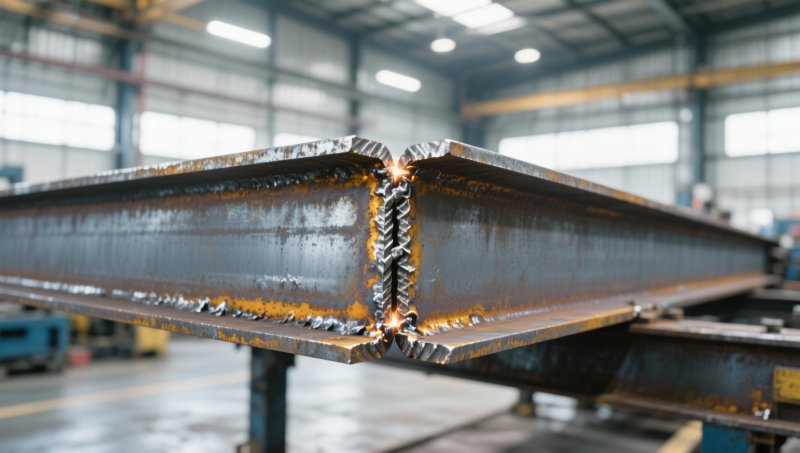
Post-Weld Mitigation: Cooling Control, Stress Relief & Inspection Protocols
Post-weld actions determine whether latent damage manifests as in-service failure. Controlled cooling is paramount: allow welds to cool to ambient temperature naturally—never quench or force-air cool. Rapid cooling increases thermal gradients and traps hydrogen in martensitic regions. For critical structural connections (e.g., steel beams in seismic zones), post-weld heat treatment (PWHT) at 600–650 °C for 1 hour per 25 mm of thickness effectively diffuses residual hydrogen and relieves peak stresses.
Non-destructive testing (NDT) must extend beyond standard VT/PT. Ultrasonic testing (UT) with angle-beam probes detects subsurface LME cracks invisible to surface methods. Acceptance criteria follow ASTM E164 (Standard Practice for Contact Ultrasonic Testing of Welds) with Level 2 sensitivity. For projects governed by EN 1090-2 (Execution of Steel Structures), mandatory ultrasonic examination applies to all fillet welds >8 mm leg size on galvanized elements.
Hongteng Fengda integrates these protocols into its ISO 9001-certified QA system, with third-party verification available per customer request. Our traceability logs record pre-weld zinc removal method, heat input per pass, interpass temperature, and NDT reports—ensuring full compliance for North American (AISC 360), European (EN 1090), and Middle Eastern (SASO) projects.
Procurement & Sourcing Guidance for Global Buyers
When procuring galvanized structural steel from Chinese manufacturers, technical due diligence must extend beyond mill certificates. Verify that suppliers conduct zinc coating adhesion tests per ASTM A123 (minimum 3 impacts without spalling) and maintain bath chemistry records (Fe < 0.03%, Al 0.005–0.02%). Request documented WPS validation reports—including bend tests on galvanized coupons—and confirm NDT personnel hold ASNT Level II certification.
Lead time implications matter: zinc removal adds 1–2 days per batch; PWHT adds 3–5 days. Hongteng Fengda maintains dedicated galvanizing-welding production lines, reducing cross-process delays by 40% versus general-purpose mills. For urgent projects, we offer pre-galvanized components with factory-applied weld-prep zones—cutting on-site labor by 60% and eliminating field zinc fume exposure.
Final delivery includes comprehensive documentation: coating thickness maps (per ASTM B499), weld procedure qualification records (WPQR), and NDT summary reports. All products comply with ASTM, EN, JIS, and GB standards—ensuring seamless integration into global engineering workflows.
Conclusion: Balancing Corrosion Protection with Structural Integrity
Hot-dip galvanizing remains the most cost-effective corrosion protection for structural steel—but its weldability risks demand disciplined engineering controls, not procedural shortcuts. By implementing targeted zinc removal, optimized joint design, controlled thermal management, and rigorous inspection aligned with ASTM A143 and EN ISO 14713, embrittlement can be reliably prevented. For procurement teams, technical evaluators, and project managers, partnering with a manufacturer like Hongteng Fengda—equipped with modern facilities, certified processes, and deep application expertise—reduces sourcing risk, avoids costly rework, and ensures long-term asset reliability across construction, industrial, and infrastructure projects worldwide.
Need certified galvanized structural steel with guaranteed weldability? Contact Hongteng Fengda today for customized solutions, technical support, and compliant documentation tailored to your project’s ASTM, EN, or GB requirements.
Related recommendations
 Is acero galvanizado para exterior vulnerable to white rust formation during monsoon storage?Acero galvanizado para exterior *is* vulnerable to white rust in monsoons — but it’s preventable. Discover proven storage & handling strategies that protect your structural steel.
 Does ASTM A 36 plate meet impact toughness requirements for low-temperature bridge girders?Does ASTM A 36 plate meet low-temp bridge requirements? Short answer: no—unless specially tested. Discover why toughness matters more than strength in cold climates.
 Does ASTM A653 certification cover both zinc-coated and zinc-iron alloy coated steels?ASTM A653 covers both zinc-coated and zinc-iron alloy coated steels—but they’re not interchangeable. Learn key differences in testing, performance & certification.
 Does acero prepintado require surface pretreatment before welding or cutting?Does acero prepintado require pretreatment before welding or cutting? Discover when grinding is essential—and when it’s not—for safety, weld integrity & corrosion resistance.
Please give us a message


Please enter what you want to find