When it comes to large-scale construction, choosing SGS certified steel for construction can make a critical difference in safety, durability, and long-term value compared with non-certified materials. As a high temperature steel manufacturer in China, Hongteng Fengda offers globally tested and verified products that meet rigorous performance standards. From providing accurate welded stainless tubing price lists to maintaining ss 316 coil technical specifications, our certified steel solutions help project managers, quality controllers, and procurement teams ensure structural reliability and cost efficiency across industries.
Definition and Overview of SGS Certified Steel for Construction
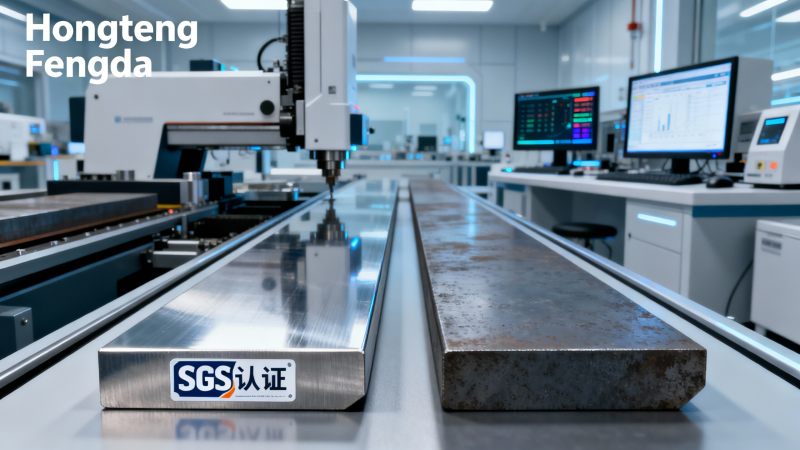
SGS certified steel for construction refers to materials that have undergone inspection, testing, and verification by SGS, an internationally recognized certification body known for setting global benchmarks in safety and quality. The certification process validates chemical composition, tensile strength, elongation, impact resistance, and weldability under various environmental conditions. For structural projects requiring dependable performance, this certification acts as proof of compliance with international standards such as ASTM, EN, JIS, and GB. Non-certified steel, on the other hand, lacks third-party validated traceability or may only rely on internal factory tests without industry-level audits. Procurement officers, project managers, and safety inspectors often face uncertainty when selecting from non-certified sources, potentially leading to unpredictable weldability, inconsistent grain structures, or non-conformance with engineering design loads. In contrast, certified steel guarantees verified quality and performance consistency across different batches. Hongteng Fengda, as a structural steel manufacturer and exporter from China, ensures each profile—from angle steel and channel steel to cold-formed profiles—is subject to standardized quality inspection. SGS certification provides reassurance that the product will perform consistently under high stress, temperature fluctuations, and corrosion exposure. Whether your application involves a metro tunnel, offshore platform, or automotive substructure using coil stainless steel for the automotive industry, certified materials can significantly reduce project risk and improve lifecycle costs.
Market Overview and Industry Trends
Global demand for certified structural steel is increasing due to stricter construction codes, sustainability goals, and infrastructure modernization. Across North America, Europe, and the Middle East, builders and regulators now prefer SGS and ISO-certified steel products to mitigate risks in skyscraper construction, energy storage, and transportation facilities. In China, technology-oriented manufacturers such as Hongteng Fengda support this transition through automation, traceability, and advanced thermal treatment for high temperature steel. For procurement stakeholders, the growing emphasis on environmental and occupational safety standards amplifies the importance of traceable quality. Whether one purchases a 304 coil supplier in Middle East markets or sources stainless steel roll for food processing, trust in material authenticity influences not only engineering reliability but also brand reputation. Data from international trade institutions show a year-on-year growth of over 8% in certified structural steel procurement. This upward trajectory suggests that buyers are awakening to the long-term value that certified materials bring, including reduced maintenance downtime, fewer structural failures, and easier auditing for green building programs. Manufacturers offering SGS-certified lines often gain access to premium construction tenders, while non-certified suppliers face declining acceptance, higher liability, and tighter scrutiny. Thus, the differentiation between certified and non-certified steel is now a key competitive factor rather than a simple specification.
Comparison Analysis: SGS Certified vs Non-Certified Steel
When comparing SGS certified steel for construction with non-certified steel, several major differences stand out, influencing decision-making across design, procurement, and project management stages.
- Traceability and Documentation: Certified steel includes mill test certificates, heat numbers, and mechanical property reports validated by SGS auditing procedures. Non-certified alternatives lack equivalent traceability, making defect investigation or root cause analysis more difficult.
- Mechanical Performance: For structural members exposed to varying loads, SGS certification ensures consistent yield strength and elongation characteristics. For example, Hongteng Fengda’s welded stainless tubing price list is accompanied by strength data verified by independent laboratories, providing confidence under high-pressure manufacturing conditions.
- Corrosion Resistance and Finish: Particularly relevant for marine structures or food-sector applications involving flat stainless steel for architectural design, SGS verification confirms protective coating adhesion and passivity levels, reducing corrosion risk and maintenance frequency.
- Cost Implications: Although certified steel may present an initial premium of 3–7%, the long-term savings from reduced replacement, less downtime, and minimized legal liability far outweigh the difference. For contractors bidding on design-build projects, certified materials enhance credibility and compliance scores during audits.
Technical Performance and Product Integration
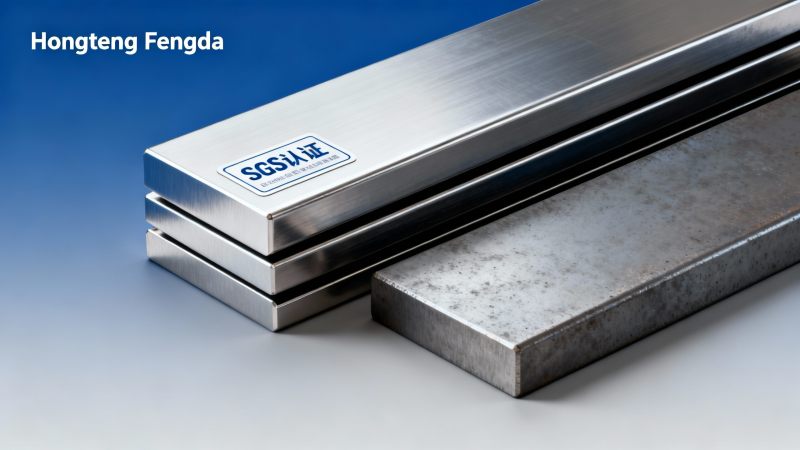
SGS testing encompasses chemical analysis, dimensional accuracy, weld consistency, coating adhesion, and microstructural validation. Each batch of steel beams, channel bars, or coils undergoes tensile, impact, and ultrasonic tests to prevent internal imperfections. Modern automated inspection technologies enable manufacturers like Hongteng Fengda to ensure each coil, plate, or rolled profile meets ss 316 coil technical specifications. In practical applications such as slope stabilization, flood retention, or port reinforcement, certified structural materials also ensure load uniformity and water impermeability. A suitable example is the Hot Rolled Steel Sheet Pile, which features robust U Sheet Pile configuration and carbon steel composition tested according to EN10248, JIS5523, and ASTM standards. Its Larssen locks and hot rolled interlock system guarantee continuous joints for water retaining walls while maintaining flexible length up to over 80m. Supplied worldwide with ISO9001 and CE FPC certifications, this product exemplifies the engineering rigor found in Hongteng Fengda’s production lines. Combining SGS validation with strict in-house metallurgy provides redundancy against variability issues. From inox plate manufacturer requirements in India to stainless steel roll applications in European food facilities, verified mechanical grades such as S275, S355, and ASTM A690 ensure predictable project outcomes. By enforcing both specification conformance and environmental management through standards like ISO14001, certified steel ensures sustainable and ethical sourcing aligned with global infrastructure trends.
Procurement Guide and Cost Considerations
For purchasing teams and distributors seeking cost-effective yet compliant solutions, understanding the total cost of ownership is more important than comparing spot prices. SGS certified steel helps avoid rework and warranty claims. For example, during multi-phase construction of high-rise office buildings, one failure in non-certified beams may stall the entire project schedule, leading to excessive penalties. SGS certification mitigates these risks by confirming material integrity from the start. When buyers from Europe or the Middle East request materials—be it coil stainless steel for automotive industry components or bulk steel strapping orders—they look for a transparent verification trail. It is critical that procurement files include mill references, certificate copies, and clear technical data. Hongteng Fengda supports international clients with bilingual documentation, efficient logistics, and custom fabrication services. Comprehensive supplier assessment should also include:
- Verifying SGS and ISO certificates validity dates before purchase.
- Requesting unified packaging labels ensuring batch identification.
- Reviewing welded stainless tubing price list to confirm the economic impact of specification upgrades.
- Evaluating delivery capacity and on-site replacement services.
Case Studies and Practical Insights
A prominent Middle Eastern infrastructure developer recently reported substantial efficiency improvements after switching to SGS certified structural products from Hongteng Fengda. The company had previously encountered inconsistent strength values in non-certified supplies, leading to design recalculations and project delays. After adopting certified steel and standardized ss 316 coil parameters, inspection repair rates dropped by 42%, while welding precision increased markedly during assembly. Similarly, a European distributor dealing in 304 coil supplier contracts integrated Hongteng Fengda’s certified inventory management protocols, enabling traceable shipments and improved local regulation compliance. Procurement teams within these firms highlighted that SGS documentation simplified customs clearance and reduced storage insurance premiums since the certification implied lower risk exposures. For stakeholders in the food processing sector, switching to stainless steel roll for food processing produced under strict inspection improved hygiene compliance. The high-quality surface finish and anti-pitting characteristics minimized bacterial adhesion and facilitated easy maintenance. These cross-sector success stories underline one prevailing conclusion: certification correlates closely with reliability, which translates directly into cost predictability and stakeholder trust.
Trends and Future Insights
In the broader steel market, digital traceability through QR-coded certificates and cloud-based compliance databases is transforming the procurement and verification process. Future SGS certification programs will likely integrate blockchain-secured material records, providing real-time traceability from smelting to installation. This development aligns with international pushes toward smart construction, sustainability benchmarking, and automated auditing systems. With the rise of lightweight and high-strength alloys, manufacturers are focusing on hybrid verification models that combine SGS material assessments with in-process machine learning analysis. These innovations will further enhance predictability, allowing manufacturers like Hongteng Fengda to refine product lines for specialized uses—from water retaining walls using Hot Rolled Steel Sheet Pile solutions to automotive-grade coils engineered for temperature resilience. For project leaders and enterprise decision-makers, the trend signifies a strategic shift from price-driven sourcing to resilience-driven sourcing. Certified materials help secure public trust and ensure compliance with international safety frameworks that increasingly define competitive advantage in the construction market. Investing in SGS certified steel is not only an engineering decision but a commitment to sustainability, accountability, and long-term business performance.
Why Choose Hongteng Fengda as Your Steel Partner
Hongteng Fengda stands as a professional structural steel manufacturer and exporter from China with a global presence and extensive technical expertise. Our production adheres to ISO9001, ISO14001, and CE FPC standards, while every material line can undergo SGS verification upon request. Whether clients require angle steel, channel steel, beams, or customized cold formed profiles, we deliver consistent strength, precision, and dimensional integrity. Serving North America, Europe, the Middle East, and Southeast Asia, we provide flexible OEM and standard-specified products to match diverse project conditions. Our integrated systems allow rapid quoting for welded stainless tubing price lists, prompt shipment tracking, and real-time documentation sharing. For quality managers and procurement professionals, this means smoother audits and reliable construction outcomes. Choosing Hongteng Fengda ensures reduced sourcing risks, controlled costs, and superior compliance assurance through end-to-end quality control. Contact our engineering team to discuss your upcoming project specifications or request a tailored quotation today. With a reputation built on reliability, performance, and professionalism, Hongteng Fengda remains your trusted long-term partner for SGS certified steel for construction and associated structural solutions.
- channel steel
- steel i
- angle steel
- hot rolled steel sheet
- ASTM standards
- ASTM standard
- Hot Rolled Steel
- structural steel
- steel beams
- Structural Steel
- Steel Beams
- high temperature steel
- SGS certified steel
- welded stainless tubing
- coil stainless
- 304 coil
- ss 316 coil
- stainless steel roll
- steel strapping
- flat stainless steel
- inox plate
- Profile
- Steel Sheet Pile
- Steel Beam
- carbon steel
- steel sheet
- flat stainless steel for architectural design
- stainless steel roll for food processing
- ss 316 coil technical specifications
- 304 coil supplier in Middle East
- coil stainless steel for automotive industry
- welded stainless tubing price list
- SGS certified steel for construction
- high temperature steel manufacturer in China
Related recommendations
 Common Leak Risks When Using Galvanized Pipe for Plumbing SystemsGalvanized pipe for plumbing can hide corrosion, joint wear, and pressure-related leak risks. Learn the key warning signs, causes, and smart maintenance actions to prevent costly failures.
 Oil Tempered Carbon Steel Wire for Valve Spring: What Standards and Tests Matter?Oil tempered carbon steel wire for valve spring: learn which JIS, EN, and ASTM standards, decarburization checks, surface inspections, and fatigue-related tests truly protect spring life.
 Rebar for Foundation: Grade, Cover, and Spacing Mistakes to AvoidRebar for foundation guide: avoid costly grade, cover, and spacing mistakes that weaken durability, bonding, and concrete flow. Learn practical checks before the pour.
 Steel Tubing Dimensions: OD, Wall Thickness, and Gauge DifferencesSteel tubing dimensions explained clearly: compare OD, wall thickness, and gauge differences to avoid sizing mistakes, improve fit, and choose the right steel tube with confidence.
Please give us a message


Please enter what you want to find