In the field of industrial manufacturing, understanding inspection standards for carbon steel for pressure vessels is vital for every quality manager ensuring safety and performance. As a leading structural steel manufacturer and exporter, Hongteng Fengda provides high-grade steel materials—from steel channels for mezzanine floors to carbon steel for automotive industry applications—meeting global standards for reliability and compliance. This article explores the key inspection principles that safeguard the integrity and durability of pressure vessel steel.
Definition and Material Overview
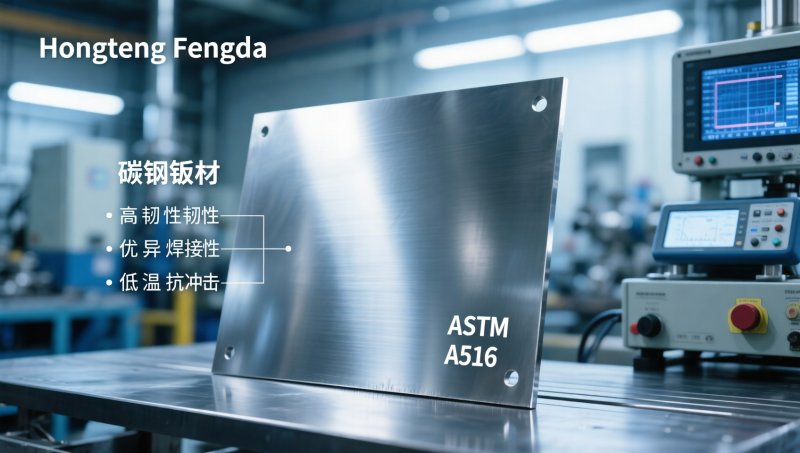
Carbon steel for pressure vessels is a type of structural material specifically designed to withstand high internal pressures in chemical, oil & gas, and energy storage applications. Its performance is closely related to chemical composition, heat treatment, and welding quality. Typically, such steels are categorized under ASTM A516, EN 10028, and GB 713 standards, which specify composition thresholds for carbon, manganese, sulfur, and phosphorus. These limits ensure reliable toughness, ductility, and weldability under diverse operating temperatures. Quality managers must be proficient in metallurgical basics such as grain refinement, inclusion control, and mechanical testing parameters to certify material compliance. Hongteng Fengda supplies an extensive range of steel types that match these codes, including Q355, Q420, and 16MnR grades used in power generation and processing plant vessels. These steels also integrate into architectural structures where consistent performance is key, complementing our offerings in steel channel for structural support and pre-painted steel sheet for protection against corrosion. By instituting rigorous factory inspections and batch sampling, the company ensures that materials conform to ISO and API expectations for long-term reliability.
Market Overview and Industry Regulations
The industry demand for carbon steel for pressure vessels has surged alongside global infrastructure growth and refining expansion. North America and Asia-Pacific remain major consumers due to their energy and petrochemical sectors, while European standards emphasize environmental compliance and traceability. Pressure vessel design codes, such as ASME Section VIII Div. 1 and EN 13445, mandate strict thickness tolerances and impact energy test results to guarantee safety against brittle fracture. Modern inspection standards combine visual, ultrasonic, magnetic particle, and radiographic methods to detect flaws invisible to the naked eye. For instance, ultrasonic testing enables the identification of subsurface porosity, while impact testing assesses the material’s energy absorption capacity at low temperatures—critical for offshore applications or LNG storage. Hongteng Fengda’s manufacturing adheres to both ASTM A20 quality conditions and local GB/T mechanical property tests, supported by calibrated equipment and traceable production records. With the inclusion of steel products like steel bar for railway construction and steel pile for port construction, the company maintains unified quality benchmarks across categories. Quality managers responsible for imported materials must understand that certification under ISO 9001 and AISI standards only demonstrates baseline consistency; continuous batch verification is still essential to mitigate operational risks and ensure structural integrity for pressure-bearing systems.
Technical Performance and Inspection Procedures
The inspection process for carbon steel pressure vessel plates involves multiple stages: dimensional verification, chemical composition analysis, mechanical property evaluation, and non-destructive testing (NDT). Dimensional checks confirm that plate widths—ranging typically between 0.6 m and 3 m—and thicknesses up to 300 mm meet drawing requirements. Chemical testing, performed via optical emission spectroscopy, verifies that the C–Mn balance stays within tolerance to ensure adequate toughness. Tensile tests yield yield strength and elongation metrics, while Charpy V-notch tests assess low-temperature resilience. NDT methods such as radiography and ultrasonic scanning detect lamination or inclusions, especially near welded joints. Among available materials, Cold Rolled Steel Coil with grades like Q345B, Q420D, or 16MnDR provides consistent mechanical uniformity, with standard lengths of 4 to 12 meters and clean or painted surfaces per client demand. These parameters ensure compatibility with complex vessel fabrication where forming accuracy and welding stability are crucial. Hongteng Fengda employs precise rolling and controlled-cooling procedures to maintain microstructural homogeneity, giving the steel balanced strength and ductility. Corresponding pre-painted steel sheet coatings improve corrosion resistance while reducing maintenance burden throughout the pressure vessel’s life. Integrating traceable batch numbers into production documentation helps purchasers and quality managers track inspection histories, enhancing compliance transparency.
Application Scenarios and Performance Benefits
Pressure vessels fabricated with carbon steel serve in numerous sectors—petrochemical plants, thermal power stations, and compressed gas transportation systems. In these contexts, carbon steel for pressure vessels is chosen for its superior weldability, affordability, and high heat resistance compared with stainless alternatives. Structural designers pair it with steel profile for architectural design or reinforce supporting sections with steel channel for mezzanine floors to optimize load distribution. For offshore platforms and LNG terminals, steels like 16MnDR demonstrate enhanced impact strength under cryogenic conditions. Furthermore, cost-effective mechanical performance makes medium-strength grades such as Q420C favored for heat exchangers and separators. The manufacturing flexibility offered by Hongteng Fengda enables integration of these steels into modular frameworks, reducing field welding complexity and shortening project cycles. By aligning technical documentation with EN ISO 5817 welding quality levels, engineering teams ensure that the final assembly maintains stable internal pressure profiles even under thermal cycling. Notably, carbon steel for pressure vessels retains moderate strength that mitigates brittle fracture risks, aiding long-term durability—a property that purchasing managers and safety inspectors equally prioritize when assessing supplier reliability and lifecycle cost efficiency.
Comparison Analysis: Carbon Steel vs. Alternative Materials
When comparing carbon steel for pressure vessels to stainless steel or alloy-based solutions, several key trade-offs emerge. Carbon steel offers outstanding cost efficiency, especially for high-volume manufacturing environments, while retaining adequate tensile strength for temperatures below 500 °C. Stainless varieties deliver superior corrosion resistance but increase material and welding costs. Alloy steels may accommodate higher heat loads but require specialized forming equipment. Hongteng Fengda’s data show that clients selecting carbon steel grades like Q345D or Q460D reduce total vessel fabrication costs by 20–30% without compromising mechanical safety. Additionally, corrosion protection can be economically achieved with coatings or using components such as corrugated steel sheet coverings in external environments. The choice depends on operating media, pressure levels, and service life design. By comparing impact test results, austenitic expansion behavior, and weldability indices, quality engineers can determine the optimal option for their production goals. Notably, Cold Rolled Steel Coil supplied by Hongteng Fengda delivers consistent yield performance that meets EN 10025 and ASTM A36 equivalencies, ensuring compatibilities with multiple vessel codes. This flexibility simplifies procurement for distributors seeking integrated steel channel solutions and standardizes internal quality assessment across projects worldwide.
Procurement Guide and Quality Management Tips
To guarantee compliance, procurement and quality management teams should implement systematic evaluation checklists when sourcing carbon steel for pressure vessel applications. Essential steps include verifying supplier production licensing under AISI and ASTM system certifications, inspecting mill test reports for composition accuracy, and requesting third-party witnessing of nondestructive exams. Sampling methods must align with the lot size specified by ASME Section II Part A. In addition, confirming mechanical qualification through yield, tensile, and impact data provides objective benchmarking. Hongteng Fengda facilitates transparent procurement by maintaining digital inspection archives accessible to global buyers in North America, Europe, and the Middle East. The company’s integrated manufacturing platform allows flexible delivery—from small structural batches for pilot plants to large steel beam supply for petrochemical units. For project management teams, collaboration with a recognized structural steel manufacturer minimizes sourcing risk, ensures unified documentation, and shortens approval cycles. Hongteng Fengda’s expertise extends beyond pressure vessel steel to specialized items like steel rebar for earthquake resistance and steel pile for port construction—each produced under the same stringent quality philosophy that strengthens buyer trust and reduces lifecycle maintenance costs.
Standards and Certification Compliance
Quality managers must stay updated on international standards determining inspection methods and acceptance criteria for carbon steel pressure vessel plates. U.S. markets rely on ASTM A516/A515 series combined with A20 supplemental requirements; European buyers often reference EN 10028, while Asian projects may follow GB 713 and JIS G3115 specifications. Compliance involves periodic auditing, mill certification traceability, and adherence to mechanical test frequency. Hongteng Fengda’s quality system integrates multiple certifications—AISI, ASTM, DIN, JIS, GB, SUS, and EN—to meet cross-market needs. Each production batch undergoes internal heat analysis and ultrasonic inspection records archived for at least five years, enabling trace-back for vessel maintenance authorities. These processes not only ensure alignment with customer design codes but also demonstrate due diligence for third-party audits or governmental safety evaluations. By incorporating risk management frameworks similar to API 510 inspection intervals, operators achieve higher asset uptime and cost predictability. The same standard conformance philosophy extends to Hongteng Fengda’s supporting products such as steel channel for structural support and steel bar for railway construction—reinforcing the company’s credibility as a global structural steel exporter capable of meeting project-specific compliance demands efficiently.
Trends and Future Insights
Global industrial shifts toward decarbonization and intelligent manufacturing are reshaping expectations for pressure vessel materials. New inspection technologies—like AI-powered ultrasonic imaging and automated magnetic particle scanning—advance detection precision while lowering testing time. Simultaneously, the demand for smarter steel featuring microalloying and controlled thermomechanical processing is expanding. Such developments promise enhanced fatigue life and hydrogen resistance, vital for renewable energy storage and hydrogen refueling infrastructure. In China, manufacturers such as Hongteng Fengda are integrating digital twins and online quality monitoring systems to forecast mechanical performance deviations in real time. These innovations allow project managers and safety inspectors to preempt structural weaknesses before field failures occur. Future applications will likely include hybrid materials combining carbon steel cores and corrosion-resistant layers, optimizing cost-performance ratios. Meanwhile, procurement trends emphasize lifecycle cost analysis over unit price, encouraging buyers to consider total cost of ownership. Structural materials like pre-painted steel sheet and steel channels for mezzanine floors will remain complementary to vessel steel, supporting ongoing industrial transformation toward sustainable and intelligent production systems.
Case Studies and Practical Experiences
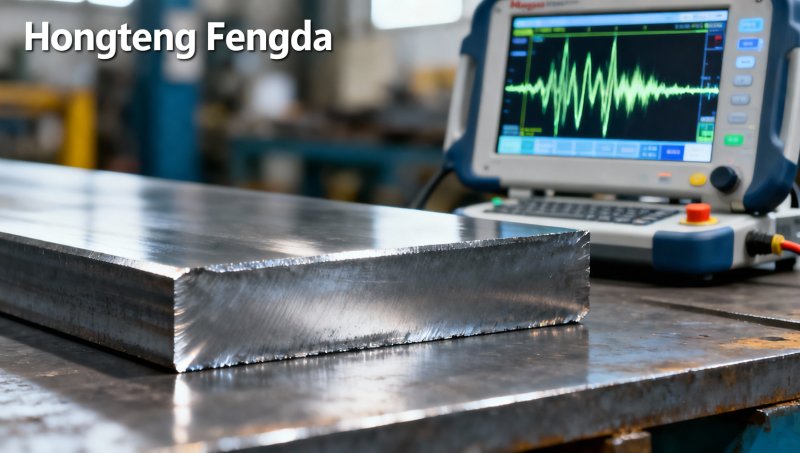
One recent refinery project in Southeast Asia highlights the critical role of thorough inspection in ensuring operational safety. The project utilized Hongteng Fengda’s Q420D carbon steel plates for high-pressure hydrogenation reactors. During pre-delivery inspection, ultrasonic tests revealed a series of fine inclusions below acceptance limits but within predictable distribution. After controlled heat treatment verified by revisited impact testing, plates demonstrated robust toughness exceeding EN 10028 requirements. The project’s installation phase confirmed seamless weldability and dimensional compliance. Another case involving a European LNG terminal used low-temperature grade 16MnDR for storage tanks under dynamic pressure conditions. Engineers selected Hongteng Fengda materials due to proven reliability and third-party qualification records from recognized inspection agencies. These real-world applications show how coordinated inspection protocols, combined with supplier diligence, prevent downtime and enhance asset lifespan. Furthermore, the company’s integrated inventory—including steel beams, cold-formed steel profiles, and custom OEM structural components—enabled clients to source complementary materials from one vendor, avoiding cross-supplier quality overlaps. For quality managers and procurement professionals, such success stories underscore the value of standardized evaluation frameworks in maintaining consistent safety margins and cost control across international engineering projects.
FAQ & Common Misconceptions
A common misconception is that carbon steel for pressure vessels automatically ensures resistance to corrosion; while it possesses robust mechanical strength, suitable surface protection such as pre-painted coatings or cathodic systems remains necessary. Another misunderstanding is that certification alone guarantees quality—however, actual performance depends on compliance with inspection results and traceability of each batch. Procurement personnel should clarify that welding procedure specifications (WPS) must be validated for specific grades like Q345B or Q460E. Additionally, designers must differentiate between carbon steel for automotive industry usage and that for high-pressure containment; the former focuses on formability, while the latter demands superior notch toughness. End-users also often assume thicker means stronger, but improper heat treatment on thick plates can reduce core strength. Educating teams about these aspects enhances decision-making efficiency and minimizes rework. Hongteng Fengda’s technical advisors frequently assist global partners to interpret standards, ensuring that each vessel component, whether steel profile or corrugated steel sheet reinforcement, aligns with long-term operational objectives without unnecessary cost escalation.
Why Choose Hongteng Fengda
Hongteng Fengda stands as a trusted structural steel manufacturer and exporter from China, recognized for its commitment to quality, reliability, and professional service. The company’s diverse portfolio—including angle steel, channel steel, beams, and customized components—caters to builders, industrial manufacturers, and engineering contractors worldwide. Through modern facilities, strict inspection routines, and adherence to global standards ASTM, EN, JIS, and GB, Hongteng Fengda ensures consistent supply performance and dependable lead times. Customers in North America, Europe, the Middle East, and Southeast Asia benefit from stable production capacity and responsive technical support. Whether sourcing carbon steel for pressure vessels or steel channel for structural support, buyers receive not only high-quality materials but also expert guidance on testing and certification. For inquiries or customized solutions, contact Hongteng Fengda’s experienced sales engineers to discover how professional structural steel supply can enhance your project’s safety, reduce risk, and control total cost effectively.
- channel steel
- angle steel
- carbon steel plate
- cold rolled steel coil
- rolled steel coil
- cold rolled steel
- steel coil
- structural steel
- steel beams
- steel profiles
- Structural Steel
- Steel Beams
- steel plate
- Profile
- Rebar
- Steel Beam
- Steel Channel
- carbon steel
- steel sheet
- steel rebar
- steel profile
- steel pile
- steel bar
- corrugated steel sheet
- carbon steel for automotive industry
- Steel Channel for structural support
- steel bar for railway construction
- steel pile for port construction
- steel profile for architectural design
- steel rebar for earthquake resistance
- pre-painted steel sheet
- carbon steel for pressure vessels
- Steel Channel for mezzanine floors
Related recommendations
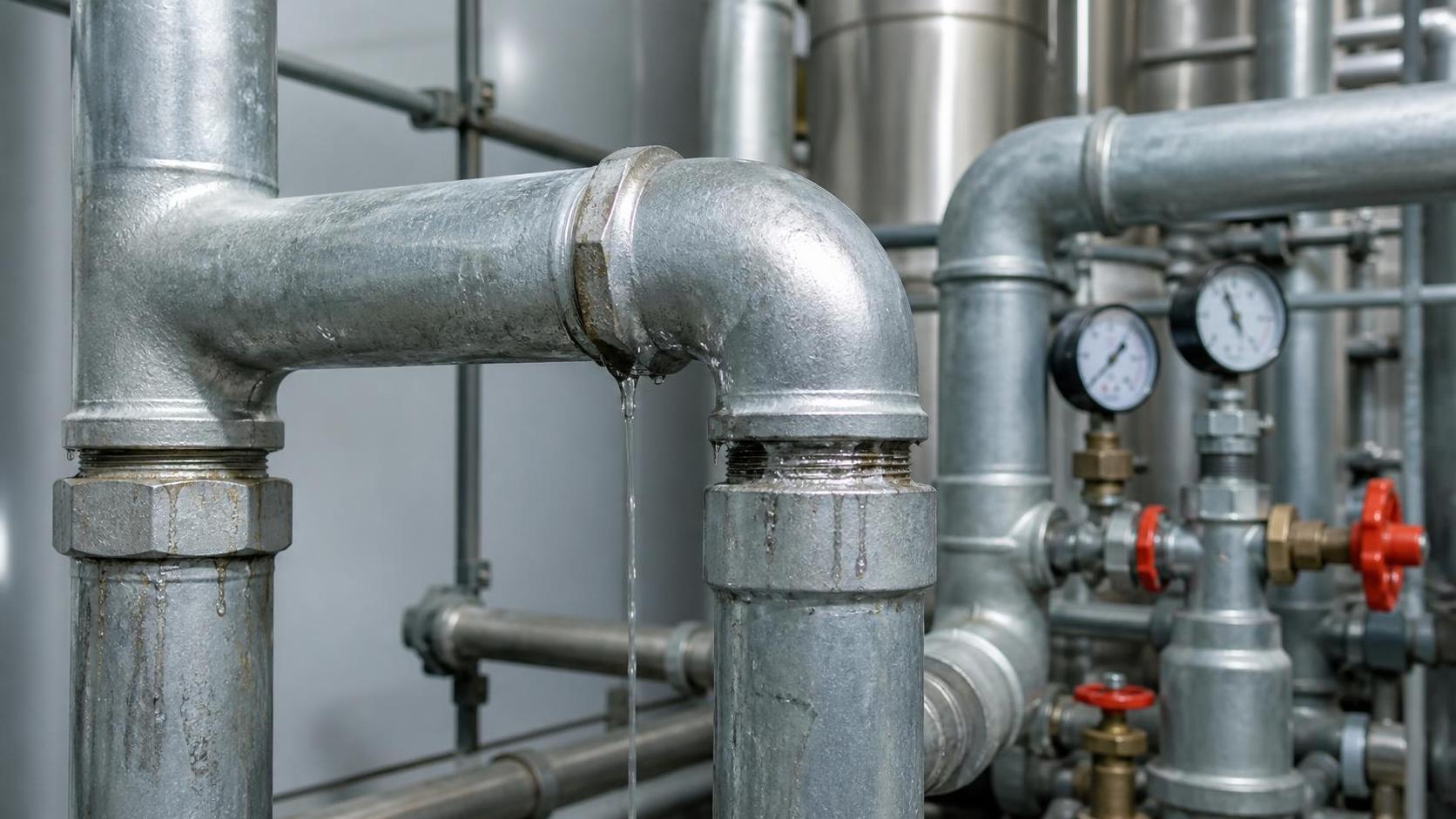
 Common Leak Risks When Using Galvanized Pipe for Plumbing SystemsGalvanized pipe for plumbing can hide corrosion, joint wear, and pressure-related leak risks. Learn the key warning signs, causes, and smart maintenance actions to prevent costly failures.
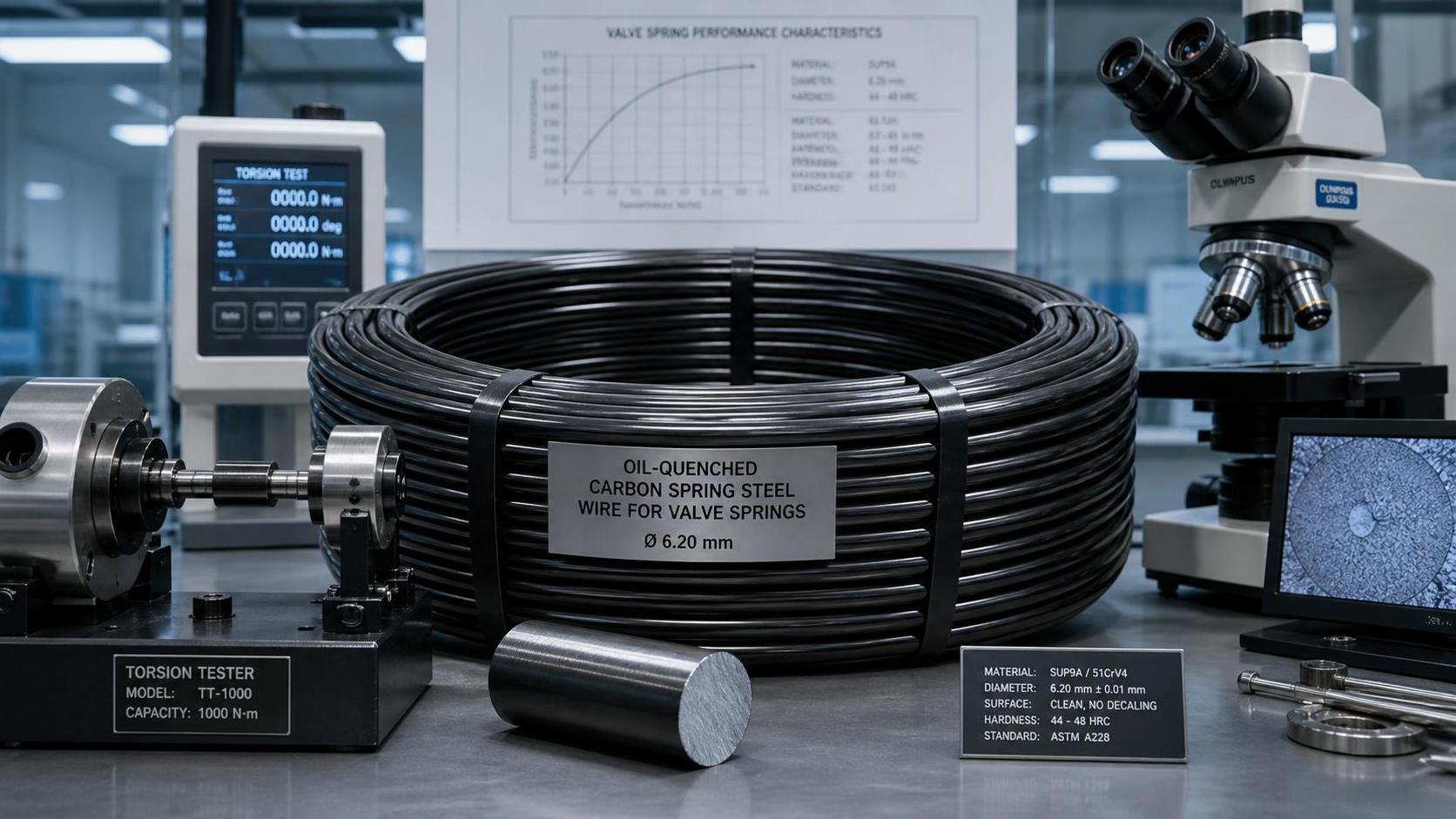
 Oil Tempered Carbon Steel Wire for Valve Spring: What Standards and Tests Matter?Oil tempered carbon steel wire for valve spring: learn which JIS, EN, and ASTM standards, decarburization checks, surface inspections, and fatigue-related tests truly protect spring life.
 Rebar for Foundation: Grade, Cover, and Spacing Mistakes to AvoidRebar for foundation guide: avoid costly grade, cover, and spacing mistakes that weaken durability, bonding, and concrete flow. Learn practical checks before the pour.
 Steel Tubing Dimensions: OD, Wall Thickness, and Gauge DifferencesSteel tubing dimensions explained clearly: compare OD, wall thickness, and gauge differences to avoid sizing mistakes, improve fit, and choose the right steel tube with confidence.
Please give us a message


Please enter what you want to find