ASTM C-beam tolerance problems can cause alignment errors, site rework, and costly installation delays in steel projects. For buyers, engineers, and contractors sourcing ASTM C-beam, galvanized C-beam, or C-beam steel, understanding dimensional control is essential. This article explains the most common tolerance issues, how they affect Steel Construction Material performance, and what to verify when working with a reliable Shandong supplier.
Why ASTM C-Beam Tolerance Problems Create Real Installation Risk
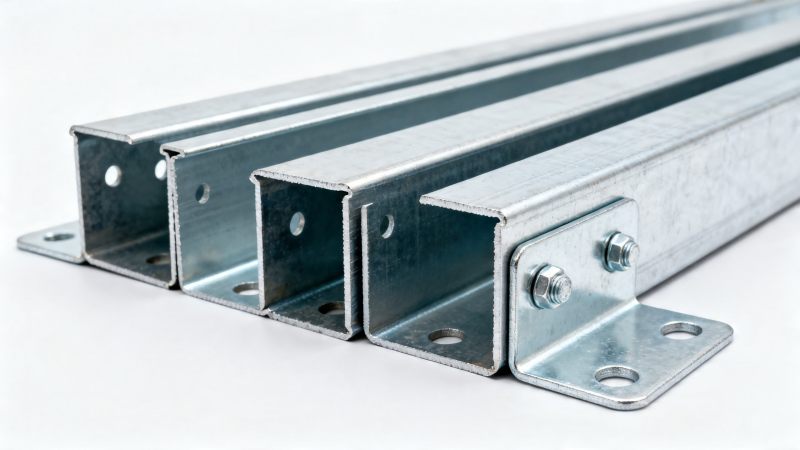
In structural steel projects, small dimensional deviations can create large downstream problems. A C-beam that is only slightly outside tolerance may still look acceptable in the yard, but once it reaches fabrication or site assembly, misalignment becomes visible. Bolt holes no longer line up, web centering shifts, supports need shimming, and crews lose hours correcting avoidable errors.
For project managers and procurement teams, this is not only a quality issue but also a schedule issue. A delay of 1–3 days on one steel frame sequence can affect crane booking, labor utilization, and follow-up trades. In fast-track industrial or commercial jobs, even a tolerance deviation of a few millimeters can disrupt an installation chain built around tight sequencing.
ASTM C-beam tolerance control matters because channel steel is often used in supports, secondary framing, equipment bases, racks, walkways, and connection assemblies. These applications depend on repeatable dimensions across multiple pieces, not just the usability of a single member. When batch consistency is poor, the installation crew faces cumulative error instead of one isolated correction.
For technical evaluators and quality inspectors, the key point is simple: tolerance is part of product performance. Strength grade, coating, and chemical composition matter, but if flange width, web depth, straightness, twist, or length are not controlled within the required range, the beam may still fail the project need even if the steel itself meets basic material standards.
What usually goes wrong first on site?
The first visible problems usually appear during fit-up. In many channel installations, crews check three things within the first 30 minutes: overall depth, flange symmetry, and end squareness. If one of these dimensions drifts across a bundle, the installer often compensates by slotting holes, adding packers, or re-cutting connection plates. That increases labor cost and weakens process control.
- Length deviation can force on-site trimming or produce unsupported gaps at the connection point.
- Excessive twist can prevent proper seating on base plates, brackets, or welded frames.
- Camber or sweep outside the expected range can shift the alignment of connected members over spans of 2–6 meters.
- Galvanizing buildup, if not controlled, can further affect fit in pre-drilled or close-tolerance assemblies.
Which ASTM C-Beam Tolerances Should Buyers and Engineers Check First?
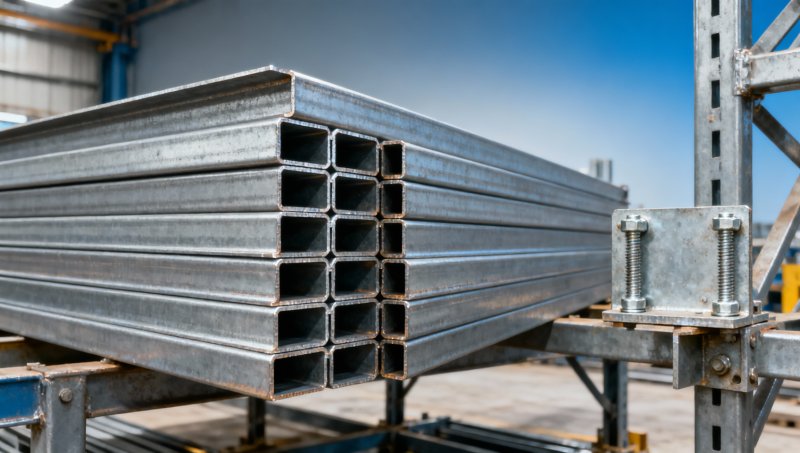
Not every dimensional item carries the same installation risk. Buyers often focus on nominal size and weight, while engineers and fabricators pay more attention to shape accuracy. In practice, the most critical checks usually fall into 5 categories: section depth, flange width, web thickness, straightness, and length. For galvanized C-beam, coating influence should also be reviewed before final acceptance.
A practical incoming inspection plan should separate structural acceptance from installation suitability. A beam may be commercially acceptable under general mill practice yet still be unsuitable for a project using repetitive brackets, modular supports, or pre-punched connection plates. That is why many experienced buyers ask for both standard compliance and project-specific dimensional confirmation before shipment.
The table below highlights common ASTM C-beam tolerance issues that tend to delay installation. The listed impacts reflect typical construction and fabrication scenarios rather than one fixed project condition, so they should be used as a decision aid during sourcing, inspection, and factory communication.
The main lesson from these checks is that tolerance review should happen before loading, not after arrival. Once the material reaches site, correction options become more expensive. For procurement teams handling multi-country supply chains, asking for dimensional inspection photos, random sample measurements, and a clear acceptance checklist can reduce dispute risk and shorten approval time by several days.
How many measurements are practical?
For standard batches, many buyers use a 3-point section check on each sampled beam and a 100% length check for cut-to-length orders. For repetitive project parts, more control is justified. A practical plan may include 5 key checks per sampled piece: depth, flange width, web thickness, straightness, and end squareness. This approach balances inspection cost with installation risk.
Common red flags before acceptance
- Mill certificate is available, but no actual dimensional report is attached.
- Only one sample is measured for a bundle containing dozens of pieces.
- Galvanized members are accepted without checking coating buildup at contact surfaces or holes.
- Transport packaging allows distortion during a 2–5 week export journey.
How to Reduce Delay Risk During Procurement, Fabrication, and Export
Avoiding ASTM C-beam installation delays starts with procurement language. If the purchase order only states nominal size, grade, and quantity, the supplier may follow standard production practice without considering assembly sensitivity. When the project uses modular frames, pre-engineered supports, or welded subassemblies, buyers should define cut length tolerance, straightness expectations, and inspection method in the technical annex.
This is especially important for global sourcing. Export steel can travel through multiple stages over 2–6 weeks, including inland handling, port transfer, container loading, sea transport, and site storage. Even when manufacturing is acceptable, poor bundling or support during transport can introduce sweep, edge damage, or coating defects that affect installation readiness.
Experienced structural steel buyers usually work with suppliers that can support standard compliance and practical project control. Hongteng Fengda, as a structural steel manufacturer and exporter from China, supplies channel steel, steel beams, angle steel, cold formed profiles, and customized structural components for international projects. That combination is useful because dimensional control often needs to match the end-use assembly, not just the standard mill output.
In mixed projects, tolerance planning also matters beyond C-beam itself. For example, lifting, hoisting, and marine-related installations often require corrosion-resistant auxiliary products. In such cases, buyers may coordinate channel steel supports with components like Hot dipped Galvanized Steel Wire Rope for cranes, mining, marine industries, elevators, electric lines, or cableways. Its common diameter range of 1.0mm–22mm and tensile strength range of 1470Mpa to 1960Mpa illustrate how adjacent steel products also depend on specification clarity, coating selection, and working-condition matching.
A practical 4-step procurement control process
- Define the application clearly: state whether the C-beam is for simple support framing, pre-punched assemblies, welded modules, or galvanized site installation.
- Confirm dimensional checkpoints: agree on 4–6 measurable items before production and include them in the order file.
- Request pre-shipment evidence: inspection photos, measured sample records, quantity traceability, and packing condition review.
- Control logistics exposure: use suitable bundling, edge protection, and support spacing to reduce distortion during export handling.
When these 4 steps are followed, the buyer gains clearer accountability at each stage. Fabricators can plan more confidently, finance teams can approve orders with fewer risk assumptions, and installation teams receive material that is closer to plug-in use rather than field-adjusted use. In B2B steel procurement, that difference often determines whether the project runs on schedule or enters a cycle of small but expensive corrections.
What Should You Compare When Choosing a C-Beam Supplier?
Price per ton is important, but it is not the only cost driver. A lower unit price can become more expensive if the project loses installation time, adds rework labor, or needs replacement shipments. For procurement managers, technical evaluators, and business decision-makers, supplier comparison should cover at least 6 areas: standard compliance, dimensional consistency, coating control, export packing, communication speed, and customization capability.
This comparison is especially relevant when the buyer needs ASTM C-beam together with related structural steel products in one sourcing program. A supplier with broader manufacturing coverage can coordinate specifications more efficiently across channels, beams, angles, and fabricated components. That reduces interface mistakes between different steel items and makes drawing review faster.
The table below can help procurement and project teams evaluate C-beam steel suppliers beyond basic quotation numbers. It focuses on decision points that affect total project cost, not only purchase price.
A comparison like this helps decision-makers see where hidden cost usually sits. For example, one rejected batch or one missed erection slot can erase the savings from a lower FOB price. That is why many international buyers prefer suppliers that combine manufacturing capability, quality control discipline, and export experience under one service flow.
Questions worth asking before placing an order
- Can the supplier provide ASTM, EN, JIS, or GB compliant production according to the target market?
- Can critical dimensions be checked by batch and shared before shipment?
- Is OEM or customized structural steel support available for project-specific assemblies?
- What is the usual lead time range for standard sizes versus customized cut lengths, such as 2–4 weeks or longer depending on workload?
FAQ: ASTM C-Beam Tolerance, Galvanizing, and Installation Decisions
The following questions reflect common concerns from buyers, engineers, quality teams, distributors, and contractors. They also cover the issues most likely to affect supplier approval, project scheduling, and final installation efficiency.
How do ASTM C-beam tolerance issues usually show up during installation?
They usually appear as fit-up problems rather than visible material failure. Common signs include hole mismatch, beam seat rocking, gap variation, and line deviation across repeated members. On projects with modular framing or repetitive supports, these problems often show up within the first installation sequence of 5–20 pieces and then repeat across the batch.
Is galvanized C-beam more likely to create fit problems?
Not necessarily, but it requires more attention. Hot-dip galvanizing adds coating thickness and may affect hole edges, contact faces, and localized geometry if the original fabrication tolerance is already tight. For close-fit assemblies, buyers should confirm whether dimensions are checked before galvanizing only, or before and after galvanizing. That difference can be critical in steel construction material planning.
What should procurement teams ask for besides the mill test certificate?
At minimum, ask for a dimensional inspection record, a packing list with traceable lengths and quantities, and production or loading photos for sampled bundles. For sensitive orders, request 3 types of evidence: section measurements, straightness check results, and end-condition photos. These documents help purchasing, QA, and finance teams evaluate risk before the goods leave the factory.
When is customization more valuable than buying standard stock?
Customization is often more valuable when the project uses fixed cut lengths, special hole patterns, welded accessories, or repeated assemblies where labor savings matter. If a site team would otherwise spend hours trimming, drilling, or correcting alignment on each batch, a customized solution may lower total installed cost even if the initial unit price is higher.
Why Work With a Structural Steel Exporter That Understands Tolerance Control?
For global buyers, the strongest supplier is not simply the one that can roll steel. It is the one that understands how steel will be fabricated, shipped, installed, and inspected in the destination market. That is particularly important for ASTM C-beam, galvanized C-beam, and other structural steel products that must work inside a larger assembly system with limited tolerance for field correction.
Hongteng Fengda supports international projects with structural steel manufacturing and export services from China, including angle steel, channel steel, steel beams, cold formed steel profiles, and customized structural steel components. With modern manufacturing facilities and quality control processes aligned with major international standards such as ASTM, EN, JIS, and GB, the focus is not only supply volume but supply usability.
If you are comparing suppliers for C-beam steel or related steel construction material, it is worth discussing more than price. You can ask about dimensional checkpoints, project-specific tolerance control, galvanizing considerations, OEM support, sample review, packaging for export, and realistic lead time planning. These are the details that help reduce sourcing risk and keep installation on track.
For your next project, you can contact us to confirm section parameters, evaluate suitable ASTM C-beam or customized channel options, review coating and compliance needs, discuss sample support, and request a quotation based on delivery schedule and application conditions. This makes the buying process clearer for technical teams, purchasing departments, project managers, and final decision-makers alike.
Please give us a message


Please enter what you want to find