When it comes to carbon steel for heavy machinery, ensuring optimal strength, durability, and performance is essential for demanding industrial environments. As a leading structural steel manufacturer and exporter, Hongteng Fengda provides customized solutions including steel channels, beams, and profiles suitable for applications such as chemical plants, infrastructure projects, and large-scale manufacturing equipment. This article explores best practices for selecting and using carbon steel to enhance machinery reliability and extend operational lifespan. In today’s global steel industry, heavy machinery applications represent one of the most technical fields, where steel performance directly affects safety, productivity, and cost-efficiency. Engineers, production managers, and buyers alike need systematic knowledge of how to choose and handle materials to maximize long-term benefits while minimizing maintenance challenges.
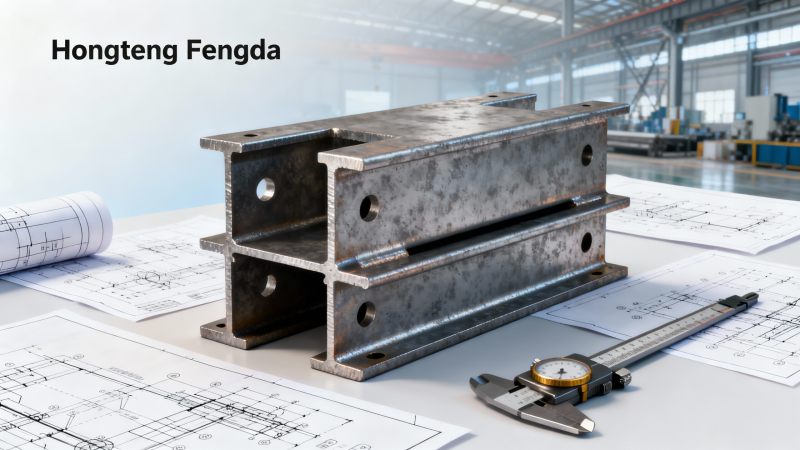
Understanding the Role of Carbon Steel in Heavy Machinery
Carbon steel is an indispensable material in mechanical engineering, particularly in earth-moving machines, construction equipment, and energy-related devices. It offers high tensile strength, controlled hardness, and excellent fatigue resistance, all critical for components that endure cyclic stresses or high load-bearing conditions. When manufacturing large-scale structures such as cranes, excavators, or industrial presses, carbon steel guarantees stable mechanical properties under varying environmental conditions. The carbon content in steel, typically between 0.2% and 2.1%, determines its hardness and ductility. Adjusting alloy composition allows manufacturers to balance machinability with performance. For instance, steel rebar for infrastructure projects often uses low to medium carbon grades for flexibility, whereas carbon steel for chemical plants demands high corrosion resistance and toughness to withstand high temperatures and chemical exposure. Global standards such as ASTM, EN, and JIS provide mechanical and chemical specifications to ensure consistent quality and global interchangeability. Hongteng Fengda, as a certified producer, adheres to these standards, offering steel profiles not only for machinery frames but also for specialized parts like gears, shafts, and rollers. Their compliance with multiple certifications ensures buyers can confidently integrate products into complex engineering systems without concern for compatibility or durability issues.
Design and Selection Best Practices for Carbon Steel
Selecting the right carbon steel grade requires consideration of factors such as load capacity, environmental exposure, manufacturability, and lifecycle maintenance. Too often, equipment failure occurs because of mismatched steel grades or improper processing. Engineers should start with a comprehensive design analysis, outlining stress concentration points, expected deformation, and thermal cycles. For instance, steel channel for shelving systems and steel channel for mezzanine flooring both depend on section geometry and yield strength to maintain structural integrity during continuous operation. One recommended practice is to classify components by criticality. Primary load-bearing components may utilize heat-treated high-strength steel, while secondary parts can use more economical mild steel. Modern machinery increasingly employs hybrid designs, combining forged, welded, and cast elements. Carbon steel adapts well to such designs because its compatibility with various fabrication processes—including welding, bending, machining, and surface coating—ensures manufacturing flexibility. Additionally, surface finishing plays a vital role in long-term performance. Finishes like oiling, passivation, galvanizing, or lacquer sealing provide protection against oxidation and wear. For example, Hongteng Fengda supplies the Q235 Carbon Steel Round Bar, which features excellent strength, wear resistance, and multiple surface treatment options such as transparent oil and anti-rust coatings. It is suitable for both construction and mechanical manufacturing applications, giving project designers adaptable materials for different engineering contexts.
Fabrication, Welding, and Quality Control Considerations
After selecting the right carbon steel, proper fabrication and strict quality control determine whether a component can achieve its designed performance. Welding remains one of the most common joining techniques, but poor heat control can create residual stress or microstructural inconsistencies. Preheating, controlled cooling, and post-weld inspection are essential steps, especially for thick or high-strength materials used in machinery arms, shafts, or support frames. To ensure reliability, non-destructive testing methods such as ultrasonic inspection, magnetic particle testing, or radiography should be integrated into production lines. Surface flatness, internal voids, and micro-cracks must be identified and corrected before the steel is approved for assembly. Advanced fabrication technologies, including automated CNC machining and robotic welding, further enhance process stability and reduce human errors. Hongteng Fengda’s facilities employ digital tracking of material batches, ensuring full traceability from raw steel billet to finished structural component. Each batch of carbon steel for heavy machinery undergoes tensile testing, hardness evaluation, and impact toughness measurement. Their investment in precision manufacturing allows engineers to confidently use metals that meet or exceed industry benchmarks, aligning perfectly with critical applications like steel rebar for highway construction, steel sheet for roofing, or steel profile for stadium construction.
Application Insights and Industry Case Studies
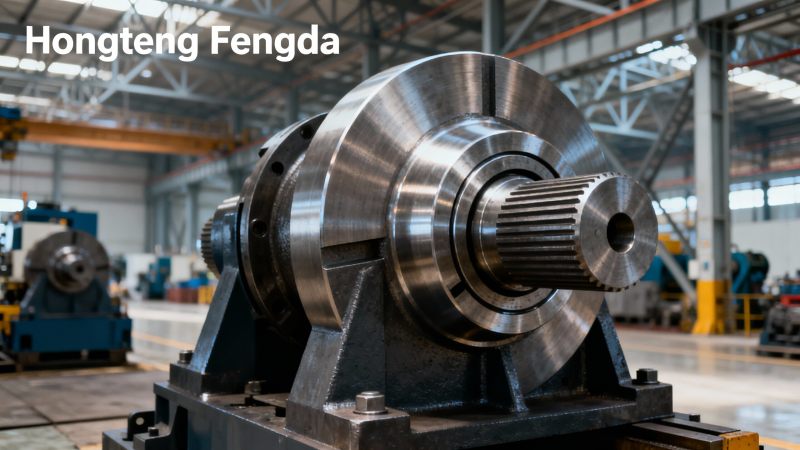
In real-world heavy machinery operations, carbon steel proves its value through reliability and cost-efficiency. Take mining excavators as an example: each moving joint and structural arm is subjected to constant stress cycles. Using precisely selected steel grades ensures high fatigue resistance while minimizing weight-to-load ratios. In chemical processing plants, corrosion-resistant coatings further extend service life when used in hot or acidic environments. Case studies from Hongteng Fengda’s international projects demonstrate strong results. In Europe, steel bars based on Q235 were integrated into automated handling systems operating under continuous vibration. The mechanical reliability increased equipment uptime by 18%. In Southeast Asia, structural steel channels were implemented in frame housing for production conveyors, providing outstanding durability in tropical humidity conditions. Additionally, riverbank construction projects use steel pile for riverbank protection to maintain stability under water pressure and cyclic erosion. These same engineering principles apply when reinforcing foundations for towers, as seen in steel bar for transmission towers applications. The unified material performance across such diverse applications reinforces the versatility of carbon steel and stresses the necessity of disciplined design and manufacturing practices. The same robustness can be obtained with Hongteng Fengda’s Q235 Carbon Steel Round Bar, available in multiple diameters (5–2500mm) and lengths (2m–12m), customizable for heavy machinery, railing, staircase, or industrial systems.
Future Trends and Sustainability in Carbon Steel Use
Looking ahead, sustainability and digitalization are reshaping how the steel industry approaches heavy machinery manufacturing. Eco-friendly smelting processes, scrap recycling, and low-carbon emissions are now part of global corporate responsibility. China’s steel exporters, including Hongteng Fengda, integrate environmental compliance with efficient production methods to meet evolving international standards. On the technical side, the emergence of high-strength, low-alloy steels and refined carbon control technologies is expanding the mechanical possibilities of traditional carbon steel. Smart design systems use simulation software to model structural response before production, reducing waste and optimizing geometry. Innovations like digital twins or predictive maintenance are increasingly relevant for operators using carbon steel for heavy machinery to maintain uptime and safety. Moreover, the shift toward data-driven manufacturing allows continuous monitoring of steel performance over time. Sensors embedded in machinery frames can detect strain and temperature fluctuations, helping engineers adjust operational parameters before failures occur. As the industry continues advancing, combining classic metallurgy knowledge with modern analytics will create carbon steel systems that are not only stronger but also more sustainable and intelligent in performance.
Conclusion and Call to Action
To summarize, best practices for using carbon steel in heavy machinery focus on material selection, precise fabrication, and proactive maintenance. Engineers should align mechanical specifications with application requirements, considering factors such as load profile, environment, and lifecycle cost. With robust products like structural beams, steel channels, and customizable bars, Hongteng Fengda empowers industrial clients to achieve high performance across global projects. Whether you’re sourcing carbon steel for chemical plants, planning steel rebar for infrastructure projects, or developing advanced mechanical systems, choosing a reliable supplier ensures long-lasting results. Hongteng Fengda’s exports, certified to ASTM, EN, JIS, and GB standards, combine excellent strength, wear resistance, and consistent delivery timelines. By integrating material expertise with global service capabilities, the company continues to be a trusted partner for structural steel users worldwide. Contact Hongteng Fengda today to learn more about custom-engineered carbon steel for heavy machinery solutions that enhance reliability, safety, and efficiency in your next industrial project.
- structural steel channel
- steel i
- structural steel
- steel profiles
- Structural Steel
- Profile
- Rebar
- Steel Channel
- carbon steel
- steel sheet
- steel rebar
- steel profile
- steel pile
- steel bar
- steel round bar
- steel rebar for infrastructure projects
- carbon steel for heavy machinery
- Steel Channel for mezzanine flooring
- steel bar for transmission towers
- steel pile for riverbank protection
- steel profile for stadium construction
- steel rebar for highway construction
- steel sheet for roofing
- carbon steel for chemical plants
- Steel Channel for shelving systems
Related recommendations
 The Ultimate Procurement Hub: How a Full-Spectrum Steel Portfolio Empowers Global Industrial SuccessIt covers a wide range of steel products, including steel plates, steel coils, profiles, and steel gratings, to meet diverse needs.
 The Vertical Integration Advantage: Why Full-Process Production is the Gold Standard for Global Steel SourcingIt possesses complete production technologies and equipment for coking, sintering, steelmaking, and rolling, forming a systematic production system.
 The Global Steel Pulse: Bridging Continents with Precision Engineering and Unrivaled Supply Chain ExcellenceOur products sell well throughout China and are exported to North America, Europe, the Middle East, and other parts of the world, covering a wide market.
 Velocity of Value: How Precision Processing and Rapid-Response Logistics Redefine the Global Steel Supply ChainEquipped with advanced leveling equipment and relying on a robust logistics system, we can respond to customer needs at any time.
Please give us a message


Please enter what you want to find