As 2026 approaches, the market for L-shaped steel is sending clear signals for buyers, engineers, and project planners. From L shape mild steel and angle iron to broader Steel Construction Material demand, shifting construction activity, pricing pressure, and global sourcing trends are reshaping purchasing decisions. Understanding these changes helps businesses evaluate supply stability, cost control, and long-term project value.
What is the market really signaling for L-shaped steel in 2026?
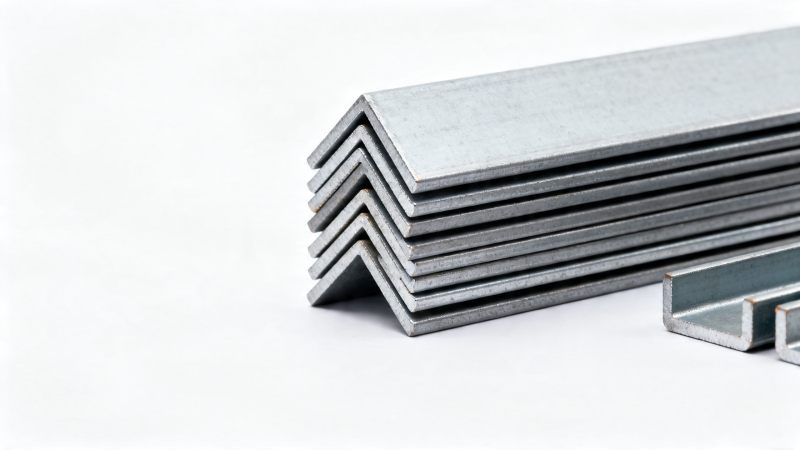
The 2026 outlook for L-shaped steel is not defined by a single trend. It is shaped by 3 combined signals: steady infrastructure demand, tighter cost scrutiny, and stronger requirements for specification accuracy. For buyers of angle steel, angle iron, and structural profiles, the market is becoming less tolerant of procurement mistakes that create delays, rework, or material mismatch.
In practical terms, project teams are paying closer attention to section size, steel grade, coating needs, and lead time reliability. A purchasing manager may no longer ask only for the lowest unit price. Instead, they often compare 4 core indicators: compliance with ASTM, EN, JIS, or GB standards, dimensional consistency, shipment schedule, and total landed cost over 2–8 weeks of project execution.
For distributors and contractors, another signal is clear: demand is becoming more segmented. Standard equal angle sections still move in volume, but customized structural steel components, cold formed profiles, and project-specific steel packages are gaining importance. This matters for enterprises that need one supplier capable of both standard supply and OEM support.
For technical evaluators and quality teams, 2026 is also a year of stricter qualification. Many projects now require not only material certificates, but also better coordination on tolerances, surface condition, packing, and traceability. This favors manufacturers with modern production facilities, stable process control, and international export experience across North America, Europe, the Middle East, and Southeast Asia.
Why are buyers becoming more selective?
The reason is simple: structural steel errors are expensive. A wrong leg dimension, unsuitable steel grade, or delayed shipment can affect installation sequences, fabrication schedules, and site labor efficiency. In large projects, even a 7–15 day disruption can raise indirect costs well beyond the original material savings.
- Construction and industrial buyers want stable supply, especially for recurring angle steel and beam orders.
- Engineering teams want clear grade and dimensional matching before fabrication begins.
- Finance and business reviewers want cost visibility across material price, freight, packaging, and delivery risk.
- Project managers want suppliers that can support both standard sections and custom structural solutions.
This is where a specialized structural steel manufacturer and exporter from China can create value. Hongteng Fengda focuses on angle steel, channel steel, steel beams, cold formed steel profiles, and customized structural steel components, helping global buyers reduce sourcing risk while keeping supply continuity under control.
Which demand drivers will shape angle steel and L shape mild steel purchasing?
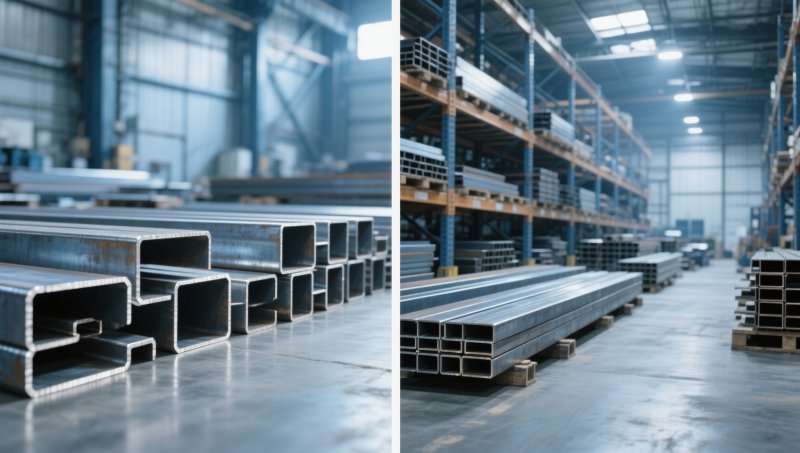
Demand for L-shaped steel in 2026 will come from several overlapping application groups. The strongest base remains structural use in buildings, factories, support frames, platforms, brackets, and reinforcement assemblies. However, growth quality matters more than simple volume. Buyers are increasingly asking whether a product fits fabrication efficiency, corrosion exposure, and the expected service life of the installation.
Across many markets, demand is also influenced by replacement cycles and budget constraints. When project owners face cost pressure, they may shift from oversized sections to more precisely engineered specifications. That creates a stronger need for supplier-side support on material matching, section recommendation, and export coordination during the first 2–4 weeks of inquiry and technical review.
Another important driver is the broadening use of coated steel in complementary applications. While L-shaped steel is central to structural framing and connection work, many buyers also source roofing, cladding, and industrial sheet materials in the same procurement cycle. In such mixed packages, compatibility of supply, standard control, and shipment planning can directly influence total project efficiency.
That is why some buyers evaluating angle steel packages also review coated products such as DX51D Galvalume Steel Coil for roofing, commercial use, household appliance, industrial, and food storage applications. With typical thickness options from 0.23mm to 3.0mm, width ranges of 900mm to 1250mm, AZ40–AZ150 coating, and heat resistance up to 315°C, this type of Aluzinc steel can support broader steel construction material planning where corrosion resistance and reflectivity matter.
Where is L-shaped steel demand most likely to stay resilient?
Resilient demand usually comes from applications where structural support, connection simplicity, and fabrication familiarity remain important. This includes small and mid-sized commercial buildings, equipment bases, light industrial structures, warehouse reinforcements, transmission supports, and maintenance platforms. In these segments, angle steel remains cost-effective and widely understood by fabricators and installers.
The table below summarizes typical demand patterns by application type and what buyers usually focus on during procurement.
The key reading is that demand remains healthy where structural function is clear and installation speed matters. But each application group values different things. A distributor may prioritize reorder consistency every month, while an EPC contractor may focus on one-time batch completeness and milestone delivery within a 3-stage construction schedule.
How should buyers compare L-shaped steel options in a tighter market?
When the market becomes more selective, comparison must go beyond simple unit price. The better method is to review angle steel and related steel construction material through 5 decision dimensions: section suitability, mechanical requirement, surface protection, certification compatibility, and supply execution. This helps procurement, engineering, and finance teams work from the same evaluation logic.
For example, standard mild steel angle may be suitable for indoor dry-use frames, while projects in humid, coastal, or industrial exposure conditions may need stronger corrosion planning, additional treatment, or alternative coated materials for adjacent building envelope systems. Comparing these decisions at the quotation stage reduces late-stage redesign and cost escalation.
The table below offers a practical comparison framework for common buyer discussions. It is not a replacement for engineering design, but it helps cross-functional teams identify the right questions before issuing a purchase order.
This comparison shows why many professional buyers do not separate technical review from commercial review. Lower upfront pricing can still produce higher project cost if the steel package causes cutting loss, re-fabrication, coating incompatibility, or shipment fragmentation across multiple suppliers.
A practical 4-step procurement checklist
- Confirm section details: leg size, thickness, length range, and whether equal or unequal angle is required.
- Match the standard and grade: ASTM, EN, JIS, or GB should align with the project specification and destination market.
- Clarify delivery scope: raw material only, cut-to-length, drilled, bundled, or mixed with channels, beams, and other structural profiles.
- Review shipping and inspection: expected production window, packing method, mill test documents, and pre-shipment verification points.
For many overseas buyers, this 4-step process shortens internal approval time because engineering, procurement, and finance can validate the same data set before final negotiation.
What technical and compliance factors should not be overlooked?
In structural steel purchasing, overlooked details often create the biggest downstream problems. For L-shaped steel, the most common issues relate to section tolerance, straightness, grade substitution, packing damage, and missing documentation. These may sound minor at the order stage, but they can affect site installation, welding preparation, and inspection acceptance.
Technical reviewers should check 5 points before approval: applicable standard, material grade, section dimensions, surface condition, and traceability documents. Quality and safety teams should also confirm whether the steel will be used in dry indoor environments, outdoor structural frames, or corrosive industrial areas, because exposure conditions can change the acceptable material and coating decision.
For projects combining structural members with coated steel products, coordination becomes even more important. For example, where roofing or heat-reflective sheet systems are part of the same package, buyers may compare material interfaces, temperature resistance, and corrosion behavior. Products like DX51D Galvalume Steel Coil are commonly considered in these adjacent applications because they comply with JIS, EN, and ASTM standards and offer features such as anti-fingerprint surface treatment, chromate treatment, and Aluzinc coating ranges from 20g/m2 to 165g/m2.
This does not mean all projects need the same material strategy. It means buyers should align structural steel and coated steel decisions within one project logic, especially when procurement packages cover 2 or more material categories and delivery milestones are tightly linked.
Standards and review points by buyer role
The table below helps different stakeholders focus on the right compliance questions during technical and commercial evaluation.
A structured review process like this helps prevent one of the most common errors in steel sourcing: technical acceptance based on a commercial quote that does not fully reflect fabrication, inspection, or shipping requirements.
How can buyers reduce risk, control cost, and plan supply more effectively?
Cost control in 2026 will depend less on chasing the lowest offer and more on preventing avoidable waste. In steel purchasing, avoidable waste usually comes from 4 sources: over-specification, under-specification, fragmented sourcing, and poor delivery coordination. Each one can increase total cost through extra fabrication time, logistics inefficiency, or approval delays.
A more effective strategy is to define the project into 3 planning layers. First, identify standard sections that can be ordered in recurring volume. Second, separate custom or drawing-based items that need engineering confirmation. Third, align related steel construction materials into shipment groups, so production and container loading support the installation schedule rather than disrupt it.
This approach is especially useful for project managers, distributors, and overseas buyers who need stable lead times. A supplier with modern manufacturing facilities and strict quality control can help consolidate angle steel, channels, beams, cold formed profiles, and customized structural parts under one coordinated export plan. That lowers communication gaps and shortens response cycles during urgent procurement windows.
Hongteng Fengda supports this type of sourcing model by supplying both standard specifications and OEM solutions, with experience serving customers across North America, Europe, the Middle East, and Southeast Asia. For buyers, this means one partner can assist with parameter confirmation, compliance alignment, stable production capacity, and dependable lead-time planning instead of leaving each task to a separate vendor.
Common misconceptions that raise procurement risk
“If the size looks right, the steel is interchangeable.”
Not always. Section dimensions may be similar while grade, tolerance, standard basis, or processing suitability differ. This becomes critical when steel is welded, drilled, or used in regulated project environments.
“The lowest material price always saves money.”
Not if delivery delays, packaging damage, or dimensional inconsistency create rework. A 5% material saving can quickly disappear if installation crews lose several working days waiting for replacement stock.
“Standard products and custom products should be sourced separately.”
In some cases, separate sourcing helps. But for many international buyers, combining them under one experienced structural steel supplier improves coordination, especially when projects run on 2–3 delivery milestones and documentation must stay consistent.
FAQ and next-step guidance for 2026 steel sourcing
Many buyers researching L-shaped steel in 2026 are not only comparing products. They are trying to reduce uncertainty before committing budget, approving a vendor list, or locking a project schedule. The questions below reflect the most common decision points in structural steel sourcing.
How do I choose between standard angle steel and customized structural steel?
Choose standard angle steel when your application uses common section sizes, simple fabrication, and recurring demand. Choose customized structural steel when the project includes drawings, connection details, hole patterns, assembly constraints, or mixed structural packages. If your order includes 2 or more profile types, it is usually worth asking for a coordinated quotation rather than buying item by item.
What should procurement teams confirm before requesting a quote?
At minimum, confirm 6 items: standard, grade, dimensions, quantity, surface requirement, and destination port. If processing is needed, add cut length, hole details, drawing files, and packing method. This can significantly reduce quotation revisions over the first 3–5 business days of supplier communication.
What lead time is typical for structural steel export orders?
Lead time depends on section type, quantity, customization level, and shipping route. For many export orders, buyers often plan around production and shipment windows measured in weeks rather than days. The best practice is to confirm required delivery milestones early and separate urgent stock items from project-made items before order finalization.
Why do quality and compliance checks matter so much in 2026?
Because market competition is tighter and project tolerance for mistakes is lower. A compliant steel package protects installation quality, inspection approval, and long-term service performance. It also gives finance and management teams a clearer basis for vendor approval when comparing quotes from multiple regions.
Why choose us for L-shaped steel and related structural steel supply?
Hongteng Fengda combines structural steel manufacturing and export experience with a product range that covers angle steel, channel steel, steel beams, cold formed steel profiles, and customized structural steel components. For buyers, this means practical support on specification confirmation, OEM requirements, standard compliance, and mixed-product sourcing instead of a single-item sales approach.
If you are evaluating L-shaped steel demand for 2026, you can contact us for section and grade matching, product selection, delivery cycle discussion, customized structural solutions, certification requirement review, sample support, and quotation comparison. This is especially useful when your project must balance cost control, supply stability, and international compliance in one purchasing decision.
Please give us a message


Please enter what you want to find