In 2026, inox plate demand is accelerating across construction, industrial fabrication, energy, and export-driven manufacturing, with some markets placing orders far faster than others. For business decision-makers, understanding where growth is strongest can improve sourcing timing, control cost risks, and secure more reliable supply in an increasingly competitive global steel market.
For procurement directors, project owners, and manufacturing leaders, the key issue is no longer only price per ton. The bigger question is where inox plate orders are rising quickly enough to tighten mill schedules, extend lead times by 2–6 weeks, and shift negotiating power toward suppliers. In sectors with strict corrosion resistance requirements, delayed purchasing can quickly affect project delivery, fabrication planning, and export commitments.
This matters especially for buyers managing cross-border steel sourcing. Companies serving construction, industrial systems, OEM production, and infrastructure are increasingly balancing stainless demand with broader steel package procurement. A supplier able to support structural steel, customized steel components, and related sheet or coil needs can reduce transaction complexity and lower the risk of fragmented delivery schedules.
Where inox plate orders are increasing fastest in 2026
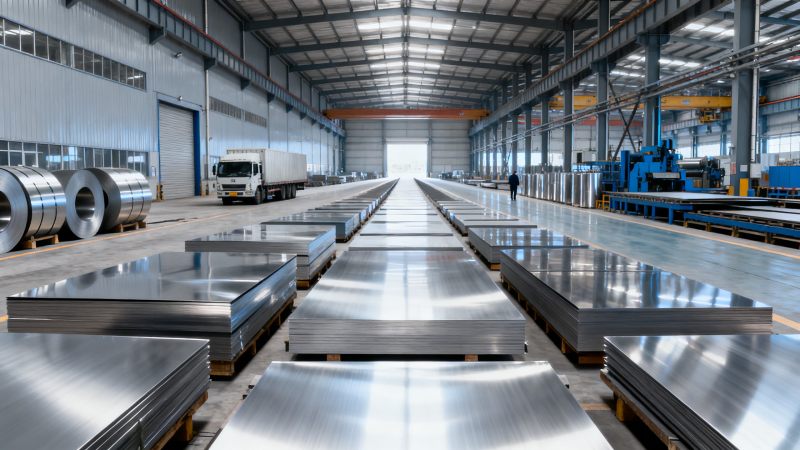
The fastest-growing inox plate demand in 2026 is not evenly distributed. Orders are expanding most rapidly in 4 practical areas: industrial construction, energy-related fabrication, food and water processing equipment, and export manufacturing hubs. In these segments, purchase cycles are becoming shorter, and buyers are placing forward orders 30–90 days earlier than in more stable categories.
Construction projects with higher durability requirements
In premium commercial buildings, transport terminals, coastal developments, and public-use facilities, inox plate is gaining share because maintenance costs over 10–20 years matter more than initial material savings. Architects and EPC contractors increasingly specify corrosion-resistant materials for façade supports, drainage zones, cladding substructures, and exposed service equipment in aggressive environments.
Growth is strongest in coastal and humid regions where carbon steel requires heavier protective treatment and more frequent maintenance. In practical procurement terms, that means buyers are not only asking for grade availability, but also checking thickness tolerance, flatness, surface finish, and compatibility with downstream cutting, welding, and forming operations.
Industrial fabrication and process equipment
Factories producing tanks, ducts, housings, conveyors, enclosures, and machine components are increasing inox plate consumption because uptime and hygiene requirements are stricter than before. In industries such as food processing, pharmaceuticals, water treatment, and light chemical systems, even a 1–2 week delay in plate availability can interrupt workshop sequencing and final assembly.
Order growth is also linked to replacement cycles. Plants built 8–15 years ago are now entering refurbishment phases, and many operators prefer longer-life corrosion-resistant materials to reduce shutdown frequency. That creates a steady stream of medium-volume, repeat orders rather than only large one-time projects.
Energy, environmental, and export manufacturing demand
Energy-related fabrication is another clear growth point. Equipment for water handling, exhaust systems, enclosures, structural supports, and outdoor industrial applications often requires steel that can perform under heat, moisture, or chemically exposed conditions. Even when inox plate is not the only material in the bill of materials, it is often a critical item that controls production scheduling.
At the same time, export-driven manufacturers in Southeast Asia, the Middle East, and selected European supply chains are placing orders faster to secure stable inputs. Many are building 2-source or 3-source procurement strategies, combining local stock with imported material to protect against spot-market volatility and sudden freight disruption.
The table below shows where inox plate demand is growing faster and what that means for purchasing teams.
The main conclusion is straightforward: inox plate demand is rising fastest where downtime, corrosion risk, and export commitments have direct financial consequences. Buyers in these sectors should expect tighter production slots and should align material booking with project milestones, not only with spot price movements.
What is pushing inox plate demand higher
Several practical forces are driving faster inox plate ordering in 2026. First, lifecycle cost analysis is becoming more common in B2B procurement. A plate material that costs more upfront may still win if it reduces repainting, replacement, corrosion-related claims, or shutdown maintenance over a 5–15 year operating period.
Shift from initial price to total operating cost
Many decision-makers are comparing steel options based on installation, maintenance, and durability rather than purchase price alone. This is particularly relevant when inox plate is used in humid plants, washdown environments, marine-adjacent facilities, and public infrastructure. In those cases, lower maintenance frequency can offset a higher initial material budget within a few years.
More complex project specifications
Specifications are also becoming more detailed. Buyers increasingly request compliance with ASTM, EN, JIS, or GB frameworks, along with clearer expectations for thickness range, finish consistency, and fabrication suitability. Once requirements become tighter, available supply narrows, and orders naturally concentrate on mills or exporters that can deliver consistent quality documentation and production control.
How this affects mixed-material procurement packages
Many industrial buyers do not purchase inox plate in isolation. They often combine stainless materials with structural sections, cold formed steel profiles, channels, beams, or customized steel components. This is where experienced Chinese steel manufacturers and exporters can create value by coordinating production across multiple product lines and reducing communication across 4–6 separate suppliers.
For example, some building and equipment projects use inox plate in corrosion-sensitive areas while relying on coated steel for roof, wall, and enclosure systems. In such cases, Color Coated Galvalume Steel Coil PPGL can complement broader steel procurement thanks to its heat resistance, corrosion resistance, and processing flexibility. Typical specifications include 0.13mm–0.8mm thickness, 600mm–1250mm width, PE/SMP/HDP/PVDF paint systems, and customizable RAL colors for construction, transportation, appliances, and furniture-related applications.
This kind of inserted material planning is useful because project owners increasingly want one sourcing strategy for structural performance, exterior durability, and manufacturing efficiency. Whether the package includes angle steel, channels, beams, cold formed sections, or coated coil, the same procurement logic applies: reliable output, quality consistency, and lead-time control matter more when market demand is accelerating.
How business buyers should evaluate suppliers in a faster market
When inox plate orders are growing quickly, supplier evaluation needs to go beyond quotations. A practical framework usually includes 4 core dimensions: production capacity, standards compliance, delivery reliability, and response speed for customization. A low quote can become expensive if it leads to rework, shipment delays, or inconsistent material across batches.
Four procurement checks before placing volume orders
- Confirm available thickness, finish, and tolerance ranges for your required application.
- Verify support for international standards such as ASTM, EN, JIS, or GB where applicable.
- Review normal lead times, rush-order capability, and shipment planning for 20-foot or 40-foot container loading.
- Check whether the supplier can coordinate related structural steel or OEM steel components in the same sourcing program.
The next table can help decision-makers compare suppliers more effectively when inox plate demand is tightening.
The strongest suppliers in a fast market are not simply those with stock. They are the ones that can maintain stable production, communicate clearly, and support multi-item steel packages without creating bottlenecks between design approval, fabrication, and shipment.
Why integrated steel sourcing matters
For many enterprise buyers, the real cost is not only in material itself but in procurement complexity. Hongteng Fengda, as a structural steel manufacturer and exporter from China, serves buyers that need angle steel, channel steel, steel beams, cold formed steel profiles, and customized structural steel components alongside dependable export coordination. For international projects, this kind of integrated capability can help reduce sourcing risk and improve schedule predictability.
A supplier familiar with global market expectations can also help buyers align material choices with practical project needs, whether the requirement is standard specification supply, OEM solutions, or coordinated delivery for construction and industrial applications. In a market where inox plate demand is growing faster in selected sectors, that coordination advantage becomes more valuable, not less.
Practical sourcing strategies for 2026
Business buyers do not need to predict every price movement to manage inox plate procurement well. What they do need is a disciplined sourcing plan. In 2026, the most effective buyers are likely to combine 3 actions: earlier forecasting, flexible specification planning, and supplier diversification with clear execution rules.
Build a 60–90 day visibility window
If your projects involve corrosion-sensitive applications, a 60–90 day material forecast is often more useful than last-minute spot buying. This does not mean locking all volume at once. It means identifying critical grades, thicknesses, and delivery phases early enough to reserve production or compare alternative schedules before mills become congested.
Separate critical items from flexible items
Not every material line carries the same risk. Buyers should classify products into at least 2 groups: critical-path items that can stop production if delayed, and flexible items that can be sourced later or substituted within approved engineering limits. In many projects, inox plate belongs to the first group even when its total tonnage is smaller than structural sections.
Common mistakes to avoid
- Waiting for the lowest spot price while lead times extend beyond the project milestone.
- Comparing quotations without checking standards, inspection scope, or packaging details.
- Using too many suppliers for related steel items and creating coordination gaps.
- Failing to confirm whether export documents and shipment schedules match destination requirements.
The companies that handle 2026 best will be those that treat inox plate as part of a broader supply chain decision, not only as a line item on a price sheet. Demand is growing faster where durability, hygiene, corrosion resistance, and export timing matter most. That makes disciplined supplier selection, earlier planning, and integrated steel sourcing increasingly important.
If your business needs reliable support for structural steel, customized steel components, or coordinated procurement for international projects, now is the right time to review your sourcing plan. Contact Hongteng Fengda to discuss project requirements, request a tailored solution, or learn more about practical steel supply options for 2026.
Please give us a message


Please enter what you want to find