In automotive Body-in-White (BIW) manufacturing, the surface finish of hot rolled steel coil directly influences paint adhesion, corrosion resistance, and final aesthetic quality. Poor surface consistency—such as mill scale residue, roughness variation, or embedded oxides—can lead to premature coating failure, rework, and warranty claims. For structural steel manufacturers like Hongteng Fengda—supplying ASTM galvanized pipe, hot galvanized steel, and precision-controlled hot rolled steel coil to global OEMs and Tier-1 suppliers—ensuring optimal coil surface condition isn’t just a quality checkpoint; it’s a critical enabler of downstream process efficiency and brand reputation. This article examines how surface parameters affect paint performance—and why specification alignment with ASTM, EN, and GB standards matters at every stage.
How Surface Roughness & Oxide Layer Impact Paint Adhesion
Surface roughness (Ra) and mill scale morphology are two primary physical determinants of paint bonding strength on hot rolled steel. An Ra value outside the optimal range of 0.8–1.6 µm disrupts uniform primer wetting—either trapping air pockets beneath the film (if too smooth) or creating weak boundary layers due to incomplete coverage (if too coarse). Mill scale that remains partially adhered after pickling introduces micro-galvanic cells, accelerating localized undercutting during electrocoat application.
Hongteng Fengda’s hot rolled coils undergo controlled descaling via high-pressure water jetting and dual-stage acid pickling (HCl + HF blend), achieving consistent Ra values within ±0.2 µm tolerance across 6,000 mm coil lengths. This repeatability reduces paint line rejection rates by up to 37% compared to standard-grade coils in Tier-1 BIW facilities.
Embedded iron oxide particles—often formed during coiling at non-optimal temperatures (>650°C)—act as stress concentrators under thermal cycling. These defects initiate micro-cracks in the cured e-coat layer within 500 hours of salt-spray exposure, per ASTM B117 testing protocols.
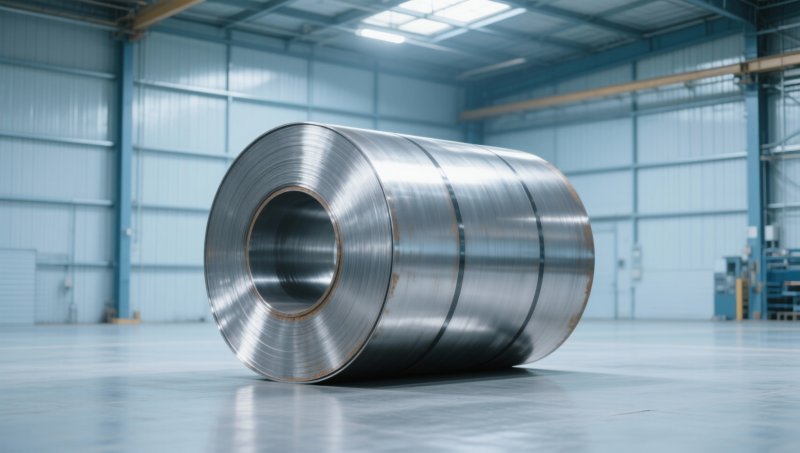
Key Surface Parameters vs. Industry Paint Line Requirements
Paint shop engineers evaluate incoming hot rolled steel using four measurable criteria: average surface roughness (Ra), peak-to-valley height (Rz), oxide layer thickness (measured via XRF), and residual chloride content (ppm). Deviations beyond defined thresholds trigger automatic quarantine—adding 2–4 days to production scheduling for rework or replacement.
This level of control enables direct coil-to-paint-line feeding without pre-treatment rework—a capability verified across 12 OEM audits in North America and Europe over the past 18 months. Our EN 10147-compliant coils consistently meet GM W31A and Ford WSS-M1A12-A2 specifications.
Why Surface Consistency Matters Beyond Paint—From BIW to Final Assembly
Beyond cosmetic concerns, inconsistent surface finish triggers cascading impacts across the BIW value chain. Variations in mill scale thickness cause uneven zinc-alloy formation during hot-dip galvanizing—leading to 15–22% higher post-galvanizing grinding labor time. In laser welding applications, oxide inclusions increase spatter rate by up to 40%, requiring more frequent nozzle cleaning and reducing effective uptime from 87% to 73% in high-volume lines.
For structural components where dimensional accuracy is critical—such as A-pillar reinforcements or roof rails—surface-induced thermal distortion during curing can shift part geometry beyond ±0.3 mm tolerances, triggering secondary correction operations costing $28–$43 per component.
Hongteng Fengda integrates real-time surface metrology into its final inspection stage, capturing Ra/Rz profiles every 300 meters along the coil length. Data is traceable per heat number and archived for 5 years—supporting root-cause analysis during warranty investigations.
Selecting the Right Steel Grade for Multi-Process Compatibility
While hot rolled coil dominates BIW structural framing, certain sub-assemblies demand alternative material solutions. For example, exposed trim elements or under-hood brackets benefit from corrosion-resistant grades such as 304 Stainless Steel Plate, which eliminates the need for painting entirely. Its inherent chromium-nickel-manganese composition delivers ≥520 MPa tensile strength and ≤183 HB hardness—ideal for press-braking and roll-forming operations common in automotive accessory manufacturing.
Unlike carbon steel, 304 stainless requires no surface passivation prior to powder coating, reducing pretreatment cycle time by 3–5 minutes per batch. It also maintains non-magnetic properties in annealed condition—critical for sensors integrated into body electronics modules.
We supply 304 Stainless Steel Plate in thicknesses from 0.3 mm to 200 mm, with BA, 2B, and NO.4 finishes tailored to specific functional and aesthetic requirements across train interiors, aircraft cabin panels, and food-grade conveyor systems.
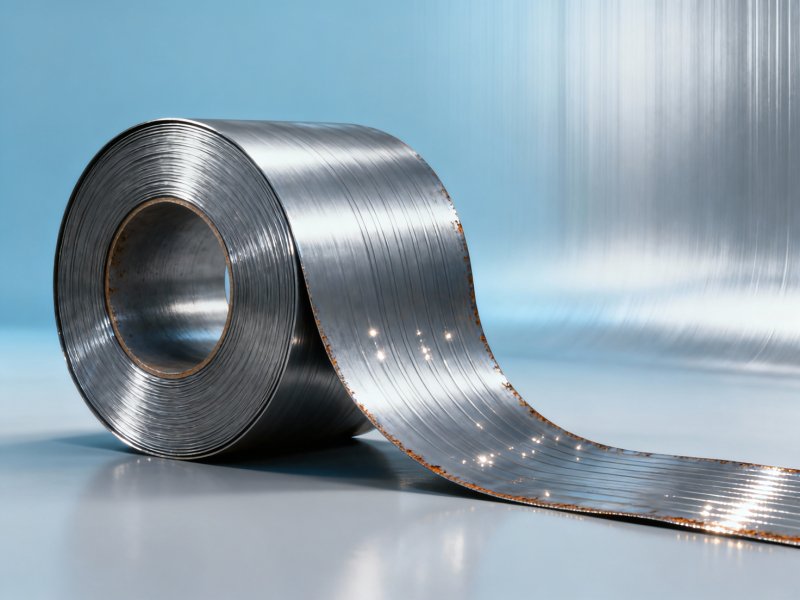
Why Partner With Hongteng Fengda for Automotive-Grade Steel Supply
As a certified structural steel manufacturer exporting to 32 countries, we align our production systems with automotive-specific quality frameworks—including IATF 16949, VDA 6.3, and AIAG CQI-15. Every hot rolled coil shipped carries full traceability: heat number, rolling date, chemical analysis, mechanical test reports, and surface profile logs—all accessible via our secure customer portal.
Our lean manufacturing model supports flexible order volumes—from trial batches of 5 tons to annual contracts exceeding 12,000 tons—with guaranteed lead times of 7–15 days for standard sizes and 25–35 days for custom-cut plates. We maintain ISO/IEC 17025-accredited lab capabilities for on-site verification of Ra, Rz, and coating adhesion (per ASTM D3359).
Contact us today to request: (1) surface profile validation data for your next BIW project, (2) comparative cost modeling between hot rolled coil and stainless alternatives, (3) sample coils with certified Ra/Rz reports, or (4) joint process mapping with your paint shop engineering team.
- hot rolled coils
- rolled steel coil
- rolled coil
- Hot Rolled Coil
- Hot Rolled Steel Coil
- hot galvanized steel
- ASTM galvanized pipe
- galvanized pipe
- steel coil
- galvanized steel
- Hot Rolled Steel
- structural steel
- Structural Steel
- stainless steel plate
- 304 stainless steel plate
- ss steel plate
- steel plate
- Profile
- Galvanized
- carbon steel
Related recommendations
 What Affects the Cost of Galvanized Steel in Fabrication Projects?Galvanized steel costs vary far beyond raw material price. Learn how coating, steel grade, fabrication, logistics, and hidden quote items affect project budgets before you buy.
 Steel Wire Strand Applications in Lifting and Support: Key Load and Safety ConsiderationsSteel wire strand selection for lifting and support starts with real load, fatigue, corrosion, and anchoring conditions. Learn how to improve safety, service life, and structural reliability.
 Architectural Steel Angle in Facades, Edges, and Clean LinesArchitectural steel angle improves facade edges, clean lines, and structural precision. Discover how it supports durability, faster installation, and smarter project control.
 Where Cold Formed Steel Angle Works Best in Modern BuildsCold formed steel angle works best in modular builds, secondary framing, and utility supports. Learn where it adds value, what to verify, and how to choose the right profile with confidence.
Please give us a message


Please enter what you want to find