Effective steel procurement lead time planning before project kickoff is essential for keeping construction schedules on track and budgets under control. For project managers and engineering leaders, understanding supply timelines, production capacity, and export coordination can reduce sourcing risks and prevent costly delays. Working with a reliable structural steel manufacturer helps ensure smoother project execution from the very beginning.
Why steel procurement lead time planning matters before site work begins
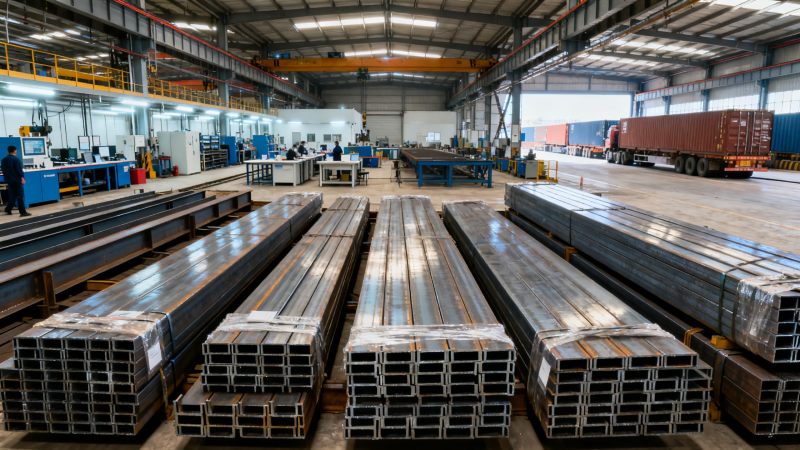
Many projects do not fail because steel is unavailable in the market. They fail because procurement planning starts too late, specifications are incomplete, or shipping and fabrication realities were not considered during pre-construction. In steel-intensive projects, the procurement clock often starts long before the first excavation, especially when imported structural components, custom fabrication, or multi-standard compliance are involved.
For project managers, steel procurement lead time planning is not only a purchasing task. It is a schedule control tool. It affects design freeze dates, drawing approval, supplier selection, inspection arrangements, packing methods, export booking, customs clearance, inland transport, and installation readiness. A delay in any one of these stages can push the full project timeline off course.
This is particularly important when buying from overseas manufacturers. A Chinese structural steel supplier may offer strong production capacity and cost advantages, but project teams still need realistic planning for mill rolling, cutting, drilling, welding, coating, inspection, documentation, and sea freight. Good planning protects both schedule and budget.
- It reduces the chance of emergency purchasing at higher prices.
- It helps align engineering release dates with manufacturing slots.
- It allows time for standard verification such as ASTM, EN, JIS, or GB compliance.
- It supports better coordination between procurement, logistics, and site installation teams.
What makes steel lead times longer or shorter in real projects?
Project leaders often ask a simple question: how long will steel take? In practice, the answer depends on product type, customization level, quantity, finish, testing needs, and shipping route. Standard sections such as angle steel, channel steel, and some steel beams may move faster than custom assemblies that require shop drawings, precise hole patterns, welding, or special surface treatment.
The table below helps frame steel procurement lead time planning by breaking the process into practical stages that project teams should review before project kickoff.
The key lesson is that procurement lead time is cumulative. Even if manufacturing is fast, late design approval or poor export coordination can still create major project delays. That is why experienced buyers build schedule buffers around the full chain, not only around factory production.
Common variables that affect planning accuracy
- Whether the order includes standard stock items or OEM fabricated components.
- Whether drawings are frozen or still changing during the RFQ stage.
- Whether project specs require third-party inspection or special traceability documents.
- Whether delivery must be split by installation sequence rather than shipped in one lot.
How project managers should build a practical steel procurement schedule
A practical procurement schedule begins with backward planning from the site need date, not from the purchase order date. If steel must be on site for erection in week sixteen, project managers should count backward through customs, sea freight, packing, inspection, fabrication, and engineering approval. This method reveals the true deadline for supplier engagement.
Steel procurement lead time planning works best when it is tied to milestone control. That means procurement cannot wait until all drawings are perfect if long-lead items are already identified. In many projects, standard profiles can be reserved early, while highly customized pieces are finalized in later batches.
- Define required standards, grades, and critical dimensions before RFQ release.
- Separate standard items from fabricated or custom steel components.
- Confirm supplier production capacity against your target delivery window.
- Reserve time for drawing approval, sample review, or finish confirmation when needed.
- Build a logistics buffer based on route, season, and destination port conditions.
When working with a structural steel manufacturer and exporter from China, this planning process becomes more effective if the supplier can support both standard sections and customized solutions. Hongteng Fengda supplies angle steel, channel steel, steel beams, cold formed steel profiles, and customized structural steel components for global projects, which helps buyers reduce handoff gaps between multiple vendors.
A simple planning benchmark for pre-kickoff discussions
The table below can be used during internal kickoff meetings to assign realistic decision deadlines. It is especially useful when steel packages include both commodity items and custom processed parts.
Using a structured benchmark like this prevents planning from becoming too generic. It also helps procurement, engineering, and site teams speak the same language when evaluating schedule risk.
Mid-project specification gaps: where delays usually start
One of the most common mistakes in steel procurement lead time planning is assuming that all steel products behave like interchangeable commodities. They do not. Some items require close review of mechanical properties, finish, dimensions, and standards because their end-use conditions are different from general structural sections.
For example, in projects that combine structural work with industrial equipment, architectural details, or fabricated accessories, buyers may also need stainless bar products for secondary components. A relevant option for such scenarios is Stainless Square steel rod, available in 201 stainless steel and used across kitchenware, outdoor decoration engineering, urban decoration, medical instruments, automotive parts, shipbuilding, defense, manufacturing, and construction-related applications.
From a planning perspective, this matters because specialty bar items may involve separate finish selection, dimensional confirmation, and application-specific review. The product supports standards such as ASTM, AISI, JIS, GB, DIN, and EN, with square bar sizes listed from 18mm to 47mm and customizable lengths from 1 to 6 meters. For engineering teams, early confirmation of these details helps avoid procurement fragmentation later in the project.
Its technical data also shows why proper selection matters. The 201 stainless steel material is described with tensile strength of at least 520, yield strength of at least 275, elongation of about 55 to 60, hardness up to 183HB or 100HRB, and core characteristics such as high formability and flexibility under pressure. Those values may make it suitable for certain non-primary structural or fabricated uses, but project teams should still confirm exact suitability against design and service conditions.
How to compare suppliers for schedule reliability, not just price
Low unit price can hide high schedule risk. For project managers, the real question is whether the supplier can consistently convert approved specifications into on-time export deliveries. A good steel procurement lead time planning process therefore needs supplier comparison criteria that go beyond quotation totals.
The following comparison table is useful when evaluating overseas structural steel suppliers before project kickoff.
A manufacturer like Hongteng Fengda brings value here because the company focuses on structural steel manufacturing and export, supports customized solutions, and serves buyers across North America, Europe, the Middle East, and Southeast Asia. For procurement teams, that combination can reduce uncertainty in both technical communication and delivery execution.
Standards, documentation, and compliance checkpoints before ordering
Compliance issues often appear late because they were treated as paperwork instead of procurement inputs. In reality, standards influence sourcing routes, material substitution limits, inspection methods, and manufacturing feasibility. Before issuing a purchase order, project leaders should make sure the steel package clearly states the governing standard and any supporting documents required by consultants, clients, or local authorities.
What should be confirmed in advance?
- Applicable material and dimensional standards, such as ASTM, EN, JIS, or GB.
- Whether mill test certificates or additional inspection reports are required.
- Whether the steel is for primary load-bearing use or secondary fabricated use.
- Whether coating, surface finish, or packaging has special project requirements.
These checkpoints support better steel procurement lead time planning because they reduce approval loops after production has already started. They also protect buyers from discovering too late that a low-cost offer does not match the specified standard set.
Common mistakes that increase lead time risk
Mistake 1: Treating all steel items as one package
Different items should be categorized by complexity, critical path importance, and customization needs. Standard profiles and custom assemblies should not be managed with the same release logic.
Mistake 2: Waiting for perfect drawings before talking to suppliers
Early supplier involvement can identify practical production and logistics issues. Even before final order placement, manufacturers can advise on realistic batching, likely processing times, and documentation needs.
Mistake 3: Ignoring the shipping leg in the master schedule
Factory completion is not delivery completion. Ocean freight, customs handling, local trucking, and unloading sequence all need planning attention, especially for imported structural steel.
Mistake 4: Buying on price only
When a supplier cannot maintain consistent quality, document control, or lead time discipline, the downstream cost of delay can exceed any initial purchase savings.
FAQ on steel procurement lead time planning
How early should steel procurement start before project kickoff?
It should start as soon as long-lead or standard-critical items are identified. For imported steel, pre-kickoff planning should include specification review, supplier engagement, and shipping assessment well before site mobilization. Waiting until construction begins usually compresses decision time and raises schedule risk.
What information should be ready before asking for a quotation?
At minimum, provide product type, grade, standard, dimensions, quantity, finish, destination country, and whether fabrication is required. If drawings exist, release the latest controlled version. Better input data leads to more accurate lead time and pricing feedback.
Are standard sections always faster than custom steel components?
Usually yes, but not always. Standard sections may still face delay if the required grade, size, or standard is in short supply, or if freight capacity is tight. Custom components take longer because they involve processing and approvals, but good planning can still keep them under control.
How can project teams reduce procurement delays when sourcing from China?
Choose a supplier with stable production capacity, export experience, and familiarity with international standards. Also align technical clarification, production booking, inspection timing, and logistics milestones from the start. This reduces the common gap between factory readiness and actual shipment readiness.
Why choose us for structural steel sourcing and project delivery support
For project managers and engineering leaders, procurement success depends on more than getting a quote. It depends on working with a supplier that understands schedule pressure, technical variation, export requirements, and the need for consistent execution. Hongteng Fengda is a professional structural steel manufacturer and exporter in China, supplying angle steel, channel steel, steel beams, cold formed steel profiles, and customized structural steel components for global construction, industrial, and manufacturing projects.
Our manufacturing capability, quality control approach, and familiarity with ASTM, EN, JIS, and GB standards help buyers manage steel procurement lead time planning with greater confidence. We support customers across North America, Europe, the Middle East, and Southeast Asia with stable production, dependable lead times, and practical communication throughout sourcing and delivery.
You can contact us to discuss specification confirmation, product selection, delivery schedule planning, customized structural steel solutions, certification and standards requirements, sample support, and quotation arrangements. If your project is still before kickoff, early consultation can help identify lead time risks before they become site delays.
Please give us a message


Please enter what you want to find