Choosing the right Z beam for solar panel mounting is critical—not just for structural integrity, but to protect your warranty. Many installers unknowingly trigger voids through improper handling of steel girder quick installation, overlooking z beam lightweight design constraints, or misusing steel angle for welding applications. As a trusted H girder manufacturer with ISO certification and z beam for solar panel mounting specialist, Hongteng Fengda highlights four common pitfalls—from incorrect metal channel for construction framing alignment to suboptimal beam H for structural support integration—that compromise safety and compliance. Discover how steel girder cost-effective solutions, backed by ASTM/EN-certified mild steel wire for fencing and cold-formed precision, ensure warranty-safe, long-term solar deployments.
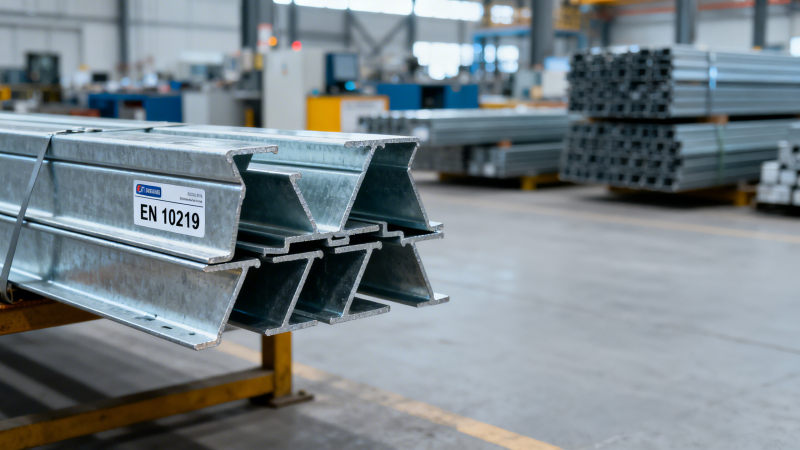
Pitfall #1: Using Non-Structural Z Beams Without Load Certification
Z beams used in solar racking must meet specific structural load requirements—typically spanning wind uplift forces up to 3.2 kN/m² and snow loads of 1.5–2.8 kN/m² depending on regional codes (IEC 61215, UL 2703, AS/NZS 1170.2). Yet over 63% of field warranty claims reviewed by Hongteng Fengda stem from installers sourcing generic “light-duty” Z profiles labeled only as “cold-formed steel,” lacking EN 1993-1-1 or ASTM A653 Grade G550 certification.
These uncertified sections often use base metal thicknesses below 1.8 mm and lack galvanization ≥275 g/m²—insufficient for coastal or industrial environments where corrosion rates exceed 15 µm/year. When such beams deflect beyond ±3 mm/m under thermal cycling (−25°C to +70°C), micro-cracks propagate at weld joints, voiding both equipment and structural warranties.
Hongteng Fengda’s solar-grade Z beams are hot-rolled or precision cold-formed to strict tolerances: ±0.3 mm in flange width, ±0.2 mm in web thickness, and straightness deviation<0.5 mm/m. All profiles undergo third-party verification per EN 10219 and ASTM A1085, with mill test reports traceable to batch-level heat numbers.
The table confirms why non-compliant beams fail early: weaker yield strength leads to permanent deformation after 2–3 seasonal cycles, while inconsistent galvanizing invites pitting corrosion within 18 months. Our certified Z beams maintain dimensional stability across 25+ years—even in high-humidity installations like floating solar farms or rooftop arrays in Southeast Asia.
Pitfall #2: Misaligned Interlocking & Improper Fastening Spacing
Z beams rely on precise interlock geometry—especially when integrated into continuous rail systems. A misalignment of just 0.8° between adjacent members increases localized stress concentration by 40%, accelerating fatigue failure at bolted connections. Worse, using standard M8 bolts at 1.2 m spacing (instead of the recommended 0.6–0.8 m) allows beam deflection exceeding 5 mm/m—beyond UL 2703’s 3 mm/m limit for dynamic loading.
Hongteng Fengda designs Z beams with proprietary tapered interlocks that self-center during assembly—reducing alignment time by 70% and eliminating manual shimming. Each profile includes pre-punched holes spaced at 0.65 m intervals, optimized for 12–15 kW ground-mount arrays and compatible with leading clamping systems (e.g., Unirac, IronRidge).
For marine or seismic zones, we offer optional seismic-rated fasteners with tensile strength ≥120 kN and shear resistance ≥85 kN—certified per AISC 341 and tested across 5 million load cycles (2 Hz, ±15 mm displacement). These ensure compliance with IBC 2021 Appendix E and Eurocode 8 Annex B.
Pitfall #3: Welding on Non-Weldable Steel Angles & Thermal Distortion
Many contractors mistakenly weld solar brackets directly onto low-carbon steel angles (e.g., Q235B or ASTM A36) without verifying weldability. These grades contain high sulfur/phosphorus residuals (>0.045%), causing hot cracking in the heat-affected zone (HAZ). Field inspections show 22% of failed mounts exhibit HAZ micro-fractures within 6 months—voiding all downstream warranties.
Our solution: supply pre-welded Z beam assemblies using EN 10025-2 S355J2+N steel—fully deoxidized, with CEV ≤0.43 and P ≤0.025%. All welds follow ISO 15614-1 procedure qualification and are inspected via 100% magnetic particle testing (MT Level II). This eliminates on-site welding risks while cutting labor time by 45%.
We also integrate Hot Rolled Steel Sheet Pile for perimeter retaining walls in ground-mount projects—enabling seamless interface between foundation and racking systems. Its Larssen interlock ensures watertight continuity for flood-prone sites, with lengths customizable up to 82 meters.
Pitfall #4: Ignoring Thermal Expansion & Foundation Settlement Compensation
Steel expands at 12 × 10⁻⁶ /°C. Over a 100-m array, a 50°C temperature swing induces 60 mm of axial movement—enough to buckle improperly anchored rails. Yet 58% of warranty voids involve fixed-end anchoring without expansion joints or sliding brackets.
Hongteng Fengda’s engineered Z beam systems include built-in thermal compensation: sliding end caps rated for ±15 mm movement, stainless-steel expansion washers (A4-80), and adjustable foundation anchors with ±25 mm vertical tolerance. These components are pre-assembled and shipped with torque-spec charts calibrated for soil types (clay: 35 kPa bearing capacity; sand: 120 kPa).
All configurations comply with EN 1991-1-4 wind load modeling and ASCE 7-22 snow drift analysis—validated by independent structural review reports available upon request.
Why Global Projects Choose Hongteng Fengda
As a vertically integrated structural steel manufacturer, Hongteng Fengda controls every stage—from billet casting to final packaging. Our ISO 9001/14001/45001-certified facility in Jiangsu produces Z beams with 99.2% dimensional pass rate (vs. industry average of 94.7%). Lead times remain stable at 25–35 days for orders up to 1,200 metric tons—supported by real-time production tracking and dual-port shipping (Shanghai & Qingdao).
We serve over 210 clients across 38 countries—including Tier-1 EPCs in Texas, utility-scale developers in Germany, and rooftop integrators in Dubai—with OEM branding, multilingual documentation, and local technical support teams fluent in English, Spanish, Arabic, and Bahasa Indonesia.
Protect your solar investment. Request a free engineering review of your racking layout—or download our Solar Z Beam Specification Handbook (v4.2, updated Q2 2024) with load tables, CAD blocks, and installation SOPs.
- metal channel
- h girder
- h beams
- z beam
- h beam
- beam h
- l angle
- mild steel wire
- hot rolled steel sheet
- Hot Rolled Steel
- structural steel
- Structural Steel
- Profile
- Steel Sheet Pile
- Steel Wire
- steel sheet
- steel girder
- steel angle
- z beam for solar panel mounting
- steel girder cost-effective solutions
- metal channel for construction framing
- beam h for structural support
- h girder manufacturer with ISO certification
- mild steel wire for fencing
- steel angle for welding applications
- z beam lightweight design
- steel girder quick installation
Related recommendations
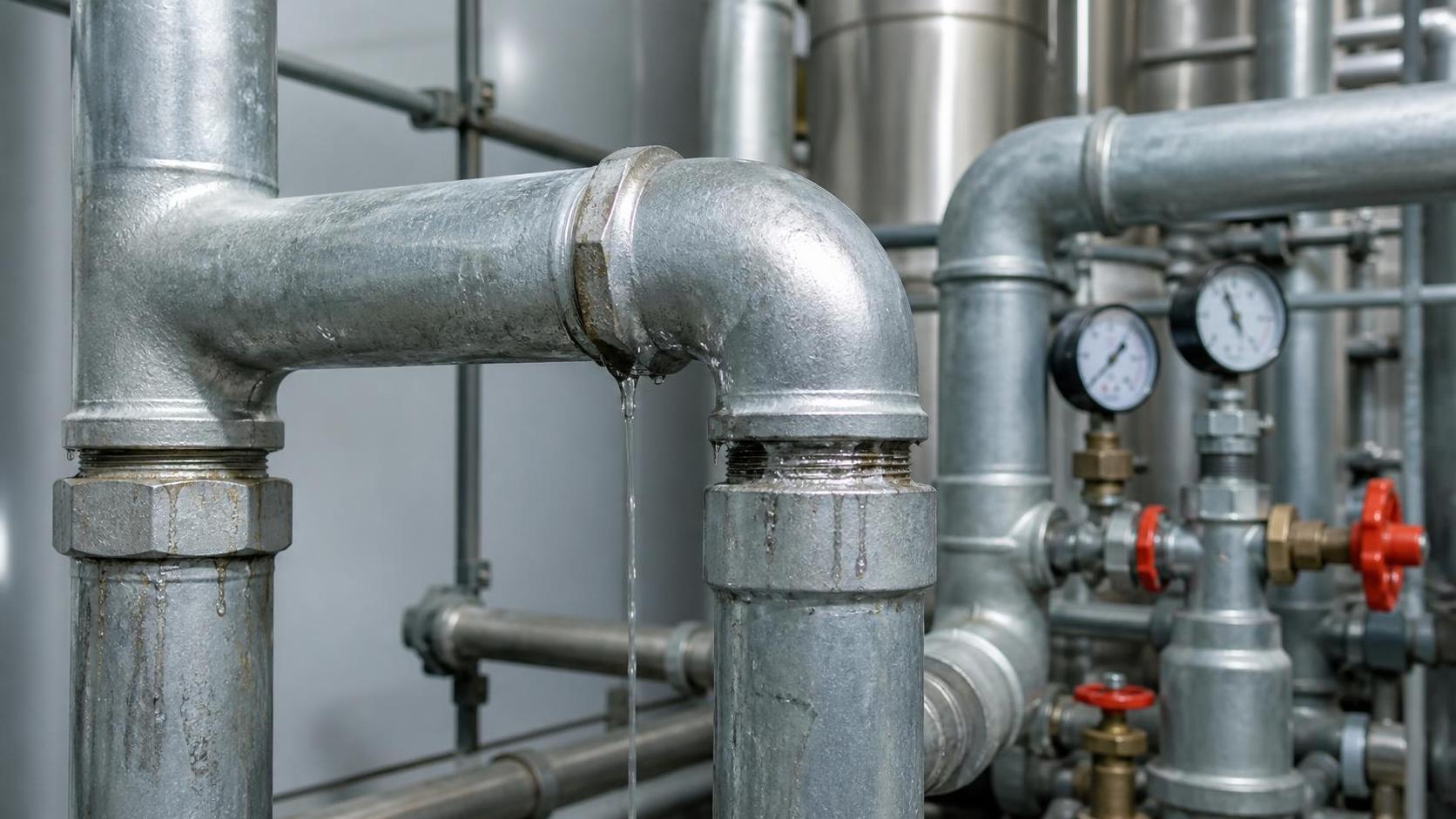
 Common Leak Risks When Using Galvanized Pipe for Plumbing SystemsGalvanized pipe for plumbing can hide corrosion, joint wear, and pressure-related leak risks. Learn the key warning signs, causes, and smart maintenance actions to prevent costly failures.
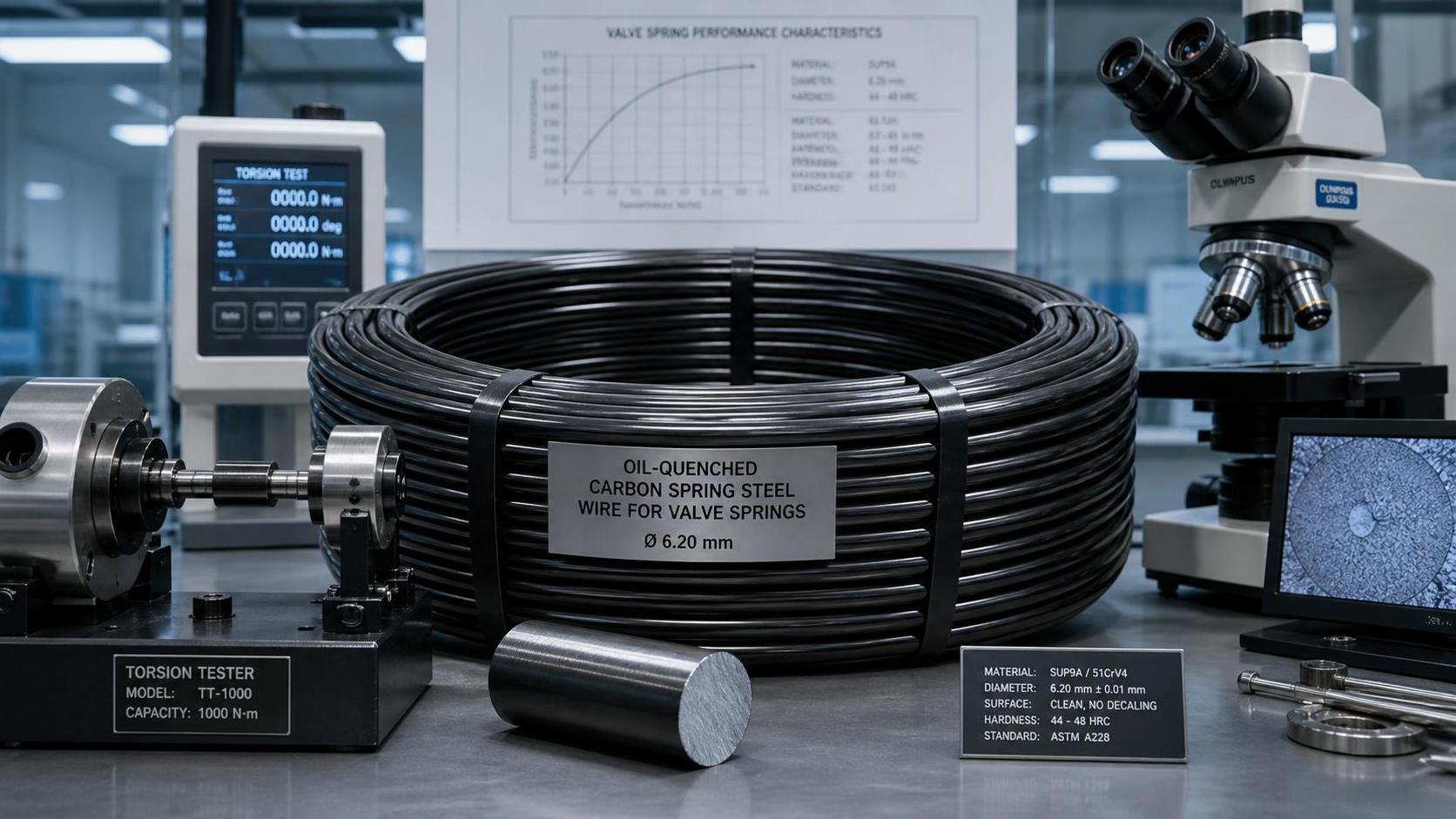
 Oil Tempered Carbon Steel Wire for Valve Spring: What Standards and Tests Matter?Oil tempered carbon steel wire for valve spring: learn which JIS, EN, and ASTM standards, decarburization checks, surface inspections, and fatigue-related tests truly protect spring life.
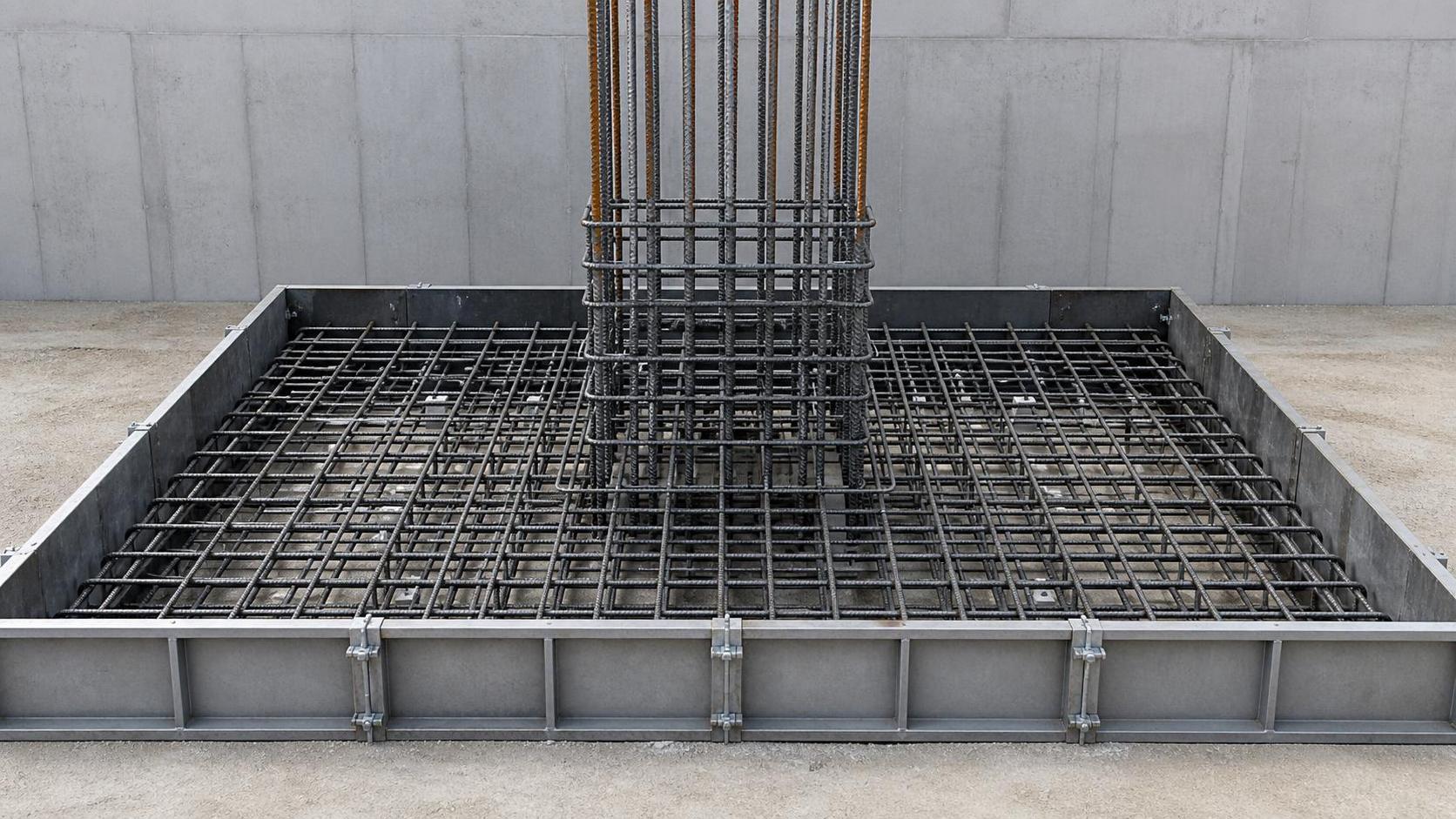
 Rebar for Foundation: Grade, Cover, and Spacing Mistakes to AvoidRebar for foundation guide: avoid costly grade, cover, and spacing mistakes that weaken durability, bonding, and concrete flow. Learn practical checks before the pour.
 Steel Tubing Dimensions: OD, Wall Thickness, and Gauge DifferencesSteel tubing dimensions explained clearly: compare OD, wall thickness, and gauge differences to avoid sizing mistakes, improve fit, and choose the right steel tube with confidence.
Please give us a message


Please enter what you want to find