Hot galvanizing is a critical corrosion-protection step for structural steel—yet it frequently fails on high-silicon steel, leading to bare spots, uneven coating, or premature rust. For specifiers, engineers, and procurement teams sourcing from global suppliers like Hongteng Fengda, understanding silicon’s impact isn’t optional—it’s essential. This article explains why hot galvanizing fails on high-silicon steel, identifies the precise silicon content thresholds (e.g., >0.25% Si) that trigger reactive issues, and outlines 5 must-check parameters before ordering—ensuring compliance with ASTM A123, EN ISO 1461, and project-specific durability requirements.
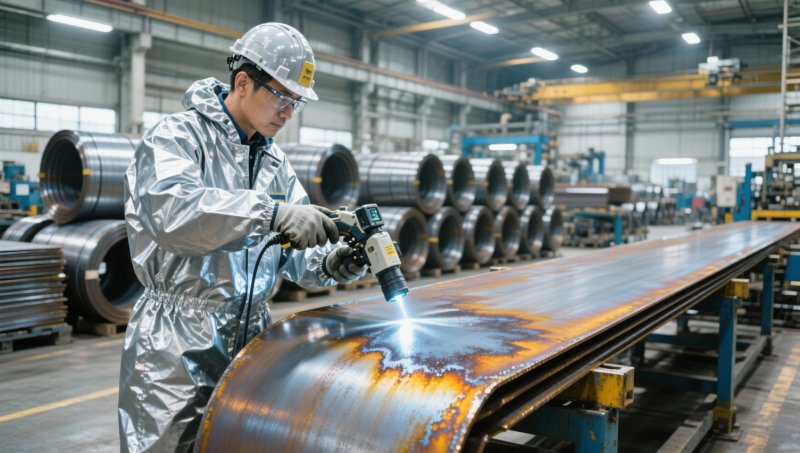
The Silicon Paradox: Why High-Si Steel Resists Zinc Bonding
Silicon is a common deoxidizer in structural steel production—but when its mass fraction exceeds 0.04%, it begins altering surface reactivity during hot-dip galvanizing. At >0.25% Si, the steel enters the “Sandelin peak” range (0.25–0.35% Si), where excessive Fe–Zn intermetallic growth occurs. This results in brittle, thick, grayish coatings prone to flaking. Worse, above 0.35% Si, the reaction slows unpredictably, causing patchy coverage and exposed substrate.
This phenomenon isn’t theoretical: field reports from North American bridge projects show up to 37% of galvanized high-silicon beams required post-fabrication touch-up within 18 months. In Middle Eastern industrial plants, premature rust at weld seams on Si-rich channel steel led to 22% higher maintenance costs over five years. The root cause lies in silicon’s catalytic effect on the Fe–Zn diffusion layer—accelerating ζ-phase formation while inhibiting protective δ-phase development.
Hongteng Fengda’s in-house metallurgical lab validates silicon content per heat batch using OES (Optical Emission Spectrometry), with ±0.015% measurement accuracy. For structural components destined for hot-dip galvanizing, we recommend specifying Si ≤ 0.03% for consistent coating adhesion—or selecting alternative protection strategies where Si exceeds 0.22%.
Critical Silicon Thresholds & Their Galvanizing Outcomes
This table confirms why specification review must begin with chemistry—not just geometry. For example, ASTM A572 Grade 50 often contains 0.15–0.40% Si depending on melt practice. Without verifying actual heat analysis, buyers risk accepting material incompatible with galvanizing standards.
5 Non-Negotiable Checks Before Ordering Galvanized Structural Steel
Procurement teams working with manufacturers like Hongteng Fengda must verify these five parameters before finalizing orders—especially for angle steel, channel steel, or cold-formed profiles intended for hot-dip galvanizing:
- Heat-specific Si & P content: Request certified mill test reports (MTRs) showing actual Si ≤ 0.22% and phosphorus ≤ 0.02%—both accelerate reactive galvanizing.
- Surface preparation grade: Verify blast cleaning meets Sa 2.5 (ISO 8501-1) prior to galvanizing; mill scale or rust residue increases bare-spot risk by up to 60%.
- Zinc bath chemistry control: Confirm supplier maintains Al ≤ 0.005% and Ni ≥ 0.05% in molten zinc—key for suppressing Sandelin effects.
- Coating thickness verification: Require minimum 85 µm (for 6 mm+ sections) per ASTM A123 Table 1—measured via magnetic induction on 3 random locations per component.
- Post-galvanizing handling protocol: Ensure no dragging, welding, or abrasive contact occurs after coating—scratches expose base metal instantly.
For pre-galvanized products such as Steel Coil Galvanized, silicon sensitivity is lower due to controlled continuous-line processing—but Si still affects passivation layer stability. Our DX51D+Z and S250GD+Z grades maintain Si ≤ 0.025% and are certified to EN 10346:2015 for consistent coating integrity.
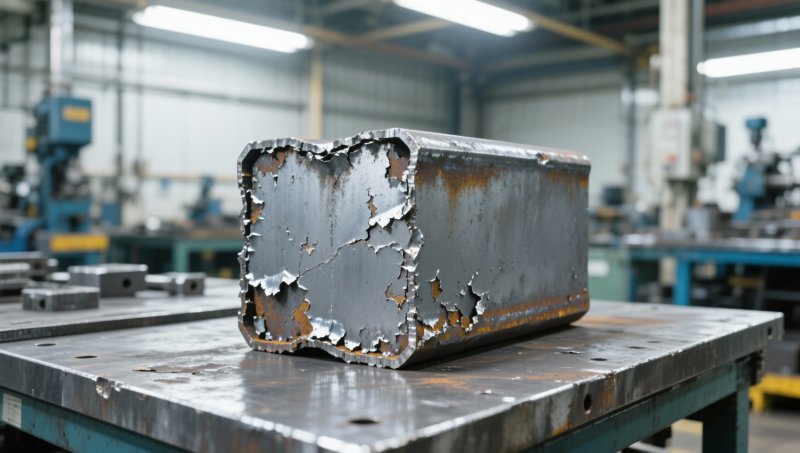
How Hongteng Fengda Mitigates Galvanizing Risk Across Global Projects
As a structural steel manufacturer serving clients across 32 countries, Hongteng Fengda embeds galvanizing compatibility into every stage—from raw material sourcing to final inspection. We source billets from mills with documented Si control (±0.008% tolerance), conduct in-process OES checks at three production nodes, and perform salt-spray testing (ASTM B117) on 100% of galvanized shipments for 96 hours minimum.
Our standard offering includes Z275-grade Steel Coil Galvanized with thicknesses from 0.12mm to 3.5mm and zinc coating weights of 60–275 g/m²—fully traceable to EN ISO 1461 and ASTM A653. For high-risk applications (e.g., coastal infrastructure), we offer dual-certified SGCC + Z275 coils with third-party inspection (SGS/BV) and extended warranty coverage.
Lead time for galvanized structural components averages 25–35 days from confirmed order—including chemistry validation, galvanizing, and documentation. All products comply with ASTM, EN, JIS, and GB standards—and we provide bilingual technical dossiers (English + client’s local language) upon request.
Galvanizing Readiness Checklist for Procurement Teams
These controls reduce galvanizing failure rates to<0.8% across 2023–2024 deliveries—well below the industry average of 4.3% (per IKGGA 2024 Benchmark Report). That reliability translates directly to reduced lifecycle cost for your projects.
When to Choose Pre-Galvanized vs. Hot-Dip—And Which Grades Deliver Consistency
Pre-galvanized steel coil offers predictable coating weight (80–275 g/m²), tight thickness tolerances (±0.02 mm), and superior formability—making it ideal for cold-formed purlins, roof decks, or ductwork. Hot-dip remains preferred for heavy sections (>6 mm), complex geometries, or welded assemblies requiring full-edge coverage.
At Hongteng Fengda, our DX52D+Z and S320GD+Z grades deliver exceptional consistency: tensile strength ≥ 320 MPa, elongation ≥ 22%, and zinc layer adherence verified per EN 10142 Annex B. Width ranges from 600–1500 mm, and custom slitting/tension leveling is available to meet exact project specifications.
Whether you’re specifying steel beams for a Dubai data center or angle steel for a Canadian wind turbine foundation, proactive chemistry verification prevents costly rework. Let our technical team support your next order with free material compatibility review—and ensure every tonne performs as designed.
Contact Hongteng Fengda today to request a customized galvanizing-readiness assessment, download our full compliance dossier, or schedule a virtual factory audit. We help global partners eliminate sourcing uncertainty—one precisely engineered steel solution at a time.
Related recommendations
 Common Leak Risks When Using Galvanized Pipe for Plumbing SystemsGalvanized pipe for plumbing can hide corrosion, joint wear, and pressure-related leak risks. Learn the key warning signs, causes, and smart maintenance actions to prevent costly failures.
 Oil Tempered Carbon Steel Wire for Valve Spring: What Standards and Tests Matter?Oil tempered carbon steel wire for valve spring: learn which JIS, EN, and ASTM standards, decarburization checks, surface inspections, and fatigue-related tests truly protect spring life.
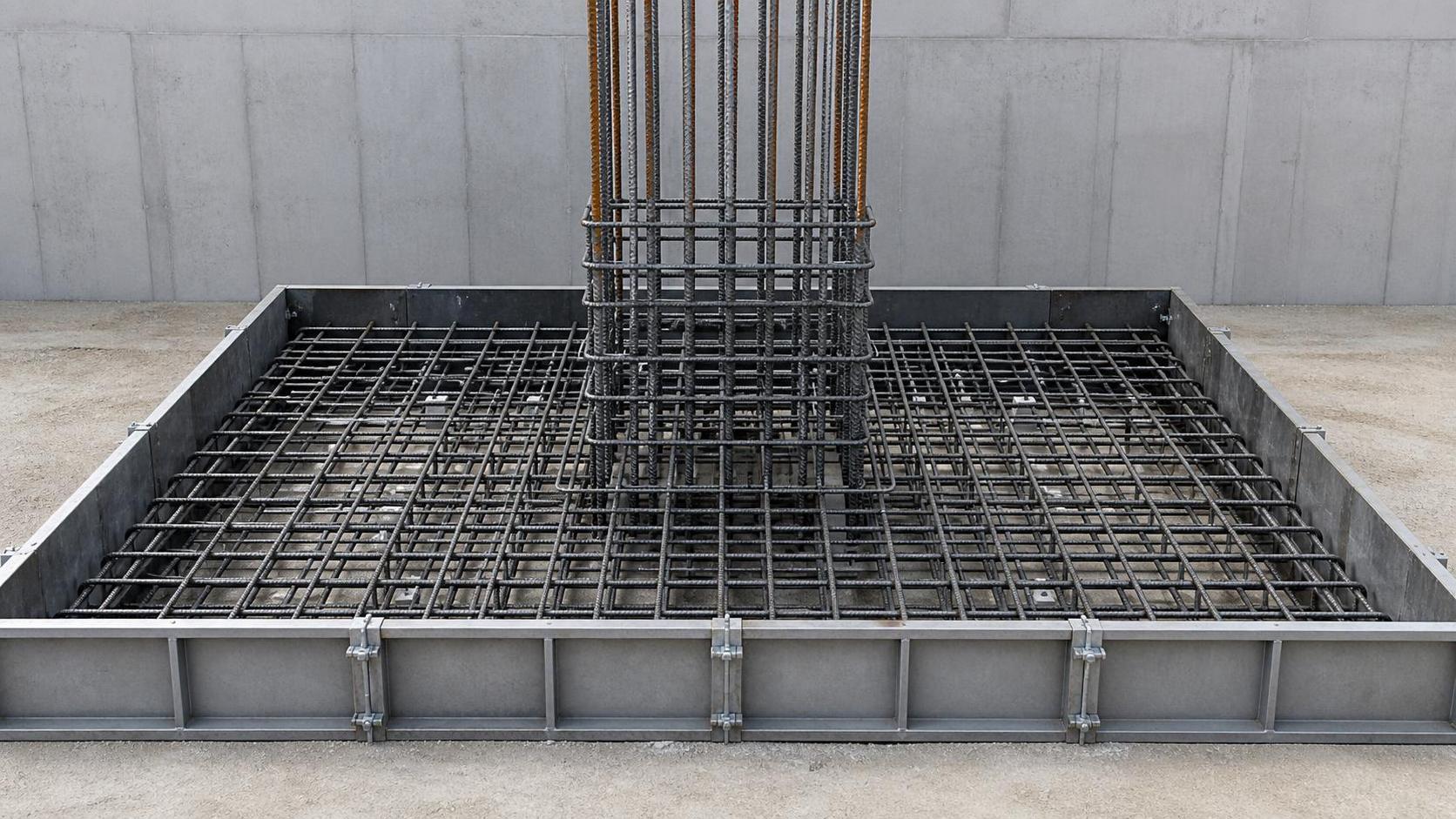
 Rebar for Foundation: Grade, Cover, and Spacing Mistakes to AvoidRebar for foundation guide: avoid costly grade, cover, and spacing mistakes that weaken durability, bonding, and concrete flow. Learn practical checks before the pour.
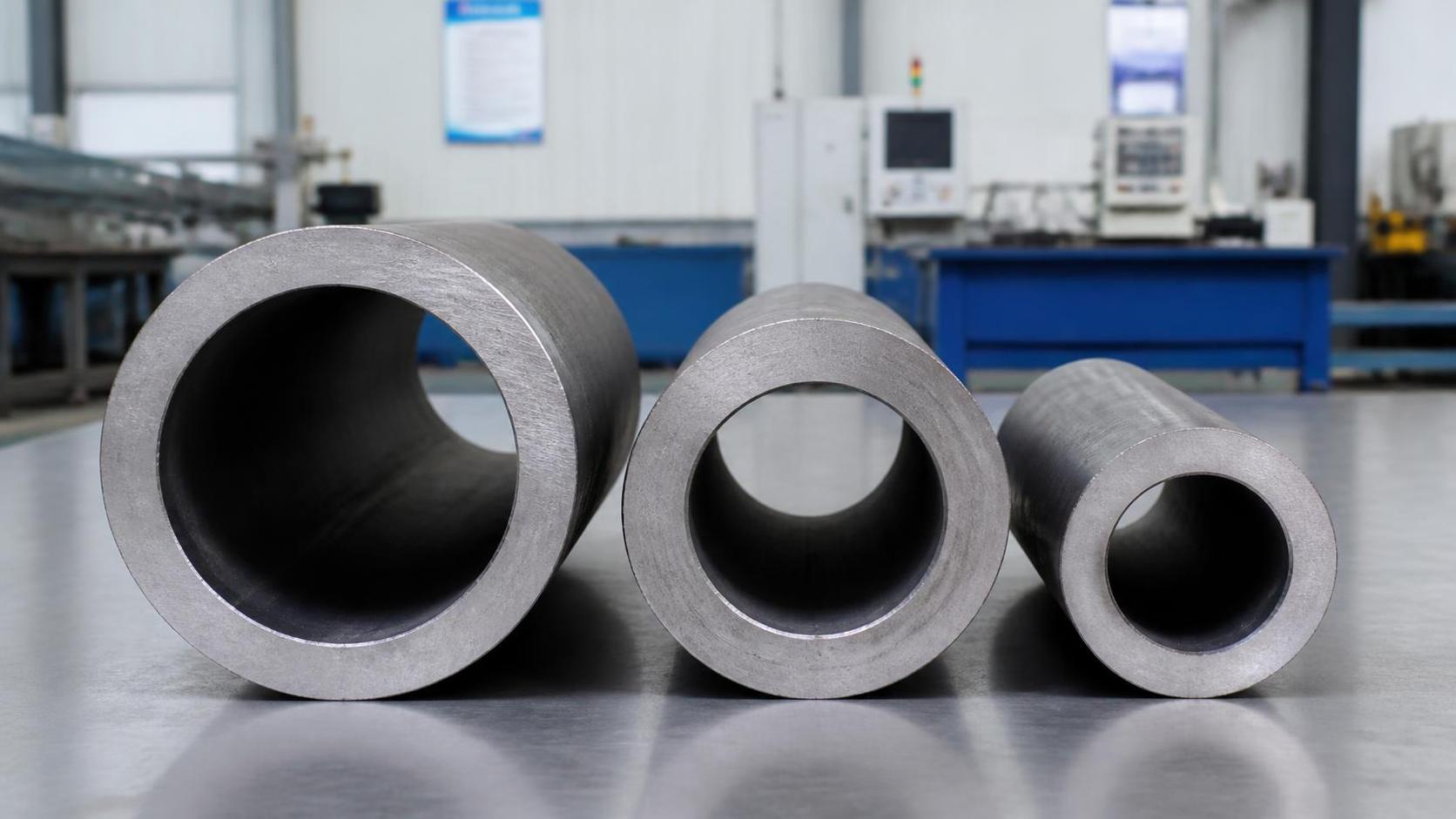
 Steel Tubing Dimensions: OD, Wall Thickness, and Gauge DifferencesSteel tubing dimensions explained clearly: compare OD, wall thickness, and gauge differences to avoid sizing mistakes, improve fit, and choose the right steel tube with confidence.
Please give us a message


Please enter what you want to find