Premature coating failure on color coated steel is rarely caused by one factor alone. For after-sales maintenance teams, issues such as incorrect material selection, poor installation handling, edge damage, aggressive environments, or inadequate cleaning can quickly turn small surface defects into corrosion risks. Understanding why these failures happen helps identify responsibility, reduce repeated complaints, and guide customers toward proper maintenance. This article explains the common causes of early coating breakdown and the practical inspection points maintenance personnel should focus on.
What does early failure on color coated steel usually look like?
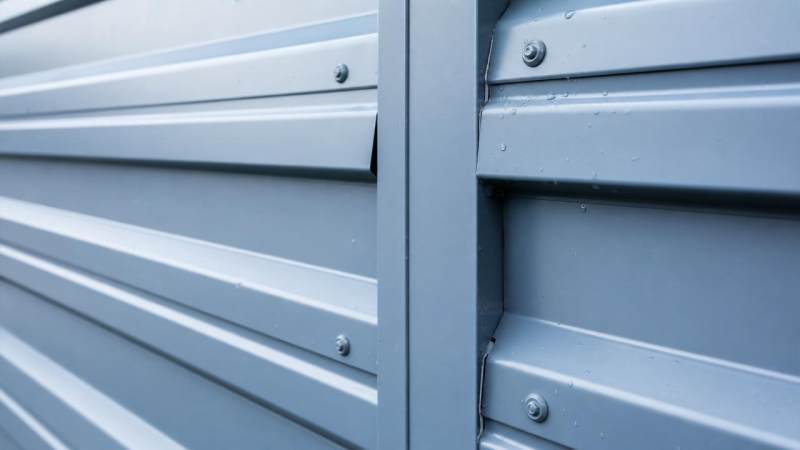
Early coating failure is any visible or functional breakdown before the expected service period under reasonable exposure and maintenance conditions.
For color coated steel, the first signs are often local, not widespread. Maintenance teams may see fading, chalking, blistering, peeling, edge rust, or red corrosion near cuts.
Field symptoms that should trigger closer inspection
- Blisters near overlaps or fasteners may indicate trapped moisture, poor sealing, or contamination before installation.
- Rust at cut edges often points to insufficient edge protection, rough cutting, or exposed substrate after drilling.
- Uneven color change can result from UV exposure, chemical deposits, or mixed batches used on one elevation.
- Peeling in sheets suggests adhesion loss, often linked with incorrect substrate pretreatment or severe forming stress.
A single mark does not prove product quality failure. Color coated steel performance depends on substrate, zinc coating, paint system, environment, installation, and maintenance.
Why material selection is often the first hidden risk
Many disputes begin before installation. If color coated steel is selected only by color and price, the coating system may not match exposure severity.
After-sales teams should confirm whether the chosen substrate, zinc layer, paint type, sheet thickness, and forming grade suit the project conditions.
The table below helps maintenance personnel connect common failure symptoms with selection-related causes and practical verification points for color coated steel projects.
This comparison does not replace laboratory testing, but it helps teams avoid blaming the wrong stage. Early evidence should be documented before panels are cleaned or replaced.
How installation handling accelerates coating breakdown
Color coated steel is durable, but the coating is still a surface protection system. Scratches, burrs, pressure marks, and contaminated tools reduce service life.
Maintenance staff should review installation photos, fastener placement, cutting methods, and whether protective films were removed within the recommended time.
Handling mistakes that create repeat complaints
- Using abrasive wheels may leave hot metal particles that burn into the coating and later form rust spots.
- Dragging panels across each other can damage the topcoat and expose primer around high-pressure contact areas.
- Over-tightened fasteners can deform sheets, break washers, and allow water to enter through stressed coating zones.
- Leaving swarf on roofs or facades can produce rust staining that appears like coating failure to customers.
When investigating color coated steel complaints, installation damage should be separated from manufacturing defects. The location pattern usually provides useful clues.
Why environment and maintenance decide real service life
A panel performing well inland may fail quickly near a coast, chemical plant, livestock building, or industrial exhaust source.
Salt, ammonia, acid mist, cement dust, fertilizer, and trapped organic debris can attack color coated steel faster than normal rainfall exposure.
Use the following environment table to decide whether a complaint is linked to unusually aggressive exposure or insufficient maintenance frequency.
A realistic maintenance plan is part of the protection system. Without cleaning, color coated steel may retain corrosive deposits longer than its design assumptions allow.
Where galvanized substrate quality fits into the diagnosis
The substrate below the paint system matters. Zinc coating helps delay corrosion when the paint film is scratched or cut.
For maintenance teams comparing project records, galvanized sheet specifications provide a useful reference for base material selection and corrosion resistance expectations.
Hongteng Fengda supplies Galv Sheeting for industrial, agricultural, construction, communications, transportation, energy, and light industry applications.
Available grades include DX51D+Z, DX52D+Z, DX53D+Z, DX54D+Z, SGCC, SGCD series, and S220GD+Z to S550GD+Z options.
Thickness ranges from 0.12mm to 6.00mm, with 600mm to 1500mm width and 1m to 12m length customization.
Hot galvanizing and pre-galvanized zinc layers are available from 60g/m² to 275g/m² or 80g/m² to 275g/m² depending on process requirements.
How to use substrate information in after-sales review
- Match grade and forming requirement before blaming coating cracks on paint quality alone.
- Compare zinc layer with exposure severity, especially for cut edges, perforations, and humid environments.
- Check whether supplied standards such as ASTM, EN, JIS, or GB align with contract requirements.
A strong galvanized base does not eliminate every risk, but it supports better durability when color coated steel faces scratches, moisture, and edge exposure.
Inspection workflow for after-sales maintenance teams
A structured inspection protects both the customer and supplier. It prevents emotional disputes and turns visible defects into traceable evidence.
For color coated steel complaints, the most important task is recording location, pattern, exposure, installation history, and maintenance behavior before conclusions.
The following workflow can be used during site visits, remote complaint reviews, or warranty responsibility discussions.
When evidence is organized this way, color coated steel failure analysis becomes more objective. It also helps customers accept practical corrective actions.
Common misconceptions that make failures repeat
Repeated complaints often come from wrong assumptions. Maintenance teams can reduce disputes by correcting expectations during handover and follow-up visits.
Misconception 1: A coating system does not need cleaning
Color coated steel exposed to dust, salt, manure gas, or industrial deposits requires cleaning. Rainwater may not reach sheltered laps, eaves, or lower elevations.
Misconception 2: Small scratches are only cosmetic
Scratches can become corrosion starting points, especially near fasteners or cut edges. Touch-up should be timely, compatible, and limited to damaged areas.
Misconception 3: All coated sheets perform the same outdoors
Paint chemistry, zinc layer, steel grade, thickness, color, and exposure angle all affect color coated steel durability in real projects.
FAQ for color coated steel maintenance and complaint handling
The following questions reflect common search and field service concerns when early coating problems appear on roofs, wall panels, and industrial structures.
How can we tell whether color coated steel failure is from production or installation?
Production-related issues often appear in repeated, consistent patterns across many sheets. Installation damage usually follows cutting lines, fasteners, overlaps, or traffic areas.
What records should after-sales teams request first?
Request batch documents, order specifications, delivery photos, storage records, installation methods, exposure conditions, cleaning history, and close-up images with location references.
Does thicker steel always prevent coating failure?
No. Thickness improves mechanical strength, but coating durability depends on zinc protection, paint system, pretreatment, forming behavior, and corrosive exposure.
When should panels be replaced instead of repaired?
Replacement is more reasonable when corrosion spreads under the coating, structural function is affected, or repeated local repairs cannot stop moisture ingress.
Why choose Hongteng Fengda for steel sourcing and technical support?
Hongteng Fengda is a structural steel manufacturer and exporter from China, serving construction, industrial, and manufacturing projects across global markets.
We supply angle steel, channel steel, steel beams, cold formed profiles, galvanized products, and customized structural steel components under major standards.
For after-sales teams handling color coated steel related problems, we can support parameter confirmation, grade comparison, substrate selection, and documentation review.
If your project needs ASTM, EN, JIS, or GB references, our team can help align specifications with procurement and maintenance expectations.
Contact Hongteng Fengda to discuss product selection, zinc coating requirements, delivery schedule, customized dimensions, sample support, certification needs, and quotation details.
Please give us a message


Please enter what you want to find