For outdoor structures, choosing the right material affects durability, maintenance, and project cost. Galvanized A36 steel angle is often a practical option for projects needing corrosion resistance, dependable strength, and stable availability.
This guide explains when galvanized A36 steel angle makes sense, where it performs best, what limits to watch, and how to compare it with other outdoor steel options.
What Is Galvanized A36 Steel Angle and Why Is It Used Outdoors?
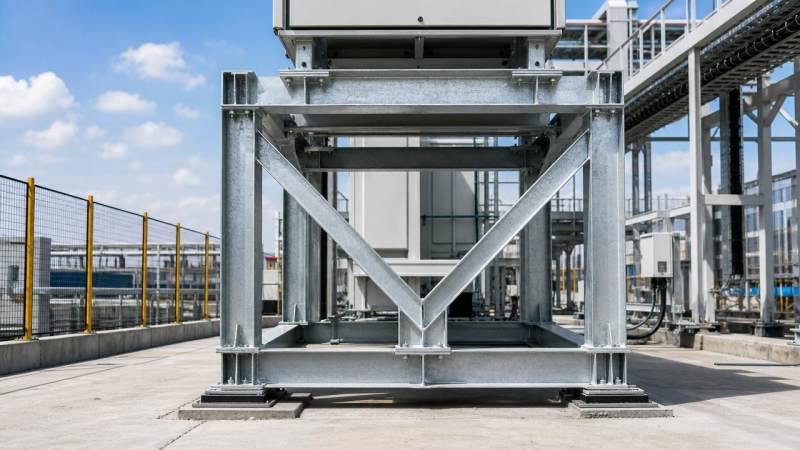
Galvanized A36 steel angle is carbon steel angle made from ASTM A36 material and protected by a zinc coating. The angle shape gives practical support, framing strength, and connection flexibility.
A36 steel is widely selected because it offers good weldability, easy fabrication, and cost-effective structural performance. Galvanizing adds corrosion protection, which is critical in outdoor exposure.
The zinc layer helps delay rust formation when the steel faces rain, humidity, splash zones, and changing temperatures. That makes galvanized A36 steel angle useful for many exposed applications.
Common examples include support frames, fence structures, equipment bases, agricultural buildings, cable supports, platform edges, light structural bracing, and miscellaneous construction details.
Why the angle profile remains popular
- Simple shape for connections and reinforcement
- Good balance between strength and material cost
- Easy cutting, drilling, welding, and bolting
- Broad global supply in standard and custom sizes
When Is Galvanized A36 Steel Angle the Right Outdoor Choice?
Galvanized A36 steel angle is usually the right choice when outdoor exposure is moderate to high, but the project does not require expensive stainless steel or specialized alloy grades.
It fits well when the structure needs dependable structural support, practical corrosion protection, and easy sourcing within normal construction lead times.
It works best in these situations
- Outdoor frames exposed to rain and sun
- Industrial supports in humid environments
- Agricultural structures needing low maintenance
- Infrastructure accessories and utility brackets
- Projects with cost pressure and long service expectations
If the design includes repetitive steel details, galvanized A36 steel angle also helps simplify procurement. Standardized sections are easier to replace, match, and process during installation.
For mixed structural systems, it can complement channels, beams, and formed profiles. In heavier retaining or marine temporary works, different products may be more suitable.
For example, deep water barriers and cofferdams often require Steel Sheet Piles with high strength, strong interlocks, and reusable performance.
How Does It Compare with Black Steel, Painted Steel, and Stainless Steel?
A smart selection depends on comparing corrosion behavior, fabrication needs, maintenance cycles, and total service cost. Initial material price alone rarely tells the full story outdoors.
Quick comparison table
Compared with black steel, galvanized A36 steel angle lasts much longer outdoors before rust becomes a structural or visual problem. That often reduces repainting and replacement frequency.
Compared with painted steel, galvanizing offers more consistent coverage, especially around corners and edges. Surface damage can still happen, but zinc provides sacrificial protection.
Compared with stainless steel, galvanized A36 steel angle usually costs less and is easier to justify for standard outdoor construction. However, stainless may be better in highly corrosive chemical or marine zones.
Which Outdoor Environments Are Suitable, and Which Are Risky?
Not every outdoor environment affects steel equally. The right decision depends on moisture, chlorides, pollutants, standing water, and how often the surface remains wet.
Suitable environments
- Urban and suburban structures with normal rainfall
- Warehouses, yards, and utility areas
- Outdoor platforms and support assemblies
- Agricultural and light industrial installations
Higher-risk environments
- Coastal zones with salt spray
- Chemical plants with corrosive fumes
- Areas with trapped moisture and poor drainage
- Direct soil contact without proper protection
In many coastal projects, galvanized A36 steel angle may still be used, but service expectations must be realistic. A thicker coating, extra detailing, or alternative materials may be necessary.
Design matters as much as material. Water traps, unsealed crevices, and damaged coating areas can shorten actual life even when the steel grade itself is appropriate.
What Design, Fabrication, and Installation Details Should Be Checked?
Choosing galvanized A36 steel angle is only the first step. Long-term performance depends on dimensions, coating quality, connection details, and post-fabrication handling.
Important checks before ordering
- Confirm load requirements and angle size.
- Specify galvanizing standard and coating expectation.
- Review whether holes are drilled before galvanizing.
- Check welding locations and touch-up plans.
- Avoid details that trap water or debris.
If field welding is necessary, the zinc coating near welds can be damaged. Those areas should be repaired correctly, otherwise rust may start early around the heat-affected zone.
Fastener compatibility also matters. Using mismatched hardware can create local corrosion issues. Bolts, nuts, and washers should be selected with the outdoor environment in mind.
For projects combining multiple structural products, material coordination helps. For example, retaining and deep excavation works may use angle sections in accessories, while Steel Sheet Piles handle high-strength cofferdam or deep water applications.
What Are the Most Common Mistakes When Selecting Galvanized A36 Steel Angle?
Most selection problems come from assuming galvanizing solves every corrosion risk. It improves durability, but it does not remove the need for correct design, inspection, and environment matching.
Frequent mistakes to avoid
- Choosing by price only, without exposure review
- Ignoring salt, chemicals, or wet-dry cycling
- Using undersized sections for structural loads
- Damaging the galvanized layer during handling
- Failing to inspect repaired cuts and weld zones
Another mistake is expecting indefinite maintenance-free service. Even galvanized A36 steel angle benefits from periodic visual inspection, especially in splash zones, joints, and debris-collecting areas.
Decision guide table
How Should You Make the Final Selection?
The best time to choose galvanized A36 steel angle is when outdoor exposure is real, maintenance access is limited, and the project needs a practical balance of strength, durability, and cost.
It is especially useful for general construction, industrial supports, utility frames, and fabricated outdoor assemblies where standard carbon steel would rust too quickly without protection.
Before confirming the order, review the service environment, section size, coating requirements, connection details, and expected design life. Those factors determine whether galvanized A36 steel angle will perform as intended.
Reliable supply also matters. Hongteng Fengda provides structural steel products and customized solutions aligned with ASTM, EN, JIS, and GB standards for global construction and industrial projects.
If your application involves outdoor framing or corrosion-sensitive support details, compare technical requirements early and confirm fabrication needs before purchasing. That step reduces rework, delays, and long-term maintenance risk.
Please give us a message


Please enter what you want to find