Choosing the right structural material can directly affect project durability, maintenance costs, and long-term risk. For project managers responsible for construction schedules, budgets, and compliance, knowing when to specify a galvanized steel beam is essential—especially in environments exposed to moisture, corrosion, or demanding service conditions. This guide explains the key scenarios, performance benefits, and procurement considerations to help you make confident material decisions for industrial, commercial, and infrastructure projects.
What Is a Galvanized Steel Beam?
A galvanized steel beam is a structural steel beam protected by a zinc coating. The coating helps resist corrosion in exposed or humid environments.
The most common method is hot-dip galvanizing. The steel is immersed in molten zinc, forming a bonded protective layer.
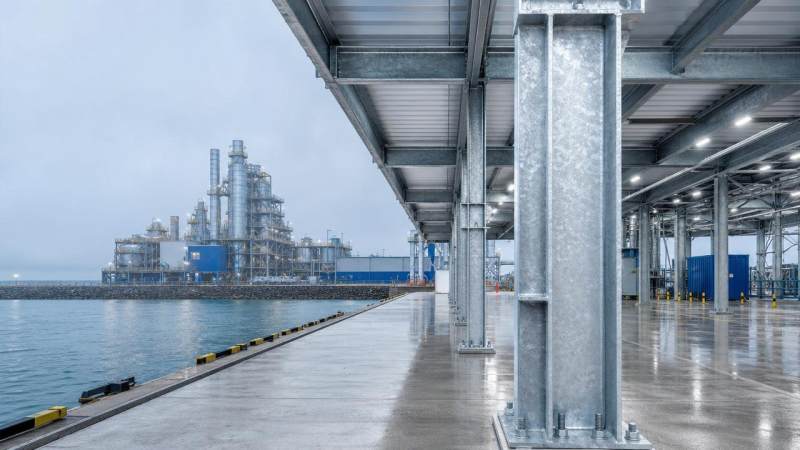
This zinc layer protects the beam in two ways. It creates a barrier and provides sacrificial protection if the surface is scratched.
A galvanized steel beam is often selected where ordinary painted steel may require frequent maintenance or early recoating.
It is important to confirm the base steel grade, beam size, zinc coating requirement, and applicable project standard before purchasing.
When Should You Specify a Galvanized Steel Beam?
You should specify a galvanized steel beam when corrosion risk can shorten service life, increase maintenance, or affect structural reliability.
This is especially relevant in outdoor construction, semi-exposed structures, coastal projects, and industrial facilities with moisture or chemical exposure.
A galvanized steel beam is also useful when access for future repainting is difficult, expensive, or unsafe.
Common use cases include warehouses, workshops, platforms, canopies, pedestrian bridges, agricultural buildings, and utility support structures.
- Outdoor steel frames exposed to rain and humidity.
- Coastal structures affected by salt-laden air.
- Industrial buildings with condensation or process moisture.
- Infrastructure projects needing long service life.
- Projects where maintenance shutdowns are costly.
If the beam will remain fully enclosed in a dry interior space, galvanizing may not always be necessary.
However, hidden condensation, roof leakage, or temperature variation can still make a galvanized steel beam a safer specification.
How Does Galvanizing Improve Structural Durability?
The main advantage of a galvanized steel beam is durable corrosion protection without depending only on surface paint.
Hot-dip galvanizing creates metallurgical layers between zinc and steel. These layers are harder than many standard coating systems.
When exposed to air, zinc forms stable corrosion products. These products slow further corrosion and protect the underlying steel.
This makes a galvanized steel beam suitable for service conditions where protective performance must remain predictable over time.
What durability benefits matter most?
- Lower corrosion rate in humid environments.
- Reduced need for frequent repainting.
- Better edge and corner protection than many coatings.
- Improved performance during handling and installation.
- Longer maintenance intervals for exposed steelwork.
Durability still depends on coating thickness, local exposure, drainage design, and contact with incompatible materials.
A galvanized steel beam should not be treated as maintenance-free in every condition. It should be inspected periodically.
Which Applications Benefit Most from a Galvanized Steel Beam?
A galvanized steel beam brings the greatest value where corrosion exposure is consistent or where long-term maintenance access is limited.
Industrial structures often benefit because they combine heavy loading, moisture, ventilation limits, and operational cost pressure.
For industrial structure support, Hongteng Fengda supplies carbon steel I beams in multiple grades and dimensional ranges.
Available grades include Q195-Q235, Q345, SS355JR, SS400, A36, ST37-2, St37, S235J0, S235J2, and St52.
For related beam sourcing, see I Beam Manufacturers for standard and customized structural steel options.
Typical specifications include 4.5mm-15.8mm thickness, 6-12m length, and flange widths from 100mm to 400mm.
Web widths may range from 100mm to 900mm, with flange and web thickness from 6mm to 28mm.
Processing options can include hot rolled molding, bending, welding, decoiling, punching, and cutting for project-ready fabrication.
Products can follow JIS, ASTM, DIN, GB, and EN standards, depending on project specifications and destination requirements.
When galvanizing is required, confirm hole design, venting, drainage, tolerances, and coating acceptance before production.
How Do You Compare Galvanized Beams with Painted Steel Beams?
The choice between a galvanized steel beam and a painted beam depends on exposure, lifecycle cost, appearance, and maintenance strategy.
Painted steel can be effective indoors or where appearance color is important. It also allows easier color matching.
A galvanized steel beam usually performs better where impact, moisture, and outdoor exposure are expected.
Initial price should not be the only comparison. Maintenance labor, access equipment, downtime, and recoating risk matter.
A galvanized steel beam can reduce lifecycle cost when the project is designed for long service intervals.
What Procurement Details Should Be Confirmed Before Ordering?
Specifying a galvanized steel beam requires more than choosing a beam size. Procurement details influence fit-up, coating quality, and delivery.
Start with structural requirements. Confirm grade, section size, load capacity, tolerance, length, and applicable design code.
Then define galvanizing requirements. Include coating standard, minimum coating thickness, inspection method, and surface acceptance criteria.
If the beam has welded plates or closed shapes, vent and drain holes are essential for hot-dip galvanizing safety.
Fabrication sequence also matters. Cutting, drilling, punching, and welding are usually completed before galvanizing.
Post-galvanizing modifications can expose bare steel. Damaged areas should be repaired using approved zinc-rich methods.
Key ordering checklist
- Steel grade and standard, such as ASTM, EN, JIS, or GB.
- Beam dimensions, length, flange width, and web thickness.
- Galvanizing standard and coating thickness requirement.
- Fabrication drawings with holes, welds, and connection plates.
- Packing method for export handling and corrosion protection.
- Lead time, inspection documents, and shipment schedule.
Hongteng Fengda supports global steel buyers with stable production capacity, quality control, and export documentation coordination.
For many standard beam orders, delivery can be arranged within practical project schedules, depending on specifications and quantity.
What Mistakes Should Be Avoided When Using Galvanized Steel Beams?
One common mistake is specifying a galvanized steel beam without considering fabrication details before coating.
Late drilling or cutting can damage the protective zinc layer and create corrosion points if repairs are ignored.
Another mistake is using incompatible fasteners. Bolts, washers, and connection materials should suit galvanized steelwork.
Poor drainage can also reduce service life. Standing water, trapped debris, and crevices accelerate localized corrosion.
Design should avoid pockets where water can collect. Sloped surfaces and open drainage paths improve performance.
A galvanized steel beam near aggressive chemicals may need additional coating protection or a duplex system.
For architectural appearance, expect a metallic finish that may vary. Spangle, dull areas, or color variation can occur.
FAQ: Quick Answers for Galvanized Steel Beam Decisions
These answers provide a starting point. Final specifications should always reflect exposure conditions, standards, and engineering design requirements.
Final Guidance: How to Make the Right Specification
Specify a galvanized steel beam when corrosion protection is a performance requirement, not just a purchasing preference.
The best results come from early coordination between structural design, fabrication planning, galvanizing requirements, and logistics.
For outdoor, humid, coastal, or industrial conditions, a galvanized steel beam can reduce maintenance and improve lifecycle reliability.
Before ordering, confirm the steel grade, section dimensions, coating standard, drawings, tolerances, and inspection documents.
Hongteng Fengda provides structural steel products and customized solutions for international construction, industrial, and manufacturing projects.
Share project drawings, standards, coating needs, and delivery schedule to receive a practical galvanized steel beam supply recommendation.
Please give us a message


Please enter what you want to find