Navigating MOQ requirements for steel products is crucial for procurement managers and project leaders. Understanding the difference between mill MOQ vs trader MOQ steel, standard vs custom steel lead time, and minimum order quantity for steel rods helps optimize procurement strategies. This guide explores key questions to ask suppliers, lead time planning, and how to mitigate MOQ risks in steel procurement - essential knowledge for buyers sourcing structural steel components globally.
Mill MOQ vs Trader MOQ: Key Differences in Steel Procurement
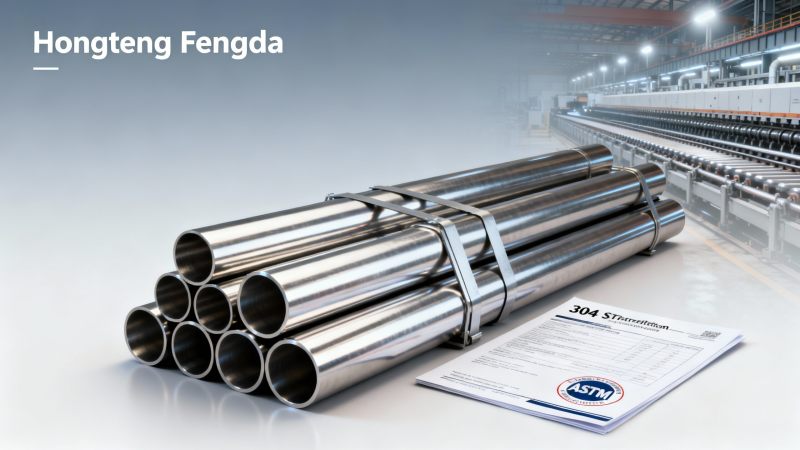
When sourcing structural steel components like angle steel or channel steel, buyers must understand the fundamental distinction between mill MOQ (Minimum Order Quantity) and trader MOQ. Mills typically enforce higher MOQs due to production efficiency requirements - often ranging from 20-50 tons for standard products. Traders, while offering lower MOQs (sometimes as little as 1-5 tons), usually charge premium prices. For projects requiring 304 Stainless steel pipe with specific certifications like ASTM or EN, mill-direct orders ensure better quality control but require careful lead time planning. Procurement teams should evaluate total project requirements against these MOQ tiers to determine the most cost-effective approach.
Standard vs Custom Steel Lead Times: Planning Your Procurement
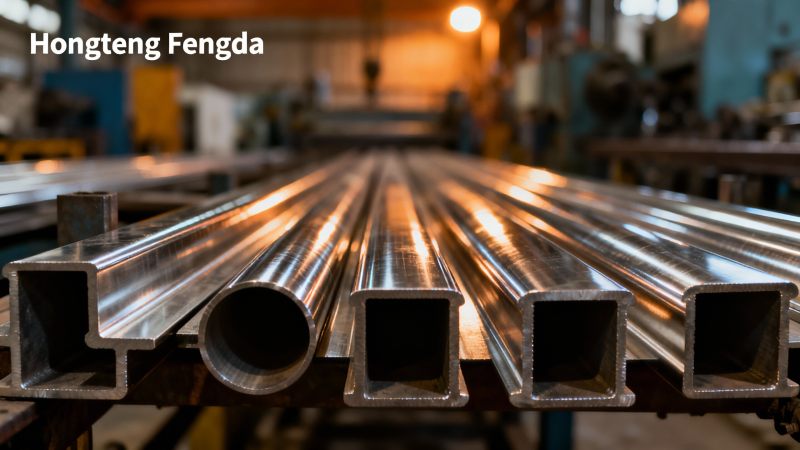
Lead time variability represents one of the most significant risks in steel procurement. Standard structural steel products like universal beams typically have lead times of 4-8 weeks from mills, while customized cold formed steel profiles may require 8-12 weeks. Factors affecting lead times include material availability (especially for specialized alloys), production scheduling, and international shipping logistics. The 300 Series stainless steel products, for instance, often have different lead time considerations than carbon steel equivalents. Smart buyers always build buffer time into project schedules and maintain open communication with suppliers about potential delays.
Critical Questions Procurement Managers Should Ask Steel Suppliers
- What is your actual production capacity for my required specifications?
- Can you provide documentation of compliance with relevant standards (ASTM/EN/JIS)?
- How do you handle quality control for both standard and OEM solutions?
- What contingency plans exist for supply chain disruptions?
- Are your MOQ requirements negotiable for long-term partnerships?
Mitigating MOQ and Lead Time Risks in Steel Procurement
Strategic approaches to managing steel procurement risks include:
- Consolidated Purchasing: Combine multiple project requirements to meet mill MOQs
- Buffer Stocking: Maintain strategic inventory of high-use items like standard channel steel
- Alternative Specifications: Identify acceptable material substitutions during shortages
- Contract Flexibility: Negotiate terms that account for potential lead time fluctuations
Why Choose Hongteng Fengda for Your Structural Steel Needs
As a professional structural steel manufacturer and exporter with modern facilities in China, we offer distinct advantages for global buyers:
- Flexible MOQ Solutions: Balance between mill-direct pricing and trader flexibility
- Predictable Lead Times: Stable production capacity across our product range
- Quality Assurance: Strict compliance with ASTM, EN, JIS, and GB standards
- Customization Expertise: OEM capabilities for specialized structural components
- channel steel
- angle steel
- steel supplier
- steel suppliers
- steel pipe
- structural steel
- steel profiles
- Structural Steel
- 304 stainless steel pipe
- stainless steel pipe
- stainless pipe
- ss pipe
- Steel Rod
- Profile
- minimum order quantity for steel rods
- MOQ requirements for steel products
- questions procurement managers should ask steel suppliers
- standard vs custom steel lead time
- mill MOQ vs trader MOQ steel
Related recommendations
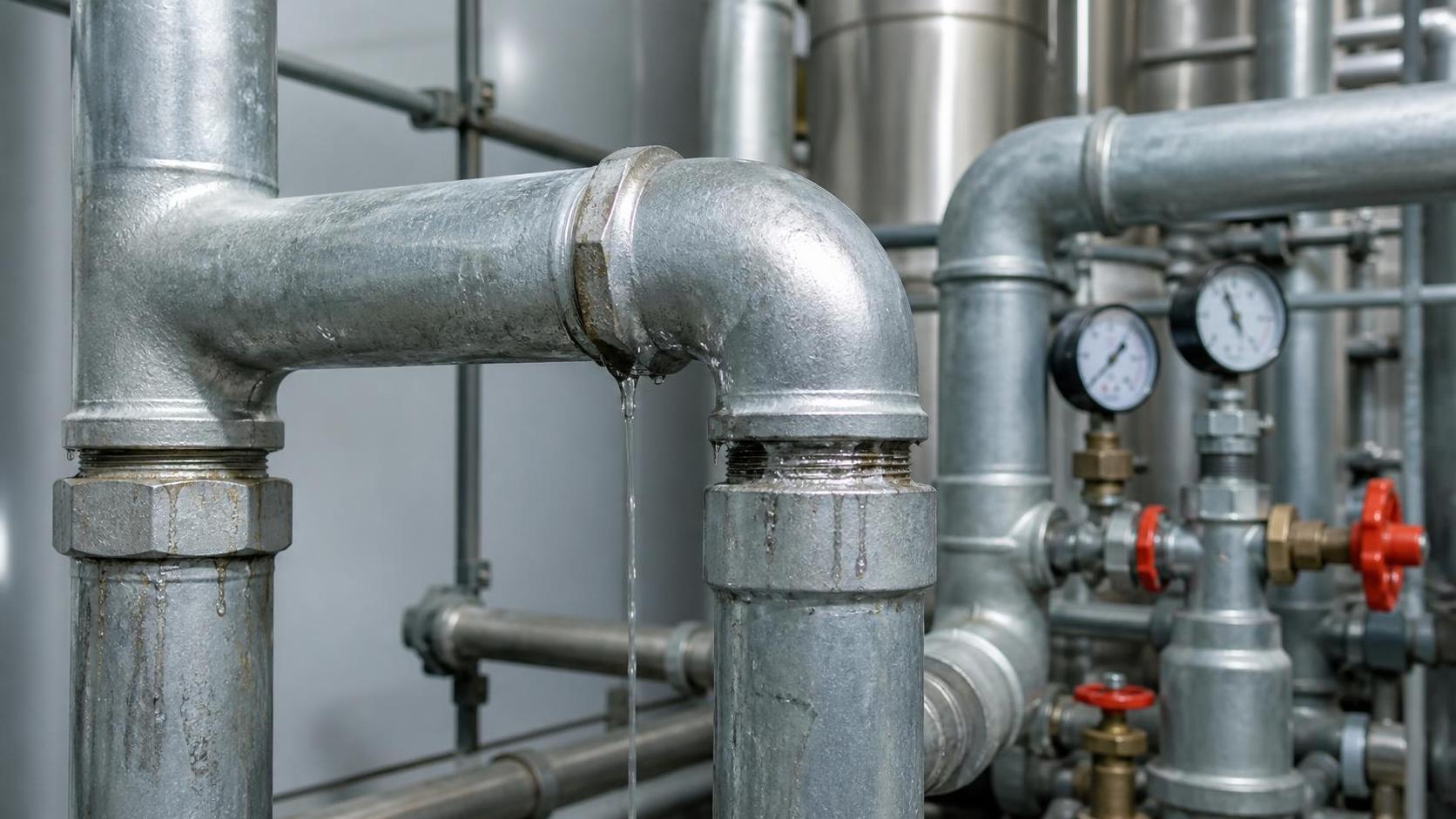
 Common Leak Risks When Using Galvanized Pipe for Plumbing SystemsGalvanized pipe for plumbing can hide corrosion, joint wear, and pressure-related leak risks. Learn the key warning signs, causes, and smart maintenance actions to prevent costly failures.
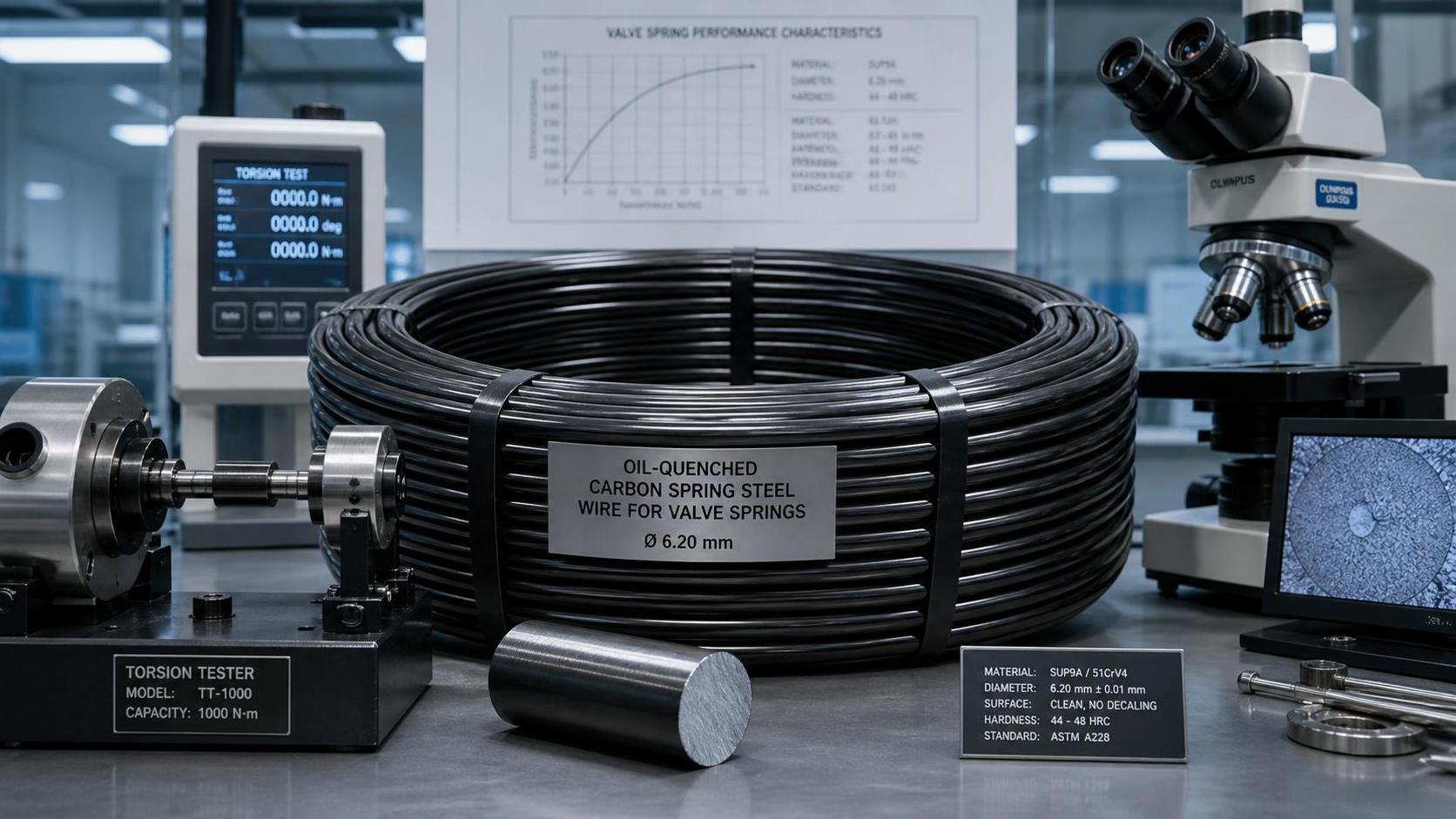
 Oil Tempered Carbon Steel Wire for Valve Spring: What Standards and Tests Matter?Oil tempered carbon steel wire for valve spring: learn which JIS, EN, and ASTM standards, decarburization checks, surface inspections, and fatigue-related tests truly protect spring life.
 Rebar for Foundation: Grade, Cover, and Spacing Mistakes to AvoidRebar for foundation guide: avoid costly grade, cover, and spacing mistakes that weaken durability, bonding, and concrete flow. Learn practical checks before the pour.
 Steel Tubing Dimensions: OD, Wall Thickness, and Gauge DifferencesSteel tubing dimensions explained clearly: compare OD, wall thickness, and gauge differences to avoid sizing mistakes, improve fit, and choose the right steel tube with confidence.
Please give us a message


Please enter what you want to find