Understanding ss pipe specifications is essential when comparing stainless steel pipe options for industrial, construction, and fabrication projects. This guide explains the basics of size, grade, and pressure so buyers can evaluate performance, compliance, and suitability with more confidence. Whether sourcing for standard applications or custom steel solutions, these fundamentals help reduce selection risks and improve purchasing decisions.
Why SS Pipe Specifications Matter
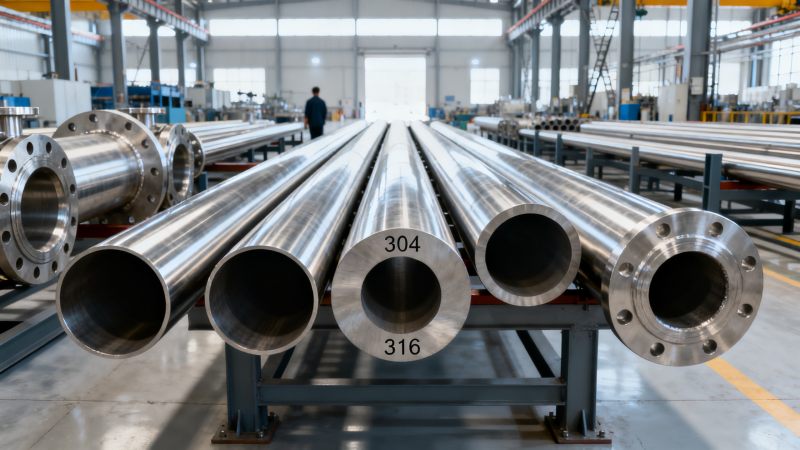
In steel-related projects, one wrong pipe detail can affect welding, corrosion resistance, service life, and compliance. That is why ss pipe specifications should be checked before comparing prices.
Specifications are not only about diameter. They also include schedule, wall thickness, material grade, pressure capacity, manufacturing standard, surface finish, and testing requirements.
A clear review process helps avoid underperforming materials, unnecessary over-specification, and delivery issues. It also supports better coordination with other structural steel components.
The Basic Checklist for Reviewing SS Pipe Specifications
Use the following points to compare ss pipe specifications in a practical and consistent way. Each item affects installation, performance, and total cost.
- Confirm pipe size by outside diameter, nominal pipe size, and wall thickness, because similar names may still mean different actual dimensions and fitting compatibility.
- Check the stainless steel grade, such as 304, 304L, 316, or 316L, based on corrosion exposure, fabrication needs, and required chemical resistance.
- Verify the schedule or thickness class, since pressure performance depends heavily on wall thickness, not just the pipe’s nominal diameter.
- Review pressure and temperature conditions together, because allowable pressure usually decreases as operating temperature rises in demanding service environments.
- Match the product to the correct standard, such as ASTM, EN, JIS, or GB, to ensure dimensional tolerance, material control, and testing compliance.
- Identify whether the pipe is seamless or welded, because manufacturing method affects cost, pressure suitability, appearance, and some application preferences.
- Ask for mill test certificates and inspection records, including chemistry, mechanical properties, and nondestructive testing when required by the project specification.
- Confirm end finish, length, surface treatment, and packaging requirements early to reduce cutting waste, handling damage, and installation delays.
1. Size: More Than Diameter Alone
SS pipe specifications often begin with size, but pipe size includes several linked values. The most common are NPS, outside diameter, and wall thickness or schedule.
For example, two pipes may share the same outside diameter, yet carry different pressure ratings because their wall thickness differs. This changes strength, weight, and flow capacity.
Length tolerance also matters. Standard random lengths may work for general use, while fixed lengths reduce field cutting in fabrication and structural support layouts.
2. Grade: Selecting the Right Stainless Steel
Grade defines corrosion behavior, weldability, and long-term durability. In many ss pipe specifications, 304 and 316 are the most discussed options.
304 stainless steel suits general indoor, mild outdoor, and many fabrication uses. 316 offers improved resistance in chloride, marine, and chemical conditions.
Low-carbon versions such as 304L and 316L are often preferred when welding is involved. They help reduce sensitization and improve corrosion performance near weld zones.
3. Pressure: How to Read the Real Requirement
Pressure evaluation should never rely on nominal size alone. Actual pressure capacity depends on grade, outside diameter, wall thickness, temperature, and design code.
When reviewing ss pipe specifications, confirm whether the listed pressure is working pressure, test pressure, or maximum design pressure. These terms are not interchangeable.
If the piping system handles heat, pressure ratings may drop significantly. Always check code tables or supplier data against the real operating temperature range.
How Standards and Supporting Steel Components Affect Selection
Pipe systems rarely work alone. They are often installed with supports, frames, racks, or industrial structures. That makes standard matching important across the whole steel package.
For example, pipe routing in industrial structures may require coordinated beams and supports. In such cases, structural products like I Shaped Beams can be used for support systems.
These carbon steel sections are available in grades including Q195-Q235, Q345, SS355JR, SS400, A36, ST37-2, S235J0, S235J2, and St52, with tolerance at ±1%.
Typical dimensions include thickness from 4.5mm to 15.8mm, length from 6m to 12m, flange width from 100mm to 400mm, and web width from 100mm to 900mm.
When pipe supports are part of the design, checking JIS, ASTM, DIN, GB, or EN compliance across connected products helps reduce fabrication mismatch and site adjustments.
Practical Checks for Different Applications
Industrial Processing Lines
Focus on pressure, temperature, media compatibility, and inspection requirements. Grade selection becomes critical if the line handles chemicals, steam, or aggressive cleaning agents.
Seamless pipe may be preferred for higher pressure service, while welded pipe may be acceptable for less severe conditions if standards and testing fully match project needs.
Construction and Building Services
Check dimensions, finish quality, weldability, and compatibility with brackets or structural supports. In visible installations, surface appearance may matter almost as much as strength.
Corrosion exposure should be reviewed carefully for outdoor and coastal projects. Standard 304 may not be enough where chlorides or persistent moisture are present.
Fabrication and Custom Steel Solutions
For custom assemblies, verify cutting lengths, bending feasibility, wall consistency, and material certificates before production starts. Small specification errors can multiply during batch fabrication.
If the pipe connects to carbon steel frames or support members, planning for joining methods, corrosion isolation, and finishing details will improve long-term performance.
Commonly Overlooked Risks in SS Pipe Specifications
One frequent mistake is comparing prices without comparing standards. A lower quotation may reflect thinner walls, weaker inspection scope, or different material control.
Another issue is confusion between pipe and tube. Although both may be stainless steel, they follow different sizing conventions and are not always interchangeable.
Pressure assumptions can also create risk. A pipe suitable at room temperature may not remain suitable at elevated operating temperatures.
Surface finish is sometimes ignored during technical review. However, finish can affect hygiene, appearance, corrosion behavior, and post-fabrication treatment requirements.
Mixed-material systems need special attention. Stainless pipe connected to carbon steel supports may require isolation strategies to reduce galvanic corrosion in wet environments.
Action Steps Before Placing an Order
- List the required ss pipe specifications clearly, including size, schedule, grade, standard, finish, length, and quantity.
- Confirm service conditions, especially pressure, temperature, fluid type, and installation environment.
- Request certificates, inspection details, and dimensional tolerances before confirming production.
- Check whether fittings, supports, and structural steel members follow compatible standards and dimensions.
- Review packaging, lead time, and any custom fabrication requirements early in the purchasing process.
Final Thoughts on SS Pipe Specifications
SS pipe specifications are the foundation of a reliable stainless steel selection process. Size, grade, and pressure should always be reviewed together, not in isolation.
A structured evaluation helps improve compliance, control cost, and reduce technical risk. It also supports better integration with broader steel systems and custom project requirements.
Before moving forward, prepare a simple specification sheet and verify every critical item against the real application. That step can prevent costly corrections later.
Please give us a message


Please enter what you want to find