Understanding 'mill order meaning' is critical for procurement professionals, project managers, and quality controllers navigating today’s global steel supply chain—especially when sourcing ASTM A36 round bar, HRB600 steel rebar, or products governed by ASTM A6 tolerances. At Hongteng Fengda, a leading Chinese structural steel manufacturer and exporter, we clarify how mill orders impact lead times, compliance (ASTM, EN, JIS, GB), customization, and risk mitigation. Whether you're an importer, distributor, or EPC contractor, grasping this term helps optimize cost, quality control, and delivery reliability—key priorities in 2026’s dynamic construction and industrial markets. #sstlavar
What Does “Mill Order Meaning” Really Mean?
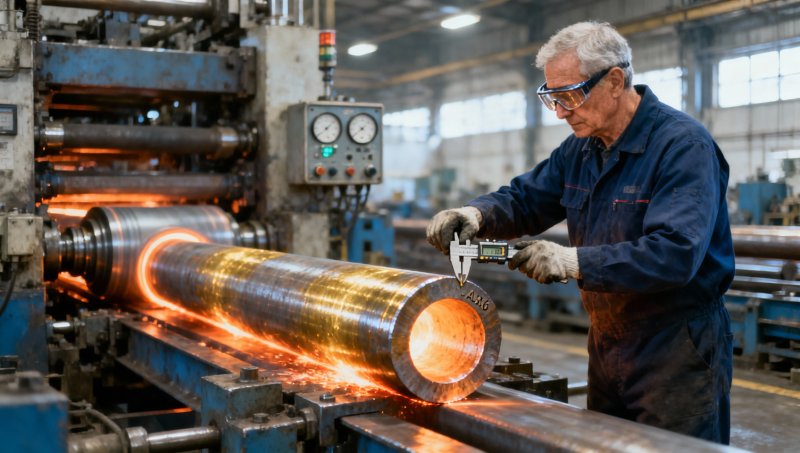
A “mill order” refers to a production instruction issued directly to a steel mill—typically initiated by a manufacturer, exporter, or authorized agent—to produce material according to specific technical, dimensional, and certification requirements. Unlike stock orders (which draw from existing inventory), mill orders trigger new rolling, heat treatment, surface finishing, or galvanizing processes. This distinction is foundational for buyers who require traceable, certified, or non-standard grades such as HRB600 steel rebar or ASTM A36 round bar.
For structural steel suppliers like Hongteng Fengda, a mill order isn’t just about volume—it’s a commitment to precision. Each order includes parameters like chemical composition limits, mechanical property targets (e.g., yield strength ≥400 MPa for HRB600), dimensional tolerances per ASTM A6, and third-party inspection protocols. Misinterpreting “mill order meaning” can lead to delays, non-compliance penalties, or field rejection—especially on infrastructure projects where audit trails are mandatory.
Importantly, mill orders support full traceability: heat numbers, ladle analysis reports, mill test certificates (MTCs), and EN 10204 3.2 documentation are generated at source—not retrofitted. That’s why global contractors sourcing Galvanised Sheet Steel Suppliers for roofing systems or cladding rely on mill-ordered DX51D/SGCC coils—not warehouse-pulled batches.
How Mill Orders Intersect With Key Standards & Specifications
Compliance isn’t optional—it’s engineered into the mill order. When you request ASTM A36 round bar, the order must specify not only diameter and length but also tensile strength (≥400 MPa), elongation (≥21%), and Charpy V-notch impact testing if required for low-temperature service. Similarly, HRB600 steel rebar demands strict adherence to GB/T 1499.2–2018, including rib geometry, bend test pass criteria, and fatigue resistance thresholds.
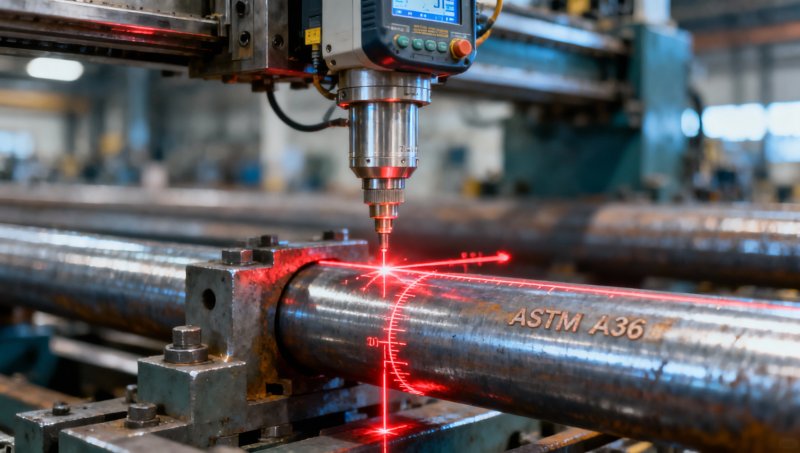
ASTM A6 tolerances serve as the universal benchmark for structural shapes—beams, channels, angles—and define allowable deviations in flange thickness, web depth, and straightness. A mill order referencing ASTM A6–23 explicitly binds the producer to these tolerances; failure to meet them invalidates the entire shipment. At Hongteng Fengda, every mill order undergoes pre-production tolerance validation using laser scanning and coordinate measuring machines (CMMs)—ensuring dimensional integrity before a single ton is rolled.
Procurement Guide: When to Place a Mill Order (vs. Stock Order)
Not every purchase warrants a mill order—but many do. Use this decision matrix:
- Choose a mill order when: You need ASTM A36 round bar in diameters >150 mm, HRB600 steel rebar with custom bending schedules, or cold-formed profiles with non-standard radii or coatings.
- Opt for stock when: Standard-length angle steel (L50×50×5) or common channel sizes (C200×75×9) are sufficient—and delivery within 10 days is critical.
- Hybrid approach: For large-volume projects, Hongteng Fengda often recommends partial mill orders (for critical components) + strategic stock allocation (for ancillary parts), balancing lead time and compliance.
Lead time implications are decisive. While stock shipments move in 7–12 days, mill orders for HRB600 steel rebar typically require 25–35 days—including raw material procurement, rolling, quenching, testing, and documentation. However, our vertically integrated facility enables tighter scheduling—especially for repeat customers with forecasted demand.
Why Partner With Hongteng Fengda for Your Mill Orders?
As a certified structural steel manufacturer and exporter from China, Hongteng Fengda bridges global specification rigor with agile production execution. We don’t just fulfill mill orders—we co-engineer them. Our team works directly with your engineers to review drawings, validate tolerances against ASTM A6, simulate weldability of ASTM A36 round bar, and pre-test HRB600 steel rebar under simulated seismic loads.
Our ISO 9001–certified facility supports dual-standard compliance (e.g., ASTM + GB), seamless EN 10204 3.2 documentation, and real-time production tracking via shared dashboards. For distributors and EPC firms, we offer bonded inventory programs—reducing capital lock-up while guaranteeing mill-order-level consistency across replenishment cycles.
Whether you’re specifying galvanized sheet for agricultural silos or high-strength rebar for metro tunnel linings, trust a partner who treats “mill order meaning” not as jargon—but as a contractual promise. Contact Hongteng Fengda today to align your next structural steel procurement with precision, predictability, and partnership.
Related recommendations
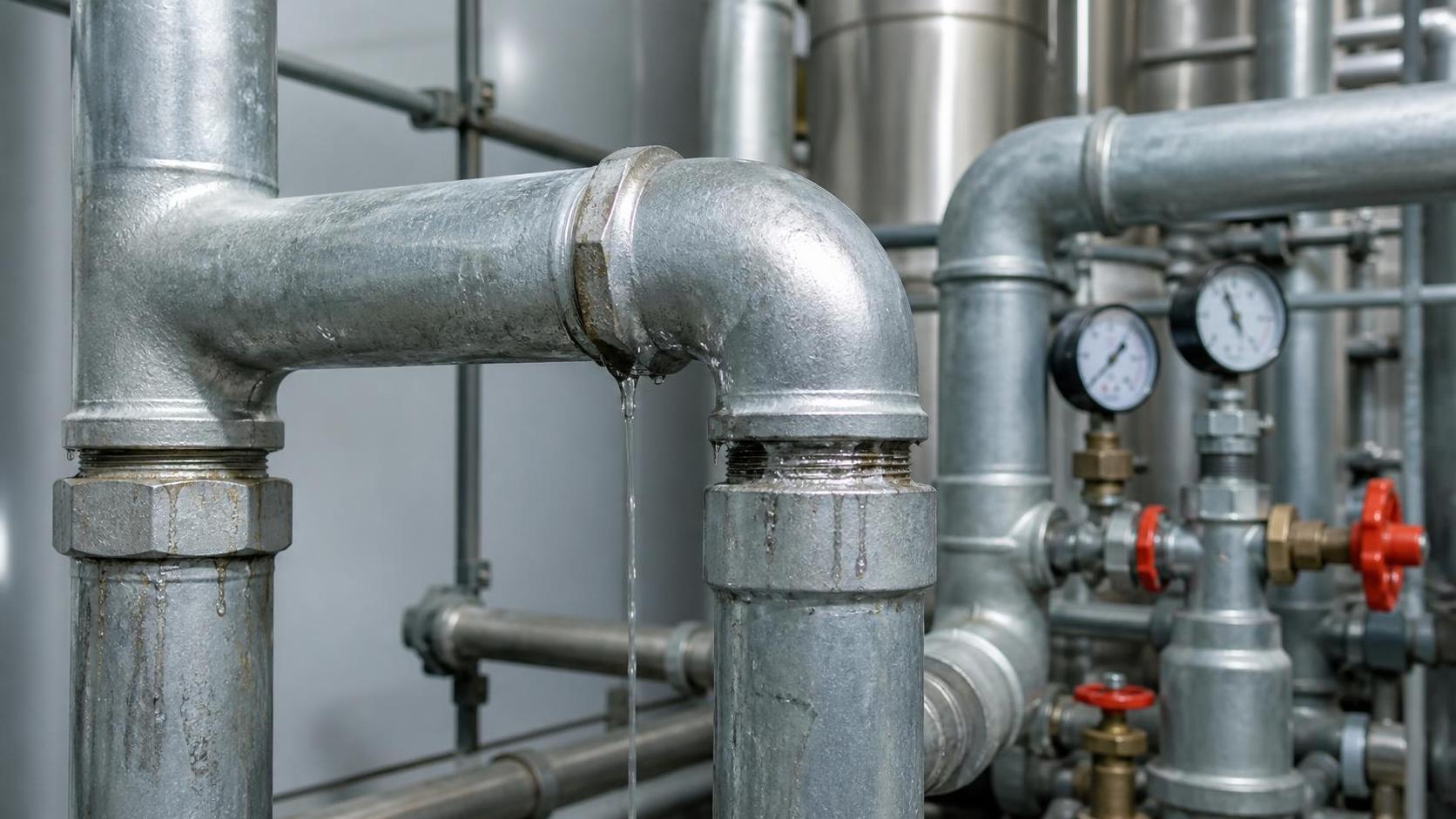
 Common Leak Risks When Using Galvanized Pipe for Plumbing SystemsGalvanized pipe for plumbing can hide corrosion, joint wear, and pressure-related leak risks. Learn the key warning signs, causes, and smart maintenance actions to prevent costly failures.
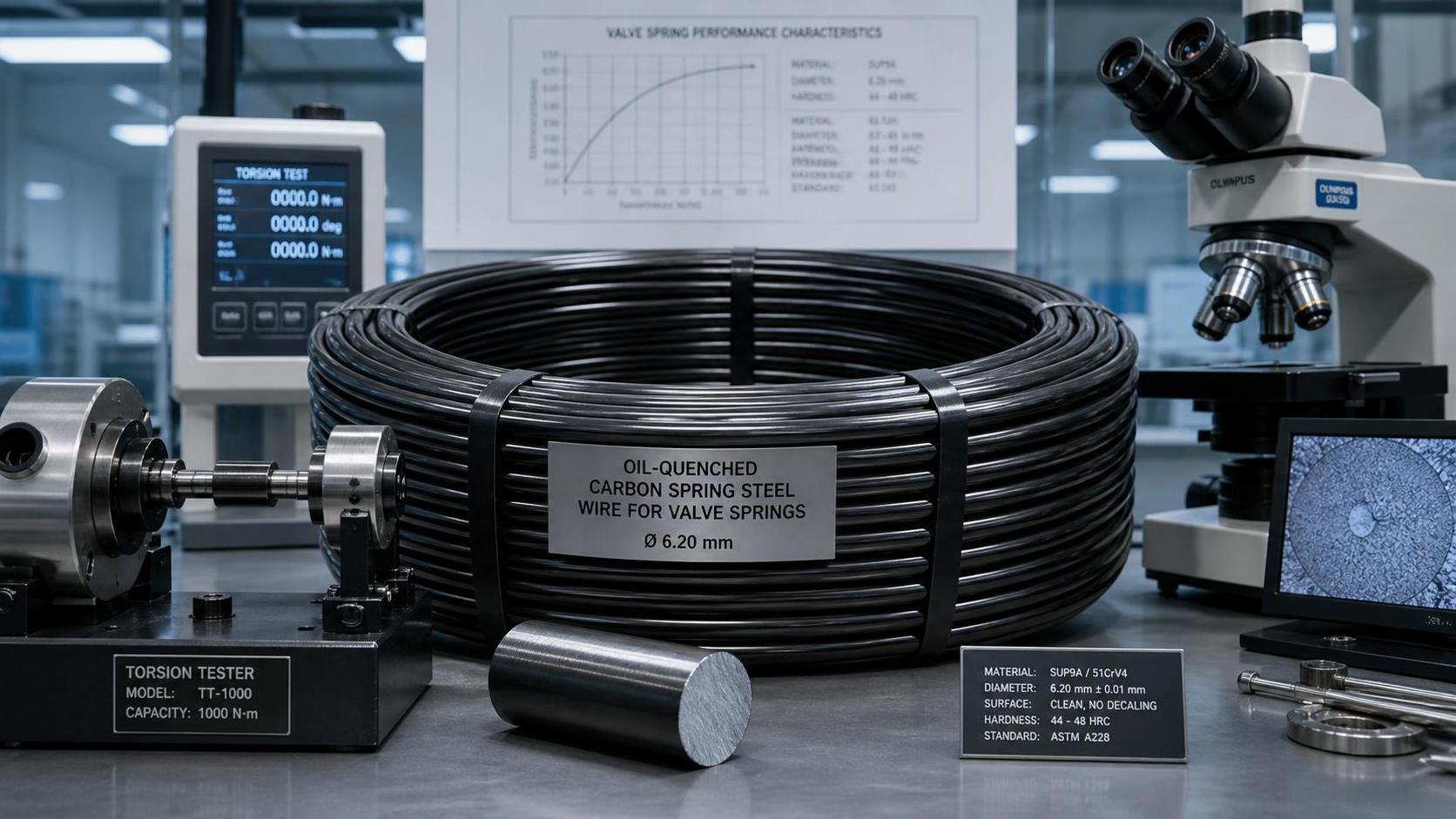
 Oil Tempered Carbon Steel Wire for Valve Spring: What Standards and Tests Matter?Oil tempered carbon steel wire for valve spring: learn which JIS, EN, and ASTM standards, decarburization checks, surface inspections, and fatigue-related tests truly protect spring life.
 Rebar for Foundation: Grade, Cover, and Spacing Mistakes to AvoidRebar for foundation guide: avoid costly grade, cover, and spacing mistakes that weaken durability, bonding, and concrete flow. Learn practical checks before the pour.
 Steel Tubing Dimensions: OD, Wall Thickness, and Gauge DifferencesSteel tubing dimensions explained clearly: compare OD, wall thickness, and gauge differences to avoid sizing mistakes, improve fit, and choose the right steel tube with confidence.
Please give us a message


Please enter what you want to find