L shaped angle steel is a practical and cost-effective solution for shelving, frames, and everyday repairs. Known for its strength, stability, and easy fabrication, it is widely used in home, workshop, and light industrial projects. Whether you need reliable support or custom steel options, choosing the right angle steel can improve durability, simplify installation, and help your project last longer.
What makes l shaped angle steel so useful for home and light-duty projects?
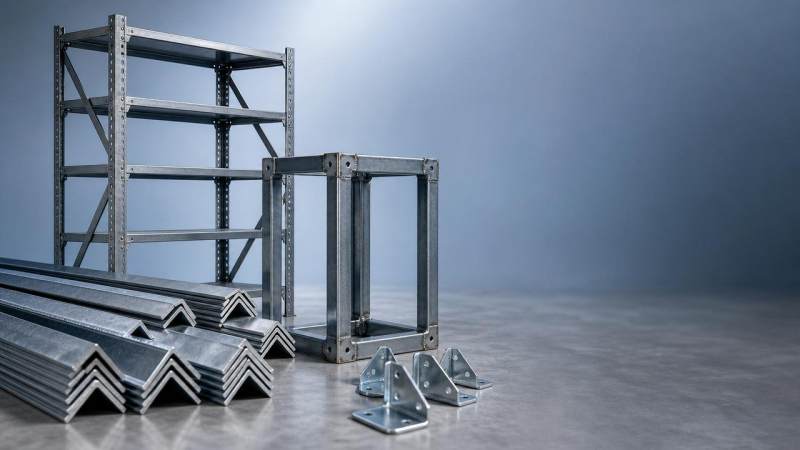
For end consumers, l shaped angle steel solves a very common problem: how to add strong structural support without using bulky or expensive materials. Its 90-degree profile gives it natural rigidity, making it suitable for shelves, brackets, frames, corners, benches, carts, and repair work.
In steel applications, shape matters as much as material grade. The L profile can carry loads along two perpendicular legs, which helps resist bending and twisting better than flat strip steel in many small structures. That is why many buyers choose it for practical fabrication rather than decoration alone.
Another reason it is popular is ease of processing. L shaped angle steel can usually be cut, drilled, welded, bolted, or painted with standard workshop tools. For consumers who want durable support but do not need oversized heavy sections, angle steel offers a balanced option between performance, simplicity, and budget control.
Key benefits users usually care about
- Good strength-to-weight balance for shelving frames, garage storage, and repair reinforcement.
- Straightforward fabrication for drilling holes, welding joints, and assembling bracket systems.
- Flexible sizing options, which help users match thickness and leg dimensions to real load conditions.
- Lower material waste in corner-based structures compared with some flat or box alternatives.
Which shelving, frame, and repair scenarios fit l shaped angle steel best?
Not every steel section is equally suitable for every job. L shaped angle steel performs best when the project needs edge support, corner stability, and direct fastening. It is especially practical in small fabrication tasks where installation speed and cost matter more than architectural appearance.
The table below helps compare common use scenarios from a buyer’s perspective, including what the steel section is expected to do and what users should watch before purchasing.
This comparison shows a simple truth: the best choice is not just about buying steel, but matching the section to the task. For shelving, span and load matter most. For repairs, weldability and fit with the original part become more important.
Typical users who benefit most
- Homeowners building custom storage racks or heavy-duty shelves.
- Workshop users making tool stands, small benches, and support frames.
- Maintenance buyers repairing gates, platforms, brackets, and machine supports.
- Small businesses that need economical steel for repeated light structural fabrication.
How to choose the right size, thickness, and finish
Many end users make the mistake of choosing by price alone. With l shaped angle steel, a cheaper section may bend, twist, or fail to hold its shape under repeated loading. A practical selection process should look at load, span, environment, and fabrication method together.
The guide below summarizes how basic buying conditions affect section choice. Exact structural design should be confirmed for critical projects, but these rules help consumers avoid the most common mismatch between steel size and real use.
For most buyers, the right approach is simple: define the load first, then the frame geometry, then the finish. If the project is exposed to moisture, finish selection is not optional. Surface protection often affects service life more than small differences in material cost.
A practical buying checklist
- Measure the actual shelf depth, frame height, or repair length instead of estimating.
- List the expected load in kilograms or the working condition in clear terms.
- Decide whether you need bare steel, oiled steel, painted steel, or galvanized steel.
- Confirm whether the project needs punching, cutting, welding preparation, or custom lengths.
L shaped angle steel vs other common steel options
Consumers often compare l shaped angle steel with flat bar, square tube, and channel steel. Each has different structural behavior, fabrication convenience, and cost implications. There is no single winner for every project, but there is usually a more efficient option for a specific use case.
The table below highlights decision points buyers should compare before purchasing steel for shelving, frames, or repair work.
If your project centers on corners, brackets, and direct fastener access, l shaped angle steel is usually the most practical choice. If visual finish and torsional stiffness matter more, tube may be better. If the load is higher and the span is longer, channel sections may deserve consideration.
What technical and quality points should buyers verify?
A steel product that looks similar on the surface may still differ in dimensional consistency, straightness, weldability, and surface condition. For end consumers, these details affect installation time, rework rate, and long-term reliability. Buying the wrong steel can create hidden costs even if the initial quote is low.
When sourcing from a structural steel manufacturer, ask for specification confirmation rather than relying on general product names alone. Material standards such as ASTM, EN, JIS, and GB help buyers understand whether the steel aligns with common international expectations for mechanical performance and manufacturing control.
Quality points worth checking
- Dimensional tolerance, especially leg size, thickness, straightness, and cut length consistency.
- Surface condition, including mill scale, oiling, coating, galvanizing, or painting needs.
- Weldability and workability if the angle steel will be cut, punched, or assembled on site.
- Traceable documentation for projects that require standard compliance or quality records.
In projects that combine different structural elements, buyers may also need sheet or coil products for brackets, gussets, or fabricated parts. In such cases, Steel Cold Rolled Coil can be relevant where good workability, good weldability, and custom processing such as cutting, punching, decoiling, or surface treatment are required for supporting components.
For example, Q355 carbon steel cold rolled material is used in construction machinery, building structures, and pressure vessels where high strength, enhanced toughness, and reliable fabrication performance are important. Available thickness ranges, width options, and finishes such as black, galvanized, coat, oiled, or painting can support related fabrication needs around a broader steel project.
How to control cost without making the wrong compromise
Price matters, especially for household and workshop buyers, but cutting cost the wrong way usually leads to higher total spending later. The most common mistakes are underestimating corrosion exposure, choosing sections that are too thin, and ignoring cutting or hole-processing costs until after the steel arrives.
A better cost strategy is to compare total installed value rather than material price alone. That means looking at usable length, fabrication effort, coating needs, expected life, and replacement risk. A slightly higher unit price may reduce labor time and future repairs.
Ways to reduce total project cost
- Order cut-to-length pieces to reduce waste and simplify installation.
- Choose the right surface finish at the start rather than repainting after rust appears.
- Bundle related fabricated items from one supplier to reduce sourcing complexity and mismatch risk.
- Use standard sizes where possible for faster production and more stable lead times.
Why sourcing from an experienced structural steel manufacturer matters
For many consumers, the biggest challenge is not just finding l shaped angle steel, but finding the right specification with consistent quality and realistic delivery support. A capable manufacturer helps reduce uncertainty in materials, tolerances, processing, documentation, and shipping coordination.
Hongteng Fengda is a professional structural steel manufacturer and exporter from China, serving global construction, industrial, and manufacturing projects. The company focuses on angle steel, channel steel, steel beams, cold formed steel profiles, and customized structural steel components, with support for both standard specifications and OEM requirements.
For end buyers, this matters because projects are rarely limited to one item. You may need angle steel for shelving frames, a different profile for supports, and processed steel components for assembly. Working with a supplier that has modern manufacturing facilities and strict quality control helps reduce sourcing risk and improve delivery consistency.
Compliance with widely used standards such as ASTM, EN, JIS, and GB also supports buyers who need clearer material references for local use, contractor communication, or project review. Stable production capacity and dependable lead times are especially helpful when a repair, installation, or light structural project cannot afford delays.
FAQ about l shaped angle steel
How do I know if l shaped angle steel is strong enough for shelving?
Start with shelf load, span, and number of support points. A short shelf with frequent vertical supports can use lighter sections than a long shelf carrying dense tools or machine parts. If the shelf will hold heavy items continuously, choose thicker sections and confirm the frame design, not just the steel piece itself.
Is galvanized angle steel better than painted steel?
It depends on the environment. For outdoor, humid, or frequently washed areas, galvanized steel usually offers stronger corrosion resistance. Painted steel can work well indoors if the coating is applied properly and damage is limited. The better option is the one that matches the actual service condition, not just the lower purchase price.
Can l shaped angle steel be used for repairs instead of replacing the whole frame?
Yes, in many light to moderate repair situations it is used to reinforce corners, stiffen weak sections, or rebuild damaged support edges. The key is to inspect the original structure first. If the surrounding material is already badly corroded or cracked, reinforcement alone may not be enough.
What should I ask a supplier before placing an order?
Ask about section size, thickness, material standard, finish, cut-to-length service, hole punching, welding suitability, packaging, and lead time. If your project has compliance needs, ask whether supporting documents such as MTC or inspection-related records are available for the supplied product category.
Why choose us for angle steel and related structural steel needs?
If you are comparing suppliers for l shaped angle steel, the best partner is one that helps you confirm the right specification before production begins. Hongteng Fengda supports buyers with standard and customized structural steel solutions, stable manufacturing capacity, and quality control aligned with international market requirements.
You can contact us to discuss section dimensions, material options, surface finish, quantity planning, and whether your shelving, frame, or repair project needs standard stock or OEM processing. We can also support questions about delivery schedule, certification references, custom cutting, sample arrangements, and quotation details for combined steel sourcing.
When your project depends on practical steel selection, clear communication saves time and reduces waste. Share your application, load needs, target market, and drawing or size list, and we can help you review a suitable angle steel solution and related structural steel options with greater confidence.
Please give us a message


Please enter what you want to find