Properly storing stainless coil tubing is essential to prevent scratches, corrosion, and costly handling damage before installation or processing. For operators and warehouse teams, the right storage method helps maintain surface quality, product performance, and compliance with project standards. In this guide, you will learn practical steps to protect stainless coil tubing during storage, handling, and daily inventory management.
Why does stainless coil tubing get surface damage during storage?
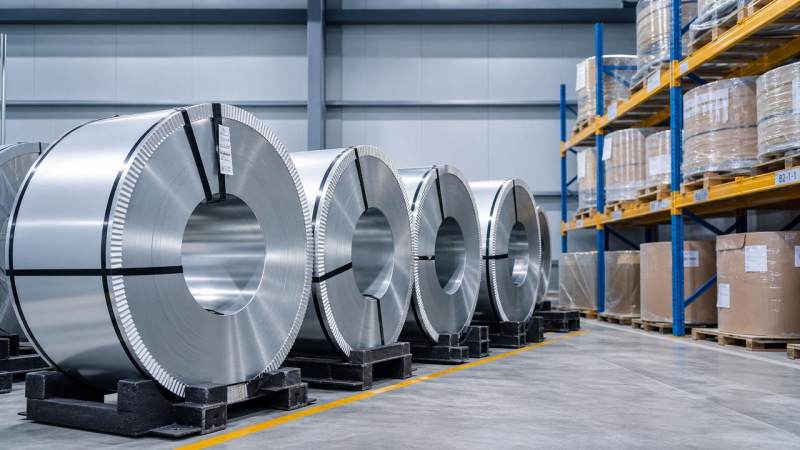
Many people assume stainless coil tubing is naturally damage-proof. In reality, storage conditions strongly affect its finish, cleanliness, and long-term corrosion resistance.
Surface damage usually starts with small mistakes. Metal-to-metal contact, poor stacking, dust, moisture, and forklift impact are common causes.
Even minor scratches can become serious problems. They may reduce appearance quality, create cleaning difficulties, and affect performance in demanding industrial environments.
Another issue is contamination. Carbon steel dust, chlorides, grease, and packaging debris can settle on stainless coil tubing and trigger staining or localized corrosion.
Storage damage is not always visible at first. Some defects appear later during forming, welding, polishing, or installation.
- Scratches from direct contact with racks or nearby coils
- Dents caused by improper lifting or rolling
- Water spots from condensation or roof leaks
- Rust-like staining from iron contamination
- Edge damage from unstable stacking
What is the best storage environment for stainless coil tubing?
The best environment for stainless coil tubing is clean, dry, covered, and stable in temperature. Good ventilation matters, but uncontrolled humidity does not.
Indoor storage is preferred whenever possible. It reduces exposure to rain, salt-laden air, airborne particles, and sudden temperature swings.
The floor should be level and dry. Stainless coil tubing should never rest directly on bare concrete, wet timber, or contaminated steel supports.
Use padded cradles, rubber-lined supports, or clean wooden blocks. These help separate the material from impact points and reduce abrasion.
Humidity control is critical. Condensation often forms when warm air meets cool metal surfaces, especially after unloading or seasonal weather changes.
If outdoor storage cannot be avoided, elevate the coils, cover them with breathable protective material, and allow drainage. Sealed plastic wrapping can trap moisture.
How should stainless coil tubing be handled and stacked safely?
Handling is often where stainless coil tubing suffers the most damage. Storage quality depends on how material is moved before it reaches the rack.
Use slings, coil hooks, and lifting tools designed for finished stainless surfaces. Worn chains or dirty forks can leave permanent marks.
Forklift contact points should be protected. Add soft covers or clean sleeves where the equipment touches the coil.
Do not drag stainless coil tubing across floors or rack beams. Even smooth movement can embed abrasive particles into the surface.
Stacking height should match coil weight, diameter, packaging strength, and rack design. Excessive stacking creates edge collapse and shape distortion.
Label visibility also matters. Clear identification reduces unnecessary handling and repeated movement inside the warehouse.
In many steel operations, storage planning also applies to other stainless products. For example, 304 Stainless Square steel rod also benefits from dry separation, padded support, and contamination control.
- Inspect lifting tools before each move
- Keep packaging intact until use
- Store heavier coils on lower levels
- Avoid mixed storage with rough-finished steel
- Use dedicated aisles for stainless products
How can you prevent corrosion and contamination on stainless coil tubing?
Stainless coil tubing resists corrosion well, but resistance is not immunity. Poor housekeeping can defeat the material’s natural protective layer.
The most important rule is separation. Keep stainless coil tubing away from carbon steel grinding, cutting, welding, and blasting activities.
Iron particles can settle on the surface and later oxidize. This often looks like rust, even when the base stainless material remains sound.
Packaging should stay clean and dry. Replace torn wrap, wet cardboard, or dirty spacers before they transfer contamination onto the coil.
Cleaning should use non-chloride products and soft materials. Avoid wire brushes, aggressive pads, or unknown chemicals that may damage the finish.
Regular inspection is the simplest prevention tool. Early signs of moisture, stains, or dents are much easier to correct than hidden long-term damage.
What daily inventory practices help protect stainless coil tubing?
Daily control is just as important as initial storage setup. Stainless coil tubing needs routine checks to stay in saleable or process-ready condition.
Start with traceability. Each coil should show grade, size, heat number, arrival date, and storage position without moving the package.
Apply first-in, first-out where project conditions allow. Long storage periods increase handling frequency and raise the chance of moisture exposure.
Create inspection intervals based on storage duration and climate. Coastal, humid, or high-traffic areas need more frequent checks.
Record issues immediately. A simple log for dents, wrap damage, contamination, or condensation helps stop repeated errors.
The same disciplined approach supports broader stainless inventory control. Products such as 304 Stainless Square steel rod are easier to preserve when identification and handling rules stay consistent.
- Check wrap condition every week
- Look for roof leaks and floor moisture
- Verify rack padding remains clean
- Remove debris from storage bays
- Review handling incidents for corrective action
Which storage mistakes cause the highest costs later?
The most expensive mistakes are usually preventable. They begin as minor shortcuts and later turn into rework, rejection, or delayed installation.
One major error is storing stainless coil tubing near active fabrication zones. Airborne particles from carbon steel processes can contaminate entire batches.
Another mistake is over-reliance on original packaging. Transit packaging helps temporarily, but it may not protect against long-term warehouse moisture.
Improper support spacing can also deform the coil over time. This may affect downstream straightening, cutting accuracy, or surface presentation.
Untrained equipment operation is another hidden cost. A single impact can damage outer wraps and expose stainless coil tubing to future contamination.
Ignoring small stains is risky. Early discoloration may indicate trapped moisture, incompatible materials, or poor airflow in the storage area.
How should you build a practical storage standard for stainless coil tubing?
A practical standard should be simple, visual, and repeatable. It must cover receiving, storage location, handling tools, inspection, and corrective actions.
Define where stainless coil tubing may be stored, what materials may touch it, and how long packaging may remain unopened.
Include clear acceptance rules at receiving. Check for damaged wrap, wet surfaces, missing labels, and signs of transport impact before rack entry.
Assign routine checks to a written schedule. Consistency is more effective than occasional deep inspections after problems already appear.
If steel products are supplied for global industrial and construction use, storage discipline becomes part of quality assurance, not only warehouse housekeeping.
Reliable exporters with modern production and strict quality control also need the same care after delivery. Proper storage protects compliance with ASTM, EN, JIS, and GB-related project expectations.
In summary, stainless coil tubing stays in better condition when the storage area is dry, clean, separated, padded, and regularly inspected. Good handling and traceability reduce defects before processing.
Review your current warehouse layout, handling tools, and inspection records. A few targeted improvements can significantly reduce damage risk and preserve the value of stainless coil tubing.
Please give us a message


Please enter what you want to find