Before accepting SMLS pipe for construction or industrial use, a careful inspection is essential to verify dimensions, surface quality, material compliance, and overall performance. Whether your project also involves steel coil, steel rail, tube stainless steel, ss tube, steel mesh, galvanised sheet steel, galvanised steel sheet, hot galvanizing, or ASTM A36 products, understanding the right inspection steps helps buyers, engineers, and quality teams reduce risk, control costs, and ensure reliable results.
For most buyers and project teams, the core question is simple: how do you confirm that seamless steel pipe actually matches the order, the standard, and the intended service condition before it enters production or installation? The practical answer is to inspect in layers—documents first, then dimensions, then surface condition, then material and performance verification, and finally packing and traceability. This approach helps prevent expensive mistakes such as wrong grade supply, wall thickness deviation, hidden damage, and non-compliant batches.
What should be checked first before accepting SMLS pipe?
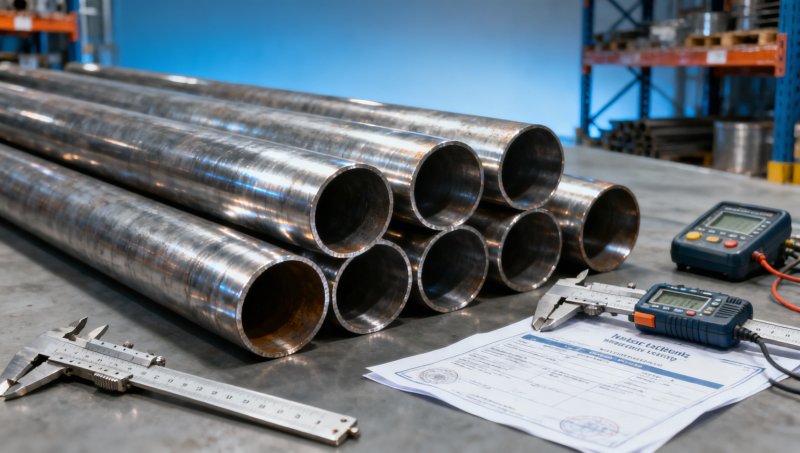
The first acceptance step is not visual inspection alone. It is document verification. Many quality disputes start because the pipe looks acceptable at first glance but does not match the specification in the purchase order or project standard.
Start by checking the following against your contract and technical requirements:
- Product standard, such as ASTM, EN, JIS, or GB
- Steel grade and material designation
- Outer diameter, wall thickness, and length tolerance
- Manufacturing process confirmation that it is seamless pipe
- Heat number, batch number, and traceability marks
- Mill test certificate and inspection reports
- Required tests, such as tensile, flattening, hydrostatic, or non-destructive testing
- Surface treatment, end condition, and packing method
If the documents are incomplete or inconsistent, acceptance should be paused. Even when the pipe appears usable, missing traceability or unclear material certification can create major compliance and safety risks later.
How do you inspect dimensions and appearance on arrival?
After document review, the next priority is physical inspection. This is the stage that matters most to site teams, QC personnel, warehouse staff, and procurement managers because it confirms whether the delivered goods are usable without rework or claims.
Key dimensional checks include:
- Outer diameter: Measure multiple pieces from different bundles or batches.
- Wall thickness: Use an ultrasonic thickness gauge or caliper where applicable, and check several points around the circumference.
- Length: Confirm random length, fixed length, or cut length as ordered.
- Straightness: Visually inspect and measure if needed, especially for fabrication or precision installation.
- End condition: Check whether plain ends, beveled ends, or threaded ends match the order.
- Ovality and roundness: Important for fit-up, welding, and pressure applications.
For surface quality, inspect under good lighting and look for:
- Cracks, laps, seams, or folds
- Dents, deep scratches, and impact damage
- Heavy rust, pitting, or corrosion
- Scale, peeling, or contamination
- End deformation from poor handling or transport
Minor cosmetic marks may be acceptable depending on the standard, but any defect that reduces wall thickness, affects welding, or suggests manufacturing issues should be recorded and reviewed before acceptance.
Which material and performance checks matter most?
Not every project requires full third-party laboratory retesting, but every serious acceptance process should verify that the material is credible and fit for purpose. The level of inspection should match the application risk.
For general structural or low-risk use, buyers often confirm compliance through:
- Mill test certificate review
- Heat number matching between pipe marking and documents
- Random dimensional and visual checks
For pressure service, critical fabrication, or regulated projects, stronger verification may include:
- Positive material identification if alloy mix-up is a concern
- Mechanical property review for tensile strength, yield strength, and elongation
- Hydrostatic test or NDT record confirmation
- Chemical composition verification by third-party inspection
- Sampling for independent laboratory testing
The goal is not to over-inspect every order. The goal is to prevent high-cost failure modes: wrong grade, under-thickness pipe, poor weldability, reduced service life, or rejection by the end customer.
In many industrial procurement programs, pipe is only one part of a broader steel package. Buyers handling multi-product sourcing often benefit from using the same acceptance discipline across related materials. For example, projects involving track systems, industrial structures, or transport infrastructure may also require Rail products. In such cases, similar controls—checking grade, dimensions, certification, surface condition, delivery length, and traceability—help standardize quality management across the supply chain. This is especially useful when sourcing carbon steel or medium manganese steel products in multiple specifications and appearance finishes such as oil, black, galvanized, or painted.
How much sampling is enough for acceptance inspection?
This is one of the most practical concerns for procurement teams and QC managers. Checking every single pipe may be unrealistic, but checking too little creates risk.
A workable approach is to base sampling on:
- Total order quantity
- Number of bundles or heat numbers
- Application criticality
- Supplier performance history
- Contract quality requirements
For example, random checks can be taken from each bundle or each heat number rather than only from easily accessible top pieces. If the project is critical or the supplier is new, increase the sample size and consider third-party witness inspection before shipment or on arrival.
Sampling should never be purely informal. Use a checklist and keep records of:
- Inspection date and inspector name
- PO number and item description
- Sample quantity and selection method
- Measured values and observed defects
- Photo evidence where relevant
- Acceptance, conditional acceptance, or rejection decision
What are the most common reasons SMLS pipe gets rejected?
Understanding common rejection points helps readers focus inspection on what really matters. In practice, these issues appear repeatedly:
- Wall thickness below tolerance
- Wrong steel grade or unclear material identification
- Mismatch between marking and mill certificate
- Surface cracks, severe rust, or transport damage
- Length shortage or incorrect end finish
- Mixed batches packed together without traceability
- Missing test reports or incomplete compliance documents
For project managers and business evaluators, these problems are not only technical issues. They directly affect installation schedules, claim handling, cash flow, and contract risk. A delayed or disputed pipe shipment can stop fabrication lines, delay site work, and increase total procurement cost far beyond the product price.
How can buyers build a reliable acceptance process?
The most effective acceptance systems are simple, repeatable, and tied to purchasing risk. A practical process usually includes these five steps:
- Predefine acceptance criteria in the PO: standards, tolerances, documents, testing, marking, and packing requirements.
- Request pre-shipment documentation: review MTCs and inspection reports before dispatch.
- Perform receiving inspection: verify quantity, dimensions, appearance, and traceability on arrival.
- Escalate critical doubts quickly: hold suspect materials and arrange third-party verification if necessary.
- Record supplier performance: use data from each delivery to guide future sourcing decisions.
For distributors, contractors, and industrial buyers, this process improves consistency and reduces dependence on subjective judgment. For finance approvers and company decision-makers, it supports better cost control because inspection prevents avoidable loss from unusable stock, rework, delays, and warranty issues.
Final acceptance decision: when is SMLS pipe safe to approve?
SMLS pipe should be accepted only when the delivered material matches the ordered specification, passes dimensional and visual checks, has complete and traceable documentation, and shows no indication of quality risk that could affect fabrication, installation, or service performance.
If there is doubt, the right decision is not immediate rejection or blind acceptance. It is controlled hold status pending clarification. This protects project quality while giving suppliers a fair path to resolve discrepancies.
In short, effective SMLS pipe acceptance is about verifying facts, not assuming compliance. When buyers and quality teams inspect documents, dimensions, surface condition, material evidence, and traceability in a structured way, they reduce sourcing risk, improve project reliability, and make better commercial decisions.
Please give us a message


Please enter what you want to find