If you're wondering how long galvanized steel sheet for roofing can last, the answer depends on coating quality, climate, installation, and maintenance. For homeowners, choosing the right roofing material means balancing durability, cost, and long-term performance. In this guide, we’ll explain what affects service life and how to get the most value from galvanized steel roofing.
What homeowners really want to know before choosing galvanized roofing
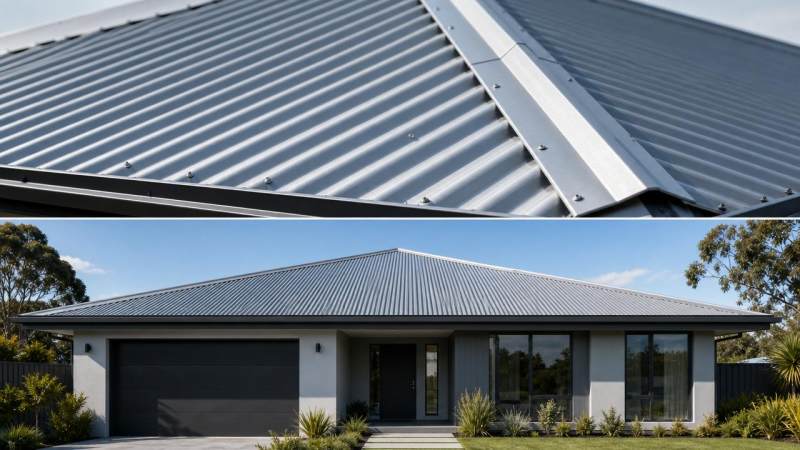
Most people searching for galvanized steel sheet for roofing are not looking for a textbook definition. They want a practical answer: how many years will the roof last, and is it worth the money?
In most residential situations, galvanized steel roofing can last around 20 to 50 years. In mild climates with proper installation and regular maintenance, service life can move toward the upper end.
In harsher environments, especially coastal, humid, or polluted areas, lifespan may be shorter. The zinc coating protects the steel, but that protective layer gradually wears down over time.
So the short answer is this: galvanized roofing can be a durable and cost-effective option, but its real lifespan depends less on the sheet itself and more on quality, environment, and care.
How galvanized steel sheet for roofing resists corrosion
Galvanized steel is ordinary carbon steel coated with a layer of zinc. That zinc acts as a barrier between the base steel and moisture, oxygen, and other corrosive elements.
The zinc also offers sacrificial protection. This means the coating corrodes before the steel underneath does, helping delay rust and extending the useful life of the roof panel.
For homeowners, this matters because the roof does not fail the moment the surface gets scratched. A properly galvanized sheet still has some ability to resist localized corrosion.
However, not all galvanized roofing products perform the same. Coating thickness, base steel quality, and manufacturing consistency all affect how well the material holds up over decades.
What is the typical lifespan in real residential use?
A realistic service life for galvanized steel sheet for roofing is usually between 20 and 50 years. Some roofs may last longer, but that range is a practical benchmark for planning.
In dry inland climates, with low salt exposure and limited industrial pollution, galvanized roofing often performs very well. Corrosion happens more slowly, especially when drainage and ventilation are properly designed.
In tropical regions with frequent rain, prolonged humidity can accelerate coating wear. If water remains on the roof surface or debris traps moisture, deterioration may begin sooner.
In coastal locations, airborne salt is one of the biggest threats. Salt can attack exposed edges, fastener points, and damaged coating areas, reducing the expected lifespan significantly.
That is why two roofs made from similar material can age very differently. When judging lifespan, climate is often just as important as product price or visual appearance.
What factors most strongly affect how long the roof will last?
The first major factor is zinc coating weight or thickness. In general, a heavier and more uniform coating provides better corrosion resistance and better long-term performance.
The second factor is installation quality. Even premium roofing sheets can fail early if screws are overdriven, edges are poorly sealed, or roof slopes allow standing water.
The third factor is roof design. Valleys, overlaps, and low-slope sections tend to collect water and debris. These areas usually age faster than clean, well-drained roof surfaces.
The fourth factor is maintenance. Leaves, branches, and dirt may seem harmless, but they trap moisture. Over time, that creates ideal conditions for coating breakdown and rust formation.
The fifth factor is contact with incompatible materials. Certain metals or chemically treated wood can create reactions that speed up corrosion where materials touch.
How can you tell if a galvanized roof is good quality before buying?
Homeowners often compare roofing options only by thickness or price, but those are not enough. A low upfront cost may hide a thinner coating or inconsistent manufacturing quality.
Start by asking about coating specifications and applicable standards. Reputable suppliers should clearly explain whether the roofing sheet meets recognized industry requirements for material and coating performance.
Also ask about base metal thickness, surface finish, dimensional consistency, and warranty coverage. Good roofing products should not vary excessively from sheet to sheet in shape or appearance.
If the supplier cannot explain production control, testing, or standard compliance, that is a warning sign. Long roof life begins with stable quality before installation even starts.
Manufacturers with experience in structural steel and international export often have better process control. That matters because consistency in steel substrate and coating quality influences roofing durability.
Installation mistakes that can shorten roof life much earlier than expected
One of the most common problems is poor fastener installation. Fasteners that are too tight can damage the protective coating, while loose fasteners may allow water penetration.
Cutting panels with tools that overheat the edge can also reduce corrosion resistance. Heat-damaged edges are more vulnerable to early rust, especially in wet climates.
Another mistake is ignoring drainage. If roof pitch is too low for the panel profile, water may pond or drain too slowly, increasing the chance of corrosion and leakage.
Improper overlap design can cause capillary water intrusion. Even when the sheet itself is good, weak detailing at joints may shorten usable service life and raise maintenance costs.
Roofing should always be installed with proper flashing, ventilation, and compatible accessories. A durable sheet cannot compensate for a poor roofing system design.
How much maintenance does galvanized steel roofing need?
Compared with many traditional roofing materials, galvanized steel roofing is relatively low maintenance. Still, low maintenance does not mean maintenance-free, especially if you want the longest possible service life.
A basic inspection once or twice a year is usually enough for most homes. Check for debris buildup, blocked drainage paths, loose fasteners, scratched coating, and early signs of rust.
After storms, inspect the roof again. Branch impact, wind-lifted flashing, or standing water can create small issues that become expensive if ignored for too long.
Cleaning should be gentle and practical. Remove leaves, dirt, and trapped organic matter, especially in valleys and around penetrations. Avoid aggressive methods that may damage the zinc coating.
If you notice small rust spots, address them early. Localized repair is far easier and cheaper than waiting until corrosion spreads beneath the surface.
Is galvanized roofing better than other common roofing materials?
The answer depends on your budget, appearance preference, and local climate. Galvanized steel roofing usually offers a strong balance between affordability, strength, and useful lifespan.
Compared with asphalt shingles, galvanized steel can last longer and often requires less frequent replacement. It may also perform better against fire, wind, and certain weather extremes.
Compared with more advanced coated metal roofing, basic galvanized roofing may have a shorter lifespan in severe environments. Premium coated systems can offer stronger corrosion resistance but at higher cost.
Compared with tiles, galvanized roofing is lighter and easier to install on many structures. That can reduce structural load and simplify construction in some residential projects.
For homeowners focused on value rather than luxury finish, galvanized roofing is often a sensible middle-ground choice, especially when sourced well and installed correctly.
How supporting steel quality can also affect roofing performance
Homeowners often focus only on the visible roof sheet, but the supporting structure matters too. If the framing system is unstable, misaligned, or poorly protected, roof performance may suffer.
For example, uneven supports can stress roofing sheets, create poor fastener seating, and cause drainage problems. Over time, those issues may contribute to leaks or premature wear.
In broader construction projects, material selection for frames, brackets, and support members should be made carefully. Reliable steel supply improves the consistency of the whole building envelope.
For related structural applications, some buyers also look at products such as Carbon Steel Plate Manufacturer solutions for building frames, brackets, supports, tanks, and mechanical components.
Such products are commonly available in grades like A36, Q235, and S235JR, with balanced mechanical properties, weldability, easy formability, and compliance with standards including ASTM, EN, JIS, and ISO.
While roof sheets and carbon steel plates serve different purposes, both reflect the same principle: durable buildings start with consistent material quality, appropriate specifications, and dependable manufacturing control.
How to choose the right galvanized steel sheet for roofing for your home
Start with your environment. If your home is near the sea, in heavy rain zones, or in polluted urban areas, ask for higher corrosion protection and do not buy on price alone.
Next, review sheet thickness and coating details together. A thicker sheet may add strength, but without sufficient coating protection, corrosion can still become the limiting factor.
Then consider the full roofing system, not just the panel. Fasteners, flashing, sealants, ventilation, and underlayment all influence long-term performance and leak resistance.
Ask the supplier how the product is manufactured, tested, packed, and shipped. Damage during handling and transport can affect coating integrity before installation even begins.
Finally, work with installers who understand metal roofing. The best galvanized sheet cannot deliver its expected lifespan if key details are handled poorly on site.
When is galvanized roofing a smart choice, and when should you think twice?
Galvanized roofing is a smart choice when you want a practical, durable, and cost-conscious roofing material. It suits many homes, workshops, farm buildings, and utility structures very well.
It is especially attractive when light weight, straightforward installation, and long-term value matter more than premium architectural appearance. For many buyers, that is exactly the right priority.
However, if your property is directly exposed to coastal salt spray or you want the longest possible lifespan with minimal corrosion risk, it may be worth comparing upgraded coated metal options.
You should also think twice if the project involves poor roof slope, low-quality installation, or no maintenance plan. Under those conditions, even a durable material may disappoint.
In other words, galvanized roofing is not automatically the best roof for every house, but it is often one of the most practical options when chosen with clear expectations.
Final takeaway: how long can galvanized steel sheet for roofing last?
For most homeowners, a fair expectation is about 20 to 50 years, with the exact lifespan depending on coating quality, climate, installation standards, and ongoing care.
If you choose a well-made galvanized steel sheet for roofing, install it correctly, and keep it clean and inspected, you can get strong long-term value from the investment.
The biggest mistake is assuming all galvanized roofing products are equal. They are not. Material quality and roofing details often make the difference between early problems and decades of reliable service.
So if you are comparing options, focus on lifecycle value rather than purchase price alone. That approach will help you choose a roof that performs better and lasts longer.
Please give us a message


Please enter what you want to find