In 2026, understanding galvanized sheet price means looking beyond raw steel costs to zinc coating weight, thickness, processing, freight, and market demand. For buyers comparing ss pipe price, rebar for concrete slab, or corrugated steel roofing, accurate price evaluation is essential for budgeting and supplier selection. This guide explains the key cost factors and how global buyers can make smarter sourcing decisions.
What Actually Determines Galvanized Sheet Price in 2026?
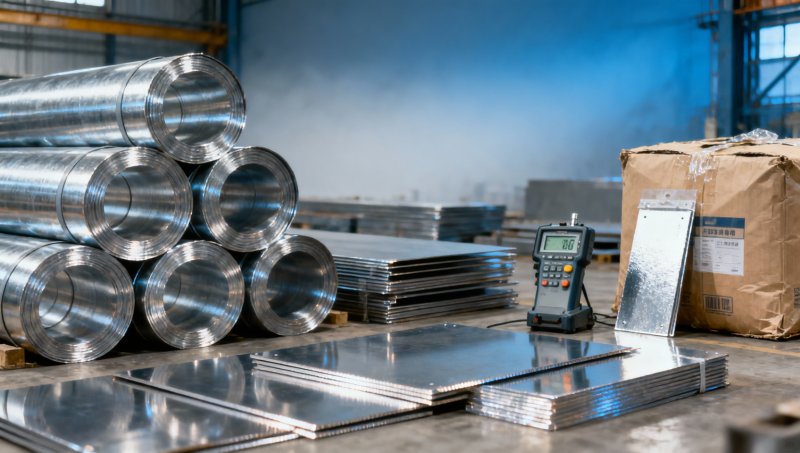
The short answer is this: galvanized sheet price in 2026 is usually calculated from a combination of base steel cost, zinc coating cost, thickness and width specifications, processing requirements, order volume, and delivery expenses. For most buyers, the final quotation is not just a “price per ton” number. It is a structured cost made up of material, coating, conversion, packaging, logistics, and commercial terms.
If you are sourcing for construction, manufacturing, appliances, transportation, or industrial fabrication, the most important point is that two sheets with the same dimensions can still have very different prices because of coating weight, grade, standard, and tolerances. That is why smart buyers compare quotations line by line instead of only checking the lowest offer.
In practical procurement, suppliers often calculate galvanized steel sheet pricing using this basic logic:
Final Price = Base Steel Price + Zinc/Coating Cost + Processing Cost + Packaging + Freight + Trade/Market Adjustment
This means a price change in any one of these items can affect the total landed cost. In 2026, that is especially relevant because zinc market volatility, freight shifts, and regional demand continue to influence export offers.
How Do Thickness, Coating Weight, and Grade Change the Price?
For technical evaluators, purchasing teams, and project managers, this is usually the most important part of price calculation.
1. Thickness
Thicker sheet uses more steel per square meter, so the price rises directly with weight. A 2.0 mm sheet will naturally cost more than a 0.5 mm sheet, even before coating and processing are considered. Buyers should avoid comparing offers with different actual thickness tolerances, because a lower quote may reflect negative tolerance rather than true savings.
2. Zinc coating weight
The zinc layer is one of the biggest cost drivers. Common coating ranges such as 60–275 g/m² can significantly change pricing. Higher coating weight generally means better corrosion resistance, but also higher zinc consumption and higher cost. In coastal, humid, or industrial environments, a higher coating may reduce lifecycle maintenance cost, making the higher purchase price worthwhile.
3. Steel grade
Different grades such as DX51D, SGCC, S280GD, S350GD, or S550GD serve different forming and strength requirements. Higher strength or more specialized grades may require tighter process control and therefore higher prices. Buyers should match grade to application instead of over-specifying, which often increases cost without adding real value.
4. Width and length
Non-standard width, cut-to-length service, and custom dimensions can increase waste, setup time, and processing cost. If your project can use standard mill sizes, pricing is usually more favorable.
What Other Hidden Costs Should Buyers Check Before Comparing Quotes?
Many buyers make the mistake of comparing only ex-factory sheet prices. In reality, the final procurement cost often depends on several less obvious items:
- Surface treatment and passivation: Additional anti-fingerprint, oiling, or special surface requirements may increase price.
- Cutting, slitting, or profiling: Secondary processing adds labor, tooling, and yield loss.
- Packaging standard: Export-worthy seaworthy packing costs more than simple local packing but reduces damage risk.
- Testing and certification: Mill test certificates, third-party inspection, and standard compliance verification can affect total cost.
- MOQ and order batch: Small trial orders usually carry higher unit cost than container-level or contract volume purchases.
- Incoterms: FOB, CFR, CIF, DDP, and local delivery create different cost structures.
- Payment terms: Better payment flexibility may be reflected in quotation levels.
For importers and distributors, freight and exchange rates are particularly important in 2026. Ocean shipping changes can erase the advantage of a lower factory quote. That is why landed cost comparison is more useful than factory-price-only comparison.
How Do Manufacturers Usually Quote Galvanized Sheet for Export Projects?
Reliable suppliers usually prepare quotations based on a clear technical and commercial checklist. This often includes:
- Grade and standard
- Thickness, width, and length
- Zinc coating requirement
- Surface finish
- Application or end use
- Quantity
- Packing method
- Inspection requirement
- Delivery port and trade term
- Lead time requirement
When this information is incomplete, suppliers may quote based on assumptions. That often leads to price revisions later. For procurement teams, the easiest way to improve price accuracy is to provide a complete RFQ at the start.
For example, buyers looking for Galvanized Steel Sheet for construction, home appliances, transportation, or industrial use should confirm not only the dimension range, but also strength needs, coating thickness, and whether standard or customized supply is required. Materials available in common export grades such as DX51D, SGCC, DX52D, S250GD, S350GD, and S550GD may also differ in price depending on forming performance, yield strength, and compliance requirements. Typical supply ranges can cover thickness from 0.12 mm to 6.00 mm, width from 600 mm to 1500 mm, and lengths from 1 m to 12 m, with customization available for project-based demand.
How Can Buyers Judge Whether a Quoted Price Is Reasonable?
A reasonable galvanized sheet price is not always the lowest one. It is the one that matches your technical needs, quality expectations, and delivery plan without creating hidden risk.
Here are five practical checks buyers can use:
Compare actual coating, not just product name.
A lower price may mean lower zinc coating or different substrate quality.
Check theoretical weight versus invoiced weight.
Understanding weight calculation helps avoid confusion when comparing ton-based and square-meter-based offers.
Review standard and tolerance.
ASTM, EN, JIS, and GB-based production may differ in detail. Make sure the quote reflects the standard your project requires.
Include logistics and handling.
Packaging, destination, customs, and inland transport can change the real project cost.
Consider service reliability.
Stable production, documentation support, quality consistency, and lead time control can be more valuable than a small initial price difference.
This is especially important for enterprise buyers and decision-makers. A cheaper sheet that causes installation issues, corrosion complaints, or delayed delivery can cost much more at project level.
Why Do 2026 Market Conditions Matter So Much?
In 2026, galvanized sheet pricing is influenced by both steel market fundamentals and global supply chain conditions. Buyers should monitor:
- Zinc price fluctuations
- Hot rolled coil or cold rolled substrate trends
- Energy and production cost changes
- Export policies and tariffs
- Construction and manufacturing demand by region
- Shipping rates and container availability
When demand rises in infrastructure, roofing, machinery, and fabrication markets, mills may tighten lead times and increase offers. On the other hand, weak industrial demand can create negotiation room. Buyers planning quarterly or project-based procurement should watch these indicators instead of purchasing blindly at spot peaks.
What Is the Best Way to Reduce Cost Without Sacrificing Quality?
The best strategy is not simply to force the lowest unit price. It is to optimize specification and sourcing structure.
- Choose the right coating level for the actual environment.
- Use standard sizes when possible to reduce processing waste.
- Consolidate orders to improve bargaining power and freight efficiency.
- Clarify standards and tolerances early to prevent claim risk.
- Work with manufacturers that offer stable quality control and export experience.
For global buyers, a manufacturer with modern facilities, standard compliance, and dependable lead times often delivers better total value than a trader-only source with limited process control. This is especially relevant for projects requiring ASTM, EN, JIS, or GB compliance, consistent mechanical properties, and inspection documentation.
Conclusion: How Should Buyers Evaluate Galvanized Sheet Price in 2026?
Galvanized sheet price in 2026 should be evaluated as a full cost structure, not a single number. The key variables are substrate steel cost, zinc coating weight, dimensions, grade, processing, packaging, freight, and market conditions. For buyers, the most effective approach is to compare quotations based on the same technical requirements and the same trade terms.
If you want to make a sound sourcing decision, focus on three things: whether the specification matches your real application, whether the quoted cost is transparent, and whether the supplier can deliver consistent quality on time. That is the best way to balance price, performance, and project risk in the 2026 market.
Please give us a message


Please enter what you want to find