Galvanized Steel Wire Rope Maintenance Tips to Extend Service Life in Outdoor Use
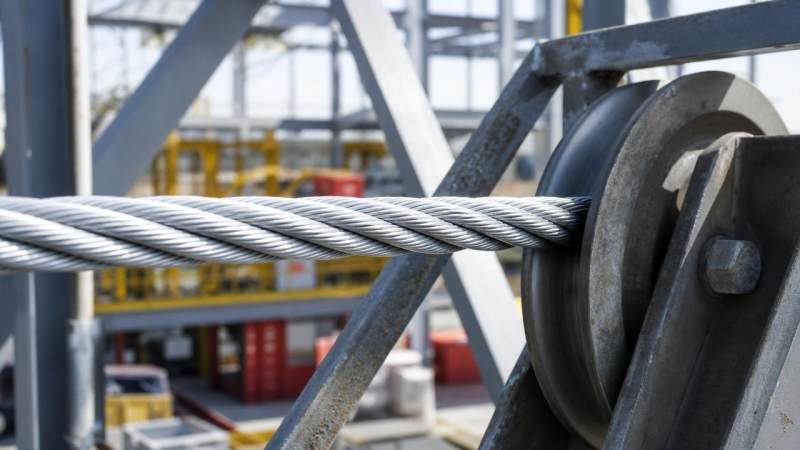
Outdoor steel systems fail early for simple reasons.
Moisture stays on the surface, dirt traps salt, and overload creates hidden fatigue.
That is why proper Galvanized Steel Wire Rope maintenance matters long after installation.
Good care reduces corrosion, slows wear, improves safety, and avoids unnecessary replacement cycles.
In construction, lifting, bridge support, and industrial outdoor use, small maintenance routines protect larger steel assets.
For companies working with global steel supply chains, consistency in maintenance is as important as consistency in material quality.
This is especially true when rope systems are used beside structural steel, fabricated frames, or exposed support assemblies.
Why does Galvanized Steel Wire Rope still need maintenance if it already resists corrosion?
A common misunderstanding is that galvanizing means maintenance-free service.
It does not.
The zinc coating helps delay rust, but outdoor exposure slowly consumes that protection.
Rain, coastal air, industrial pollutants, and repeated bending all shorten coating life.
More importantly, Galvanized Steel Wire Rope often fails from combined causes rather than one obvious issue.
Surface corrosion may begin first.
Then dirt increases abrasion between strands.
Later, poor lubrication accelerates internal wire wear where damage is harder to see.
In real outdoor operations, rope condition depends on three things working together:
- quality of the original rope and zinc coating
- environmental exposure level
- discipline of inspection, cleaning, and load control
That is why maintenance should start early, not after visible rust appears.
What should be checked during routine inspection outdoors?
A useful inspection routine is practical, short, and repeatable.
The goal is not paperwork.
The goal is finding early signs before the rope becomes unsafe.
Start with visual checks along the full rope length.
Pay special attention to end connections, pulleys, drums, and sections near repeated bending points.
These zones usually deteriorate faster than straight, lightly stressed sections.
If the rope works near steel beams, brackets, or sharp fabricated edges, inspect contact points even more often.
A good rope can still wear out quickly in a poorly aligned system.
How often should cleaning and lubrication be done?
There is no single interval that fits every site.
A dry inland project may need light maintenance monthly.
A coastal or chemical environment may require weekly checks and frequent relubrication.
The better approach is condition-based scheduling.
If the rope looks dusty, dry, stained, or rough during movement, maintenance is already due.
When cleaning Galvanized Steel Wire Rope, avoid aggressive steel brushing that damages the zinc layer.
Use a soft brush, clean cloth, or low-pressure methods suitable for the site.
Then apply a rope lubricant that can penetrate between strands without trapping abrasive debris.
Too much lubricant is also a problem.
Heavy buildup attracts dust and sand, especially on open industrial sites.
For outdoor steel projects, a balanced maintenance routine often includes:
- weekly visual condition checks
- scheduled cleaning after rain, mud, or salt exposure
- lubrication after cleaning and drying
- extra inspection after shock loading or unusual movement
In many projects, maintenance records also support warranty review, safety control, and replacement planning.
Can surrounding steel components affect rope life more than expected?
Yes, and this is often overlooked.
Galvanized Steel Wire Rope performs within a system, not by itself.
If support plates, anchor bases, sheave brackets, or welded frames are poorly finished, rope wear increases fast.
Rough edges, misalignment, and unstable supports create concentrated stress.
That can lead to strand distortion and coating loss long before corrosion becomes the main issue.
In bridge panels, construction equipment, transmission towers, and heavy machinery, related steel parts should match the rope duty level.
Where support plates or mounting plates are involved, material consistency matters.
For example, projects using A572 or S355JR low-carbon, low-alloy high-strength steel often benefit from stable strength, good forming, and reliable fabrication quality.
A practical reference for such applications is Mild Steel Plate Supplier.
With widths from 100mm to 3000mm and thickness from 0.1mm to 400mm, those plates suit support structures where alignment and load transfer affect rope service life.
This system view is consistent with the way experienced structural steel exporters work.
Hongteng Fengda, for example, focuses on controlled production, international standards, and dependable supply for steel components used in demanding outdoor projects.
Which mistakes shorten service life the fastest?
The biggest mistakes are usually ordinary habits, not rare technical failures.
Leaving the rope wet after cleaning is one.
Using the wrong lubricant is another.
Ignoring load spikes may be the most expensive mistake of all.
The following warning signs deserve attention:
- rope rubbing against unprotected steel corners
- improper winding on drums
- long outdoor storage directly on soil
- mixing old and new end fittings without inspection
- continuing operation after visible deformation
Another frequent issue is assuming appearance alone tells the full story.
A rope may still look acceptable outside while internal wires are already damaged.
That is why movement behavior, noise, stiffness, and bending response should be observed together.
What is the best way to store and manage replacement timing?
Storage has a direct effect on future outdoor performance.
Keep Galvanized Steel Wire Rope off the ground and away from standing water.
Use covered, ventilated storage whenever possible.
If outdoor storage cannot be avoided, protect the reel from rain and contamination while allowing airflow.
Do not wrap it so tightly that condensation remains trapped underneath.
Replacement timing should not depend only on calendar age.
A better method combines operating hours, environment severity, loading history, and inspection results.
If rope use supports critical steel assemblies, planned replacement is usually safer than waiting for clear failure symptoms.
This matters on projects where shutdown costs are high or access is difficult.
A simple record should include installation date, site conditions, lubrication dates, observed defects, and load incidents.
That history makes future decisions much more accurate.
Final question: how do you turn maintenance into longer service life?
The answer is not one product or one inspection form.
It is a repeatable system.
Galvanized Steel Wire Rope lasts longer outdoors when cleaning, lubrication, storage, alignment, and load control are treated as connected tasks.
Just as structural steel performance depends on material quality and fabrication control, rope life depends on both product choice and field discipline.
If current maintenance feels reactive, start by reviewing inspection points, support component condition, and environmental exposure.
Then set practical intervals, document findings, and compare wear patterns over time.
That approach helps reduce sourcing risk, control replacement costs, and keep outdoor steel systems operating with fewer interruptions.
Please give us a message


Please enter what you want to find