Proper maintenance after installation is no longer a minor follow-up task for a galvanized h beam. It has become a critical part of lifecycle control in modern steel projects.
Across industrial structures, owners now expect longer service intervals, fewer shutdowns, and more predictable maintenance budgets. That shift directly changes how a galvanized h beam should be inspected and protected.
When post-installation care is handled well, the galvanized coating keeps working as designed. Structural stability remains reliable, corrosion risk stays lower, and costly repair work can often be delayed.
Why post-installation expectations for galvanized h beam are rising
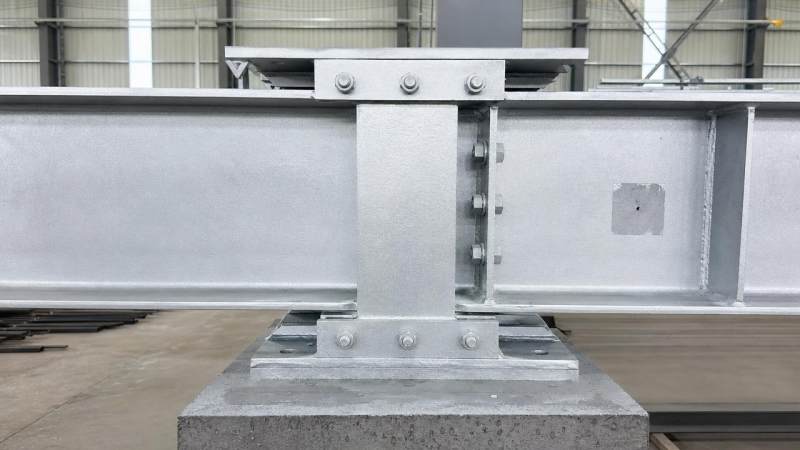
Steel structures now operate in more aggressive environments. Humidity, airborne salts, industrial pollutants, and standing water can challenge even a durable galvanized h beam over time.
At the same time, project owners seek longer design life with lower unplanned intervention. This means maintenance teams must focus on early signals, not only visible damage.
Another important shift is documentation. Inspection records, coating condition logs, and repair timing now support safety review, warranty evaluation, and future asset planning.
The strongest signals shaping maintenance routines today
Several practical changes explain why galvanized h beam maintenance is receiving more attention after installation.
- More steel is installed in coastal, chemical, and high-moisture zones.
- Inspection standards increasingly emphasize traceable condition monitoring.
- Lifecycle cost control is replacing simple upfront material cost comparison.
- Minor coating damage is being treated earlier to avoid larger repairs.
- Drainage and joint detailing are now recognized as maintenance issues, not only design issues.
These signals show a clear direction. Maintenance of a galvanized h beam is moving from reactive cleaning to condition-based asset protection.
What drives coating deterioration after a galvanized h beam is installed
The zinc layer performs well, but service conditions still matter. Understanding the drivers helps maintenance teams choose the right inspection frequency and response timing.
How these changes affect inspection and service planning
Maintenance schedules can no longer rely only on fixed yearly checks. A galvanized h beam in a dry warehouse and one in a coastal plant face very different exposure patterns.
This also affects budgeting. Early cleaning and local recoating usually cost far less than delayed repair after corrosion reaches joints, base areas, or load-sensitive connections.
For structures with repetitive framing, comparison across similar beam locations is useful. It helps identify whether damage comes from environment, design detail, or operational contact.
In many industrial structure applications, related sections may include Structural Steel I Beam members with grades such as Q235, Q345, A36, or SS400.
Where hot rolled sections are used, dimensional consistency, ±1% tolerance, and compliance with JIS, ATSM, DIN, GB, and EN can support more predictable maintenance assessment.
The inspection points that matter most for a galvanized h beam
Routine checks should focus on areas where water, debris, movement, or field damage are most likely. These locations often reveal problems before broad surface deterioration appears.
Priority locations to inspect
- Beam ends near supports and base plates
- Bolt holes, welded joints, and cut edges
- Flange tops where dust and moisture accumulate
- Contact zones with pipes, clamps, or brackets
- Areas exposed to forklift impact or maintenance traffic
Common warning signs
- White deposits indicating fresh zinc reaction
- Red rust showing possible steel exposure
- Peeling touch-up coating or poor adhesion
- Persistent wet spots around joints
- Scratches, dents, or abrasion lines
Surface care is becoming more preventive and less cosmetic
A clean galvanized h beam is easier to inspect and less likely to trap corrosive residue. Surface care should be gentle and regular, not aggressive and occasional.
Use clean water, soft brushing, and non-reactive cleaning methods where needed. Avoid harsh tools that may damage the zinc coating and create unnecessary repair points.
If oils, chemicals, or industrial deposits build up, remove them according to site conditions. The goal is to preserve the coating, not polish the surface.
Where beams are fabricated for bending, welding, punching, cutting, or other processing, field-treated areas deserve extra attention because coating continuity may vary after installation.
Repair timing now depends on risk, not appearance alone
Not every mark requires urgent work, but delay should be judged carefully. A small defect on a dry indoor galvanized h beam differs from the same defect in a splash zone.
The most important focus areas for long-term performance
To keep a galvanized h beam performing well, several priorities should remain constant through the service period.
- Control standing water and trapped debris first.
- Record all field cuts, welds, and touch-up locations.
- Adjust inspection frequency by environment severity.
- Separate cosmetic discoloration from real coating loss.
- Escalate support-zone corrosion without delay.
This approach supports longer service life and better asset planning, especially when beam lengths, flange widths, and web dimensions vary across one structure.
For related projects using 6-12m sections, flange widths of 100mm-400mm, or web widths up to 900mm, inspection maps should reflect actual installed geometry and exposure differences.
A practical judgment path for future maintenance decisions
A useful decision path starts with exposure review, then visible condition, then coating damage depth, and finally structural location importance.
- Classify the environment as mild, moderate, or severe.
- Check whether moisture retention is temporary or repeated.
- Determine whether zinc is intact or base steel is exposed.
- Prioritize joints, supports, and load-transfer zones.
- Choose monitor, clean, touch up, or repair.
When replacement or section comparison is needed, matching steel grade, dimensions, and fabrication route becomes important for compatibility and maintenance consistency.
What to do next to protect a galvanized h beam more effectively
Start with a clear post-installation checklist for every galvanized h beam in service. Include drainage points, impact zones, joints, coating defects, and cleaning intervals.
Then create a simple record system with photos, dates, defect locations, and repair actions. Over time, this reveals recurring patterns and improves future maintenance planning.
If the structure includes multiple hot rolled beam types, compare their exposure and wear behavior carefully. Consistent product quality helps, but environment and detailing still control real service life.
Hongteng Fengda supports global structural steel projects with reliable production, international standard compliance, and stable supply for industrial applications requiring dependable long-term performance.
The best result comes from combining quality material selection with disciplined maintenance. That is how a galvanized h beam stays durable, safe, and cost-efficient after installation.
Please give us a message


Please enter what you want to find