Flexible steel wire is useful in everyday life, but most performance problems come from simple user mistakes rather than the wire itself. The biggest issues are choosing the wrong type, overbending it, using it in wet or corrosive conditions without protection, and expecting it to do a job it was never designed for. If you know these risks early, you can use flexible steel wire more safely, make it last longer, and avoid wasted effort.
What people usually get wrong with flexible steel wire
Most users search for flexible steel wire because they need a practical material for repair, binding, hanging, organizing, or light fabrication. What they really want is reliability: a wire that bends easily, holds shape, and does not fail too soon. The common mistake is assuming “flexible” means “works for everything.” In reality, the wire must match the load, environment, and finishing requirement.
The first thing to understand is that flexibility and strength must be balanced. A wire that bends easily may be convenient, but if it is too thin or the wrong grade, it can deform permanently. On the other hand, a stronger wire may be harder to shape but far more dependable for repeated use. Daily-use problems usually start when people ignore that trade-off.
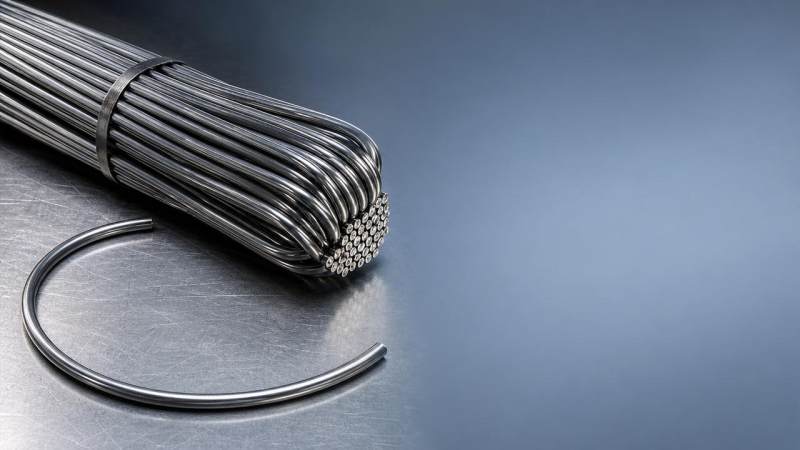
Another frequent issue is ignoring the surface condition. A polished finish may be better for appearance and handling, while a rough surface may increase friction or snag nearby materials. For home and consumer uses, that difference matters more than many people expect, especially if the wire will be touched often or used near fabric, paint, or decorative surfaces.
The mistakes that shorten service life the fastest
One of the most damaging mistakes is bending the wire too sharply at a single point. Even flexible steel wire has a practical bend limit. When users make a hard crease, they create a weak spot where stress concentrates, and the wire may snap or lose shape much sooner. A better approach is to form wider curves and avoid repeated bending at the same location.
Using the wrong diameter is another common error. Thin wire is easier to handle, but it may not support weight well or resist repeated movement. Thicker wire offers better stability, yet may be harder to install in tight spaces. For daily use, choose the smallest size that still meets the load and durability needed, rather than choosing only by convenience.
Moisture is also a major concern. Even when the wire looks strong, exposure to water, humidity, cleaning chemicals, or outdoor air can reduce long-term performance. If the application is in a kitchen, garden, balcony, or storage area, users should consider corrosion resistance, coating, or regular inspection. Many failures happen not from overload, but from slow surface damage.
How to choose a wire that actually fits the task
A useful way to judge flexible steel wire is to start with the task, not the product name. Ask four questions: What will it support? How often will it move? Will it be exposed to water or heat? Does appearance matter? These questions quickly narrow the choice and prevent overbuying or underbuying. This is especially important for consumers who want one wire for multiple uses.
In some cases, users may need a material with better formability and stable strength under pressure. For example, 304 Stainless Square steel rod is often considered when a project needs a stronger structural feel and a reliable surface for shaping or assembly. While it is not the same as every flexible wire application, comparing such materials helps users understand where flexibility ends and structural support begins.
For everyday buyers, certifications and standard references also matter. Products aligned with ASTM, AISI, JIS, GB, DIN, or EN standards are generally easier to evaluate because the dimensions and material expectations are clearer. That does not automatically make one product better for every job, but it makes selection less risky and more predictable.
Another practical point is length and finish. A wire cut too short causes waste, while an overly long piece can be difficult to manage safely. Likewise, a finish such as bright polished, matte, or rough turning changes both appearance and handling. If the wire will be visible in a home project, decorative application, or consumer product, surface selection should be treated as part of the function, not an afterthought.
Safe daily-use habits that improve results
Good handling habits make a big difference. Use proper cutting tools, wear basic hand protection when needed, and keep the wire ends smooth so they do not scratch skin or damage nearby objects. A common mistake is leaving sharp cut ends exposed, especially in storage, craft, or household uses. Simple finishing steps can prevent injuries and make the result look cleaner.
Storage is another easy win. Keep flexible steel wire dry, coiled neatly, and separated from chemicals or damp surfaces. If it is being used repeatedly, inspect it before each use for rust, kinks, or surface wear. Replacing a damaged piece early is much cheaper than repairing failed work later. For consumers, this habit often matters more than buying a more expensive product.
If the wire is part of a visible household item or light equipment, test a small section first. This helps confirm whether the wire bends the way you expect, whether the surface causes marking, and whether the finish fits the final use. Small tests reduce the chance of wasting material and help users avoid assumptions that lead to poor results.
When flexible steel wire is the wrong choice
Sometimes the best decision is not to use flexible steel wire at all. If the job requires high corrosion resistance in harsh outdoor conditions, frequent heavy loading, or precise mechanical performance, another material may be more suitable. The same is true when a project needs strict appearance control or repeated shaping without fatigue. Choosing the wrong material is one of the most expensive mistakes in daily use.
For consumers, this means thinking beyond price. The cheapest option may cost more if it fails early, damages the finished product, or requires replacement. A better choice is the one that balances flexibility, strength, surface quality, and environment resistance for the specific task. That is the real value users should look for.
Final takeaway
Flexible steel wire works well in daily life when it is matched to the right job and handled carefully. Avoid the common mistakes: wrong size, sharp bending, poor moisture protection, and careless storage. If you focus on load, environment, and finish before buying or using it, you will get better performance, longer service life, and fewer problems in everyday use.
Please give us a message


Please enter what you want to find