Understanding how five critical technical factors influence 201 stainless steel plate thickness for decoration is essential for achieving optimal project performance and cost efficiency. In this article, Hongteng Fengda—a trusted structural steel manufacturer and exporter from China—explores these factors in depth, comparing material behavior and practical considerations such as 201 vs 304 stainless steel cost. Whether you are a project manager, technical evaluator, or procurement professional, this guide provides insights to support better design and purchasing decisions.
Definition and Overview
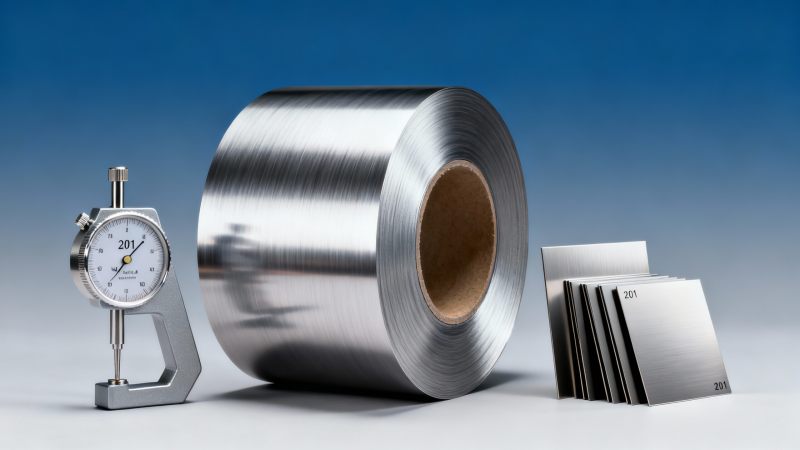
The 201 stainless steel plate belongs to the austenitic group of chromium-nickel steels and is often used for decorative applications where both formability and mechanical strength are key. The "thickness" of such a plate directly determines its bending properties, structural contribution, and aesthetic uniformity. When used in building interiors, elevator panels, or kitchen equipment, the correct thickness ensures sufficient rigidity while maintaining visual refinement. 201 stainless steel exhibits higher yield strength compared to 304 yet contains lower nickel content, making it a cost-effective solution for large decorative projects. Manufacturers such as Hongteng Fengda apply advanced rolling and precision processing techniques to achieve consistent 201 stainless steel plate thickness for decoration, maintaining dimensional stability under different finishing processes like brushing, polishing, and mirror treatment. Correct thickness management helps achieve a balance between performance, durability, and budget allocation, aspects every specification engineer, producer, or quality controller evaluates carefully in the procurement or planning phase.
Technical Performance Factors Affecting Plate Thickness
Five primary technical factors determine the performance outcome of 201 stainless steel decorative sheets: composition uniformity, cooling rate during rolling, cold working process, surface finish grade, and corrosion control treatment. Each of these aspects impacts material density distribution and mechanical strength behavior. For instance, the cold rolling ratio has a measurable effect on thickness tolerance, influencing how the sheet reacts to subsequent polishing. Composition uniformity affects the plate's hardness and elasticity modulus—values such as tensile strength ≥520 MPa and yield strength ≥275 MPa are typically maintained in well-controlled steelmaking conditions. Surface finish grades—BA, 2B, and NO.4—demand different reductions during processing, resulting in varied final thickness ranges suitable for specific decorative outcomes. Additionally, corrosion resistance treatments define the longevity of decorative surfaces, especially under humid or coastal environmental exposure. By controlling each factor meticulously, Hongteng Fengda ensures that each batch of 201 stainless steel plate thickness for decoration meets ASTM and GB standards, enabling project designers to specify materials confidently without compromising on aesthetics or safety. This technical optimization also enhances the comparative performance between 201 and premium grades like 304 and 316 stainless versions used in chemical or food industry equipment.
Market Overview and Industrial Trends
The global stainless steel decorative sheet market has witnessed consistent growth, driven by urbanization, infrastructure development, and rising demand for energy-efficient buildings. Users seek materials that deliver visual appeal while maintaining durability and cost control. In this regard, 201 stainless steel remains a preferred choice among buyers and design consultants due to its lower nickel content, which makes it more affordable compared to 304 stainless steel. However, technical awareness is vital because the thickness of a 201 plate cannot replicate the structural performance of 304 in certain demanding environments. International manufacturers, including Hongteng Fengda, constantly invest in process automation and inline measurement systems that maintain accurate dimensional output to ±0.02 mm tolerance. Additionally, new decorative technologies such as PVD coating and laser surface etching now integrate better with thinner 201 stainless steel plates, allowing designers to achieve luxurious effects without increasing overall project costs. As markets in Southeast Asia and the Middle East expand, quality-assured decorative stainless steel sheets with optimized thickness are becoming indispensable for retail architecture, transportation interiors, and public installations.
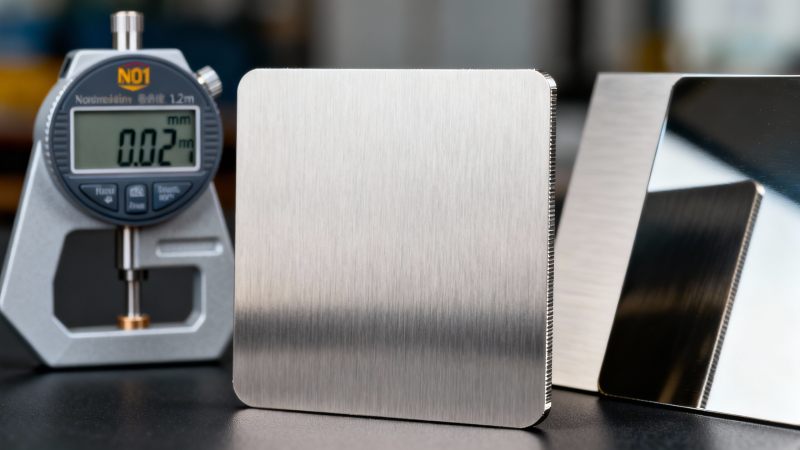
Comparison Analysis: 201 vs 304 Stainless Steel Cost and Performance
A comparative assessment of 201 and 304 stainless steels underscores several technical and cost gaps important for selecting decorative materials. While 201 stainless steel provides adequate mechanical strength and hardness (≤183HB or ≤100 HRB), its corrosion resistance is comparatively lower due to reduced nickel and chromium proportions. This makes 201 more suitable for indoor decorations rather than aggressive chemical surroundings. Cost-wise, 201 stainless steel typically saves 30%–40% relative to 304, offering a strong balance between appearance and economy, especially in large-volume architectural projects. When evaluating 201 vs 304 stainless steel cost, project planners often compute a total lifecycle value that includes not only material purchase but also fabrication, maintenance, and replacement frequency. For outdoor decorative projects subject to high humidity or salt exposure, blending components like 316 Stainless Steel Coil for specific sections can enhance corrosion control while keeping overall expenditure reasonable. Such hybrid selection strategies demonstrate the practical synergy between material science and financial management in advanced construction design. Hongteng Fengda assists global clients in performing these evaluations efficiently through transparent material data and customized thickness adjustment services.
Procurement Guide: Choosing the Right Thickness for Decorative Applications
Selecting the appropriate 201 stainless steel plate thickness involves balancing load-bearing needs, decorative surface requirements, fabrication convenience, and installation constraints. Interior wall panels often use 0.8–1.2 mm sheets for light visual panels, while exterior facades and elevator doors require 1.5–2.0 mm for structural stiffness. Buyers should analyze specification tables provided by manufacturers, noting available sizes such as 2000 mm × 2440 mm or 3000 mm × 6000 mm, and widths between 610 mm and 2000 mm. Quality procurement practices include assessing mechanical certifications (ISO, SGS, BV), verifying hardness limits, and checking surface finishing consistency across batches. Hongteng Fengda’s production lines incorporate automated flattening and cutting systems that maintain stable geometry for each 201 stainless steel plate thickness for decoration, minimizing post-processing adjustment. Procurement officers should also consider transport logistics and fabrication margins—slight over-thickness can facilitate safer handling during machine bending. Furthermore, close comparison with higher-grade materials like 316 stainless steel, used in chemical or marine applications, supports informed decision-making where aesthetic and environmental resistances must coexist.
Standards, Certification, and Compliance
For global distribution, stainless steel plates must adhere to standardized dimensions and safety metrics. Hongteng Fengda ensures all 201 stainless steel decorative materials conform with ASTM A240, EN 10088, JIS G4304, and GB/T3280 norms. Compliance guarantees that both domestic and international projects meet building codes and inspection requirements. Certification from ISO, SGS, and BV bodies enhances the credibility of supplied sheets, ensuring buyers that mechanical data like tensile and yield strength, elongation (≥55–60%), and density (7.8 g/cm³) are accurately represented. Proper documentation also simplifies quality assurance and traceability across large construction projects. Continuous inspection at every production phase—steelmaking, rolling, annealing, and polishing—ensures uniform thickness performance. Contractors and safety managers depend on these standards not just to confirm consistency, but to ensure long-term performance reliability under operational stress. Thus, compliance acts as both a quality and regulatory guarantee essential to maintaining professional trust across the global structural steel trade community.
Case Studies and Practical Success Examples
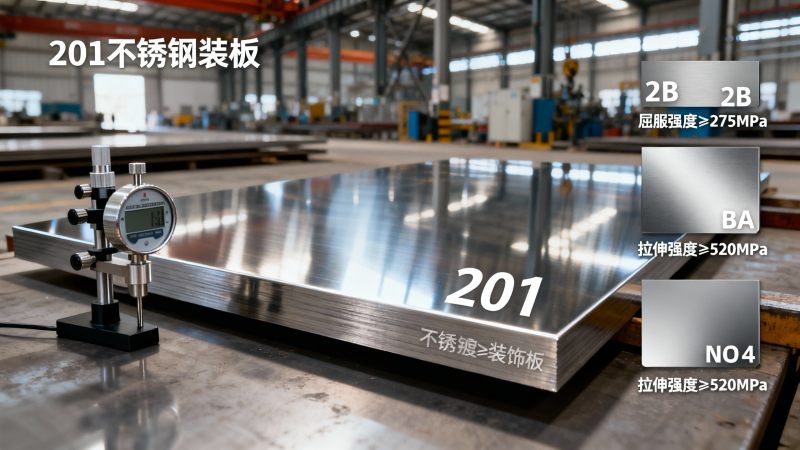
Several landmark construction and interior projects exemplify the importance of optimized stainless steel plate thickness. A commercial complex upgrade in Dubai utilized 201 stainless steel with NO.4 brushed surfaces for decorative cladding; by maintaining 1.2 mm nominal thickness tolerance, the design achieved both weight reduction and consistent reflection under spotlight illumination. In a Southeast Asian transportation terminal, engineers combined 201 and 304 grades—using 201 for overhead ceiling décor and 304 for load-bearing corners—achieving a 25% material cost reduction while satisfying safety compliance. Similarly, a European kitchen equipment manufacturer integrated 316 Stainless Steel Coil for food contact zones and 201 panels for decorative exteriors, optimizing both corrosion performance and production budget. These projects highlight the adaptability of 201 stainless steel plate thickness for decoration across contexts such as hospitality construction, train interiors, and commercial kitchens. In each scenario, Hongteng Fengda’s technical advisors provided engineering guidance to harmonize mechanical performance with client-specific visual demands, proving how precision manufacturing translates to real-world efficiency and durability gains.
Trend and Future Insights
Technology trends indicate continued miniaturization of decorative sheet thickness and greater utilization of digital control systems in rolling lines. Smart sensors now allow manufacturers to monitor 201 stainless steel sheet uniformity in real time, improving accuracy to micrometer levels. As architects increasingly demand sustainable materials, thinner yet stronger decorative plates will reduce carbon footprint without sacrificing visual effect. The global market also shows growing preference for hybrid finishes such as HL+Mirror composites, leading to new mechanical limits that require periodic reassessment of permissible thickness ranges. With economic globalization reshaping supply chains, manufacturers like Hongteng Fengda continue to integrate advanced cold-working technology and efficient annealing to produce flexible, high-performance 201 stainless steel materials. Future decorative steel trends will emphasize recyclability, thermal stability, and improved fatigue resistance, ensuring that aesthetic engineering aligns with green architecture imperatives. By understanding these progressions early, engineers and purchasing officers can plan investments aligned with emerging design norms and manufacturing innovations, maximizing both performance and cost efficiency.
Why Choose Hongteng Fengda
Hongteng Fengda stands out as a professional structural steel manufacturer and exporter from China, offering not only 201 stainless steel plate thickness customization for decoration but also a full range of structural materials including angle steel, channel steel, and cold-formed steel profiles. With modern manufacturing facilities, strict process monitoring, and consistent global supply records, we ensure every customer receives reliable, compliant, and competitively priced products. Serving customers across North America, Europe, the Middle East, and Southeast Asia, we deliver integrated sourcing advantages—reducing procurement risk, optimizing production schedules, and ensuring timely delivery. Our technical team assists in material comparison, supports quality documentation, and collaborates on long-term project development needs. Whether you are an engineer evaluating thickness, a dealer seeking steady supply, or a quality manager focusing on international compliance, Hongteng Fengda provides trusted partnership built on quality integrity and professional service excellence. For more information or tailored consultation, contact our specialists directly to discover how optimized 201 stainless steel plate thickness can enhance decorative project performance and global competitiveness.
- channel steel
- angle steel
- 201 stainless steel plate
- stainless steel sheet
- steel coil
- structural steel
- steel profiles
- Structural Steel
- stainless steel plate
- 316 stainless steel coil
- stainless steel coil
- ss steel plate
- 1 stainless steel plate
- steel plate
- stainless steel plates
- stainless steel sheets
- Profile
- 201 vs 304 stainless steel cost
- 201 stainless steel plate thickness for decoration
Related recommendations
 Why Does Galvanized Pipe Corrode Over Time and When Should It Be Replaced?Galvanized pipe corrodes as its zinc coating wears away from moisture, chemicals, and age. Learn the warning signs, repair limits, and the right time to replace it.
 Common SS Pipe Welding Problems and How to Prevent ThemSS pipe welding problems can lead to leaks, corrosion, and costly repairs. Learn the main defects, warning signs, and practical prevention tips to improve weld quality and service life.
 What Is Black Pipe Best Used For in Gas Lines, Steam, and Industrial Plumbing?Black pipe is ideal for gas lines, steam, and industrial plumbing where strength and heat resistance matter. Learn when it fits best, where it fails, and how to choose wisely.
 Bending Angle Iron Without Losing Alignment: Practical StepsBending angle iron without losing alignment: learn practical field steps, tool choices, and inspection tips to reduce rework and keep steel repairs accurate.
Please give us a message


Please enter what you want to find