Understanding the quality issues and testing methods for stainless flat sheet products is crucial for ensuring durability and performance across industrial applications. Whether you’re sourcing stainless steel corrugated sheet, mirror stainless sheet, or flat plate stainless steel, knowing how to identify defects, evaluate ss sheet 304 standards, and assess steel round plate integrity helps maintain consistent results. This FAQ provides practical insights for technical evaluators, procurement teams, and project managers aiming to optimize quality control and select the best stainless flat plate solutions for their needs. High-quality stainless flat sheet materials directly impact the strength, appearance, and longevity of countless constructions—especially in environments that demand aesthetic precision and corrosion resistance such as architectural interiors, decorative panels, and machinery covers.
Common Quality Issues Found in Stainless Flat Sheet Products
In industrial manufacturing and construction projects, stainless flat sheet materials are trusted for their excellent resistance to oxidation and rust. However, frequent quality issues can reduce performance efficiency or increase maintenance costs. Surface defects such as scratches, pits, or uneven gloss often appear during rolling, cutting, or transportation. Particularly for mirror stainless sheet products, even micro-scratches compromise visual consistency. Another critical issue is thickness deviation—if the stainless steel corrugated sheet or stainless steel embossed plate doesn’t meet the ±1% dimensional tolerance standard, it can cause fitment mismatches when assembling with other components. Contaminations from improper cleaning or residues from protective films also lead to oxidation marks after extended storage. For ss sheet 304, which must meet ASTM A240 and EN 10088 quality standards, surface inclusions or rolling defects indicate processing anomalies that need correction.

Besides visual challenges, mechanical discrepancies such as low yield strength or poor elongation are common performance concerns. These originate from substandard alloy compositions, improper annealing cycles, or incorrect hot rolling parameters. When procuring stainless flat plate or flat plate stainless steel, buyers should verify mill certificates and batch numbers to ensure alignment with spectral analysis and tensile test results. Corrosion and rusting can arise when chlorine or alkaline residues from packaging contact the surface; therefore, final passivation treatment and moisture-proof packaging are essential. In global markets, suppliers like Hongteng Fengda follow strict production control to minimize these issues, ensuring every stainless round or steel round plate provides stable and repeatable physical properties.
Key Testing Methods to Ensure Stainless Steel Quality
Quality assurance for stainless flat sheet and mirror stainless sheet products relies on a combination of physical, chemical, and mechanical testing. Non-destructive testing (NDT) methods such as ultrasonic thickness measurement and eddy current inspection allow detection of subsurface defects or inclusions without damaging the material. Chemical composition tests—using spectrometers or X-ray fluorescence (XRF)—confirm the presence of essential elements like chromium (≥18%) and nickel (≥8%) in ss sheet 304 or similar grades. These elements dictate corrosion resistance, meaning even minor deviations can lead to premature surface degradation. Bending and flattening tests evaluate ductility, while tensile tests measure yield and elongation properties.
For visual inspection, a grade comparison chart helps confirm reflectivity levels in mirror stainless sheet applications. Salt spray (ASTM B117) and humidity tests simulate long-term exposure, validating corrosion resistance for stainless steel corrugated sheet and stainless steel embossed plate materials commonly used in humid or coastal environments. Moreover, hardness testing (HRB, HV, or HRF scales) determines whether the material undergoes excessive work hardening during cold rolling. Standard tolerances (±1%) must be consistently verified through calibrated micrometers or automated laser gauges. Certification from recognized bodies such as SGS, BV, or CE also indicates independent verification of parameters aligned with ASTM, JIS, and EN standards. Stainless round and steel round plate products undergo similar scrutiny because they often share the same processing lines and metallurgical requirements as stainless flat plate components. In practice, comprehensive testing not only assures reliability but also strengthens customer trust and reduces downstream rework costs.
Best Practices for Handling, Processing, and Storage
Once stainless flat sheet or flat plate stainless steel leaves the rolling mill, proper handling and storage become decisive factors influencing long-term surface integrity. During cutting or welding, protection films should remain in place to prevent tool friction marks. It’s advisable to use dedicated stainless tools, separate from carbon steel equipment, to avoid cross-contamination that triggers rust spots. Storage areas must maintain stable humidity and temperature conditions—preferably below 60% relative humidity—and ensure air circulation. Contact between stainless flat plate sheets and wooden pallets treated with chemicals should be avoided, as formaldehyde or tannins can interact chemically with steel surfaces.
For large-volume inventory systems, implementing batch-based tracking helps maintain traceability, especially when managing ss sheet 304, stainless round, or mirror stainless sheet materials destined for architectural applications. In cutting processes, high-pressure water jets or laser machines yield cleaner edges compared to mechanical shearing, reducing the need for post-grinding. Fabricators must monitor heat-affected zones to avoid grain growth, which may lower mechanical yield strength. Hongteng Fengda’s automated handling and packaging systems utilize anti-rust oil and transparent film wrapping for every stainless flat sheet component, significantly decreasing oxidation risks during ocean freight. Comparable diligence applies to other structural materials like Wire rod, which, though primarily used for civil engineering and rebars, follows similar galvanization and anti-rust oil protocols ensuring consistent performance in bridges, tunnels, and foundation structures.
Global Standards and Certification Benchmarks
Meeting international benchmarks is central to maintaining quality in stainless flat plate products. ASTM A240, EN 10204, JIS G4304, and GB/T3280 establish mechanical testing, chemical composition, and surface finish criteria for stainless flat sheet and stainless steel corrugated sheet materials. Compliance testing ensures equivalency across different regions, simplifying procurement for multinational projects. In stainless round and steel round plate production, ISO 9001-certified facilities track every phase—from melting to final inspection—under controlled documentation. Each grade, such as ss sheet 304 or 316L, must pass laboratory testing for tensile strength exceeding 515 MPa and elongation beyond 40%, as well as pitting resistance equivalent to ASTM G48 standards.
Procurement specialists should request mill test reports (MTRs) containing heat number references and alloy batch details. These documents validate traceability and conforming mechanical performance. For stainless steel embossed plate products, variation in embossing depth must stay within 0.3 mm tolerance to maintain uniform aesthetics. Mirror stainless sheet suppliers are expected to deliver Ra (roughness average) below 0.1μm for true reflective clarity. Additionally, surface passivation according to ASTM A967 removes free iron, maximizing corrosion protection. By consistently adhering to such standards, Hongteng Fengda has built a global reputation among contractors and distributors in North America, Europe, and Southeast Asia. Their structural steel lines—including channels, beams, and precision components—share the same certification commitments, ensuring that every stainless flat sheet or Wire rod batch aligns with international reliability parameters.

Market Trends and Technological Innovations
Technological advances in metallurgy and surface processing continue to redefine the stainless flat sheet landscape. Precision cold rolling and vacuum annealing have enhanced grain refinement, producing finer finishes with improved toughness. Manufacturers are integrating digital thickness control systems to monitor real-time flatness and profile accuracy, thereby minimizing human error. Moreover, eco-friendly acid cleaning and low-carbon smelting are gaining traction as industries prioritize sustainability. For products like stainless steel corrugated sheet or stainless flat plate, environment-oriented production reduces CO₂ emissions and minimizes hazardous waste generation during pickling.
Global market demand also underscores high aesthetic-value applications—from luxury architecture requiring mirror stainless sheet panels to sanitary equipment that depends on corrosion-free ss sheet 304. Price fluctuations (ss sheets price) are increasingly tied to nickel and chromium market volatility, prompting buyers to forecast procurement cycles carefully. Automation further enables enhanced quality repeatability, cutting costs associated with manual polishing and inspection. As artificial intelligence and IoT technologies merge with industrial manufacturing, predictive maintenance now detects when a rolling mill or polishing line requires cleaning, ensuring consistent stainless flat sheet finishes. These developments collectively strengthen supply chain stability, enhancing the performance expectations of international contractors depending on structural steel suppliers like Hongteng Fengda.
Conclusion: Strengthening Quality and Partnership
In conclusion, understanding the common defects, testing protocols, and regulatory frameworks of stainless flat sheet materials empowers businesses to minimize risks and ensure operational reliability. From the rigorous control of ss sheet 304 alloy composition to the precision finishing required for stainless steel embossed plate and mirror stainless sheet, quality assurance defines competitive advantage. Companies that combine adherence to ASTM, EN, and JIS standards with innovative testing systems deliver superior flat plate stainless steel and stainless round solutions across industries.
Hongteng Fengda exemplifies this commitment through integrated manufacturing and strict quality control, helping partners worldwide achieve sustainable, cost-effective production outcomes. Whether your next project requires a corrosion-resistant stainless flat plate, a decorative stainless steel corrugated sheet, or certified structural steel components, partnering with a professional manufacturer ensures peace of mind. To explore reliable materials, customized processing, or certified supply of structural steel products, contact Hongteng Fengda today to discuss your project requirements and obtain expert guidance on optimal material selection and long-term sourcing solutions.
- wire rod
- steel supplier
- steel suppliers
- structural steel
- Structural Steel
- stainless flat plate
- stainless flat sheet
- steel round plate
- flat plate stainless steel
- ss sheet 304
- stainless round
- ss sheets price
- mirror stainless sheet
- Stainless steel embossed plate
- Stainless steel corrugated sheet
- Profile
- Rebar
- carbon steel
Related recommendations
 Common Leak Risks When Using Galvanized Pipe for Plumbing SystemsGalvanized pipe for plumbing can hide corrosion, joint wear, and pressure-related leak risks. Learn the key warning signs, causes, and smart maintenance actions to prevent costly failures.
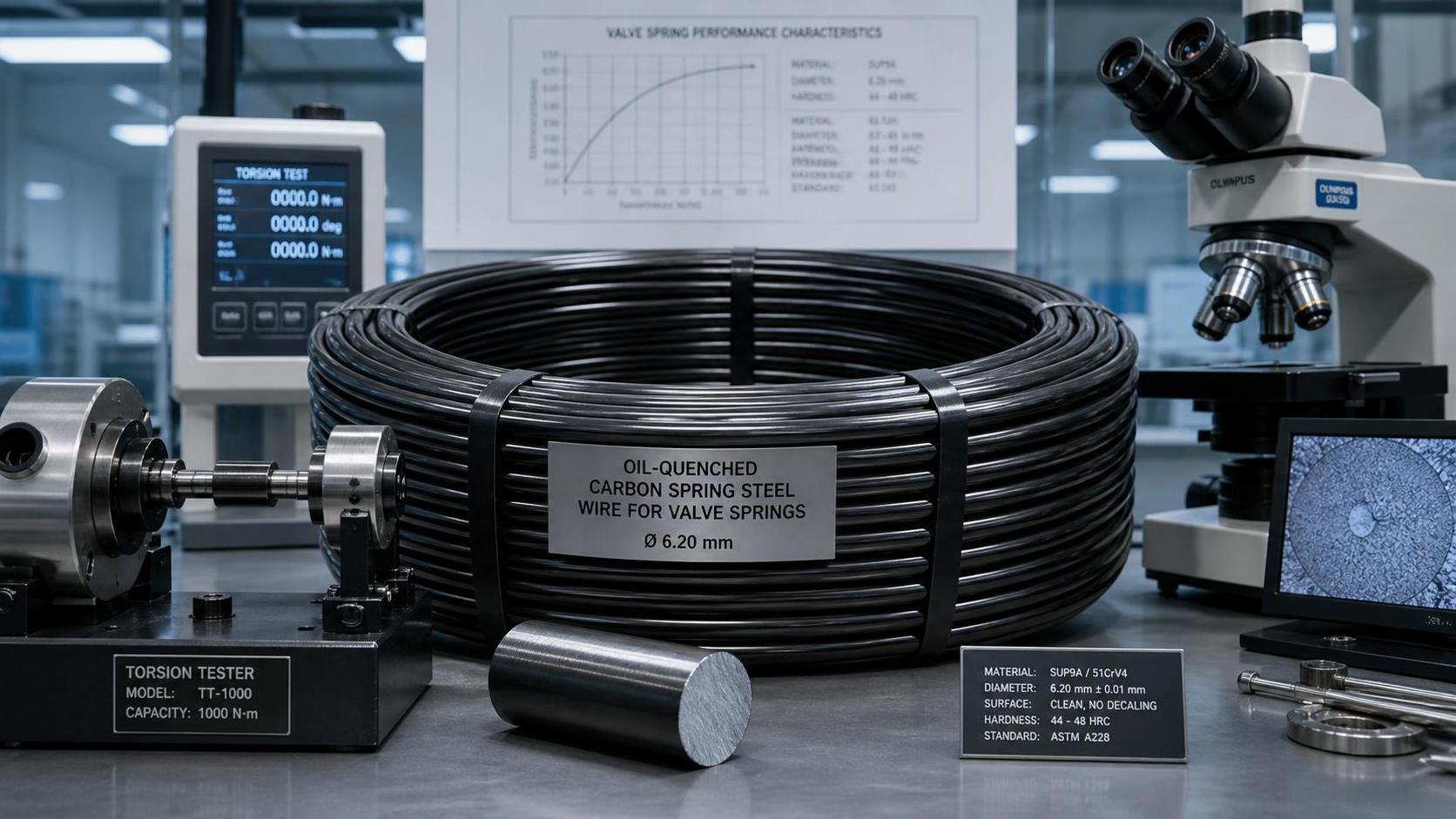
 Oil Tempered Carbon Steel Wire for Valve Spring: What Standards and Tests Matter?Oil tempered carbon steel wire for valve spring: learn which JIS, EN, and ASTM standards, decarburization checks, surface inspections, and fatigue-related tests truly protect spring life.
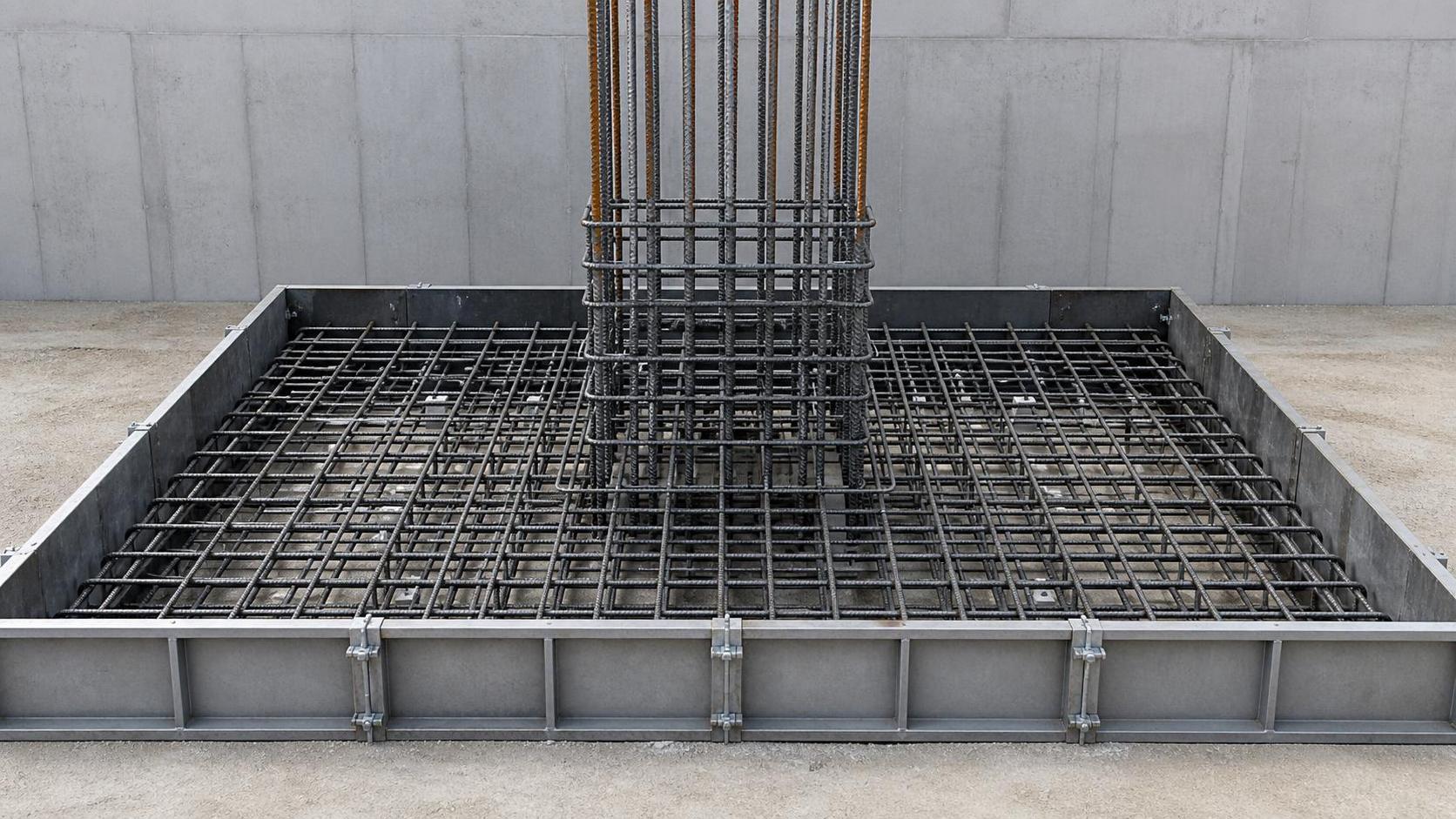
 Rebar for Foundation: Grade, Cover, and Spacing Mistakes to AvoidRebar for foundation guide: avoid costly grade, cover, and spacing mistakes that weaken durability, bonding, and concrete flow. Learn practical checks before the pour.
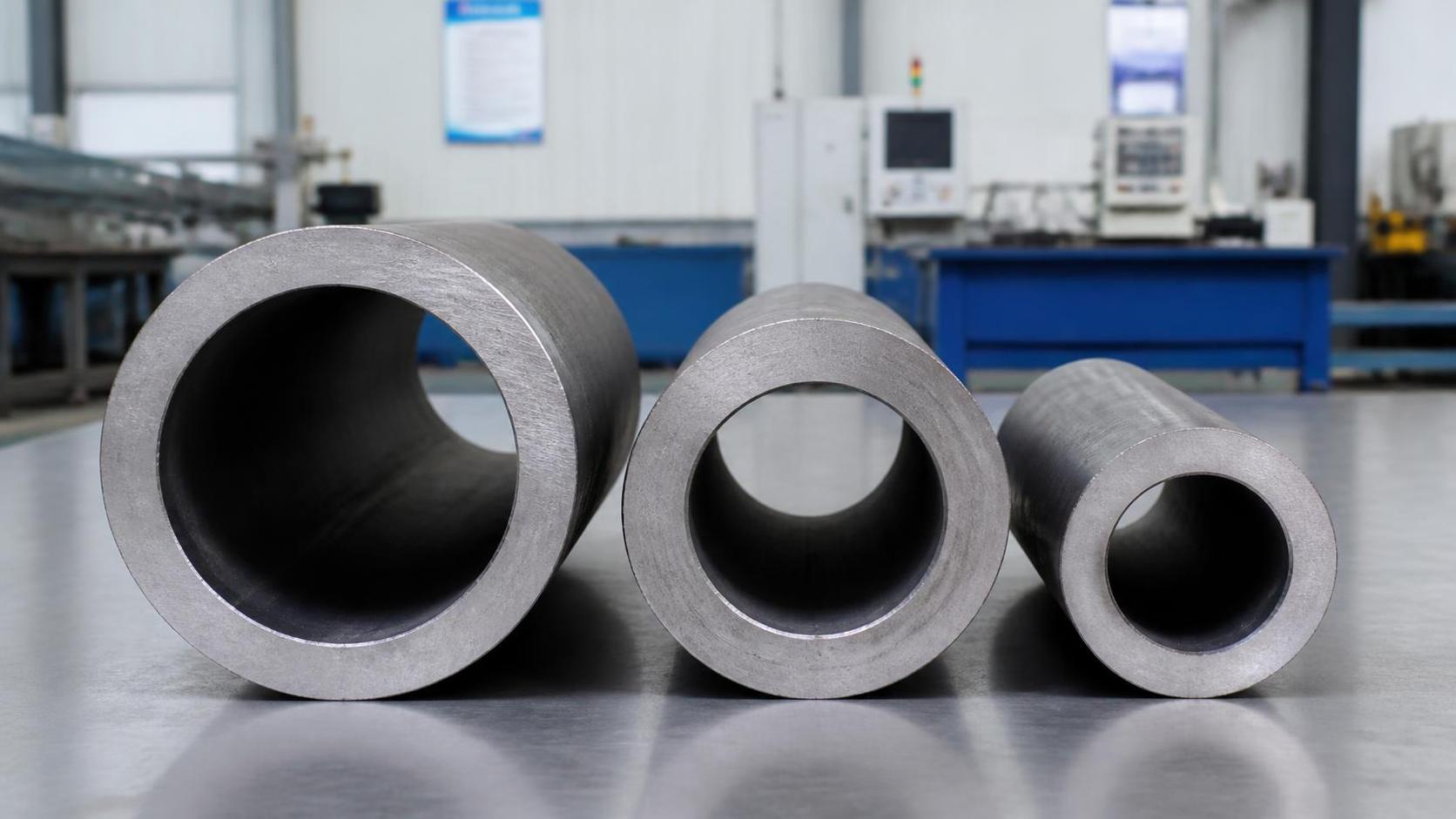
 Steel Tubing Dimensions: OD, Wall Thickness, and Gauge DifferencesSteel tubing dimensions explained clearly: compare OD, wall thickness, and gauge differences to avoid sizing mistakes, improve fit, and choose the right steel tube with confidence.

Please give us a message


Please enter what you want to find