Even high-quality construction wire can underperform when installation mistakes are overlooked. For operators and on-site users, understanding the most common errors helps improve safety, electrical reliability, and project efficiency. This guide highlights practical installation issues, explains how to avoid them, and supports better results in demanding construction environments.
Why a systematic approach matters for construction wire installation
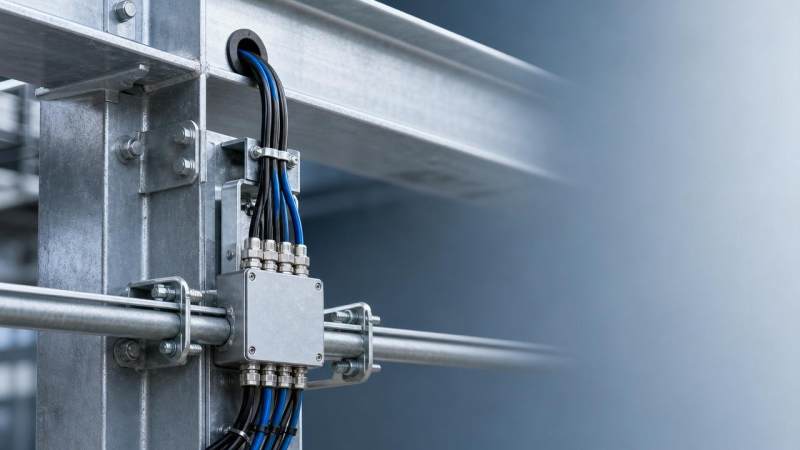
Construction wire is often treated as a routine material, but its installation quality directly affects power distribution, equipment stability, worker safety, and long-term maintenance costs. In construction environments, wire may be exposed to vibration, moisture, dust, sharp steel edges, concrete contact, and repeated mechanical stress. A small installation error can lead to overheating, insulation damage, voltage drop, nuisance trips, or even fire risk.
A checklist-based review helps reduce avoidable mistakes before energizing a system. It also supports better coordination between wire routing, structural steel framing, cable support placement, conduit layout, and termination work. For projects involving steel beams, channels, angle steel, or cold formed sections, proper planning is especially important because construction wire often passes through or around metal structures that can abrade or compress insulation if details are ignored.
Core points to check before and during installation
Use the following practical checklist to catch the most common construction wire mistakes early. Each point can be reviewed during material receipt, pre-installation planning, routing, pulling, termination, and final inspection.
- Confirm wire type, conductor size, insulation rating, and application match the actual load, environment, and code requirements before any pulling begins.
- Inspect construction wire for crushed insulation, exposed conductor, moisture intrusion, labeling errors, or shipment damage before installation into conduit or trays.
- Measure bend radius carefully and avoid tight turns that strain conductors, damage insulation layers, or create hidden weak points near steel penetrations.
- Use proper pulling tension and approved tools so construction wire is not stretched, twisted, kinked, or scraped during routing.
- Protect wire at openings, cutouts, and steel edges with bushings, grommets, sleeves, or edge guards to prevent insulation abrasion.
- Maintain separation from heat sources, welding zones, moving equipment, and wet areas unless the construction wire is rated for those conditions.
- Do not overfill conduit, trunking, or cable trays, as crowded runs increase friction, reduce heat dissipation, and complicate inspection or replacement.
- Match terminals, lugs, connectors, and torque values to the conductor material and size so connections stay secure under load and vibration.
- Label circuits clearly and verify routing records, because unidentified construction wire creates delays, misconnection risks, and difficult troubleshooting later.
- Test continuity, insulation resistance, polarity, and grounding before energizing to confirm the installation performs as designed and safely.
The most common installation mistakes and how to avoid them
1. Choosing the wrong wire for the job
One of the most frequent problems is using construction wire with the wrong temperature rating, insulation type, conductor size, or environmental suitability. Wire selected only by price or availability may not perform well in outdoor runs, damp service zones, industrial buildings, or areas with mechanical impact risk. The result can be premature aging, voltage instability, or insulation failure.
Always compare actual installation conditions with the wire specification sheet. Review current load, ambient temperature, routing length, grouping effects, and whether the installation passes through steel members, concrete walls, or exposed service spaces. A correct specification at the beginning prevents expensive rework later.
2. Ignoring sharp edges on steel structures
Construction wire is commonly routed across or through structural steel components. If holes are rough, edges are unfinished, or support brackets are poorly aligned, the insulation may slowly wear through under vibration or movement. This issue is especially serious in industrial buildings and temporary power systems where cables are pulled quickly across steel framing.
Deburr openings, install edge protection, and check contact points after pulling. In many projects, wire protection is improved when routing is coordinated with fabricated steel details early. Supporting members and access frames can also be built from durable materials such as Q195 Carbon Steel Round Bar, which is widely used in construction, handrail, railing, staircase, balcony, fence, and customized steel support applications due to its excellent strength, wear resistance, and compliance options including ASTM, JIS, GB, DIN, and EN-related standards.
3. Exceeding pulling tension and bend limits
Another common mistake is pulling construction wire too hard through long conduit runs or around multiple bends. Excessive pulling force can stretch conductors, damage insulation, and weaken termination points. Tight bends also increase internal stress and can create localized heat buildup during service.
Use lubricants approved for the insulation type, reduce unnecessary bends, and break long pulls into manageable sections. Follow manufacturer recommendations for maximum pulling tension and minimum bend radius. These limits are not optional details; they directly affect service life.
4. Poor termination practices
Even when the construction wire itself is high quality, poor termination can become the failure point. Common errors include under-torqued lugs, over-torqued terminals, uneven stripping, damaged strands, and mixing incompatible connector materials. These issues increase resistance, create heat, and may lead to intermittent faults that are difficult to trace.
Use calibrated tools, follow torque specifications, and inspect each termination visually before panel closure. Keep conductor strands intact and ensure the exposed length matches connector design. For critical circuits, post-installation thermal checks can help identify loose or overloaded joints.
5. Overcrowding conduit and trays
Overfilling a raceway is a practical but costly mistake. Crowded conduit increases pulling friction, damages insulation during installation, and reduces the ability of construction wire to dissipate heat. In cable trays, poor spacing can also make later inspection and fault isolation much harder.
Check fill calculations in advance rather than adjusting in the field. If routing changes, recalculate instead of guessing. Additional runs, larger raceways, or separate pathways are usually less expensive than replacing damaged wire or correcting overheated circuits after commissioning.
Important checks in different application scenarios
Temporary site power
Temporary systems are exposed to frequent movement, rough handling, weather, and mixed trades working nearby. Construction wire in these areas should be checked more often for cuts, crushed sections, loose supports, and unauthorized splices. Routing should avoid standing water, vehicle paths, and active welding zones.
Commercial building interiors
In commercial interiors, the main risks are rushed installation above ceilings, crowded service spaces, and wire identification errors. Confirm bend radius at junction boxes, maintain label clarity, and verify that construction wire is separated from sharp suspension hardware, duct edges, and unsupported spans.
Industrial and mechanical areas
Industrial zones add heat, oil, vibration, and mechanical shock. Construction wire should be checked for compatibility with these conditions, especially around motors, pumps, and steel support frames. Secure fastening and abrasion control are critical, and routine reinspection should be part of maintenance planning.
Outdoor steel structures
Outdoor routing requires attention to UV exposure, rain, condensation, and thermal expansion. Where construction wire passes along beams, brackets, handrails, or custom steel supports, corrosion protection and edge finishing matter. In fabricated support systems, materials like Q195 Carbon Steel Round Bar may be selected in hot rolled or cold rolled forms, with options such as galvanized, phosphating, passivation, black painting, or anti-rust oil depending on the environmental requirement.
Often overlooked risks that deserve more attention
Moisture migration is frequently underestimated. A wire run may look dry during installation but later experience condensation inside conduit or enclosures. If seals, drainage, and entry points are not considered, moisture can reduce insulation performance over time.
Another ignored issue is unsupported cable weight near terminations. Construction wire that hangs freely over long distances can place constant stress on lugs and gland entries. Proper support intervals protect both the wire and the connected equipment.
Mixed material contact can also become a hidden problem. When wire accessories, connectors, and steel mounting parts are selected without considering corrosion, vibration, or thermal movement, long-term reliability may decline even if the installation passed initial inspection.
Practical execution advice for better installation results
- Review drawings, routing paths, and support details before work starts, especially where construction wire interacts with structural steel or prefabricated frames.
- Inspect every spool or coil on arrival and isolate damaged material immediately rather than trying to use questionable sections on site.
- Prepare openings, sleeves, bushings, and conduit ends before pulling so the wire is protected from the first point of contact.
- Control pulling speed and tension, and stop immediately if resistance increases unexpectedly during installation.
- Record test results, torque values, and circuit labels so future maintenance does not depend on guesswork or memory.
Final thoughts and next steps
Reliable construction wire performance depends on more than material quality alone. Correct selection, careful routing, edge protection, proper termination, and final testing all play a major role in safety and service life. Most installation failures begin as small oversights that could have been prevented with a disciplined review process.
For better project results, turn the key points above into a standard site inspection routine. Check the construction wire before installation, during pulling, at termination, and before energizing. When wire systems are coordinated with well-designed steel supports and quality-controlled structural components, projects benefit from lower risk, smoother commissioning, and more dependable long-term operation.
FAQ
What is the most common construction wire installation mistake?
The most common issue is using the wrong wire type or size for the actual environment and load, followed closely by insulation damage during pulling or at sharp steel edges.
Why does construction wire fail even when it meets standards?
Standards compliance does not prevent field damage. Construction wire can still fail because of poor routing, excessive tension, loose terminations, moisture exposure, or overcrowded conduit.
How can steel structures affect construction wire performance?
Steel structures can create abrasion points, unsupported spans, and difficult bends. Proper hole finishing, edge protection, support spacing, and corrosion-aware design help protect construction wire over the long term.
Please give us a message


Please enter what you want to find