Introduction
ASTM 304 stainless steel coil tubing has become a preferred choice for construction and industrial applications, but how does it compare with other common grades? As a professional 304 stainless steel coil manufacturer in China, Hongteng Fengda offers high quality 304 stainless steel coil for industrial use and custom 304 stainless steel coil tubing designed to meet demanding project requirements. This article explores the performance, durability, and cost efficiency of ASTM 304 stainless steel coil tubing to help buyers, engineers, and project managers make informed decisions for their construction needs. Across the global construction and manufacturing industries, the demand for corrosion-resistant, structurally stable, and cost-effective tubular materials continues to grow. Specifiers and procurement professionals often face questions regarding material grade selection, sourcing reliability, and how to balance strength with fabrication convenience. ASTM 304 stainless steel coil tubing provides a balanced solution that meets both technical and commercial needs. Its combination of austenitic stainless properties, easy formability, and international standard compliance enables it to serve effectively in HVAC systems, fluid transport, and complex structural frameworks. This introduction highlights the practical importance of evaluating stainless steel grades scientifically to secure consistent long-term performance in industrial and construction contexts.
Material Composition and Mechanical Properties
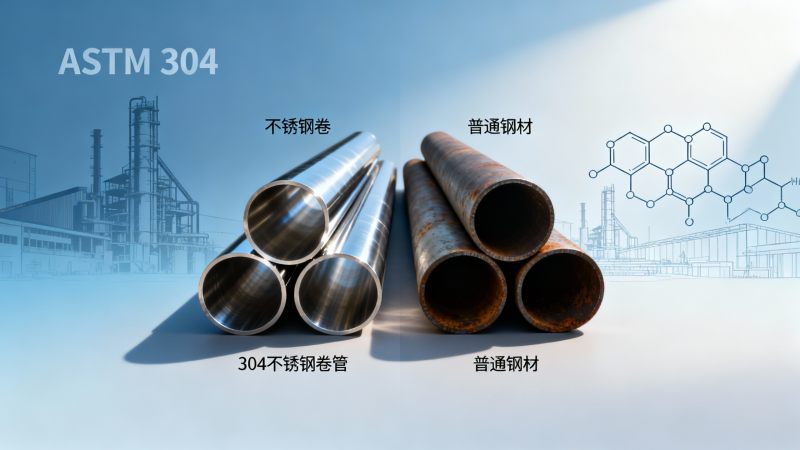
304 stainless steel belongs to the austenitic family, generally consisting of around 18% chromium and 8% nickel. This composition is the reason behind its exceptional corrosion resistance and ability to perform under wide temperature ranges. Compared with the commonly used grades such as 201 and 316, ASTM 304 stainless steel coil tubing offers highly stable mechanical characteristics, including tensile strengths typically ranging between 515–750 MPa and elongation capability exceeding 40%. The controlled balance of carbon content prevents both brittleness and excessive hardening during welding or thermal processing. What makes ASTM 304 stainless steel coil tubing particularly important for construction is its modular flexibility—it is available in various wall thicknesses, surface finishes, and manufacturing techniques like cold-rolled or annealed conditions. These technical parameters significantly affect the end product performance, especially when the tubing is used in load-bearing installations or fluid distribution systems. For instance, project managers responsible for large-scale commercial developments prefer 304 stainless steel coil tubing for its reliability in outdoor exposure, which minimizes maintenance intervals and lifecycle costs. Furthermore, it complies with ASTM A269 and A213 standards, ensuring dimensional precision and weld integrity, aspects that quality control inspectors prioritize to meet safety regulations. When comparing it to carbon-based alternatives, steel beams such as I Shaped Beams play an equally critical role. While carbon steel beams like Q235 or Q345 provide superior strength for heavy-load structures, 304 stainless steel coil tubing contributes to the lightweight, corrosion-protected components required in modern architectural systems. The combination of these materials creates efficient hybrid structures that deliver both durability and design flexibility within industrial environments.
Performance Comparison: 304 Grade vs Other Stainless Grades
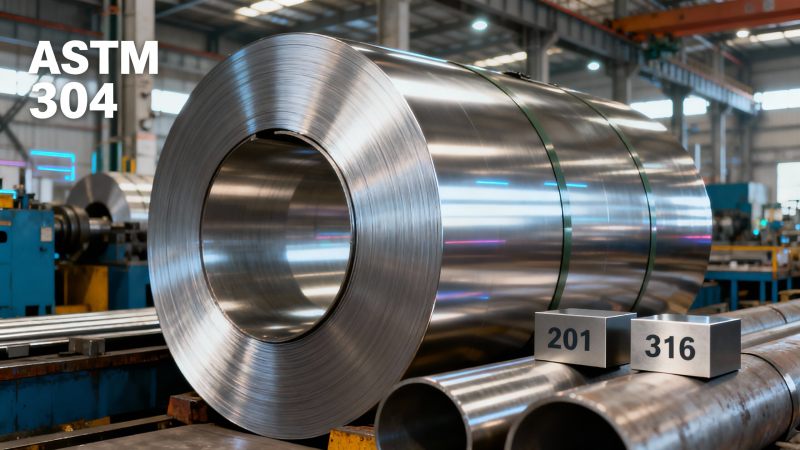
The comparison between ASTM 304 stainless steel coil tubing and other grades such as 201, 316, or 430 reveals distinctive benefits. Grade 201 is typically used for decorative or low-corrosion applications due to its higher manganese and lower nickel content. Although it offers cost advantages, its lower corrosion resistance makes it unsuitable for infrastructure exposed to moisture or chemicals. Grade 316, with its addition of molybdenum, is known for superior resistance to chlorides but comes with a higher procurement cost, often exceeding that of 304 by 20–30%. For industrial engineers balancing performance versus cost, 304 stainless steel coil for manufacturing becomes the optimal solution. Its weldability, machinability, and compatibility with standard fabrication equipment minimize on-site engineering challenges. Many European and Middle Eastern buyers prefer sourcing through a reliable 304 stainless steel coil exporter to Europe, like Hongteng Fengda, to ensure consistency with EN and DIN standards. The availability of a comprehensive 304 stainless steel coil price list and custom 304 stainless steel coil tubing options ensures adaptability across diverse project scales. Additionally, the oxidation resistance of ASTM 304 stainless steel coil tubing enhances its performance in automotive exhaust systems, piping, and storage tanks. The neutral aesthetics and low maintenance demands contribute to cost savings over time, particularly important for property developers and industrial planners aiming to optimize operational budgets. Whether used in architectural façades, chemical handling units, or precision components, its balanced chemistry assures mechanical reliability and functional longevity that few other grades can simultaneously offer.
Cost Efficiency and Supply Chain Considerations
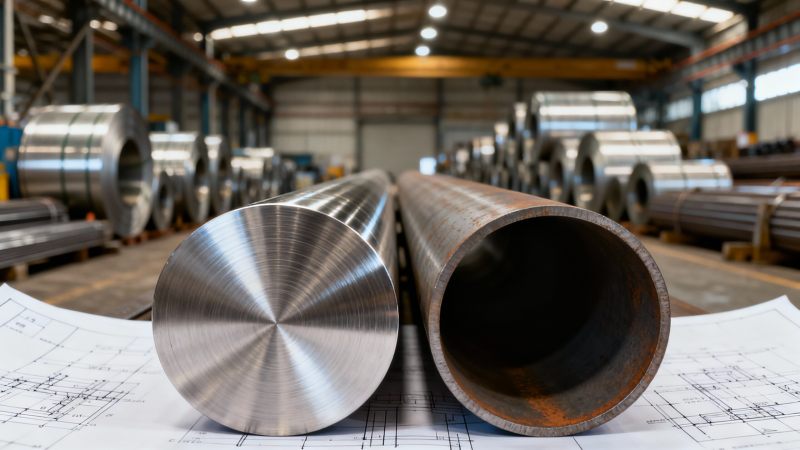
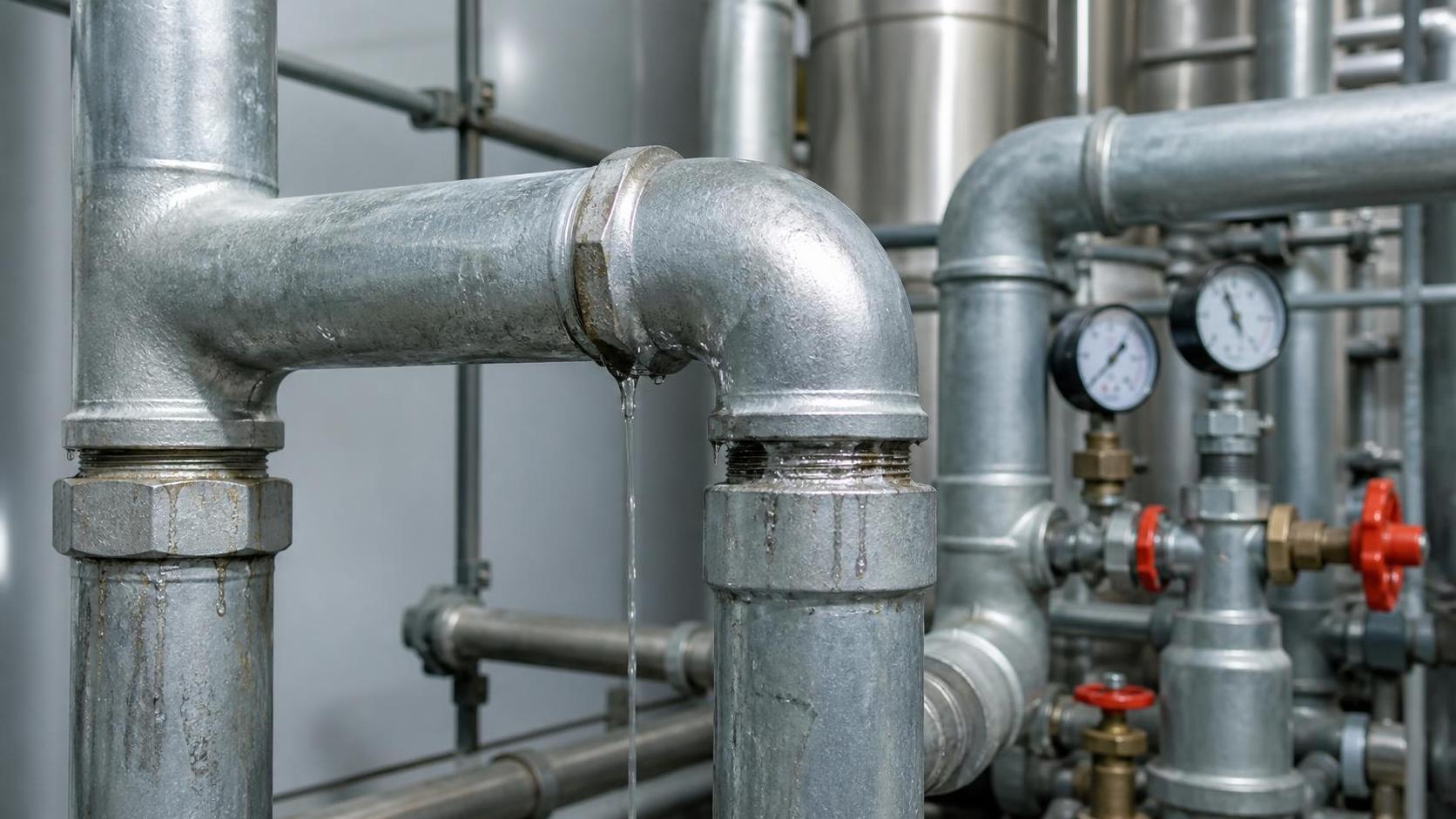
In global procurement chains, material selection extends beyond the listed mechanical specifications. Supply consistency, price stability, and production scalability directly influence construction timelines and cost performance. The 304 stainless steel coil manufacturer in China, Hongteng Fengda, integrates modern production equipment, cold-forming lines, and advanced testing facilities to maintain batch consistency for overseas clients. For importers and distributors in markets like Europe or Southeast Asia, the assurance of compliance with ASTM and EN standards supports not only product quality but also international regulatory audits. When assessing lifecycle cost, the initial investment in ASTM 304 stainless steel coil tubing is offset by its reduced maintenance and extended service time. An illustrative analysis over a ten-year period often shows a reduction of total upkeep costs by over 25% compared with ordinary galvanized steel piping. Procurement managers seeking measurable financial benefits therefore rely on accurate data drawn from the company’s 304 stainless steel coil price list before large-volume acquisition. Moreover, since Hongteng Fengda operates as both manufacturer and exporter, customers benefit from integrated logistics—from coil slitting to custom packaging—which reduces lead time and enhances project coordination efficiency. To complement tubular structures, carbon steel profiles such as Q345 or S235J2 grade I Shaped Beams are frequently supplied in conjunction with stainless materials. These beams act as the main industrial structure support, while the stainless steel coils serve as corrosion-resistant covering, enclosing, or fluid transmission elements. This strategy contributes to balanced design solutions adopted by civil engineers and plant designers aiming to meet both mechanical load and aesthetic criteria within international construction codes.
Applications and Case Insights
The versatility of 304 stainless steel coil tubing manifests across multiple sectors—ranging from architectural façades and refinery pipelines to heat exchangers and sanitation systems. In the construction field, it proves especially valuable for handrails, curtain wall supports, and embedded conduit lines exposed to humid conditions. For manufacturing enterprises, its performance in fabrication processes such as bending, welding, and decoiling ensures flexible adaptation to custom production layouts. A case in point involves a European industrial park project that required over 50 tons of 304 stainless steel coil tubing for HVAC systems and process piping. The client, collaborating with Hongteng Fengda as a 304 stainless steel coil tubing supplier, prioritized both dimensional accuracy and timely delivery. With the company’s strict ±1% tolerance control and adherence to GB and ASTM standards, the project achieved installation precision that reduced on-site joint rework by 30%. Another example in Southeast Asia used custom 304 stainless steel coil tubing for construction of a food-grade processing facility, where cleanability and chemical resistance were crucial regulatory requirements. Engineers further appreciate how 304 stainless steel coil for industrial use integrates seamlessly with modular frameworks, ensuring smooth interfacing with support beams, flanges, and anchor systems. With optional polishing levels and thickness ranges, these coils adapt to different visual and functional targets, from heavy-duty equipment enclosures to decorative urban installations. Combined with professional technical support, it allows design teams to adhere to international compliance while maintaining architectural creativity and operational reliability across long project lifecycles.
Market Trends and Sustainability Perspective
Globally, sustainability has become a critical driver in material procurement decisions. Stainless steel grades like ASTM 304 are fully recyclable and retain nearly 90% of material value post-reclamation. This recyclability aligns with the environmental goals outlined in major construction certification systems such as LEED and BREEAM. The reduced carbon footprint associated with re-melting stainless scrap also gives 304 stainless steel coil for manufacturing an important edge compared to coated carbon steel alternatives. Market forecasts anticipate steady growth in stainless steel coil tubing demand at an annual rate above 3% through 2030, primarily driven by infrastructure modernization and industrial plant expansion. Buyers and project managers now emphasize complete supplier service systems—including technical consulting, traceable certification, and tailored logistics management—to mitigate risks in global sourcing environments. By partnering with a reputable 304 stainless steel coil tubing supplier offering verified production data and international freight coordination, companies can maintain continuity even during global supply fluctuations. Hongteng Fengda’s business model reflects this transformation, combining robust domestic production with export-oriented flexibility. Its standardized processes, compliance with ASTM, EN, JIS, and GB standards, and optimized production schedules help customers streamline procurement documentation while ensuring on-time delivery. These operational strengths demonstrate how high quality 304 stainless steel coil production contributes not only to engineering durability but also to greater overall environmental and economic sustainability.
Conclusion and Call to Action
When comparing ASTM 304 stainless steel coil tubing with other common stainless and carbon steel grades, it becomes evident that 304 represents the most balanced solution for durability, processability, and budget control. Its proven mechanical stability, superior corrosion resistance, and international standard compliance make it an ideal material for both structural frameworks and precision components. Combined with complementary materials such as carbon steel profiles, it allows flexible design and reliable assembly across a wide range of industrial and construction environments. Hongteng Fengda, as a leading 304 stainless steel coil manufacturer in China, supports its partners through high quality production, stringent inspection, and customer-focused customization. The company’s continuous improvements in cold forming, surface finishing, and logistics service reinforce its position as a trusted long-term structural steel partner worldwide. To explore the latest 304 stainless steel coil price list or discuss your next project requirements for custom 304 stainless steel coil tubing, contact Hongteng Fengda today. Our professionals will help you analyze practical technical options, align procurement planning, and deliver reliable industrial materials that meet global construction standards. Begin your consultation now to ensure your next project is built with confidence, efficiency, and enduring performance.
- i shaped beams
- carbon steel beams
- ASTM standards
- ASTM standard
- steel coil
- galvanized steel
- structural steel
- steel beams
- steel profiles
- Structural Steel
- Steel Beams
- 304 stainless steel coil
- stainless steel coil
- stainless steel coil price
- stainless steel coil manufacturer
- 304 stainless steel coil tubing
- Profile
- Galvanized
- Steel Beam
- 304 stainless steel coil tubing for construction
- 304 stainless steel coil manufacturer in China
- high quality 304 stainless steel coil
- 304 stainless steel coil tubing supplier
- 304 stainless steel coil for industrial use
- 304 stainless steel coil price list
- ASTM 304 stainless steel coil tubing
- 304 stainless steel coil exporter to Europe
- custom 304 stainless steel coil tubing
- 304 stainless steel coil for manufacturing
Related recommendations
 Common Leak Risks When Using Galvanized Pipe for Plumbing SystemsGalvanized pipe for plumbing can hide corrosion, joint wear, and pressure-related leak risks. Learn the key warning signs, causes, and smart maintenance actions to prevent costly failures.
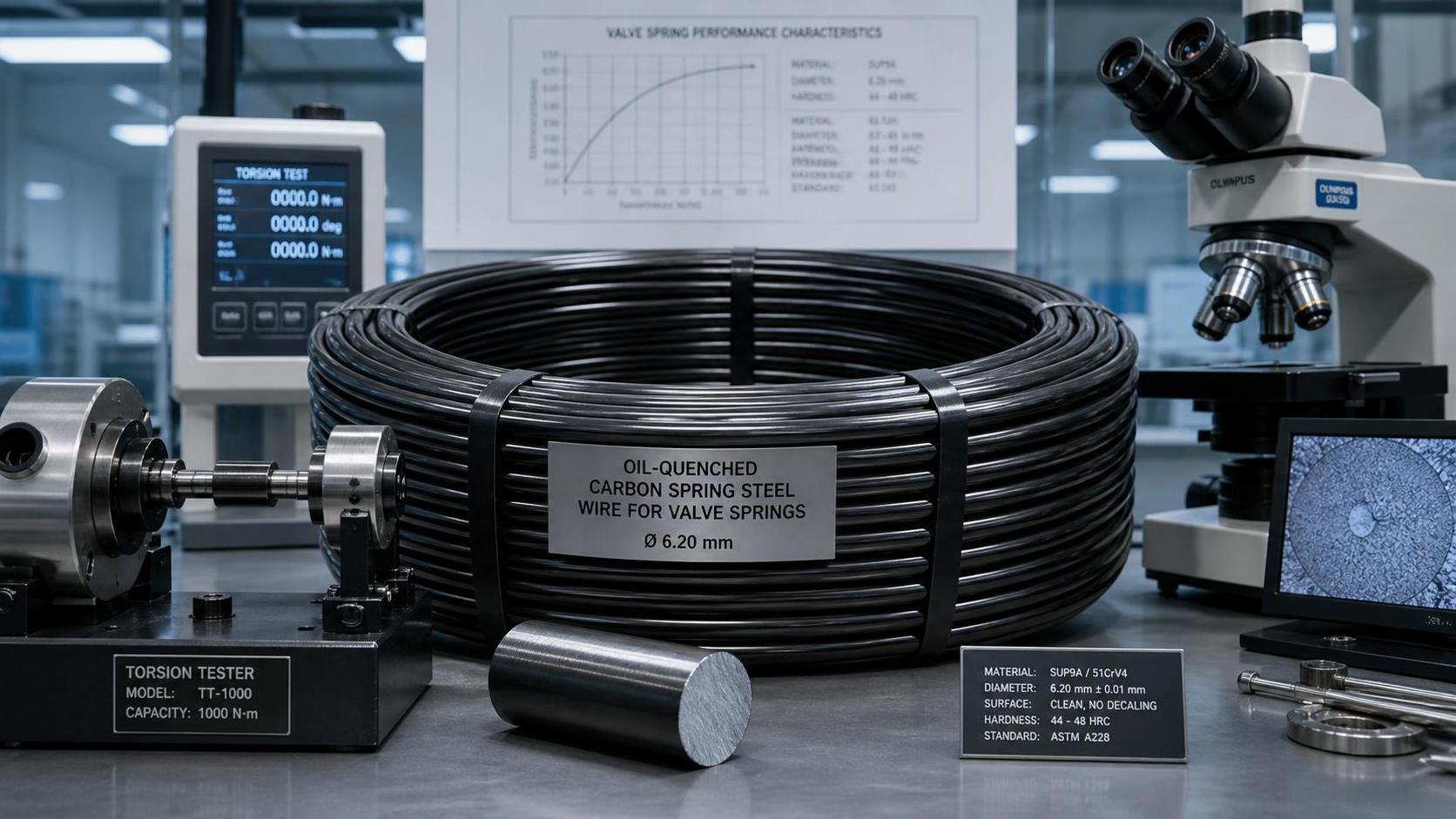
 Oil Tempered Carbon Steel Wire for Valve Spring: What Standards and Tests Matter?Oil tempered carbon steel wire for valve spring: learn which JIS, EN, and ASTM standards, decarburization checks, surface inspections, and fatigue-related tests truly protect spring life.
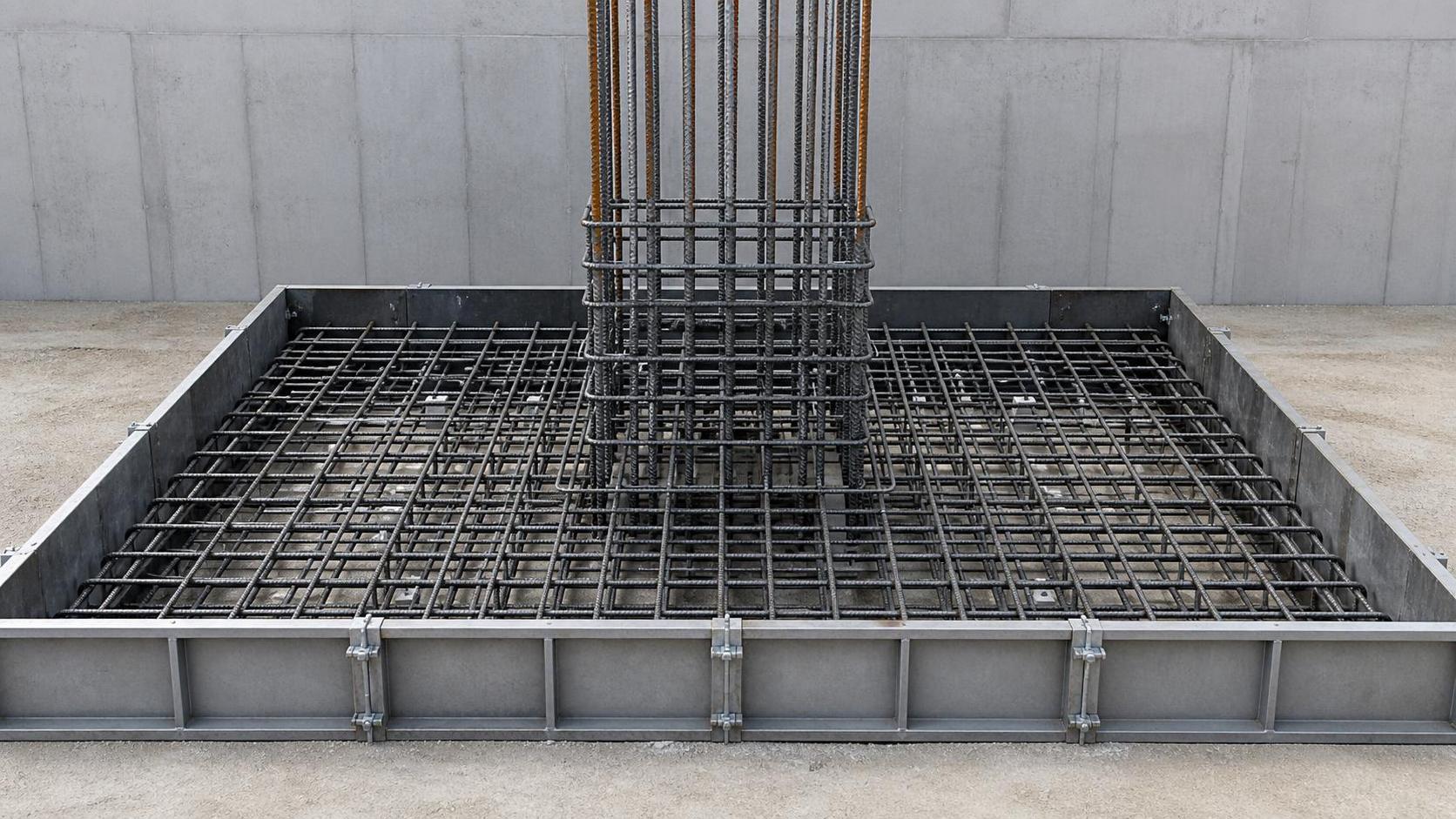
 Rebar for Foundation: Grade, Cover, and Spacing Mistakes to AvoidRebar for foundation guide: avoid costly grade, cover, and spacing mistakes that weaken durability, bonding, and concrete flow. Learn practical checks before the pour.
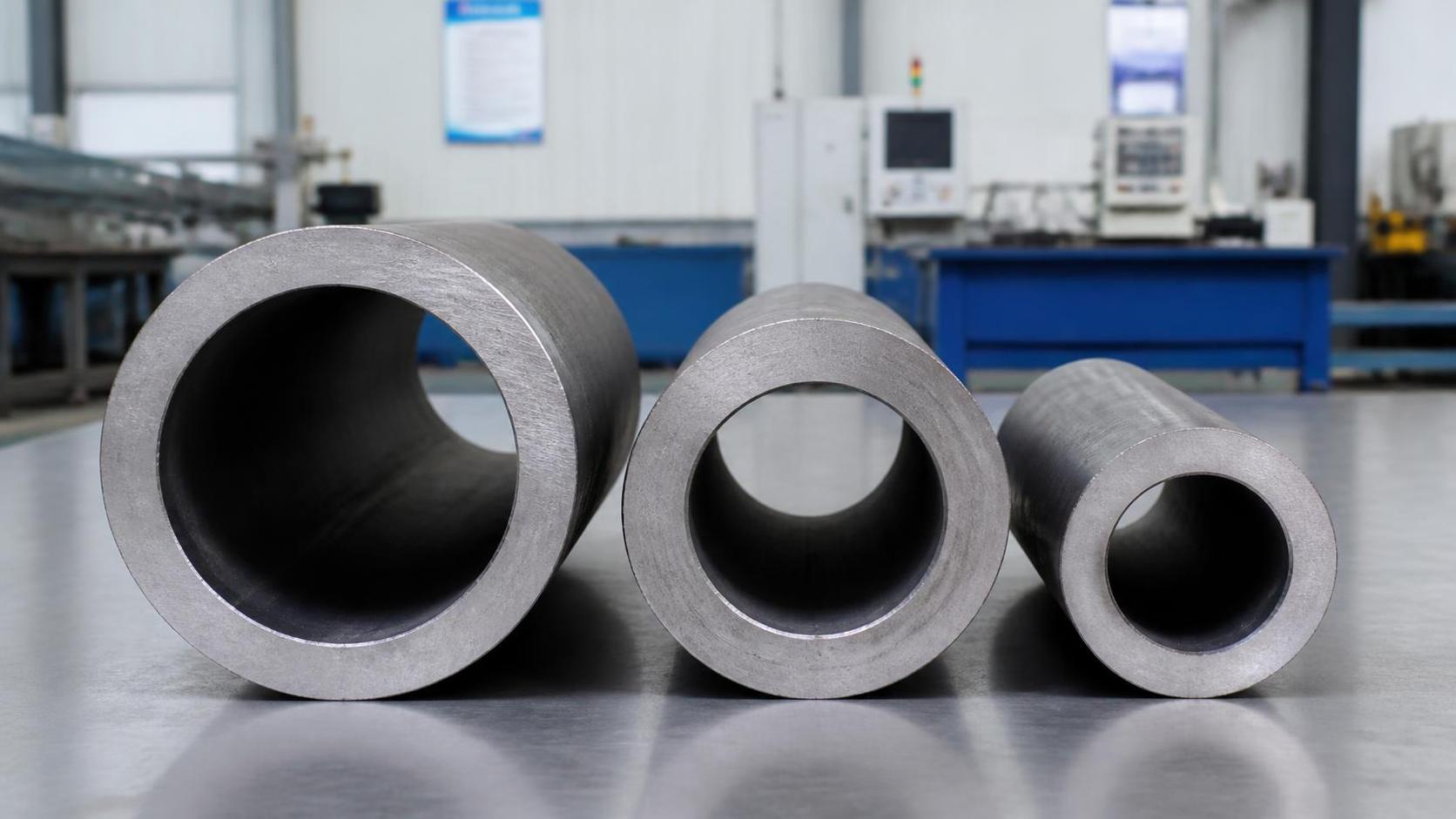
 Steel Tubing Dimensions: OD, Wall Thickness, and Gauge DifferencesSteel tubing dimensions explained clearly: compare OD, wall thickness, and gauge differences to avoid sizing mistakes, improve fit, and choose the right steel tube with confidence.
Please give us a message


Please enter what you want to find