When placing a stainless steel pipe wholesale order, the biggest risks usually do not come from the quoted unit price alone. They come from ordering the wrong grade, using mismatched standards, overlooking testing and traceability, and choosing a supplier that cannot consistently deliver what was promised. For buyers comparing options such as ASTM A106 Gr B pipe, reviewing ASTM A106 Gr.B specification details, or evaluating a stainless steel pipe manufacturer for long-term supply, the key is to reduce technical ambiguity before the order is confirmed. A well-managed order protects quality, schedule, compliance, and total project cost far better than a low initial price ever can.
What Usually Goes Wrong in Stainless Steel Pipe Wholesale Orders?
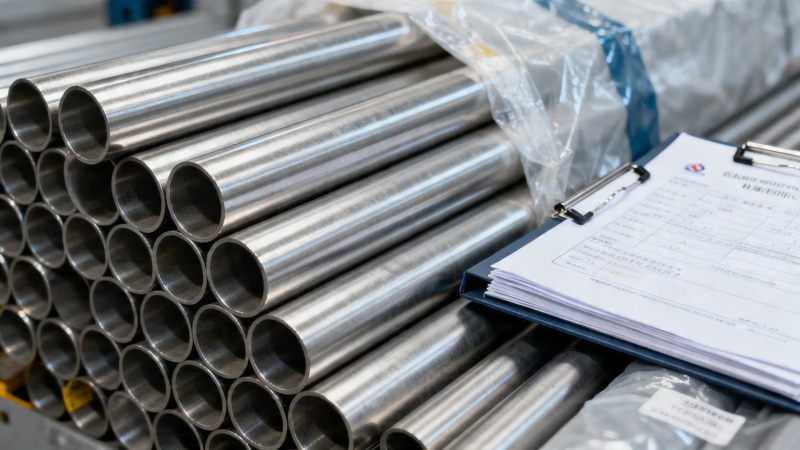
Most wholesale order problems start long before production begins. In many cases, the purchase order looks complete on paper, but critical details are either assumed, copied from an old project, or never clarified between engineering, procurement, and the supplier.
The most common pitfalls include:
- Choosing pipe material by price instead of service conditions
- Confusing stainless steel grades with carbon steel standards such as ASTM A106 Gr B
- Failing to define dimensions, wall thickness, tolerances, and length requirements clearly
- Ignoring surface finish, end treatment, and packaging details
- Accepting incomplete quality documents or test certificates
- Not checking whether the supplier can meet export, compliance, and delivery requirements
- Underestimating the cost impact of rework, delays, rejection, and logistics issues
For technical evaluators and project managers, this means specification risk. For procurement and finance teams, it means hidden cost risk. For quality and safety personnel, it means acceptance and compliance risk. That is why successful wholesale sourcing depends on defining the order in a way that is commercially and technically verifiable.
Do Not Mix Up Material Type, Grade, and Standard
One of the most damaging mistakes is treating all industrial pipes as interchangeable. Buyers often search for stainless steel pipe and then compare products against references like ASTM A106 Gr.B specification data. But ASTM A106 Grade B is a carbon steel seamless pipe standard used mainly for high-temperature service, not a stainless steel grade.
This confusion can lead to serious procurement errors. A correct buying decision should separate three things:
- Material type: stainless steel, carbon steel, alloy steel, etc.
- Grade: such as 304, 316, 321, or duplex stainless grades
- Standard: ASTM, EN, JIS, GB, or project-specific specifications
If the application requires corrosion resistance, hygiene, appearance, or chemical compatibility, then stainless steel grade selection matters greatly. If the service condition is high temperature and pressure in a carbon steel system, ASTM A106 Gr B pipe may be relevant. Buyers should never approve an order using only a partial description like “industrial pipe” or “same as previous batch.”
A better approach is to confirm:
- Operating medium
- Working temperature and pressure
- Corrosion environment
- Welding and fabrication requirements
- Applicable local or project standards
Once these are clear, the right material family and specification become much easier to define.
Why Low Price Can Become the Most Expensive Option
Wholesale buyers naturally compare quotations, but the lowest offer often excludes essential quality, testing, or service elements. A lower price may reflect thinner actual wall tolerance, downgraded raw material, fewer inspections, weaker packaging, or poor lead-time control.
The real cost of a pipe order should include:
- Material compliance
- Dimensional consistency
- Inspection and testing scope
- Export packing quality
- Lead time reliability
- Claim handling and after-sales response
- Risk of project interruption
For example, a shipment that arrives with inconsistent wall thickness or incomplete certificates may trigger site delays, third-party reinspection, replacement costs, and contractual penalties. In such cases, the “savings” from the cheaper supplier disappear quickly.
This logic applies broadly across steel procurement. In construction projects, buyers evaluating reinforcement products also focus on lifecycle efficiency rather than just tonnage price. For instance, HRB600 Rebar can help reduce the required reinforcement ratio and decrease steel consumption due to its 600 MPa standard yield strength, making it a value-driven choice where structural performance and material efficiency matter. The same sourcing principle applies to pipe orders: technical suitability and dependable supply usually create better total value than the lowest quote.
What Specifications Should Be Clearly Written Into the Purchase Order?
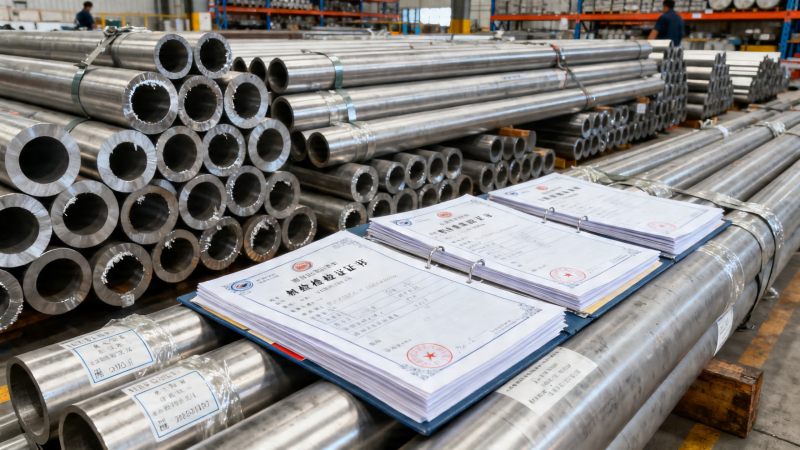
If a wholesale order is not detailed enough, disputes are almost guaranteed. Buyers should ensure the purchase order, contract, or technical annex includes all critical details in writing.
At minimum, confirm the following:
- Material grade and standard
- Manufacturing method: seamless or welded
- Size range: outer diameter, wall thickness, schedule, and tolerance
- Length: random, fixed, or cut-to-length
- End condition: plain end, beveled, threaded, capped
- Surface finish: pickled, polished, annealed, or mill finish
- Testing: chemical composition, mechanical properties, hydrostatic test, NDT if needed
- Certificates: MTC, EN 10204 3.1, third-party inspection if required
- Marking and traceability
- Packing and shipping requirements
For quality control teams, traceability is especially important. Heat number linkage, test record consistency, and identification marking should match the certificates. If these details are not aligned, acceptance can become difficult even when the product itself appears usable.
How to Evaluate a Stainless Steel Pipe Manufacturer Beyond the Catalog
A professional-looking website or product list is not enough. A dependable stainless steel pipe manufacturer should be able to demonstrate manufacturing control, export experience, and responsiveness to project-specific requirements.
Before placing a large order, buyers should assess:
- Whether the supplier regularly serves export markets with similar standards
- Production capacity and realistic lead times
- Quality control process from raw material to final inspection
- Ability to provide customized dimensions or OEM requirements
- Familiarity with ASTM, EN, JIS, and GB standards
- Document accuracy and response speed
- Past shipment stability and claim resolution ability
For global projects, this matters even more. A qualified steel manufacturer and exporter should not only make products, but also help reduce sourcing risk through consistent standards compliance, reliable communication, and practical problem solving. Buyers benefit when suppliers understand both technical specifications and international delivery expectations.
What Procurement Teams Should Check Before Approving Bulk Orders
Bulk approval should not rely on one department alone. The most effective buying process is cross-functional.
A practical review checklist includes:
- Engineering: verifies material selection and service suitability
- Procurement: compares quotations on a like-for-like basis
- Quality: confirms inspection scope, standards, and traceability
- Project management: checks lead time against construction schedule
- Finance: evaluates payment terms against supplier reliability and risk
- Management: reviews strategic fit for long-term supply stability
It is also wise to request a pre-production confirmation or sample document pack before full release, especially for new suppliers. In many cases, a trial order reveals communication gaps that would otherwise become larger problems in a high-volume shipment.
How to Avoid Delivery, Compliance, and Claim Problems After Ordering
Even a technically correct order can fail if execution is weak. Post-order management is where many buyers lose control. To reduce risk, set milestones before production starts:
- Approved final specification sheet
- Confirmed production schedule
- Inspection plan and hold points
- Document submission timeline
- Packing photos or pre-shipment verification
- Clear non-conformance and claim procedure
For importers and distributors, logistics details should also be confirmed early, including bundle weight, container loading method, rust or contamination protection, and labeling for warehouse handling. These operational details directly affect receiving efficiency and product condition on arrival.
When the supplier is proactive in communication and document control, buyers gain much better visibility and fewer surprises. That is especially important for industrial and construction projects where a single delayed batch can affect multiple downstream activities.
Conclusion
The most common pitfalls in stainless steel pipe wholesale orders are not random; they usually come from unclear specifications, material confusion, overemphasis on low price, and weak supplier evaluation. Buyers who take time to verify grade, standard, testing, traceability, and delivery capability are far more likely to control cost and avoid disputes.
Whether you are reviewing ASTM A106 Gr.B specification information for a carbon steel application, comparing industrial pipe options, or selecting a stainless steel pipe manufacturer for long-term procurement, the best decision is the one that balances technical fit, quality assurance, supply reliability, and total project value. In wholesale sourcing, clarity before ordering is what protects performance after delivery.
Please give us a message


Please enter what you want to find