When working with stainless metal plate or ss metal sheet in industrial processing, even minor mistakes can lead to costly surface scratches, deformation, or corrosion. Understanding the common issues that affect stainless steel metal plates, plate ss, and related materials such as steel square plate or stainless l channel is crucial for maintaining quality and efficiency. This guide explores practical solutions to prevent damages and ensure your stainless metal plate components meet production and project standards consistently.
1. Common Handling Problems with Stainless Metal Plate
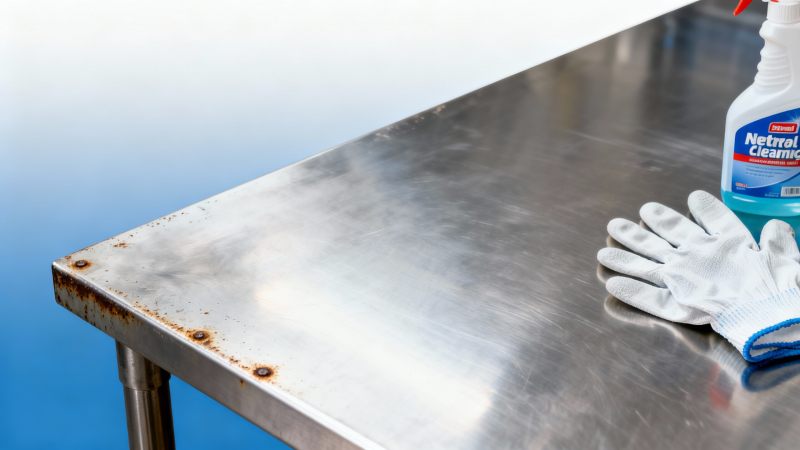
Despite the inherent strength and corrosion resistance of stainless steel metal plates, improper handling can significantly reduce their performance in demanding environments. Many production plants still experience issues such as surface scratching during cutting or transportation, warping caused by uneven heat exposure, and contamination from contact with carbon steel tools. These imperfections not only compromise aesthetic quality but also shorten the material’s lifespan in construction or engineering applications.
Frequent contact between ss metal sheet and unprotected steel workshop tables, for instance, can lead to tiny iron particles embedding in the surface. Once the material is exposed to humidity, these deposits trigger rust points even on stainless substrates. Operators working with plate ss should maintain dedicated work areas and protective coatings to ensure purity. Additionally, use padding or wooden separators between stainless steel metal plates during storage to prevent abrasion.
Another overlooked factor is improper lifting techniques. Forklift tines, chains, or slings without suitable cushioning can deform the edges of a stainless square plate or a sst plate. Manufacturers emphasize using nylon straps and spreader bars to distribute load evenly. A well-organized logistics plan prevents project delays and enhances material yield ratios, especially for high-value stainless metal plate components used in architectural panels or industrial equipment bases.
2. Surface Contamination and Cleaning Practices
Surface contamination on stainless metal plate often stems from residues of lubricants, dust, or welding splatter. These foreign substances interfere with the chromium oxide passive film that protects the plate against corrosion. To minimize these risks, it is critical to establish a cleaning routine tailored to production intensity. For example, routine wiping with neutral detergent effectively removes fingerprints from steel square plate surfaces before packaging, while chemical passivation restores the natural resistance of stainless components after fabrication.
Quality control specialists recommend specifying tools that never touch carbon steel during the handling of stainless steel metal plates. Maintenance schedules for machinery such as cutting saws or polishing wheels should include inspection for cross-contamination. Moreover, adopting a separate storage area for plate ss, stainless l channel, and other stainless items reduces airborne contamination from welding sparks. In humid climates, using dehumidifiers or controlled ventilation preserves the finished surface, preventing unsightly oxidation marks during export.
In high-traffic workshops, labeling workstations to distinguish between ferrous and non-ferrous materials helps quality teams maintain orderly control. This process aligns with international standards such as ASTM A240 or EN 10088, ensuring traceability across stainless production lines. As a structural steel manufacturer and exporter, Hongteng Fengda applies such strict handling guidelines to guarantee that every stainless metal plate shipped meets both mechanical and aesthetic specifications.
3. Preventing Deformation During Fabrication
When stainless sheets are cut, welded, or bent, deformation is one of the most common concerns. Excessive heat input during plasma or laser cutting can cause localized expansion, leading to edge distortion or waviness. To control thermal effects, technicians often predefine cutting parameters based on material thickness and grade. For example, a 6mm stainless square plate requires lower cutting speed and consistent coolant flow to prevent discoloration.
Another contributing factor to deformation is improper clamping. Failing to evenly secure the plate during drilling or shaping can introduce bending stress, resulting in misalignment or residual tension. Using vacuum tables or adjustable clamps provides better surface support throughout machining. Professionals handling large batches of ss metal sheet also apply stress-relief annealing to restore balance after forming operations, particularly for products exposed to vibration or mechanical fatigue.
An innovative solution involves selecting pre-patterned materials like the SS440 Patterned steel plate. Its patterned surface enhances anti-skid and deformation resistance, making it suitable for demanding environments such as machinery flooring or shipbuilding decks. Manufactured from materials like Q235B, A36, and SS440, this plate offers thickness options from 2 to 8mm and adheres to ASTM, DIN, and JIS standards. By improving grip and structural strength, it also reduces overall metal consumption while maintaining visual appeal in architectural and industrial applications.
4. Managing Corrosion in Harsh Environments
Corrosion remains a vital consideration for stainless metal plate performance, especially in coastal or chemical plant installations. Even though stainless compositions inherently resist rust, prolonged exposure to chlorides or acidic agents eventually challenges their stability. Engineers must select the right alloy grade depending on the target environment. For instance, SS304 suits indoor décor or general construction wiring systems, while SS316 is recommended for marine applications due to its superior molybdenum content.
Routine maintenance plays an important role in preventing pitting on sst plate surfaces. Washing with mild detergents removes salt deposits; applying passivation treatments restores a uniform chromium oxide layer. To maintain long-lasting protection, project managers may schedule annual inspections focusing on weld joints, edges, and fastened locations. When necessary, re-polishing can remove blemishes before they propagate into deep corrosion zones.
Industrial buyers handling structural frames built with stainless l channel or steel tube coil should ensure adequate drainage and ventilation, preventing stagnant water accumulation. Hongteng Fengda, relying on international best practices, emphasizes proper packaging when shipments travel across humid regions. Each stainless steel metal plate is wrapped with moisture-proof paper and sealed with protective film, ensuring that products arrive in pristine condition at client sites across North America and Southeast Asia.
5. Quality Control and Inspection Measures
To secure consistent performance across multiple batches, implementing a rigorous inspection plan for stainless steel metal plates and plate ss materials is essential. Testing includes surface flatness, thickness tolerance, and dimensional stability, usually referenced to standards such as GB/T 3280 or ISO 9445. Dimensional tolerance often influences assembly accuracy in industrial structures. The following table illustrates key reference data derived from Hongteng Fengda’s engineered plate parameters:
Inspection specialists regularly compare incoming batches with these standards to verify compliance. Using non-destructive testing like ultrasonic or eddy-current examination helps detect hidden defects beneath the surface. Moreover, integrating digital traceability platforms enables purchasers to link inspection reports directly to each stainless metal plate serial number. Such transparency improves trust between suppliers and buyers while reducing potential disputes in large-scale construction projects.
6. Safe Storage, Logistics, and Packaging Guidelines
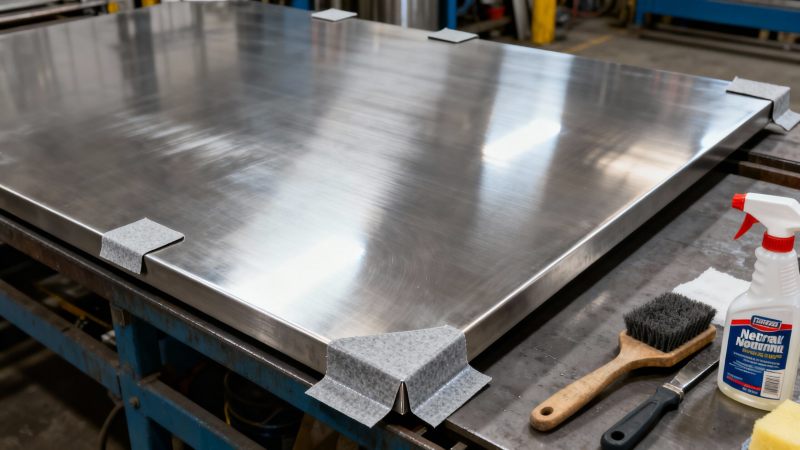
Proper storage conditions determine how stainless steel retains its quality over time. Stainless square plate stacks must rest on dry, vibration-free supports, isolated from direct contact with carbon steel racks. Avoid stacking beyond designated height limits to prevent compression marks or bending in lower layers. Covering the stacks with breathable, waterproof sheets further protects surfaces against condensation when ambient temperatures fluctuate.
For global exports, shipping departments employ layered packing using wooden pallets, corner guards, and anti-moisture wraps. This approach is particularly vital for ready-to-install items such as stair treads, equipment floors, or patterns similar to SS440 Patterned steel plate. Adhering to ISO and SGS standards ensures that each consignment remains safe during transit despite conditions like high humidity or long transport durations. In addition, logistics teams coordinate with freight partners to schedule temperature-controlled containers when necessary.
Companies that maintain clear storage protocols report fewer surface defects and improved turnaround time. Establishing barcode-based tracking systems also streamlines inventory management for plate ss and steel tube coil products. Compared with random stacking, organized shelving reduces space waste and helps warehouse employees locate materials quickly—an effective practice when project schedules demand urgent deliveries of stainless metal plate components.
7. Emerging Trends and Sustainable Practices in Stainless Steel Use
The growing demand for sustainable manufacturing has encouraged global producers to optimize every stage of stainless steel processing. Advanced automation reduces manual handling errors, while eco-friendly pickling treatments minimize waste discharge. Manufacturers are also shifting toward recyclable packing solutions that protect stainless steel metal plates without plastic-based coatings. The result is better lifecycle performance and compliance with international environmental regulations.
Material engineers explore the use of lightweight steel square plate assemblies and hybrid reinforcement with construction wire to enhance material efficiency. In heavy industries such as shipbuilding and equipment fabrication, innovations like cold-formed profiles or patterned textures improve load-bearing capability while conserving steel consumption. These developments echo Hongteng Fengda’s continuous improvement philosophy—delivering durable products that meet global sustainability expectations.
Moreover, digital simulation tools now allow technicians to predict stress points before physical production. This reduces trial-and-error approaches that typically cause surface wear on ss metal sheet. As technology evolves, plant managers can anticipate faults earlier, ensuring that each stainless metal plate maintains consistent tolerance accuracy and surface gloss even under aggressive working cycles.
Conclusion: Strengthening Quality and Efficiency Through Best Practices
Reducing handling-related issues is an essential step toward maximizing the lifespan of stainless steel components. From inspecting incoming materials to implementing clean work environments, every detail affects long-term performance. By following the preventive measures discussed—such as using proper lifting tools, ensuring contamination-free surfaces, and maintaining consistent inspection standards—engineering teams can safeguard every ss metal sheet, sst plate, or stainless l channel during production and assembly.
Hongteng Fengda, as a professional structural steel manufacturer and exporter from China, continues to combine precision technology with strict quality control to meet diverse application needs. Whether supplying stainless metal plate for architecture or patterned flooring with anti-skid properties, the company remains committed to reliability, prompt delivery, and competitive pricing. To source premium structural steel or discuss customized OEM solutions for your construction or industrial projects, contact our expert team today and discover how our quality-driven approach can enhance your project success.
Related recommendations
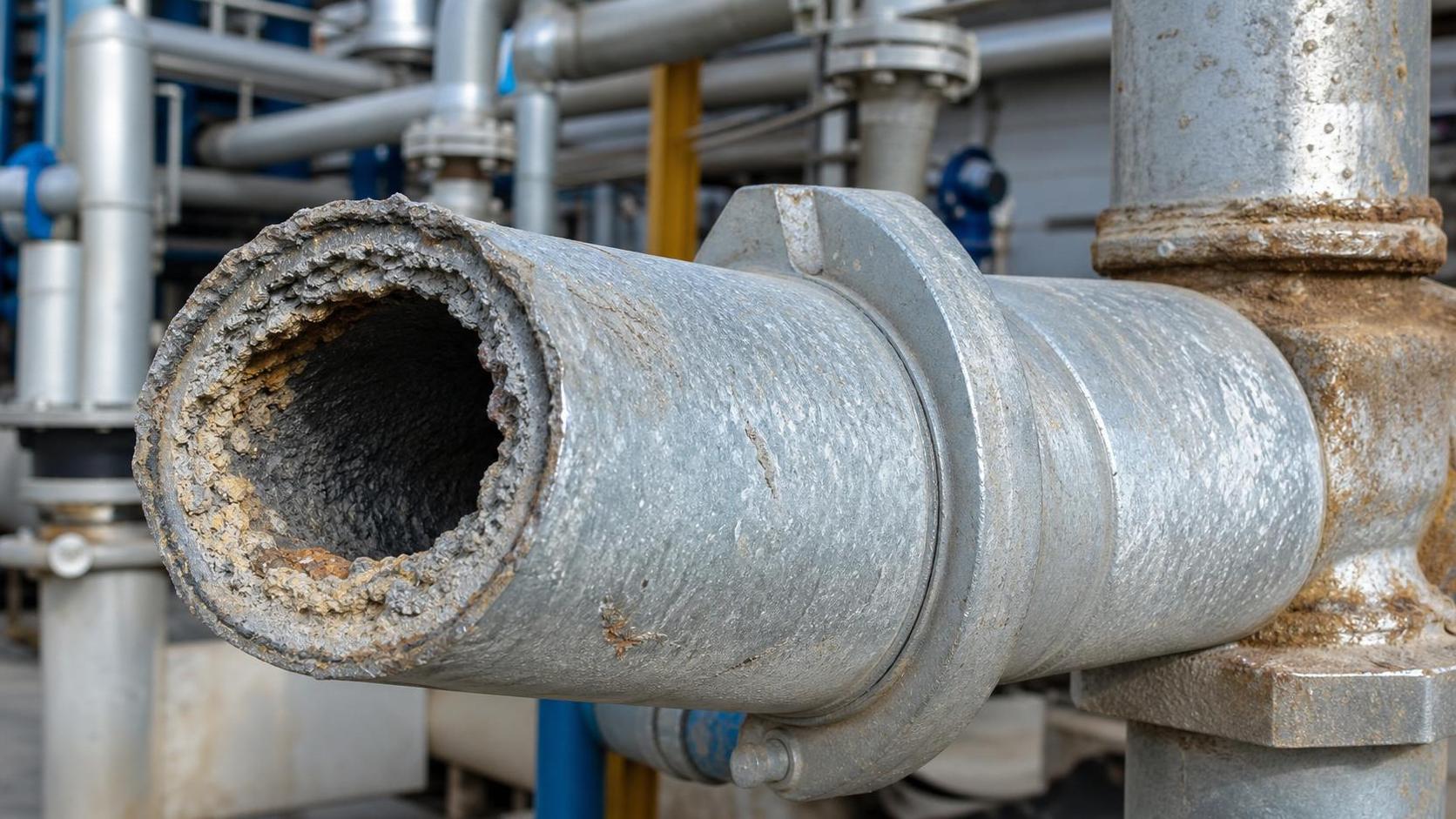
 Why Does Galvanized Pipe Corrode Over Time and When Should It Be Replaced?Galvanized pipe corrodes as its zinc coating wears away from moisture, chemicals, and age. Learn the warning signs, repair limits, and the right time to replace it.
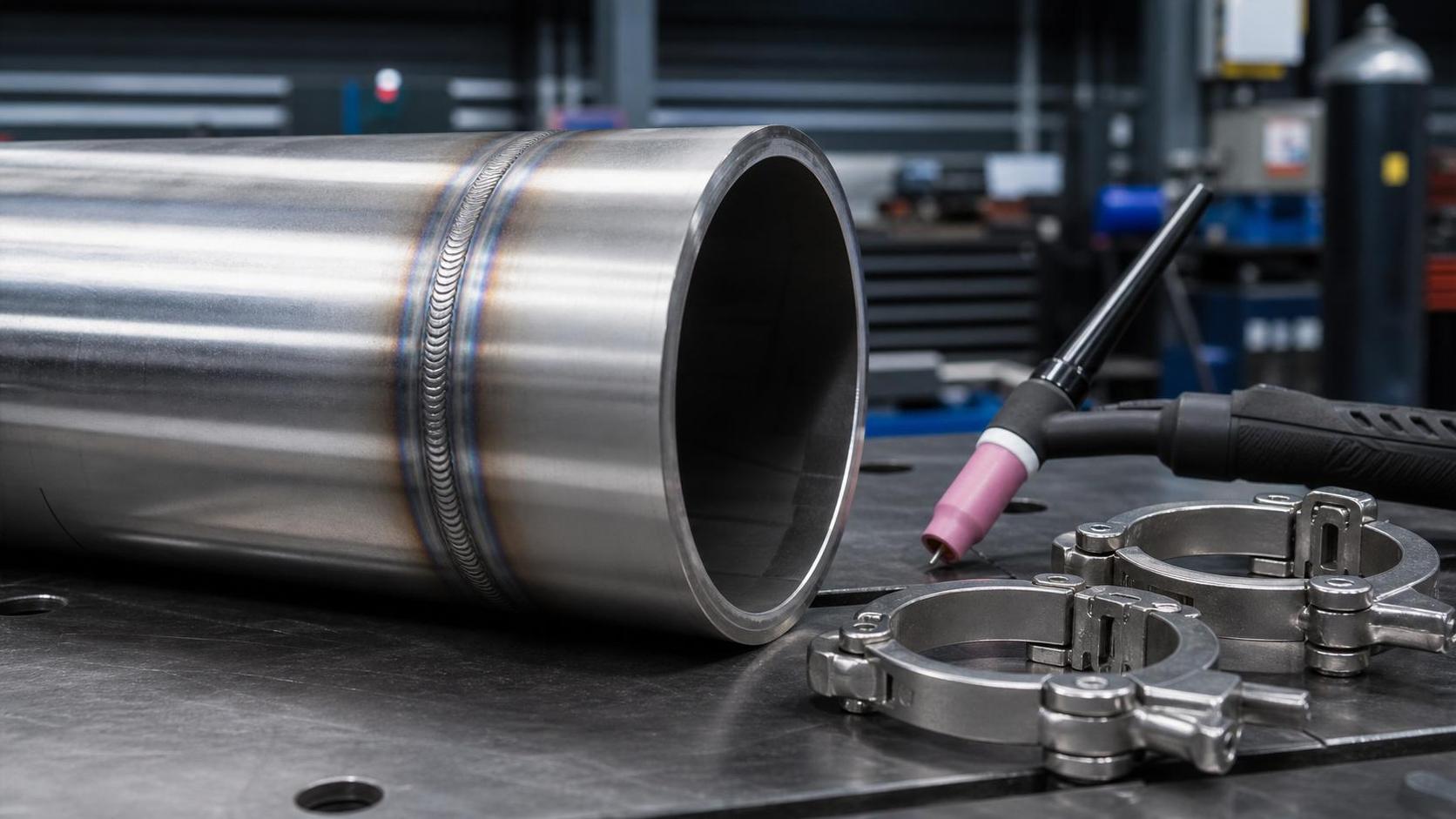
 Common SS Pipe Welding Problems and How to Prevent ThemSS pipe welding problems can lead to leaks, corrosion, and costly repairs. Learn the main defects, warning signs, and practical prevention tips to improve weld quality and service life.
 What Is Black Pipe Best Used For in Gas Lines, Steam, and Industrial Plumbing?Black pipe is ideal for gas lines, steam, and industrial plumbing where strength and heat resistance matter. Learn when it fits best, where it fails, and how to choose wisely.
 Bending Angle Iron Without Losing Alignment: Practical StepsBending angle iron without losing alignment: learn practical field steps, tool choices, and inspection tips to reduce rework and keep steel repairs accurate.
Please give us a message


Please enter what you want to find