Choosing the right angle iron for construction projects is critical for structural integrity, yet many project managers make avoidable mistakes in material selection and installation. As a professional structural steel manufacturer, Hongteng Fengda highlights common pitfalls when using angle iron in construction - from improper load calculations to corrosion protection oversights. This guide helps engineering professionals optimize their steel specifications while ensuring compliance with international standards like ASTM and EN.
Why Angle Iron Selection Demands a Checklist Approach
Over 60% of structural failures in light steel frameworks trace back to incorrect angle iron specifications or installation errors. Unlike standard beams, angle iron serves multiple load-bearing functions - from bracing to connections - requiring precise evaluation of five key dimensions:
- Axial vs. bending load requirements
- Environmental exposure classifications
- Connection method compatibility
- Thermal expansion coefficients
- Fabrication tolerance thresholds
The Essential 7-Point Angle Iron Specification Checklist
Project managers should verify these parameters before finalizing angle iron orders:
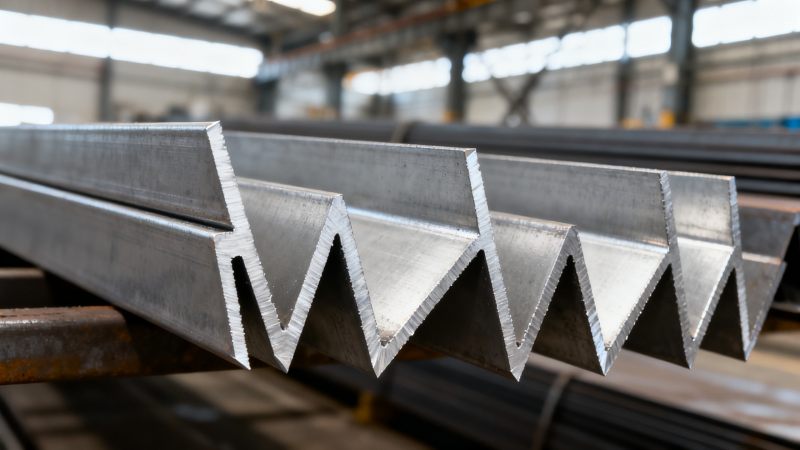
For specialized applications like seismic zones or coastal structures, consider Z-beam profiles that combine angle iron functionality with enhanced torsional resistance. These Z-shaped steel profiles excel in large-scale steel structure workshops and roof systems, offering 15-20% higher load capacity than standard L-shaped angles in certain configurations.
Load Calculation Oversights
Three frequent miscalculations undermine angle iron performance:
- Ignoring eccentric loading effects at connections
- Underestimating wind uplift forces on perimeter angles
- Using static load ratings for vibration-prone equipment supports
Corrosion Protection: Beyond Basic Galvanizing
While hot-dip galvanizing remains standard (typically 80-100μm coating), these environments demand enhanced solutions:
- Coastal (500m from shore): 120μm zinc + epoxy topcoat
- Chemical plants: Stainless steel cladding (316L grade)
- Underground: Cathodic protection with 300μm polyethylene wrap
Fabrication & Installation Red Flags
Field data shows 40% of angle iron failures originate from workshop errors:
Why Partner with Hongteng Fengda
As a CE and ISO-certified structural steel manufacturer, we help global clients avoid these common pitfalls through:
- Material certification tracing from mill to project site
- Pre-fabrication virtual mockups for connection validation
- Customized corrosion protection solutions per EN ISO 12944
Request a project-specific angle iron specification review with our engineering team to optimize your structural design and procurement strategy.
Please give us a message


Please enter what you want to find