Selecting the right supplier for steel H sections, H-shaped steel beams, and industrial I beams directly impacts structural performance, cost efficiency, and project safety. Understanding how to assess a supplier’s capabilities, from H metal beam production to quality assurance for angle carbon steel and right angle sheet metal, helps minimize risks and ensure consistent results. This guide offers insights into evaluating supplier strength, testing standards, and assurance systems to support informed sourcing decisions in the global structural steel industry.
Evaluating Manufacturing Capabilities of a Steel H Sections Supplier
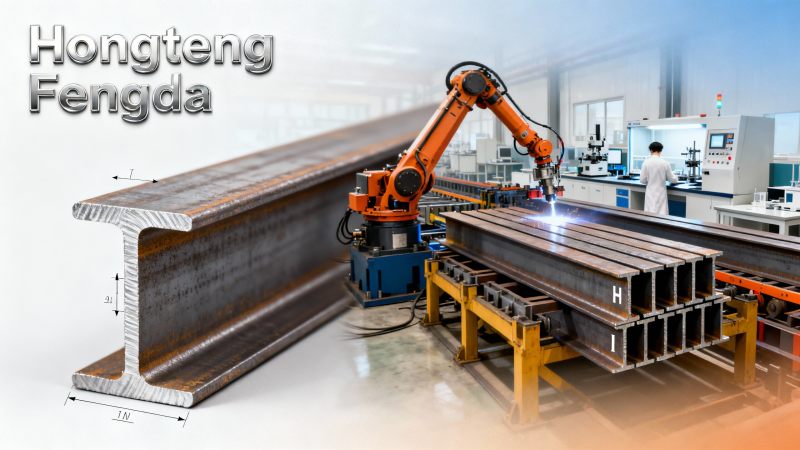
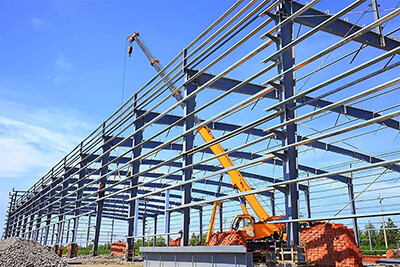
When choosing a supplier for steel H sections, h shape steel, or industrial i beams, the first focus should be the company’s manufacturing capacity and technology base. Advanced production equipment ensures dimensional accuracy, consistent surface treatment, and high mechanical performance. Modern factories that employ automated rolling, computer-controlled forming lines, and ultrasonic flaw detection can produce h shaped steel beams with tighter tolerance and uniform composition. Suppliers with integrated facilities can manufacture various profiles such as h 20 beam or supplier i beam ranges, meeting both traditional and customized requirements across multiple sectors.
A supplier’s plant layout, annual output, and production scheduling flexibility are also important indicators. Buyers involved in construction or infrastructure projects often demand thousands of tons of h metal beam products under strict delivery schedules. Therefore, evaluating a structural steel manufacturer’s ability to maintain stable lead times—especially during peak demand—is critical. A company like Hongteng Fengda, serving North America and Europe, demonstrates such reliability with continuous capacity upgrade programs that reduce production bottlenecks and guarantee on-time dispatch.
An often overlooked advantage is a supplier’s technical capability in related components. For example, Hongteng Fengda not only produces large h shape steel sections but also fabricates complementary items such as angle carbon steel and steel shelf angle used in frame reinforcement and support systems. Combining these elements under one supply channel simplifies procurement and reduces compatibility risks. Buyers should request a full product list along with past project references to confirm that the supplier can deliver complete structural steel packages rather than isolated pieces, ensuring project efficiency and design consistency.
Quality Assurance Systems and International Standards Compliance
In structural applications, quality assurance defines long-term performance. Evaluating a steel supplier’s quality control system is essential to avoid structural failure or rework. Reputable producers align their inspection processes with international standards such as ASTM, EN, JIS, and GB. They usually operate certified laboratories capable of performing tensile, chemical composition, and ultrasonic inspection on every batch of steel h sections or industrial i beam products. A trustworthy supplier should also document traceability from raw material to final shipment, ensuring each h shaped steel beam conforms to the designated grade and mechanical properties.
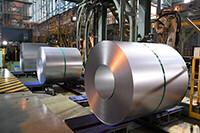
Buyers should look for suppliers utilizing advanced coating or corrosion protection systems during fabrication. One related example is the adoption of advanced galvanized solutions like Coil Coated Galvanized Steel, model G90, which features zinc layers of 60–275g/m² and a yield strength above 240 MPa. Its multilayer coating prevents moisture intrusion, significantly increasing the service life of right angle sheet metal and structural components exposed to harsh environments. Integrating such coated products within h 20 beam projects strengthens both safety and sustainability outcomes.
Furthermore, consistent process auditing is vital. Auditors should check calibration records for dimensional gauges, verify welding procedures, and review batch-level inspection logs for each steel h section produced. Factories maintaining compliance with ISO 9001 or equivalent standards show disciplined operations suitable for safety-critical uses. Complete transparency in documentation, coupled with the ability to share mill test certificates, demonstrates supplier accountability and builds confidence among procurement and project management teams.
Performance Testing and Material Verification
Performance testing validates whether steel materials meet the required load bearing and durability thresholds. Reputed steel h sections suppliers typically perform a series of mechanical and surface tests to measure tensile strength, yield ratio, elongation, impact toughness, and leveling precision. In the case of heavy construction applications using h metal beam components or supplier i beam variants, precision testing ensures alignment and fitment during on-site assembly. Likewise, for lighter framework applications such as rack structures or steel shelf angle systems, torsion and bending resistance testing guarantees consistent geometry under operational loads.
Chemical analysis through spectrometry ensures uniformity in alloy composition, confirming that each h shaped steel beam contains the balanced mixture of elements for weldability and corrosion resistance. The supplier should provide inspection reports indicating compliance with specified norms like S355J2 or ASTM A572 grades. To verify coating performance, salt spray or humidity chamber testing helps to simulate long-term environmental exposure. For projects near coastal regions or industrial zones, purchasing h shape steel combined with galvanized coatings gives extended lifecycle advantages and lowers maintenance costs through reduced repainting intervals.
Material verification during third-party inspection adds another layer of credibility. Independent agencies may sample and test structural profiles prior to shipment to confirm conformity. Hongteng Fengda, for instance, welcomes external quality verification from clients or authorized labs to demonstrate confidence in its processes. This transparent approach underscores professional responsibility and reinforces the global reputation of Chinese structural steel manufacturers as reliable partners for infrastructure, energy, and manufacturing sectors worldwide.
Global Sourcing Considerations and Supply Chain Stability
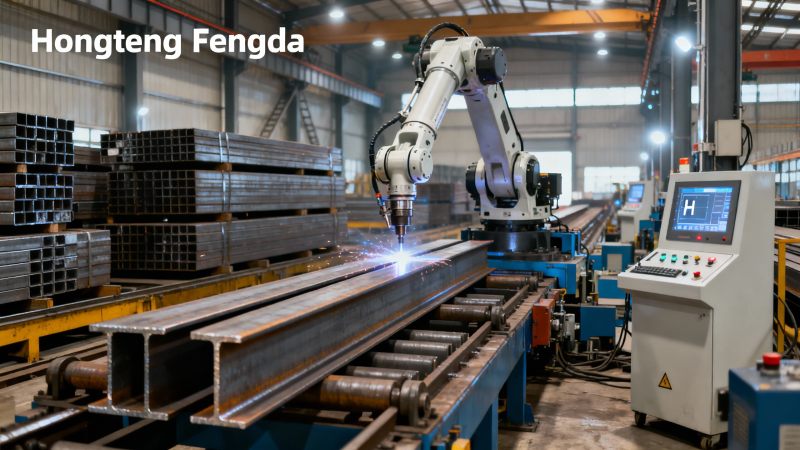
Global buyers sourcing steel h sections face challenges such as logistical delays, cost fluctuations, and inconsistent specifications across regions. Evaluating a supplier’s export performance, documentation accuracy, and after-sales service helps mitigate these risks. Reliable exporters with a strong logistics team can coordinate ocean shipping, handle customs paperwork, and arrange multimodal transport efficiently. For example, suppliers exporting to Europe or Southeast Asia must ensure that h 20 beam and industrial i beam products meet each market’s technical and labeling requirements.
Supply chain stability relates not only to production output but also to upstream partnerships with raw material mills. Suppliers maintaining long-term cooperation with steel coil and billet producers can ensure consistent quality and competitive pricing even during volatile market conditions. Manufacturers who implement ERP systems for inventory control also offer visibility into order progress, reducing buyer anxiety about delivery times. The usage of auxiliary products such as Coil Coated Galvanized Steel in intermediate fabrication stages further guarantees durability and coating uniformity in exported goods.
Other evaluation aspects include environmental compliance and sustainability credentials. Many project owners emphasize low-carbon sourcing, motivating suppliers to utilize energy-efficient furnaces, waste heat recovery, and recyclable packaging. A supplier’s sustainability policy can become a differentiator in tender processes, especially for global engineering contractors who prioritize ESG performance. By selecting a manufacturer integrating modern environmental practices, buyers enhance corporate responsibility and strengthen their market reputation.
Practical Steps to Audit and Collaborate with a Steel Supplier
A robust evaluation of structural steel suppliers involves both document-based review and on-site audits. Procurement specialists should begin with a checklist covering certifications, previous export performance, and available product series such as angle carbon steel, steel shelf angle, and right angle sheet metal. Site visits offer insight into manufacturing organization, worker skill level, and overall workplace safety. Observing rolling mills in operation and inspecting finished h shape steel beams under production can reveal surface consistency and structural uniformity better than any brochure or specification sheet.
Establishing a pilot order before committing to large-scale procurement helps assess communication efficiency, packaging quality, and logistics reliability. Suppliers with professional export teams often provide real-time updates, ensuring smooth documentation processes. In cases where customized h metal beam profiles are required, collaborative technical discussions between the buyer’s engineers and the supplier’s design team help optimize structural design, minimizing material waste and fabrication time. Such cooperative engagement not only guarantees product fit but also cultivates long-term partnership built on trust and transparency.
Finally, continuous supplier development programs should be implemented by large contractors and distributors. This includes annual performance evaluations, feedback exchange sessions, and shared R&D initiatives on new materials or coatings. Suppliers willing to invest in innovation, such as improved galvanization techniques or high-strength low-alloy formulations, demonstrate forward thinking and readiness for evolving engineering demands. By working closely with reliable companies like Hongteng Fengda, global partners can ensure consistent quality in their steel h sections and industrial i beam supply chains while maintaining cost-efficiency across multiple projects.
Conclusion and Sourcing Recommendations
Selecting a competent supplier for steel h sections, h shaped steel beam, and industrial i beam products requires comprehensive evaluation across technical, operational, and quality dimensions. Companies that combine advanced production facilities, rigorous quality control, and transparent export management—such as Hongteng Fengda—offer competitive advantages for international buyers. Their integrated range covering angle carbon steel, right angle sheet metal, h 20 beam, and other structural steels enables seamless project coordination and procurement efficiency.
For decision-makers and procurement professionals, the next step is building a shortlist based on verified certifications, performance track records, and responsiveness in communication. Engage suppliers willing to provide sample testing, tailor design modifications, and maintain open reporting throughout the supply chain. A reliable structural steel manufacturer with proven capability helps reduce sourcing risks, control cost, and maintain compliance with construction or industrial standards. Whether you’re a project manager, distributor, or quality supervisor, carefully assessing supplier capabilities leads to stronger, safer, and more cost-effective steel structures worldwide.
Contact Hongteng Fengda today to discuss project specifications, receive a detailed quotation, or explore comprehensive structural steel solutions that enhance the reliability and longevity of your next infrastructure or industrial project.
- steel i
- h shape steel beam
- steel h sections
- h shaped steel beam
- industrial i beam
- h metal beam
- h shape steel
- h 20 beam
- supplier i beam
- right angle sheet metal
- steel shelf angle
- angle carbon steel
- coil coated galvanized steel
- ASTM A572
- steel supplier
- steel suppliers
- steel coil
- galvanized steel
- structural steel
- steel beams
- Structural Steel
- Steel Beams
- Profile
- Galvanized
- Steel Beam
- carbon steel
Related recommendations
 The Ultimate Procurement Hub: How a Full-Spectrum Steel Portfolio Empowers Global Industrial SuccessIt covers a wide range of steel products, including steel plates, steel coils, profiles, and steel gratings, to meet diverse needs.
 The Vertical Integration Advantage: Why Full-Process Production is the Gold Standard for Global Steel SourcingIt possesses complete production technologies and equipment for coking, sintering, steelmaking, and rolling, forming a systematic production system.
 The Global Steel Pulse: Bridging Continents with Precision Engineering and Unrivaled Supply Chain ExcellenceOur products sell well throughout China and are exported to North America, Europe, the Middle East, and other parts of the world, covering a wide market.
 Velocity of Value: How Precision Processing and Rapid-Response Logistics Redefine the Global Steel Supply ChainEquipped with advanced leveling equipment and relying on a robust logistics system, we can respond to customer needs at any time.
Please give us a message


Please enter what you want to find