Choosing the right steel coil supplier is not just a purchasing task. It directly affects product consistency, processing efficiency, project timelines, and long-term cost control. For buyers, engineers, QC teams, and decision-makers, the most useful audit is one that goes beyond price and checks whether a supplier can consistently meet material standards, maintain traceable quality, deliver on time, and support export requirements. This checklist is designed to help you evaluate steel coil manufacturers and compare steel sheet supplier and Steel Plate Supplier options with a clearer, lower-risk decision process.
What should you check first when auditing a steel coil supplier?
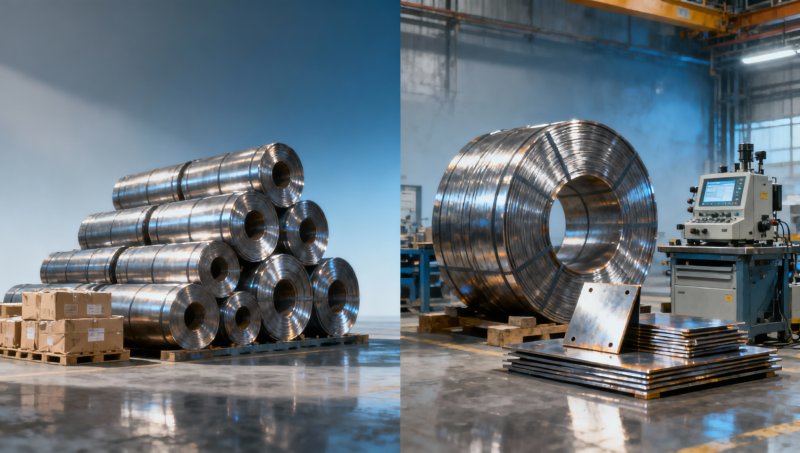
The first step is to confirm whether the supplier is truly capable of supplying the grade, specification, and service level your project requires. Many sourcing problems begin when buyers approve a supplier based only on quotation, basic certificates, or sales communication. A better approach is to start with four high-impact questions:
- Can the supplier provide the exact steel grade and tolerance you need, such as SPCC steel, Q235 steel, or other project-specific standards?
- Do they have stable production capacity and reliable raw material sourcing?
- Is their quality control system documented, traceable, and consistently executed?
- Can they support export packaging, compliance documents, and shipment schedules for your market?
If the answer to any of these is unclear, the supplier audit should go deeper before any order is approved. A good supplier is not simply one with a low price. It is one that can reduce sourcing risk while protecting quality and delivery performance.
Material standards and specification verification: the foundation of any audit
For technical evaluators and quality teams, material compliance is usually the first hard checkpoint. The supplier should clearly identify what standards they produce to, such as ASTM, EN, JIS, or GB, and provide test documents that match the exact product being quoted.
During the audit, verify:
- Steel grade consistency across quotation, mill test certificate, production order, and shipping documents
- Thickness, width, coil weight, inner diameter, and tolerance control capability
- Surface quality requirements for the end use, especially for forming, painting, galvanizing, or structural fabrication
- Chemical composition and mechanical properties for the requested standard
- Traceability from raw material heat number to finished coil batch
If you are buying for downstream processing, this part matters even more. A coil that is technically “close enough” may still create forming cracks, welding issues, dimensional instability, or coating defects later in production. That is why a strong audit should compare not only the nominal grade, but also real-use performance.
How to evaluate production capability and process stability
A supplier may show samples and certificates, but real supply reliability depends on manufacturing control. Ask how the factory manages slitting, leveling, cutting, edge condition, storage, and batch scheduling. Production capability should not be judged only by machine list, but by whether the process can repeatedly produce to the same standard.
Key audit points include:
- Annual and monthly production capacity
- Main equipment for rolling, slitting, cutting, and inspection
- Standard operating procedures for different coil grades and sizes
- Production lead time under normal and peak-season conditions
- Bottlenecks that may affect urgent or large-volume orders
- Control of coil storage, rust prevention, and handling damage
For project buyers and managers, this is where you judge whether a supplier can support long-term cooperation instead of just one successful shipment. A supplier with stable systems usually gives more predictable lead times, fewer quality complaints, and better cost control over time.
Quality control checklist: what separates a reliable supplier from a risky one
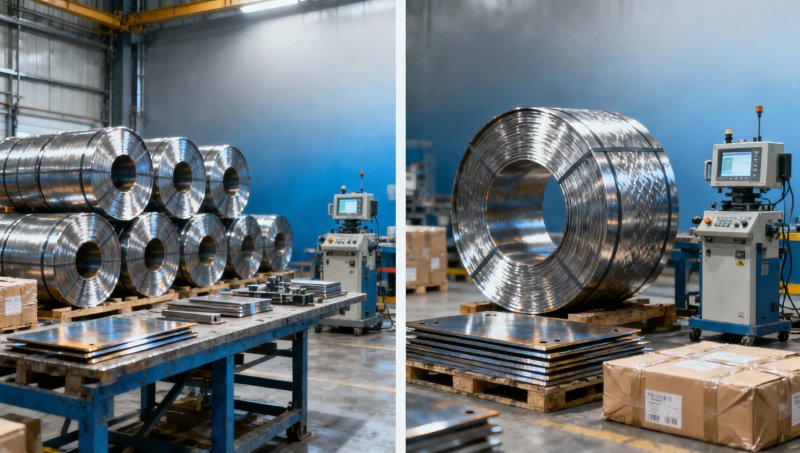
Quality control is one of the most important sections of a steel coil supplier audit checklist. Certificates alone are not enough. You need to understand how quality is controlled before, during, and after production.
Ask the supplier to show:
- Incoming raw material inspection procedures
- In-process inspection records
- Final inspection standards and sampling methods
- Testing equipment calibration records
- Nonconformance handling process
- Corrective and preventive action system
- Complaint response and claim handling workflow
A mature supplier should be able to explain who checks each stage, what standards are used, and how records are retained. This is especially important for distributors, OEM buyers, and companies serving regulated or high-accountability industries.
It is also useful to examine whether the supplier has experience with related steel products outside coils, because this often reflects broader manufacturing discipline. For example, a company familiar with structural steel and stainless processing may better understand application-driven quality requirements. In some projects, buyers may also source complementary products such as 201 Stainless steel pipe for construction, water treatment, food processing equipment, or industrial systems. In those cases, the supplier’s understanding of standards like ASTM, JIS, GB, EN, and third-party inspection expectations becomes even more valuable.
Export reliability and documentation: critical for international buyers
For overseas procurement, export execution is just as important as product quality. Even qualified material can become a problem if the supplier fails in packaging, marking, documentation, or shipping coordination.
Your audit should review:
- Export experience by destination market
- Packaging standards for sea freight and long-distance transport
- Protection against moisture, corrosion, deformation, and handling damage
- Container loading plans and weight distribution control
- Required commercial and compliance documents
- Ability to support third-party inspection, pre-shipment inspection, and customs-related requirements
Reliable exporters should be comfortable with mill test certificates, packing lists, invoices, certificates of origin, and any client-specific compliance files. If your business depends on predictable delivery, ask for evidence of on-time shipment performance and how delays are communicated and managed.
Commercial assessment: how to compare suppliers beyond the quoted price
Procurement, finance approvers, and business decision-makers often need to compare multiple suppliers quickly. The lowest unit price may not offer the best overall value if it comes with unstable quality, hidden claims, rework costs, or delivery failure risk.
When comparing suppliers, consider:
- Price transparency and quotation validity
- Minimum order quantity and flexibility
- Payment terms and financial risk exposure
- Lead time reliability
- Claim ratio and after-sales response
- Customization or OEM support
- Total landed cost rather than ex-works price only
This approach helps management teams make better sourcing decisions based on total business impact. A supplier with slightly higher pricing but stronger consistency may reduce the real cost of procurement by lowering inspection burden, scrap rate, production interruption, and project delay.
A practical steel coil supplier audit checklist for team use
To make the audit process easier, use the following checklist during supplier review:
- Company profile: legal registration, export history, factory scale, key markets served
- Material capability: supported grades, standards, dimensions, tolerances, custom options
- Production: equipment, capacity, scheduling system, maintenance records
- Quality assurance: certifications, inspection procedures, traceability, testing records
- Sample and trial order: consistency between sample, trial batch, and full production
- Packaging and logistics: export packing, container loading, shipment coordination
- Documentation: MTC, inspection reports, origin documents, compliance support
- Commercial terms: pricing structure, payment terms, MOQ, warranty or claim handling
- Communication: response speed, technical clarity, problem-solving attitude
- Risk review: dependency on subcontracting, raw material volatility, capacity overload, lead-time pressure
If possible, score each category and compare suppliers using the same framework. This makes internal approval easier for technical, purchasing, and finance teams.
Final thoughts
A strong steel coil supplier audit checklist helps you do more than verify a factory. It helps you predict performance, reduce sourcing risk, and choose a partner that can support quality, schedule, and cost targets over the long term. For most buyers, the most important factors are not just grade availability or price, but process control, traceability, export readiness, and consistency under real order conditions. If you assess those areas carefully, you will be in a much better position to select a dependable steel sheet supplier or Steel Plate Supplier with confidence.
Please give us a message


Please enter what you want to find