This practical guide helps procurement, project managers, and maintenance teams select the right 2-piece can equipment by balancing floor space, line speed and a clear maintenance checklist. Covering can making machine options from China and global suppliers, it compares metal packaging equipment such as tin can production line and aerosol can making line configurations, food can sealing machine models, welding machine for tin can requirements and the tin can forming process — plus when 3-piece can production remains relevant — so decision-makers can optimize throughput, reliability and lifecycle costs.
In this opening section we identify common pain points for procurement personnel, project leaders, quality and safety managers, maintenance teams and distribution partners in the steel-driven packaging value chain. Buyers evaluate capital expenditure, footprint, throughput (line speed measured in cans per minute), raw-material compatibility and integration with coil handling lines that supply steel or tinplate. For manufacturers and traders based in steel hubs such as Shandong, choices around can making machine platforms and tin can production line configurations must also factor in raw-material specifications, including tensile strength, coating thicknesses and formability of the substrate. Operators frequently ask: how much floor space does a two-piece can line consume versus a 3-piece can production cell? How do welding machine for tin can modules and end-seaming stations affect uptime? What maintenance cadence ensures aerosol can making line safety and quality, and when is a food can sealing machine the limiting factor in throughput? This guide frames those questions and outlines pragmatic selection criteria tied to lifecycle cost, spare-parts availability from can making machine China vendors, and the operational realities of steel supply chains. It is written for decision-makers who require actionable comparisons, sample layout rules of thumb, and a checklist for commissioning, preventive maintenance and spare-parts stocking. The objective is to help teams choose 2-piece can equipment that delivers the best compromise between floor space, speed and maintainability while preserving product integrity for metal packaging equipment used in aerosol, food and general consumer cans.
Assessing floor space and plant layout for 2-piece can equipment
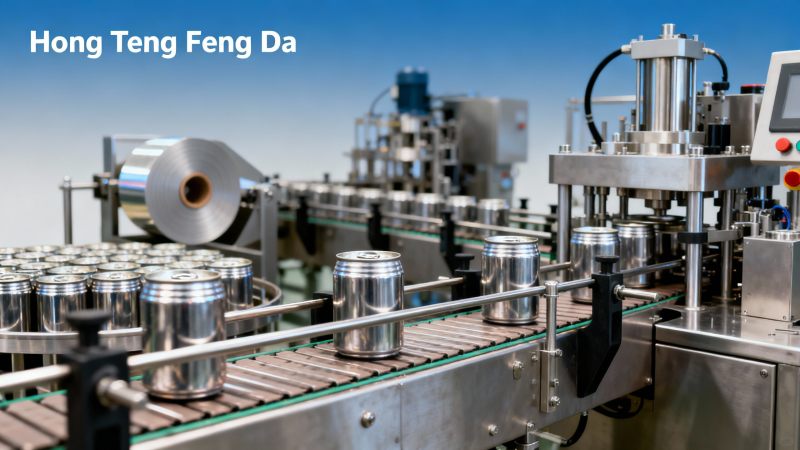
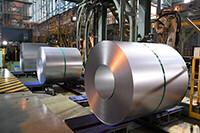
When evaluating a 2-piece can equipment investment, floor space and plant layout drive both capital and operating costs across the life of the tin can production line. A realistic layout analysis begins with the complete process flow: coil storage → decoiler → leveller → cupping/forming module → necking/ironing section (for aerosol can making line or tall cans) → flanging and seaming interfaces → printing/painting stations → curing/drying and final inspection. Each functional block requires staging space for material handling, operator access and maintenance clearance; a common rule-of-thumb for medium-speed 2-piece lines is to allocate 1.2–1.5 m of lateral access per major module and 3–6 meters for coil handling and prep depending on coil weight and automatic feeding. For procurement teams comparing can making machine China suppliers and European systems, compact integrated cells trade lower footprint for potentially more complex maintenance — while larger modular layouts simplify access but require greater factory floor allocation. Floor-loading constraints in steel-focused plants must be reconciled with coil storage racks designed for heavy galvanized or tinplate coils that meet tensile and coating needs used in the tin can forming process. Safety and quality managers should confirm recommended aisle widths and emergency egress distances; systems processing aerosol cans often require additional segregation for flammable propellant lines during testing and handling. Equipment vendors typically provide a CAD layout and recommended maintenance clearance envelope; insist on a "maintenance envelope" drawing that adds 20–30% to the working footprint to reflect spare-parts staging and mobile tooling. Finally, when existing utilities (compressed air, power, chilled water) serve as constraints, plan for local substations or dedicated compressed-air loops sized for the peak duty cycle of metal packaging equipment. Proper early layout work reduces later rework costs, shortens commissioning and increases uptime for the welding machine for tin can and food can sealing machine stations.
Balancing line speed and product mix: specifying throughput vs. quality
Selecting the right line speed for a tin can production line or aerosol can making line requires balancing target throughput (cans per minute), product diversity and acceptable scrap rates. Higher speeds increase throughput but magnify sensitivity to variations in material properties such as tensile strength and zinc coating uniformity in the steel substrate. For steel-sourced packaging, the tin can forming process performance depends on substrate ductility and coating adhesion; typical specifications for tinplate and tin-coated steel used on high-speed 2-piece equipment include tensile strengths in the 350–550 MPa range and zinc coating levels that meet corrosion resistance objectives. Procurement teams should define a product mix matrix (diameters, heights, can body gauges, end types) and calculate a weighted average required speed — for example, a line designed for 300–500 cpm for standard food cans will require different tooling, blanking and ironing modules than a 1,200 cpm aerosol can making line. Integrating flexible changeover solutions (quick-change tooling, programmable tooling ratios) reduces setup time and allows a single can making machine to handle several SKUs without sacrificing yield. Quality control devices such as in-line thickness gauges, end-seam camera inspection for food can sealing machine stations and non-destructive seam testers for welding machine for tin can processes are essential to maintain product integrity as speeds rise. Consider also the supply of raw coil: consistent coil dimensions and surface quality from steel suppliers reduce head waste and make high-speed operation feasible. When throughput targets exceed local service capabilities, choose a vendor with a robust spare-parts network and remote diagnostics; many can making machine China manufacturers now offer remote vibration and temperature monitoring to pre-empt bottlenecks. Finally, maintain an operations-runbook that defines the maximum recommended speed for each SKU, the expected scrap profile and corrective actions; this translates speed targets into achievable production plans that preserve both yield and product safety.
Maintenance checklist and lifecycle planning for two-piece lines
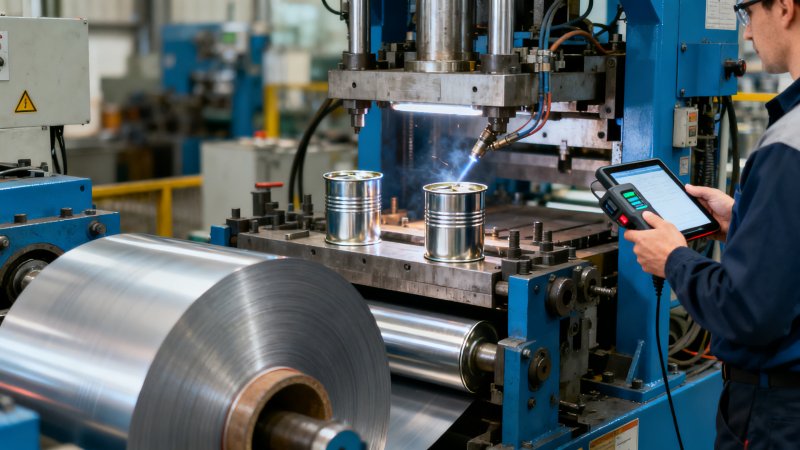
A well-documented maintenance program is the single most effective way to protect ROI for metal packaging equipment, whether a tin can production line, aerosol can making line or food can sealing machine. The checklist should begin at acceptance testing and continue through preventive, predictive and corrective maintenance phases. Key items include: 1) Baseline inspection and run-in report documenting vibration, electrical load, oil cleanliness and tooling wear rates; 2) Daily operator checks for pneumatic pressure, hydraulic oil level, belt/timing adjustments and seam-tool condition; 3) Weekly inspections of blanking dies, cupping tools, necking mandrels and the welding machine for tin can headstock; 4) Monthly scheduled lubrication of gearboxes and linear guides with manufacturer-specified lubricants and replacement of high-wear consumables; 5) Quarterly alignment checks for levellers and feed systems and calibration of in-line thickness gauges and seam cameras; 6) Annual overhaul windows for major modules (bearing replacement, gearbox inspection, motor thermal imaging and control firmware upgrades). Inventory management for spare parts must be driven by failure-mode analysis: critical spares (servo drives, control cards, flanging heads) should have one-to-two years of lead time considered, with fast-moving consumables (seam chasers, knives, stripper plates) held at adequate levels to avoid line stoppage. When sourcing can making machine China suppliers or European OEMs, insist on service-level agreements with defined mean-time-to-repair (MTTR), spare-part lead times and remote-support options. Effective lifecycle planning also includes tooling lifecycle budgets and a documented tin can forming process qualification protocol so new tool sets enter production without unexpected quality issues. Training is equally vital: cross-train operators and maintenance staff on preventive tasks and quick-change procedures; use vendor-supplied training and digital twin simulations where available. Finally, capture reliability data over time and feed it back into procurement decisions: a lower initial capex machine with frequent unscheduled downtime may cost far more than a higher-quality system with predictable maintenance intervals.
Material handling, steel substrate choices and integration with supply chain
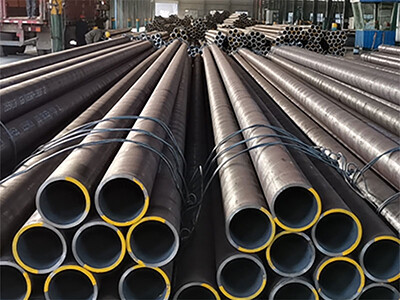
Material selection and handling directly impact the performance of any can making machine and downstream metal packaging equipment. Steel attributes — gauge, coating type and tensile properties — determine forming limits in the tin can forming process and have a direct bearing on seam integrity for food can sealing machine operations and on the weld quality in welding machine for tin can modules. For example, low carbon steel grades such as Q195 or Q235 are common substrates for galvanized products, and when processed with appropriate zinc coating thickness (typical coating ranges for galvanized wire and tinplate vary by application), they provide a balance of ductility and corrosion protection. In plant operations, coils must be staged to avoid coil edge damage; automated decoilers with edge-protection and coil car systems reduce handling damage and improve first-pass yield. In some installations, adding a galvanized wire or tie-off coil as part of internal packaging for can ends or tooling fixtures can improve storage handling; for such uses, consider products like Galvanized Stainless Steel Wire which offers strong flexibility, good corrosion resistance and packaging options suitable for industrial handling. Supply-chain integration should also include vendor quality agreements that specify incoming inspection criteria for strip flatness, thickness tolerance and coating adhesion tests. For distributors and agents, proving consistent coil dimensions simplifies tooling life predictions and reduces changeover incidents on can making machines. Finally, coordination with downstream finishing operations (printing, lacquering, end seaming) requires agreement on stack height, tolerances and part handling to ensure that the aerosol can making line throughput is matched by post-process capacity, avoiding buildup and handling damage.
When 3-piece can production still makes sense and final selection checklist
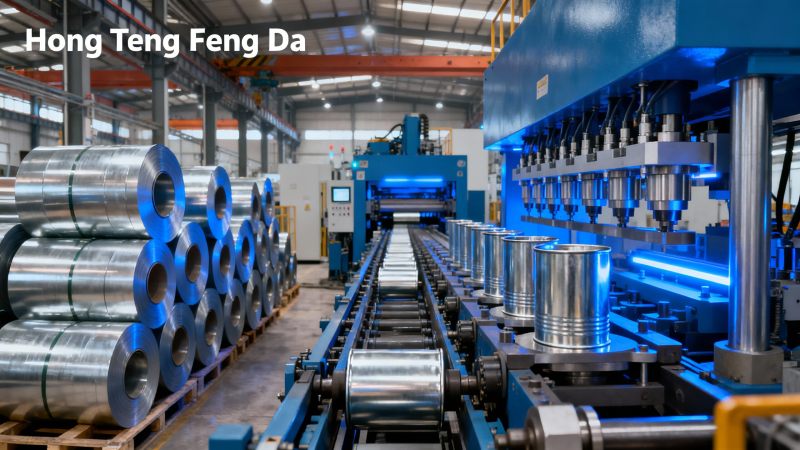
Although two-piece technology dominates many segments, 3-piece can production remains relevant for specific applications such as large-diameter drums, highly custom body shapes and when repairable seam designs are required. The decision to maintain a 3-piece capability should be made against metrics: design flexibility, tooling amortization for small runs, and whether the customer base requires welded or soldered side seams. For procurement and engineering teams, a final selection checklist helps formalize the decision: 1) Define product mix and annual volumes; 2) Map required line speeds and identify peak vs. average demand; 3) Confirm floor-space availability and maintenance envelope with utilities; 4) Validate substrate specifications (gauge, tensile strength, coating) with incoming inspection criteria; 5) Require vendor references and MTTR commitments, and review local spare-parts distribution for can making machine China and global OEMs; 6) Confirm automation level, remote support and integration with MES for traceability and production reporting; 7) Establish a clear acceptance test protocol for seam strength, dimensional accuracy and leak testing; 8) Plan for spare tooling and training budgets. Including these items in RFPs reduces procurement risk and shortens commissioning. In the steel packaging ecosystem, choosing the right combination of welding machine for tin can, food can sealing machine and general metal packaging equipment will determine your competitive throughput and product quality for years. As a final actionable step, engage suppliers for site-specific layouts and pilot runs to validate real-world performance and then negotiate service-level agreements that align incentives around uptime and continuous improvement. To learn more about tailored 2-piece line configurations, lifecycle support and supply options from a steel industry partner with global reach, contact our sales engineering team to arrange a factory layout review and ROI model.
Summary: Selecting 2-piece can equipment requires a measured approach that balances floor space, achievable line speed and a disciplined maintenance program. For steel-focused packaging operations, attention to substrate specs, material handling and supplier service capabilities is critical. By applying the checklists and layout principles in this guide, procurement, project managers and maintenance personnel can reduce downtime, control lifecycle costs and deliver reliable tin can production line performance. Our company, as an experienced supplier and distributor in the steel sector, supports customers with tailored equipment sourcing, spare-parts logistics and after-sales service to protect production targets. Immediate next steps: request a plant layout review, run a pilot production trial, or schedule a technical call to align line design with your product mix and throughput targets. Contact us today to evaluate can making machine options, compare aerosol can making line and food can sealing machine configurations, and secure a maintenance agreement that safeguards uptime and product quality. Immediate action: request a quote or schedule an on-site consultation to understand how the right 2-piece can equipment will optimize your manufacturing footprint and total cost of ownership.
- can making machine
- tin can production line
- metal packaging equipment
- aerosol can making line
- food can sealing machine
- welding machine for tin can
- 3-piece can production
- 2-piece can equipment
- tin can forming process
- can making machine China
- steel i
- ss steel wire
- stainless steel wire
- galvanized stainless steel wire
- galvanized wire
- steel supplier
- steel suppliers
- Profile
Related recommendations
 The Ultimate Procurement Hub: How a Full-Spectrum Steel Portfolio Empowers Global Industrial SuccessIt covers a wide range of steel products, including steel plates, steel coils, profiles, and steel gratings, to meet diverse needs.
 The Vertical Integration Advantage: Why Full-Process Production is the Gold Standard for Global Steel SourcingIt possesses complete production technologies and equipment for coking, sintering, steelmaking, and rolling, forming a systematic production system.
 The Global Steel Pulse: Bridging Continents with Precision Engineering and Unrivaled Supply Chain ExcellenceOur products sell well throughout China and are exported to North America, Europe, the Middle East, and other parts of the world, covering a wide market.
 Velocity of Value: How Precision Processing and Rapid-Response Logistics Redefine the Global Steel Supply ChainEquipped with advanced leveling equipment and relying on a robust logistics system, we can respond to customer needs at any time.
Please give us a message


Please enter what you want to find