To reduce project risk, insist on clear certifications and third‑party inspection protocols from your channel steel supplier. Whether you're specifying metal channel, metal C channel steel, structural channel or structural C channel for a channel steel beam, or other structural steel channel and steel channel sections, verified traceability, mill tests and compliance reports are essential. A reputable channel-in-steel supplier should supply documentation for material grade, heat treatment and dimensional inspection so procurement, project managers and installers can avoid costly rework and delays. This guide shows what to request and how to evaluate documentation effectively.
This opening statement frames the single most important mitigation step for procurement teams, project managers, fabricators and quality engineers who work with channel in steel on construction, infrastructure, industrial machinery and supply‑chain applications. Buyers and technical evaluators regularly face delivery pressure, specification drift and the operational cost of rejected sections when material documentation is incomplete or unreliable. Whether you are a specification engineer checking structural channel drawings, a procurement manager onboarding a channel steel supplier, a warehouse operator receiving channel c channel shipments, or a distributor validating steel channel sections before onward delivery, understanding which certifications and inspection protocols to demand reduces schedule risk and protects structural integrity. This introduction summarizes common buyer pain points — ambiguous material grade, undocumented heat treatment, missing mill test certificate, absence of third‑party dimensional inspection and inconsistent stamping — and previews the practical checklists and contractual language that follow. Throughout the following sections you will find clear guidance on the required certificate types, the role of independent inspection bodies, the technical items that must appear on test reports for metal channel and metal c channel steel, and the verification steps that separate a dependable structural steel channel supplier from a risky one. The content is tailored for a B2B audience: procurement professionals, project managers, engineering leads and distributors who need actionable criteria they can include in purchase orders, inspection plans and acceptance checklists to ensure channel steel beam components and related products meet specification and code. Practical examples, reference standards and contract‑level controls are included so readers can immediately adopt or adapt the recommendations for active purchase orders and upcoming tenders.
Essential Certifications to Require from a Channel Steel Supplier
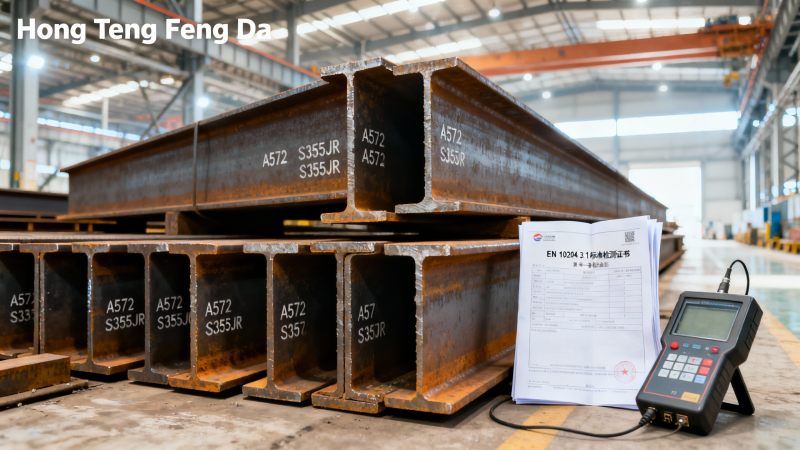
When specifying a structural channel or structural c channel for load‑bearing applications, the procurement and technical teams must insist on explicit, verifiable certificates. Start with the mill test certificate (MTC) commonly referenced as EN 10204 3.1 or 3.2 for European projects; for North American specifications, require ASTM‑based test documentation that lists chemical composition, mechanical properties and heat numbers. The MTC should explicitly name the product (for example channel c channel or channel steel beam), the material grade (such as A572 or S355JR when applicable), the heat number and the quantities covered. Alongside the MTC, request proof of the supplier’s quality management system — ISO 9001 registration — and any project‑specific approvals such as EN, BS, DIN, ASME, API or JIS where relevant. For manufacturer traceability, insist that each delivered structural steel channel and steel channel sections are stamped or tagged with a heat number matching the MTC and that dimensional inspection reports accompany each batch.
Technical buyers should require weldability and impact testing records when channels are used in low‑temperature environments or seismic regions; this can include Charpy V‑notch test results and documented heat treatment procedures. Non‑destructive testing (NDT) certificates related to UT (ultrasonic), MT (magnetic particle) or RT (radiographic) should be provided if the channels will be subject to critical welds or high fatigue loading. When galvanizing or coating is specified, require coating thickness reports and pre‑treatment documentation. For galvanized structural channel projects, include the coating standard (for instance ISO 1461 or relevant ASTM) and a test result for adhesion and thickness. Finally, for complex projects with multiple suppliers, request supplier declarations of conformity and material origin statements to mitigate counterfeit or misrepresented metal channel deliveries. These certifications form the baseline of acceptance criteria that protect structural performance and maintain schedule predictability for construction, bridges, heavy machinery platforms and transmission towers.
Third‑Party Inspection Protocols and Traceability Practices
Independent verification via third‑party inspection is the most reliable tactic to ensure a channel steel supplier consistently delivers to specification. Well‑organized inspection protocols define who, what, when and how: who will perform the inspection (a qualified agency such as SGS, Bureau Veritas, Intertek, TÜV or Lloyd’s Register), what tests will be executed (dimensional checks, chemical analysis, mechanical testing, surface quality and packaging), when the inspection occurs (during production, at the mill, at packing, or pre‑shipment) and how acceptance will be recorded (signed reports, photographs, witness certificates). For every lot of metal channel delivered, require a third‑party inspection report that includes signed witness statements for critical tests, copies of test certificates with heat numbers, and photographic evidence of stamping and packing. Traceability is achieved when the chain‑of‑custody is documented: raw material input, melt/heat number, rolled section identity, cutting and finishing batch numbers and final shipping marks.
Sampling plans should be defined in the purchase agreement. For example, critical structural channel beam runs might require full mechanical testing of one sample per heat, plus additional Charpy testing if specified, while dimensional and visual inspections can be performed on a statistically significant sample per lot. The inspection scope should explicitly include dimensional verification for channel profiles (web height, flange width, thickness, straightness and camber) because incorrect channel dimensions can cause field misfit and costly rework. For non‑destructive examination, specify acceptance criteria and reference standards to avoid ambiguous outcomes: indicate acceptance levels, rejection zones and remedial steps if unacceptable results are found. Finally, require that third‑party reports be delivered in both hard copy and digitally, with original signatures and agency stamps; digital certificates should include verifiable reference numbers that can be cross‑checked with the issuing body to confirm authenticity.
How to Evaluate Documentation and Spot Red Flags
Evaluating supplier documentation requires a systematic checklist that procurement, quality and engineering teams can apply consistently. Begin by cross‑checking the heat number on the mill test certificate against the stamp on the physical channel c channel piece and the shipping manifest. Confirm the chemical composition matches the project specification — for example, if A572 or S355JR is specified for low‑carbon, low‑alloy high‑strength steel, verify yield and tensile values (Grade 50 = 50 Ksi, Grade 60 = 60 Ksi ranges where applicable) and elongation percentages. Check that mechanical test results list the test method and specimen orientation and that impact energy values (if required) meet the contract minimums. Authentic MTCs will include the manufacturer’s letterhead, authorized signatory, and when applicable, an independent certifier’s endorsement.
Watch for common red flags: MTCs that are generic and omit heat numbers, certificates that lack a physical stamp or authorized signature, mismatched dates between production and test reports, or certificates that do not name the actual product (e.g., listing “plate” when the delivery is channel). If certificates are submitted in unfamiliar formats, request originals from the issuing mill or a verifying call to the certification body. For dimensional conformity, verify that measurement reports include tolerances and measurement methods and, ideally, include photographic annotations. To give immediate procurement support on steel plate needs or the complementary flat products for channel assemblies, consider suppliers that publish clear material specifications for plates and structural elements; for example, you can review detailed supplier offerings such as Mild Steel Plate Supplier which lists grades like A572 and S355JR and offers dimension ranges and certifications. Limit acceptance to documentation types explicitly allowed in your contract and require resubmission or re‑inspection for any deviations. Maintain a rejected‑material register and require root‑cause analysis and corrective action from the supplier when documentation or product fails to meet the agreed standards.
Contract Clauses, Acceptance Criteria and Logistics to Minimize Risk
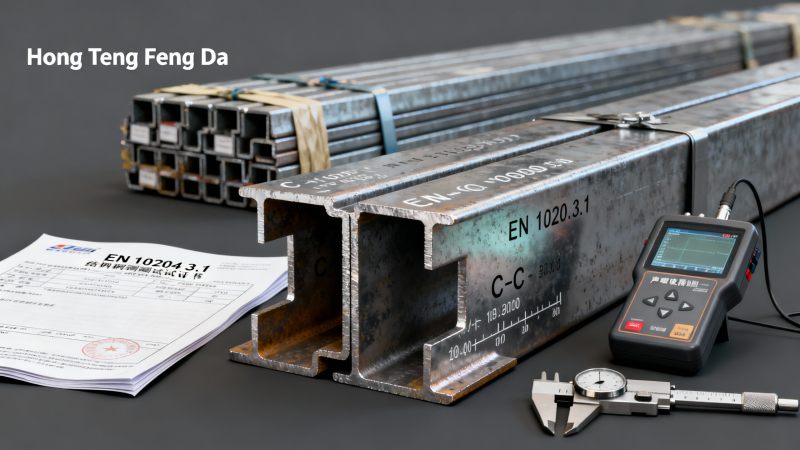
Mitigating project risk is as much contractual as technical. Include clear clauses in purchase orders and supply agreements that define inspection hold points, acceptance criteria, and remedial measures for non‑conforming channel steel supplier deliveries. Specify the required certificates (MTC EN 10204 3.1/3.2 or ASTM equivalent), third‑party inspection scope, sampling rates, and allowable dimensional tolerances for channel steel beams and structural steel channel sections. Define who bears the cost for re‑inspection and rework, clarify the process for rejected lots (return, scrap or rework), and stipulate delivery timelines linked to liquidated damages for critical path delays. Include a clause requiring the supplier to maintain records for a defined retention period and to provide originals upon request to facilitate audits.
Logistics and packing specifications also reduce field risk: require heat numbers marked on each piece, bundled and packed per agreed standards, and protected from corrosion for transit. Specify handling instructions for heavy channel sections to avoid deformation during unloading and storage. For cross‑border shipments, require export documentation that matches the technical certificates, and ensure customs and import compliance by asking the supplier for certificates recognized by the destination country. Finally, prioritize suppliers who offer stable technical support, transparent inspection reporting and well‑documented quality systems; these capabilities reduce surprises during installation and minimize the likelihood of costly structural rework. When evaluating suppliers, product advantages such as low carbon, low alloy, high strength, and ease of welding/forming — coupled with a comprehensive certification package and reliable logistics — mark a partner you can trust. If you need capacity for plates and complementary parts for channel assemblies, engaging a trusted Mild Steel Plate Supplier with documented standards and size ranges supports integrated procurement and reduces interface risk.
Summary and Next Steps: How to Convert Guidance into Procurement Practice
To summarize, insist on comprehensive mill test certificates, independent third‑party inspection protocols, clear traceability and contractually defined acceptance criteria when procuring metal channel, metal c channel steel, structural channel and steel channel sections. Verification of material grade (A572, S355JR where applicable), mechanical and chemical testing, dimensional inspection and authenticity of documentation are minimal requirements that protect project timelines and structural safety. Operationalize these recommendations by embedding them into purchase order templates, supplier qualification questionnaires and inspection plans. Require verifiable third‑party agency reports, define sampling and hold points in contracts, and enforce marking and packing standards to maintain chain‑of‑custody. For procurement and project teams seeking a supplier with established production capabilities, material breadth and global shipping experience, the right partner will combine certified products, comprehensive testing and responsive logistics to deliver channel sections and plates that meet project specifications.
If you want assistance turning this guidance into supplier checklists, contract language or inspection templates tailored for your next tender or project, contact our sales and technical team to learn more. Immediate actions you can take: add the specified certificate list to your next purchase order, request an independent pre‑shipment inspection from a recognized agency, and require heat number traceability on delivery documents. Learn how a reliable supplier network and documented quality controls can reduce rework, prevent delays and protect structural performance — contact us now to implement robust inspection and certification requirements for your channel steel procurement.
- metal channel
- channel in steel
- channel steel supplier
- metal c channel steel
- structural channel
- structural c channel
- channel steel beam
- channel c channel
- structural steel channel
- steel channel sections
- channel steel
- channel beam
- mild steel plate supplier
- Mild Steel Plate
- Steel Plate Supplier
- steel supplier
- structural steel
- steel beams
- Structural Steel
- Steel Beams
- steel plate
- Profile
Related recommendations
 The Ultimate Procurement Hub: How a Full-Spectrum Steel Portfolio Empowers Global Industrial SuccessIt covers a wide range of steel products, including steel plates, steel coils, profiles, and steel gratings, to meet diverse needs.
 The Vertical Integration Advantage: Why Full-Process Production is the Gold Standard for Global Steel SourcingIt possesses complete production technologies and equipment for coking, sintering, steelmaking, and rolling, forming a systematic production system.
 The Global Steel Pulse: Bridging Continents with Precision Engineering and Unrivaled Supply Chain ExcellenceOur products sell well throughout China and are exported to North America, Europe, the Middle East, and other parts of the world, covering a wide market.
 Velocity of Value: How Precision Processing and Rapid-Response Logistics Redefine the Global Steel Supply ChainEquipped with advanced leveling equipment and relying on a robust logistics system, we can respond to customer needs at any time.

Please give us a message


Please enter what you want to find