This 2025 guide helps project managers boost aerosol can making line throughput with practical, low‑risk strategies to cut downtime and increase output. We cover optimizing can making machine setups, preventive maintenance for tin can production line and welding machine for tin can, lean changeovers for 2‑piece and 3‑piece can production, and best practices for tin can forming process and food can sealing machine integration. If you source metal packaging equipment or can making machine China, the article turns technical fixes into procurement, QC and after‑sales actions that deliver measurable uptime gains. In high‑volume metal packaging operations the primary pain points for project managers, procurement teams and maintenance leaders are predictable: unscheduled stoppages that cascade through downstream production, suboptimal cycle time from legacy can making machine configurations, long tool changeovers for 2‑piece equipment or 3‑piece can production, and hidden failures in auxiliary systems such as food can sealing machine stations or welding machine for tin can. For steel industry stakeholders—suppliers of structural frames, rollers, guide rails and components—these production inefficiencies translate directly to lost throughput and higher per‑unit material costs. This introduction outlines the roadmap: first, align machine setup and tooling standards to reduce micro‑stops; second, adopt preventive maintenance and targeted spare strategy to slash mean time to repair (MTTR); third, implement lean changeover and quick‑connect tooling to reduce lost minutes between runs; fourth, ensure integration of tin can forming process controls and food can sealing machine calibration to protect seal integrity and minimize rework. Throughout we assume a B2B lens: advice is actionable for procurement personnel sourcing can making lines, project managers overseeing line capacity improvements, safety and quality leads validating welding and sealing processes, and after‑sales teams tasked with sustaining uptime. Examples will draw on steel component realities—tolerances, antimicrobial coatings and finish specifications—that affect can making machine life and conveyor system reliability. The guidance that follows is written to be adopted with minimal disruption: low‑risk trials, KPI baselines, and procurement checklists that prioritize durable, standard‑spec parts and proven vendors. The goal is measurable output gains, lower downtime per shift, and a road map you can brief to senior decision‑makers for rapid approval and budget allocation.
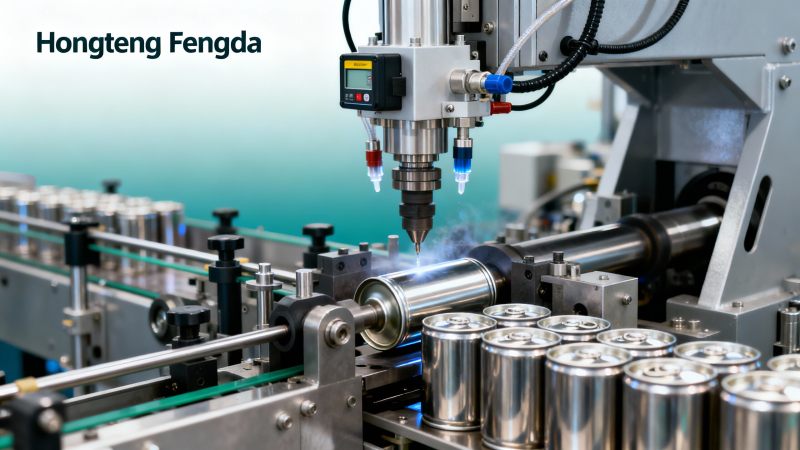
Optimize can making machine setups to eliminate micro‑stops and raise OEE
A systematic machine setup optimization is one of the fastest ways to boost throughput on an aerosol can making line while preserving product quality and safety. Project managers should start by measuring baseline overall equipment effectiveness (OEE) across all can making machine stations—cup forming, necking, flanging, seaming and any welding machine for tin can operations—and identify the most frequent micro‑stop causes: sensor misalignment, inconsistent material feed, worn tooling or improper lubrication. A targeted checklist for setup optimization includes: (1) standardizing tooling inventory with part numbers and life‑cycle intervals so changeovers follow a repeatable sequence; (2) aligning feed systems with tin can forming process tolerances, particularly when working with varying substrate thickness or coatings that can shift friction coefficients; (3) establishing documented sensor positions and reference offsets for proximity, photoelectric and laser sensors to reduce false stops; (4) tuning servo profiles and cam timing on 2‑piece equipment to match spool and mandrel dynamics; and (5) implementing a traceable calibration regime for food can sealing machine heads and seaming rolls to ensure seal integrity and prevent rework. Practical steps for execution include conducting time studies on the fastest shift to capture best‑practice setup times, then converting those to standard operating procedures (SOPs) that include visual aids and torque specifications. When procuring replacement parts or upgrading subsystems, prioritize metal packaging equipment vendors who provide clear MTBF data and documented QA on consumables. In many steel‑centric supply chains, durable subcomponents—guide rails, shafts and support frames—are fabricated from tight‑tolerance round steel that reduces vibration and runout; specifying appropriate materials and tolerances (for example, ISO h8/h9 diameter control where rollers interface with mandrels) reduces premature wear. Finally, integrate a digital changeover checklist accessible at the HMI or via a tablet: the checklist should require sign‑off on critical items (tooling, sensor position, lubrication) before automatic restart, converting setup quality from an individual skill to a process metric you can manage and improve.
Preventive maintenance and rapid troubleshooting for tin can production line and welding systems
A robust preventive maintenance (PM) program is essential to reduce downtime for aerosol can making line operators, maintenance teams and quality managers. Effective PM starts with failure‑mode‑focused routines: lubrication and bearing checks for rotary components, vibration monitoring for spindles and rollers, thermal imaging for electrical panels feeding welding machine for tin can stations, and periodic verification of sealing head parallelism on food can sealing machine units. A best practice sequence includes condition monitoring, predictive analytics where possible, and a prioritized spare parts list built from Pareto analysis of past stoppages. For the tin can production line, capture MTTR and mean time between failures (MTBF) for each subsystem and use the data to classify components into fast‑moving, medium and slow movers—this informs your critical spares inventory and prevents backorders that cost hours or days of downtime. Troubleshooting protocols should be tiered: operator‑level fixes (sensor re‑teach, replacement of quick‑change seals), technician interventions (bearing replacement, alignment), and engineering tasks (cam profile adjustments, PLC logic updates). Provide clear decision trees and remote support pathways so that complex issues are escalated efficiently. When selecting welding machines, prioritize designs with modular weld heads and accessible consumable kits; this reduces replacement time during copper contact burn or tip failure. Integrating ultrasonic or spectrotest quality checks on incoming steel components helps reduce in‑line rejects caused by material anomalies—if components such as guide shafts or support frames are sourced from a domestic steelmaker with proven certification (AiSi, ASTM, GB, JIS), you reduce risk of dimensional drift and unexpected wear. Occasionally, structural reinforcements in line frames using corrosion‑resistant spec materials can postpone alignment issues and maintain welding consistency; consider using hot‑dip galvanized components when environment or washdown schedules demand it. To support continuous improvement, capture PM results in a CMMS and review trends monthly, then feed procurement with evidence to negotiate faster lead times on critical metal packaging equipment parts.
Lean changeovers, tooling strategies and integration for 2‑piece and 3‑piece can production
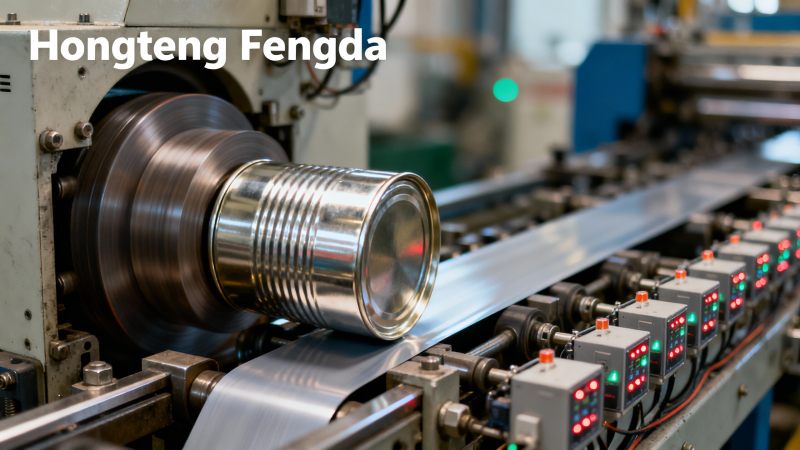
Reducing changeover minutes on 2‑piece and 3‑piece can production lines directly increases available production time and lowers per‑can costs. Lean changeover principles (SMED) applied to can making machine operations focus on converting internal setup steps to external ones, standardizing tools and using quick‑release fixtures. Key tactics include mapping a time‑sequenced value stream for a changeover to identify internal tasks that can be prepped offline, staging preloaded mandrels and die sets, and employing color‑coded tooling to eliminate selection errors. Tooling strategies also impact weld and seam quality: standardized seaming rolls, precisely machined mandrels and controlled cam timing promote repeatable results in both 2‑piece equipment and 3‑piece can production. Introduce a toolbox of quick‑connect couplings for pneumatic and hydraulic lines, and standardized electrical connectors with keyed housings to avoid downtime from cross‑wiring. For projects involving structural upgrades or line relocation, source robust support materials that meet recognized standards and provide long service life; in some installations, components fabricated from certified steel with narrow diameter tolerances and enhanced anti‑corrosion treatment deliver measurable stability and reduce out‑of‑roundness issues that affect forming and seaming. Where appropriate, integrate modular cell concepts that allow a line to run one product while a parallel cell is prepped for the next SKU—this decouples changeover from runtime and is especially effective in mixed‑volume environments. From an integration perspective, ensure the tin can forming process, seamers and food can sealing machine communicate lifecycle and fault codes back to the supervisory layer; unified alarms reduce diagnostic time and help project managers quantify savings from changeover improvements. Finally, embed tooling inspections into the end‑of‑shift routine with accepted tolerances and photographic evidence to create a continuous record of tool wear and life remaining. Where durable steel components are required for fixture longevity, specify coatings and heat treatments (soft annealing, stress relieving) to match line duty cycles and environmental exposure, leveraging supplier certificates to validate compliance.
In summary, project managers and procurement leaders can achieve measurable throughput gains on aerosol can making line projects by aligning machine setup practices, instituting a failure‑mode‑driven preventive maintenance program, and applying lean changeover techniques tailored to 2‑piece and 3‑piece can production. The path to lower downtime requires three coordinated actions: (1) convert tribal knowledge into documented SOPs and digital checklists that govern can making machine setups and tin can forming process parameters; (2) invest in condition‑based maintenance and a prioritized spares strategy that reflects real failure data for welding machine for tin can and food can sealing machine subsystems; and (3) standardize tooling and mechanical interfaces to enable rapid changeovers and predictable seam quality. For steel and metal packaging equipment sourcing, prioritize suppliers that can supply certified materials and components with traceable test reports (AiSi/ASTM/GB/JIS), and consider specifying hot‑dip or galvanizing options where corrosion or washdown regimes threaten long‑term alignment. To illustrate supply integration, durable components such as precisely ground and cold‑drawn support shafts reduce runout and vibration when paired with optimized mandrel geometry; these material‑level decisions are the difference between marginal and sustained throughput improvements. If you are evaluating upgrades or new line purchases from can making machine China suppliers, request MTBF data, spares lead times and documented installation references. For a practical next step, pilot the recommended setup and PM procedures on a single shift, measure OEE and MTTR before and after, and scale the proven practices. To explore how these strategies can be applied to your facility, request a free line assessment or contact our team to discuss tailored metal packaging equipment options and maintenance contracts. Act now to convert downtime into production minutes—contact Shandong Hongteng Fengda Metal Materials Co., Ltd. to learn how material selection, certified components and after‑sales support deliver reliable uptime and lower lifecycle costs. For detailed material options used in fixtures and rollers, review our specification for Galvanized Round Steel and speak with a technical sales engineer to map material choices to your line's duty profile.
Related recommendations
 The Ultimate Procurement Hub: How a Full-Spectrum Steel Portfolio Empowers Global Industrial SuccessIt covers a wide range of steel products, including steel plates, steel coils, profiles, and steel gratings, to meet diverse needs.
 The Vertical Integration Advantage: Why Full-Process Production is the Gold Standard for Global Steel SourcingIt possesses complete production technologies and equipment for coking, sintering, steelmaking, and rolling, forming a systematic production system.
 The Global Steel Pulse: Bridging Continents with Precision Engineering and Unrivaled Supply Chain ExcellenceOur products sell well throughout China and are exported to North America, Europe, the Middle East, and other parts of the world, covering a wide market.
 Velocity of Value: How Precision Processing and Rapid-Response Logistics Redefine the Global Steel Supply ChainEquipped with advanced leveling equipment and relying on a robust logistics system, we can respond to customer needs at any time.
Please give us a message


Please enter what you want to find