When zinc coated wire starts rusting earlier than expected, the issue rarely comes from one factor alone.
In steel-related applications, early corrosion often results from coating damage, storage mistakes, aggressive exposure, or unsuitable fabrication steps.
A clear understanding of these causes helps reduce failure risk, improve inspections, and extend asset service life.
For construction, industrial, and infrastructure use, zinc coated wire remains valuable because zinc protects steel through barrier action and sacrificial corrosion resistance.
However, once that protection is weakened, visible rust can appear much sooner than design expectations suggest.
Basic Overview of Zinc Coated Wire Corrosion Behavior
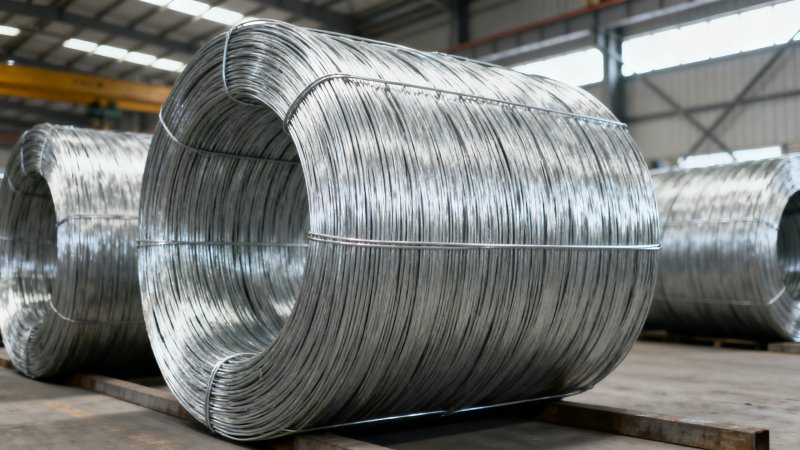
Zinc coated wire is steel wire protected by a zinc layer, usually applied through galvanizing or electroplating processes.
The zinc layer delays red rust by isolating steel from moisture, oxygen, and many common contaminants.
Even when the surface is scratched, zinc can still protect nearby exposed steel for a limited area.
This is why zinc coated wire is widely used in fencing, reinforcement, cable armoring, tying, agricultural components, and light structural applications.
Still, not all rust-colored marks mean complete coating failure.
Some surfaces first develop white rust, also called wet storage stain, before red rust appears on the steel substrate.
That distinction matters during inspection because the maintenance response may differ.
Current Industry Concerns Around Premature Rust
In the steel industry, service-life expectations are rising while operating environments are becoming more demanding.
Outdoor storage, marine air, fertilizer exposure, process chemicals, and frequent handling all increase corrosion pressure on zinc coated wire.
At the same time, quality control now focuses more closely on coating thickness, adhesion, consistency, and post-processing protection.
Common Causes of Early Rust on Zinc Coated Wire
1. Coating Thickness Below Service Demand
A zinc layer may meet a basic specification but still be unsuitable for the actual environment.
In coastal, industrial, or constantly wet zones, a lighter coating is consumed faster.
Once enough zinc is lost, the underlying steel begins forming red rust.
2. Surface Damage During Transport or Installation
Dragging coils, rough stacking, sharp-edge contact, and excessive tension can scratch or crack the zinc layer.
Localized damage is often the first place where zinc coated wire shows early visible corrosion.
Damage is especially common where wire passes through guides, clips, or fasteners.
3. Wet Storage and Poor Ventilation
One of the most frequent causes is storing zinc coated wire in a damp, sealed, or poorly drained area.
If moisture remains trapped between tightly packed layers, white rust forms quickly.
If that condition continues, the zinc layer deteriorates and red rust follows.
4. Harsh Environmental Exposure
Salt spray, sulfur compounds, acid fumes, fertilizers, manure, and cleaning chemicals can attack zinc rapidly.
This is important in agriculture, transportation yards, chemical facilities, and coastal construction.
In these conditions, zinc coated wire needs more than standard indoor corrosion assumptions.
5. Incompatible Processing After Galvanizing
Bending to tight radii, cutting without edge protection, or welding near coated areas can reduce zinc integrity.
Heat-affected zones and fresh cut edges are common starting points for early rust on zinc coated wire.
6. Contact with Dissimilar Materials
Galvanic corrosion may occur when zinc coated wire touches more noble metals in the presence of moisture.
Copper-bearing runoff is a typical example that can speed zinc loss unexpectedly.
Business Value of Correct Cause Identification
Finding the exact cause of early rust has direct value across steel-based operations.
It prevents unnecessary replacement, avoids repeated handling errors, and improves specification selection for future projects.
It also supports more consistent quality decisions across structural steel, conduit systems, profiles, and fabricated components.
For broader corrosion-resistant applications, steel products such as Electrical Conduit Galvanized show how galvanized solutions are used across construction, machinery, transport, agriculture, low-pressure fluid pipelines, and industrial support structures.
Products built to standards such as ASTM, EN, JIS, GB, AISI, and DIN benefit from controlled coating systems and disciplined processing.
Typical specifications may include lengths from 1-12m, widths from 0.6m-3m, and thicknesses from 0.1mm-300mm, depending on use.
The same principle applies to zinc coated wire: corrosion performance depends on matching coating quality to actual exposure and handling conditions.
Typical Scenarios Where Zinc Coated Wire Rusts Faster
- Outdoor coils stored under plastic without ventilation
- Agricultural wire exposed to fertilizers, feed moisture, or animal waste
- Coastal fencing affected by salt-laden air and condensation cycles
- Wire parts bent sharply during fabrication after coating
- Industrial applications near acid mist or alkaline wash areas
- Temporary site storage directly on wet ground or concrete
Practical Inspection and Prevention Measures
Effective control starts with separating cosmetic discoloration from real substrate corrosion.
Then inspection should move from surface condition to storage records, handling methods, and environment history.
- Check whether rust is white corrosion product or red steel rust.
- Measure coating thickness at representative and damaged areas.
- Review packaging, ventilation, and ground contact during storage.
- Inspect bending zones, cut ends, tie points, and contact surfaces.
- Map exposure to salt, fertilizer, exhaust, or chemicals.
- Apply touch-up or replace sections where steel exposure is confirmed.
Preventive action should also include dry storage, raised supports, breathable packaging, and careful coil movement.
Where conditions are severe, specify heavier galvanizing or additional protective systems.
For fabricated steel products, ensure processing routes are compatible with galvanized surfaces from the beginning.
Actionable Next Steps for Long-Term Steel Performance
Zinc coated wire performs well when coating quality, environment, and handling are aligned.
Most early rust cases can be traced to a manageable combination of thin coating, damage, wet storage, or aggressive exposure.
A structured inspection routine helps identify the root cause quickly and supports better maintenance planning.
For steel projects that require stable quality, international standard compliance, and dependable galvanized or structural solutions, it is worth reviewing both product specification and downstream use conditions together.
That approach reduces corrosion risk, improves service reliability, and protects the long-term value of zinc coated wire in demanding applications.
Please give us a message


Please enter what you want to find