ASTM A36 steel plate remains one of the most widely used carbon structural steels because it offers a practical balance of strength, weldability, machinability, and cost efficiency. For engineers, buyers, and project planners researching reliable material options, understanding why this grade continues to be specified can help support better sourcing and design decisions. From construction frameworks to industrial fabrication, ASTM A36 steel plate provides dependable performance under common structural requirements while remaining readily available through global steel supply chains.
What makes ASTM A36 steel plate a practical structural material?
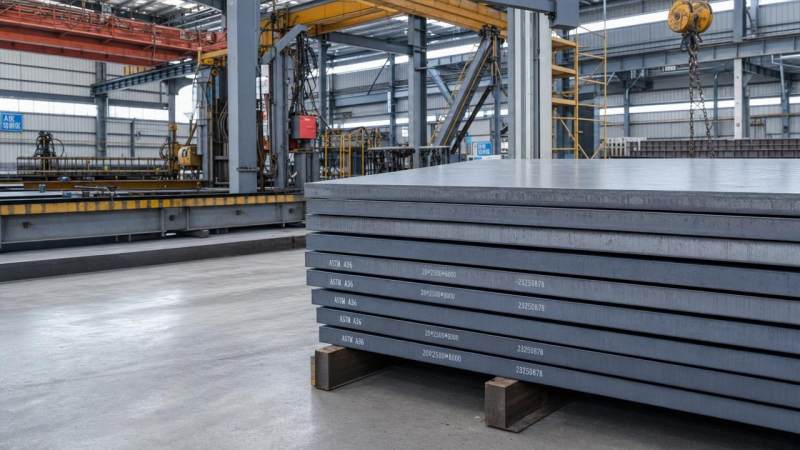
ASTM A36 steel plate is a low carbon structural steel grade defined by ASTM International for general construction and fabrication use.
Its popularity does not come from a single extreme property. Instead, it performs reliably across ordinary load-bearing, cutting, drilling, bending, and welding conditions.
For information researchers, the key point is simple: ASTM A36 steel plate is often selected when projects need predictable strength without excessive material cost.
Core reasons behind continued use
- It is familiar to engineers, fabricators, inspectors, and buyers in many international markets.
- It supports common fabrication methods, including sawing, flame cutting, drilling, forming, and arc welding.
- It is usually easier to source than specialized high-strength grades with narrower availability.
- It provides a workable balance between mechanical performance, delivery speed, and procurement budget.
This combination explains why ASTM A36 steel plate remains common in warehouses, workshops, steel structures, machine bases, brackets, and support frames.
Key performance points buyers should understand before specifying ASTM A36 steel plate
When comparing steel grades, buyers should focus on usable performance rather than isolated numbers. ASTM A36 steel plate is designed for general structural service.
The following table summarizes typical decision factors that matter during inquiry, drawing review, and supplier communication.
These points show why ASTM A36 steel plate is not only a technical choice. It is also a practical procurement choice.
For complex projects, buyers should still review design codes, required impact properties, corrosion exposure, and any regional compliance requirements.
Which applications are well suited to ASTM A36 steel plate?
ASTM A36 steel plate is commonly found where moderate strength, easy fabrication, and reliable supply are more important than advanced alloy performance.
It is especially useful when drawings require structural plate components that can be cut, welded, and assembled efficiently.
Typical use scenarios
- Building frames, base plates, stiffeners, gusset plates, and connection components in construction projects.
- Industrial platforms, walkways, equipment supports, warehouse structures, and general fabrication assemblies.
- Machinery frames, fixture plates, brackets, transport supports, and non-pressure structural components.
- Repair and maintenance parts where predictable processing and fast replacement matter.
In projects involving outdoor exposure, ASTM A36 steel plate may need painting, galvanizing, or another protective system to reduce corrosion risk.
Where pipe sections are required for low-pressure fluid lines or structural support, a Galvanized Pipe solution can complement plate-based steel packages.
Available galvanized steel options may support ASTM, EN, JIS, GB, DIN, AISI, and related specifications, with lengths from 1–12m as required.
How does ASTM A36 steel plate compare with other structural steel options?
A frequent sourcing challenge is deciding whether ASTM A36 steel plate is sufficient or whether a higher-strength alternative is justified.
The answer depends on loading, fabrication method, project budget, design code, and availability in the required thickness.
This comparison helps avoid over-specification. A higher grade is not automatically better if it adds cost without functional benefit.
For many standard steel assemblies, ASTM A36 steel plate remains the efficient option because fabrication teams understand its behavior well.
What should buyers check before ordering ASTM A36 steel plate?
Information researchers often compare quotes before they fully define the specification. That can create price gaps that are difficult to interpret.
A clear inquiry for ASTM A36 steel plate should describe not only grade and quantity, but also processing, tolerance, surface, and documentation needs.
Practical inquiry checklist
- Confirm plate thickness, length, width, quantity, and any cutting-to-size requirements before comparing supplier prices.
- State the required standard clearly, especially if ASTM A36 steel plate must match project documents or inspection plans.
- Request mill test certificates, heat number traceability, and packaging details for export shipments.
- Clarify surface condition, edge treatment, primer, blasting, painting, or other post-processing requirements.
- Ask about shipment schedule, port arrangement, container loading, and whether partial delivery is possible.
These details reduce sourcing risk. They also help suppliers quote accurately instead of using assumptions that later affect cost or delivery.
Cost factors that influence ASTM A36 steel plate procurement
The price of ASTM A36 steel plate is affected by more than the base steel market. Processing, testing, logistics, and packaging can change total cost.
Researchers should compare landed cost and project risk, not only the initial unit price from different suppliers.
A low quote may not be the best quote if it excludes required processing, certificates, export packaging, or schedule commitments.
A dependable ASTM A36 steel plate supplier should help clarify these items before production begins.
Standards, compliance, and documentation for international buyers
International buyers need confidence that ASTM A36 steel plate supplied for a project matches the required technical and commercial documents.
Compliance is not only about naming a standard. It includes traceability, dimensional control, chemical composition, mechanical properties, and inspection records.
Documents commonly requested
- Mill test certificate showing heat number, chemical composition, mechanical properties, and applicable standard reference.
- Commercial invoice, packing list, bill of lading, and origin-related documents when required by the destination market.
- Inspection records for dimensions, quantity, marking, surface condition, and packaging before shipment.
- Additional project documents when buyers need ASTM, EN, JIS, or GB standard coordination across multiple steel products.
Hongteng Fengda supplies structural steel products under major international standards, including ASTM, EN, JIS, and GB requirements.
For ASTM A36 steel plate orders, early document confirmation helps reduce customs delays, inspection disputes, and project approval problems.
Common misconceptions about ASTM A36 steel plate
Because ASTM A36 steel plate is familiar, some buyers treat it as a simple commodity. That assumption can create technical and delivery risks.
The material may be standard, but the project requirements are often not standard. Thickness, tolerances, processing, and documentation still matter.
Misconception 1: Any A36 plate is interchangeable
Different plate sizes, rolling batches, surface conditions, and tolerances can affect fabrication. Buyers should match ASTM A36 steel plate to actual drawings.
Misconception 2: Corrosion protection is optional
Carbon steel can corrode in humid, marine, chemical, or outdoor environments. Coating or galvanizing decisions should reflect service conditions.
Misconception 3: The cheapest supplier reduces total cost
If delivery is delayed or documents are incomplete, project cost can rise. Reliable supply planning is part of steel procurement value.
FAQ: practical questions when researching ASTM A36 steel plate
The following questions reflect common concerns from buyers comparing ASTM A36 steel plate for construction, fabrication, and industrial projects.
Is ASTM A36 steel plate suitable for welding?
Yes, ASTM A36 steel plate is generally considered weldable because of its low carbon characteristics. Critical structures should still follow approved procedures.
Can ASTM A36 steel plate be used outdoors?
It can be used outdoors when corrosion protection is properly specified. Painting, primer systems, or galvanizing may be needed depending on exposure.
What information should I provide for a fast quotation?
Provide grade, standard, thickness, size, quantity, destination, delivery terms, processing needs, certificate requirements, and any drawings for cut parts.
When should I consider alternatives to ASTM A36 steel plate?
Consider alternatives when higher strength, low-temperature toughness, corrosion resistance, pressure service, or weight reduction is required by the design.
Why choose Hongteng Fengda for structural steel sourcing?
Hongteng Fengda is a structural steel manufacturer and exporter from China, supporting construction, industrial, and manufacturing projects worldwide.
Our product scope includes angle steel, channel steel, steel beams, cold formed steel profiles, and customized structural steel components.
For ASTM A36 steel plate sourcing, we help buyers review parameters, confirm applicable standards, discuss processing options, and coordinate export delivery.
What you can discuss with our team
- Material selection for ASTM A36 steel plate and related structural steel products.
- Thickness, length, cutting, surface treatment, packaging, and tolerance requirements.
- ASTM, EN, JIS, and GB documentation needs for international projects.
- Lead time, shipment planning, sample discussion, and quotation details for project budgeting.
If you are comparing ASTM A36 steel plate suppliers, share your drawings, destination, delivery schedule, and certification requirements with us.
Hongteng Fengda can support practical specification review and help reduce sourcing uncertainty before your next structural steel purchase.
Please give us a message


Please enter what you want to find