Choosing galvanized steel for construction depends on exposure, expected service life, and budget balance. The best decision comes from matching corrosion risk with structural demands and project execution realities.
Used correctly, galvanized steel for construction helps reduce maintenance, extend durability, and improve lifecycle value. Used unnecessarily, it can add cost without delivering meaningful technical benefit.
This guide explains when galvanized steel makes sense, what to check before specifying it, and where alternative steel solutions may be more suitable.
Why a Clear Evaluation Process Matters
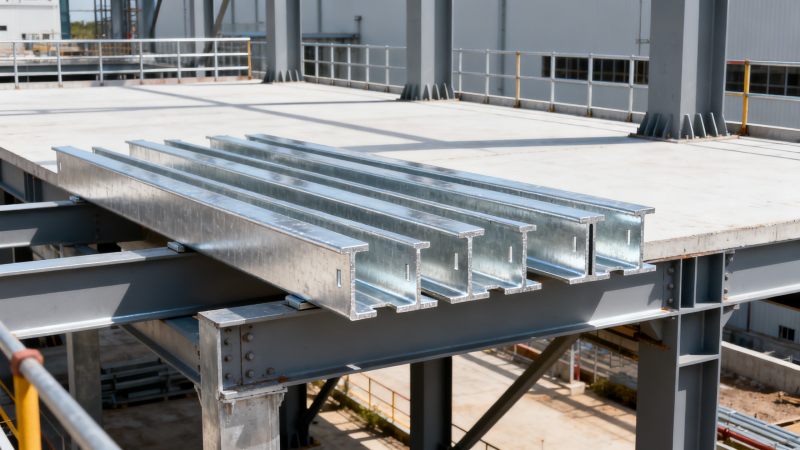
Galvanizing is often treated as a default anti-corrosion choice. In reality, performance depends on atmosphere, moisture cycles, coating thickness, fabrication details, and compatibility with the surrounding system.
A structured review prevents over-specification and under-protection. It also helps align engineering requirements with fabrication methods, delivery timelines, and total installed cost.
For projects involving structural frames, platforms, supports, and exposed steel members, a checklist approach makes galvanized steel for construction easier to assess objectively.
Core Checks Before Selecting Galvanized Steel for Construction
- Confirm whether the steel will face rain, humidity, condensation, splash water, or polluted air, because corrosion risk changes sharply with environmental exposure level.
- Estimate required service life before major maintenance, then compare galvanizing cost against repainting cycles, access difficulty, and likely shutdown costs later.
- Check if members include hollow sections, weldments, holes, or complex geometry, since these details affect venting, drainage, coating quality, and fabrication planning.
- Review whether the structure will be cut, drilled, or welded after coating, because field modifications can damage the zinc layer and reduce corrosion protection.
- Verify applicable standards such as ASTM, EN, JIS, or GB, ensuring both base steel grade and galvanizing process meet project compliance requirements.
- Assess contact with concrete, treated timber, fasteners, or dissimilar metals, because galvanic interaction and trapped moisture can shorten coating performance.
- Consider appearance expectations, especially for visible architecture, since hot-dip galvanized surfaces may vary in spangle, tone, and local finish texture.
- Confirm transport, handling, and storage conditions, because wet storage stain and mechanical damage can affect the final condition before installation begins.
When Galvanized Steel Is Usually the Right Choice
Outdoor Structural Exposure
Galvanized steel for construction is highly suitable for canopies, walkways, towers, brackets, guardrails, and open-frame support systems exposed to weather.
In these cases, zinc coating creates durable sacrificial protection. It performs especially well where repainting later would be difficult, unsafe, or operationally disruptive.
Humid Industrial and Utility Areas
Plants, warehouses, utility yards, and processing sites often combine moisture with intermittent chemicals or airborne particles. Bare carbon steel deteriorates quickly in these conditions.
Galvanizing is often preferred for cable supports, equipment frames, mezzanines, and maintenance platforms where consistent corrosion resistance supports longer service intervals.
Infrastructure With Limited Maintenance Access
Bridges, roadside structures, fencing systems, and elevated support frames benefit when inspection and maintenance access is limited or expensive.
Here, galvanized steel for construction can improve lifecycle economics, even if initial material and processing costs are higher than painted steel alternatives.
When It May Not Be the Best Option
Dry Interior Environments
For enclosed, climate-controlled buildings with low humidity, galvanizing may not deliver proportional value. Primed or painted structural steel may be sufficient.
Examples include interior framing, protected machinery bases, and secondary support members without condensation or cleaning-water exposure.
High-Temperature Applications
Zinc coatings are not ideal where temperatures remain elevated for long periods. Continuous heat can affect coating behavior and shorten useful protection.
Heat-affected supports, furnace-adjacent structures, and some process installations may require other corrosion strategies or different material systems.
Aggressive Chemical or Marine Splash Zones
Galvanized steel performs well in many outdoor settings, but severe marine splash, standing saltwater, or aggressive chemical exposure may exceed expected coating life.
In those environments, duplex systems, stainless grades, or specialized protective coatings may offer better long-term performance.
Specification Points That Affect Real Results
Successful use of galvanized steel for construction depends on more than a coating label. Base section type, thickness, fabrication sequence, and standard compliance all matter.
For load-bearing frames and support systems, section selection should balance structural capacity with coating practicality. This is important for beams, channels, and custom fabricated members.
A useful example is Hot Rolled H Beam for steel structures, bridging, mechanical fabrication, shipbuilding, and automobile chassis applications.
Available grades include Q235, Q345B, Q460C, SS400, S275JR, S355JR, A572, and A992. Standards include JIS G3101, EN10025, ASTM A36, ASTM A572, and ASTM A992.
Typical dimensions include flange thickness 8-64mm, web thickness 5-36.5mm, flange width 50-400mm, web width 100-900mm, and lengths from 1m to 12m.
Where galvanizing is required, choosing a section with strong bending resistance, simple construction, and suitable fabrication options helps reduce downstream installation issues.
Scenario-Based Application Notes
Commercial Building Exteriors
Use galvanized steel for exposed stairs, rooftop frames, façade supports, and service platforms. Check drainage, water traps, and connection detailing early.
If appearance matters, request finish expectations before production. Visual acceptance should be aligned with functional corrosion requirements.
Agricultural and Rural Structures
Farm buildings, storage sheds, and equipment shelters often face humidity, fertilizer exposure, and intermittent wetting. Galvanized steel is commonly a practical solution.
Pay attention to trapped debris, corrosive runoff, and animal-contact areas. Localized conditions can differ from the general site environment.
Industrial Expansion Projects
For added bays, pipe racks, conveyor supports, and utility platforms, galvanized steel for construction can reduce future maintenance shutdowns.
However, verify process emissions, washdown frequency, and local heat sources. Industrial environments are rarely uniform across the entire structure.
Commonly Overlooked Risks
One frequent issue is designing enclosed or poorly vented fabricated members. Without proper vent and drain holes, galvanizing quality and safety can be compromised.
Another mistake is ignoring post-galvanizing repairs. Site cutting, welding, and aggressive bolting practices can break coating continuity if not planned correctly.
Fastener mismatch is also common. Selecting incompatible bolts, washers, or adjacent metals can create local corrosion points despite a galvanized main member.
Finally, storage conditions matter. Bundled steel exposed to moisture before installation can develop wet storage stain, affecting appearance and early surface condition.
Practical Steps for Better Project Decisions
- Define the environment clearly: indoor dry, outdoor general, coastal, industrial, or chemically exposed.
- Set a realistic maintenance interval and target service life for each steel component group.
- Choose base steel grades and section sizes that meet both structural and coating process needs.
- Coordinate fabrication details before galvanizing, including holes, welds, lifting points, and tolerances.
- Request compliance with required ASTM, EN, JIS, or GB standards and verify documentation.
- Plan transport, storage, and installation methods to protect coating quality until final handover.
Conclusion
Galvanized steel for construction is most valuable when corrosion exposure is real, maintenance access is limited, and lifecycle cost matters more than minimum initial price.
It is less compelling in dry interiors or highly specialized environments where other materials or coating systems perform better.
The strongest results come from evaluating environment, detailing, standards, and fabrication together. That approach improves durability, procurement confidence, and project efficiency.
When planning structural steel supply, compare section type, grade, corrosion protection method, and application needs early, then confirm the specification before production begins.
Please give us a message


Please enter what you want to find