Choosing the right tube stainless steel finish is not just about appearance—it directly affects corrosion resistance, maintenance, hygiene, and cost. From polished decorative surfaces to industrial brushed and mill finishes, each option serves a different purpose. This guide explains the most common finish types and shows where they work best, helping buyers and project planners select the right solution with more confidence.
Why finish selection matters for tube stainless steel
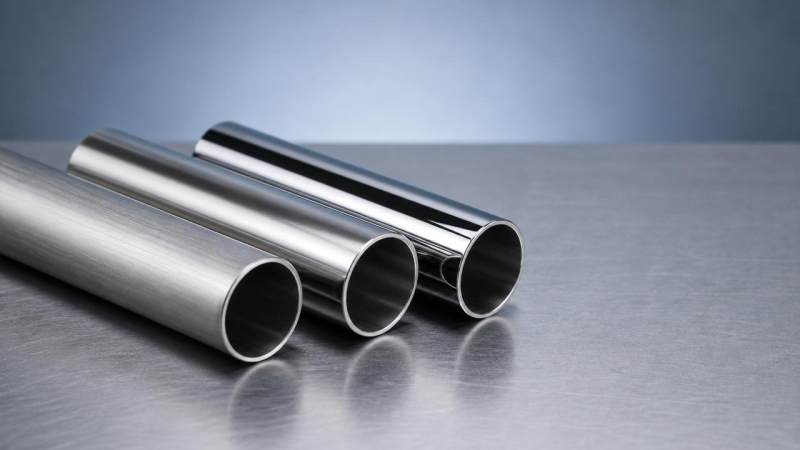
A tube stainless steel surface finish changes how the material performs in real service. It can improve cleanability, reduce visible scratches, support corrosion resistance, or lower total project cost.
In steel construction, fabrication, transport systems, food equipment, and architectural projects, finish choice affects both function and long-term maintenance. A wrong finish may look acceptable at delivery but fail later.
That is why finish selection should follow a practical review process. Surface appearance, environment, welding needs, handling damage, and cleaning frequency should all be checked before ordering tube stainless steel.
Key points to check before choosing a finish
Use the following checks to compare finish options in a structured way. They help narrow down the best tube stainless steel surface for each application.
- Check the service environment first, including humidity, chlorides, chemicals, outdoor exposure, and cleaning agents, because these factors decide whether a simple mill finish or a refined finish is safer.
- Define the visual target clearly, such as matte, satin, bright, or mirror-like, since appearance standards for tube stainless steel vary greatly between structural, decorative, and equipment uses.
- Review fabrication steps before ordering, especially cutting, bending, welding, and polishing, because some finishes are easy to restore while others require extra labor after processing.
- Match the finish to maintenance expectations, including wash frequency, touch-up tolerance, fingerprint visibility, and scratch sensitivity, so the installed tube stainless steel stays acceptable over time.
- Confirm hygiene and cleanability requirements for food, medical, or public-contact uses, where smoother surfaces and lower contamination risk often matter more than decorative brightness alone.
- Compare total cost rather than purchase price only, because a lower-cost finish may create higher polishing, replacement, or cleaning expense during the real operating life.
Common tube stainless steel finish options
1. Mill finish
Mill finish tube stainless steel usually comes directly from production with limited surface refinement. It is common for hidden structural parts, supports, frames, and industrial fabrication.
This option is cost-effective and practical where appearance is secondary. However, it may show scale, processing marks, or uneven reflectivity, making it unsuitable for exposed decorative areas.
2. Brushed or satin finish
Brushed tube stainless steel has a directional grain that softens glare and hides minor wear better than highly reflective finishes. It is widely used in railings, furniture frames, cladding details, and commercial interiors.
This finish balances appearance and practicality well. It looks clean and modern, while remaining easier to maintain than mirror polished surfaces in high-touch environments.
3. Polished finish
Polished tube stainless steel includes brighter surfaces with finer treatment. Depending on the polishing level, it can improve visual quality, smoothness, and cleaning performance.
It is often selected for visible architectural elements, decorative assemblies, and equipment surfaces that require a more premium presentation than standard brushed tubing.
4. Mirror finish
Mirror-finished tube stainless steel offers maximum reflectivity and strong visual impact. It is common in luxury interiors, display systems, feature columns, and premium retail projects.
The drawback is maintenance sensitivity. Fingerprints, dents, and scratches become highly visible, so this finish works best in controlled environments with careful handling.
5. Pickled and passivated finish
After welding or heavy fabrication, pickling and passivation can restore the protective stainless surface. This treatment is valuable for process piping, chemical equipment, and corrosion-sensitive assemblies.
It is less about appearance and more about surface integrity. For tube stainless steel used in aggressive environments, this step can be more important than decorative polishing.
Where each finish works best
Architectural and decorative use
For handrails, curtain wall details, entrance features, and visible frames, brushed and polished finishes are usually the safest choices. They provide a refined look without extreme maintenance pressure.
Mirror finish is suitable when visual impact is the priority. Still, traffic level, cleaning frequency, and exposure to scratches should be checked before specifying tube stainless steel.
Industrial and structural use
For supports, guards, equipment frames, and hidden assemblies, mill finish is often enough. It reduces material cost and supports efficient fabrication where the surface is not a design feature.
If the environment is corrosive or washdown conditions are severe, pickled and passivated tube stainless steel can deliver better long-term protection than untreated fabricated tubing.
Food, beverage, and hygienic use
Smooth polished surfaces are usually preferred where cleaning validation and contamination control matter. Rougher surfaces may trap residue and become harder to sanitize consistently.
In these settings, the best tube stainless steel finish is not necessarily the brightest. The key is smoothness, cleanability, and proper post-fabrication treatment after welding.
Marine and outdoor use
Outdoor installations need stronger attention to corrosion risk. Surface finish matters, but grade selection, drainage design, and regular cleaning also influence service life significantly.
For exposed tube stainless steel near salt or pollution, smoother finished surfaces often perform better because they hold less contamination and are easier to wash.
Commonly overlooked risks
One frequent mistake is choosing finish by catalog appearance only. Sample pieces under workshop lighting can look very different after installation in sunlight or public interiors.
Another issue is ignoring weld zones. Even high-quality tube stainless steel can lose surface consistency if weld discoloration and post-treatment are not addressed correctly.
Finish direction is also important. Brushed grain should run consistently across connected parts, or the final assembly may look uneven and lower in quality.
Protective film handling should not be ignored. Premature removal, dirty storage, or rough transport can damage the finish before the material reaches the project site.
Practical execution tips
- Request finish samples in the actual grade and tube size.
- Confirm whether welding, polishing, or passivation is included after fabrication.
- Specify acceptable scratch level and visual standards before production.
- Check packaging, surface protection, and loading methods for export shipments.
- Review the service environment, not just the design drawing appearance.
For global steel supply projects, consistent production control matters as much as finish selection. Reliable exporters with stable quality systems help reduce variation between batches and shipments.
Hongteng Fengda, a structural steel manufacturer and exporter from China, supports international projects with dependable production, standard compliance, and customized steel solutions across construction and industry.
Final selection guidance
The best tube stainless steel finish depends on where the tube will be used, how visible it is, how often it will be cleaned, and what level of damage is acceptable.
Mill finish supports utility and cost control. Brushed finish fits most visible practical applications. Polished and mirror finishes serve premium spaces. Pickled and passivated surfaces support demanding corrosion conditions.
If a project also includes roofing, walling, or enclosure materials, it may be useful to compare compatible steel solutions. One option is Color Coated Galvanized Steel Sheet PPGI, available in PPGL types with aluminum-zinc steel, 0.2mm-1.2mm thickness, custom RAL colors, and coatings designed for corrosion resistance, heat resistance, and long service life across residential, commercial, agricultural, and public buildings.
Before placing the final order, review finish samples, fabrication details, protection methods, and the actual service environment. That approach leads to a more durable, better-looking tube stainless steel result.
Please give us a message


Please enter what you want to find