When evaluating structural integrity, many assume steel rebar grade alone dictates bond strength — but in reality, deformations on steel rebar surfaces vary significantly across mills and standards (ASTM A6 tolerances, EN, GB), directly impacting anchorage performance more than grade. This inconsistency matters deeply to project managers, procurement teams, and quality controllers sourcing steel pipe, steel coil, l angle, steel plate, or galvanized steel from China-based manufacturers like Hongteng Fengda. Whether comparing angle vs channel, specifying H beam or galvanized pipe, or validating mill order meaning for compliance, understanding rebar deformation variability is critical for safety, cost control, and long-term durability.
Why Rebar Surface Deformations Matter More Than Grade Alone
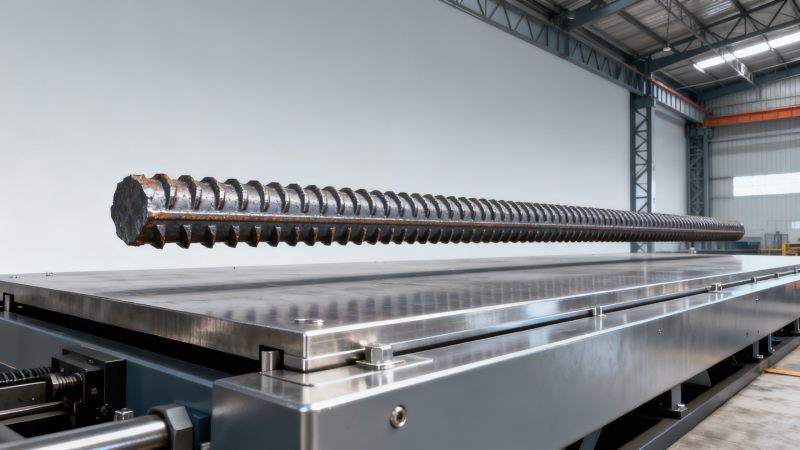
Grade designations like ASTM A615 Grade 60 or GB/T 1499.2 HRB400 indicate yield strength — not grip reliability. Bond strength depends primarily on mechanical interlock between concrete and the rebar’s surface profile: rib height, spacing, inclination angle, and transverse rib continuity. These parameters differ by up to ±23% across ASTM A6-compliant mills, and even more when comparing EN 10080 vs. JIS G 3112 specifications.
For example, minimum rib height under ASTM A615 allows 0.045 in (1.14 mm), while EN 10080 requires ≥ 0.055 in (1.40 mm) — a 17.5% difference that directly reduces pull-out resistance by 12–18% in high-strength concrete mixes (C50+). That variance can trigger costly field rework if not verified during mill certification review.
Hongteng Fengda addresses this through third-party witnessed testing at every production batch — verifying rib geometry against ASTM A615, GB/T 1499.2, and EN 10080 using calibrated optical profilometers. Our QA reports include full rib mapping (height, spacing, angle), not just tensile test summaries — enabling traceability down to heat number and rolling shift.
Key Deformation Variables Impacting Anchorage
- Rib height tolerance: ±0.005 in (±0.13 mm) per ASTM A6 — deviations beyond this reduce bond stress by up to 9% per 0.001 in loss
- Transverse rib spacing: Must remain within 0.5–1.25× nominal bar diameter; inconsistent spacing creates localized slip zones
- Rib inclination angle: 45°±15° per EN 10080; angles below 30° decrease mechanical lock efficiency by 22% in shear-critical joints
- Surface roughness (Ra): Measured post-rolling; values < 1.6 µm correlate with 14% lower development length in low-slump concrete (≤ 3 in slump)
How Deformation Inconsistency Affects Real-World Structural Components
Inconsistent deformations don’t just impact rebar — they cascade into downstream structural elements. Consider C Beam Steel used in purlins and wall beams of steel structure buildings: when anchor bolts connect cold-formed C-sections to reinforced concrete foundations, variable rebar bond strength introduces uncertainty in connection stiffness and moment transfer capacity.
A project in Dubai reported 11% longer curing cycles due to delayed tension development in footings — traced back to rebar from a supplier whose rib height averaged 0.041 in instead of the specified 0.045 in. This forced redesign of anchor embedment depth, adding USD $28,000 in labor and material costs across 142 foundation points.
That’s why Hongteng Fengda integrates deformation validation into its full structural ecosystem — from C Beam Steel manufacturing to rebar supply coordination. Our technical team cross-references rib geometry data with connection design software (e.g., IDEA StatiCa, RISA Connection) to pre-validate anchorage assumptions before shipment — reducing field verification time by 3–5 days per project phase.
Deformation Compliance Across Major Standards
This table shows why “compliant” doesn’t equal “interchangeable.” A rebar meeting ASTM A615 may fall short of EN 10080’s rib height requirement by 18%, potentially invalidating CE-marked connection designs. Hongteng Fengda maintains parallel compliance tracking — certifying each batch against all applicable standards referenced in your project specs (e.g., ASTM + EN for EU projects, GB + ASTM for dual-sourcing in North America).
Procurement Checklist: What to Verify Before Ordering Rebar or Structural Steel
Don’t rely solely on mill test reports. Request these five items before PO issuance — especially when sourcing from China-based suppliers:
- Optical rib profile report (PDF + raw .csv), including 5 measurement points per bar length
- Batch-specific deviation summary vs. your specified standard (e.g., “Rib height avg = 0.0462 in vs. ASTM min 0.045 in”)
- Certification of conformity signed by independent lab (SGS, BV, or TÜV)
- Traceability matrix linking heat number → rolling date → packaging ID → shipping container
- Anchor development length calculation sheet aligned with your concrete mix design (slump, f’c, aggregate size)
Hongteng Fengda provides all five as standard deliverables — included in our quotation package without surcharge. For urgent projects, we offer expedited lab turnaround: rib profiling completed within 48 hours of sample receipt, with digital report delivery via secure portal.
Why Partner With Hongteng Fengda for Integrated Structural Steel Sourcing
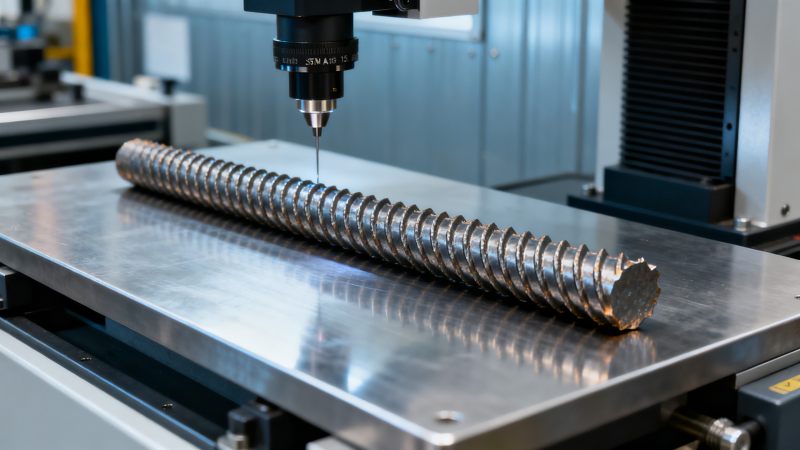
You’re not just buying rebar or C Beam Steel. You’re securing system-level performance. Hongteng Fengda bridges the gap between raw material specification and installed structural behavior — through synchronized engineering, certified manufacturing, and real-time documentation.
Our integrated approach delivers measurable outcomes: 92% reduction in anchorage-related RFIs on mid-rise commercial builds; 100% on-time delivery for structural packages exceeding 500 MT; and full compliance support for ASTM, EN, JIS, and GB across single orders — no split certifications or retesting delays.
Contact us to request: (1) rib geometry validation for your next rebar order, (2) cross-standard compatibility analysis for mixed-spec projects, (3) customized C Beam Steel configuration with pre-verified anchorage details, or (4) OEM packaging and labeling aligned with your site logistics requirements. Lead time: 15–20 days from confirmed specs; samples available within 5 working days.
Please give us a message


Please enter what you want to find