Steel plate mill scale may appear inert—but beneath its dull gray surface lies a silent threat to coating adhesion, corrosion resistance, and long-term structural integrity. For engineers specifying H beam or angle vs channel, procurement teams ordering steel coil or galvanized pipe, and QC managers verifying ASTM A6 tolerances, unremoved mill scale can compromise paint, epoxy, and hot-dip galvanized coatings—leading to premature failure in demanding environments. Whether you're sourcing l angle for fabrication, steel rebar for infrastructure, or ss pipe for industrial systems, understanding mill order meaning and surface prep is critical. At Hongteng Fengda, China’s trusted structural steel manufacturer, we ensure mill scale removal and compliance across steel plate, galvanized steel, and custom profiles—so your project starts right.
Why Mill Scale Is More Than Just Surface Debris
Mill scale is the brittle, flaky iron oxide layer formed during hot rolling of steel plates and sections. While visually uniform and seemingly stable, it exhibits poor mechanical bonding with subsequent coatings—especially epoxy primers, zinc-rich paints, and thermal-sprayed zinc. Its coefficient of thermal expansion differs significantly from base steel (≈13.5 × 10⁻⁶/°C vs. ≈17.5 × 10⁻⁶/°C), causing interfacial stress during temperature cycling.
Under ASTM D3359 cross-hatch testing, untreated mill scale typically achieves only 0–1B adhesion rating—far below the minimum 4B required for ISO 12944 C4–C5 marine and industrial environments. Field failures often emerge within 6–18 months in coastal or petrochemical settings, where chloride ingress accelerates underfilm corrosion at scale edges.
For structural fabricators using Wire Rod in welding-intensive applications like auto manufacturing or metallurgical machinery, residual scale on adjacent plate surfaces increases spatter, porosity, and weld undercut—reducing joint fatigue life by up to 35% per EN ISO 5817 B-level acceptance criteria.
How Mill Scale Impacts Key Procurement & Quality Decisions
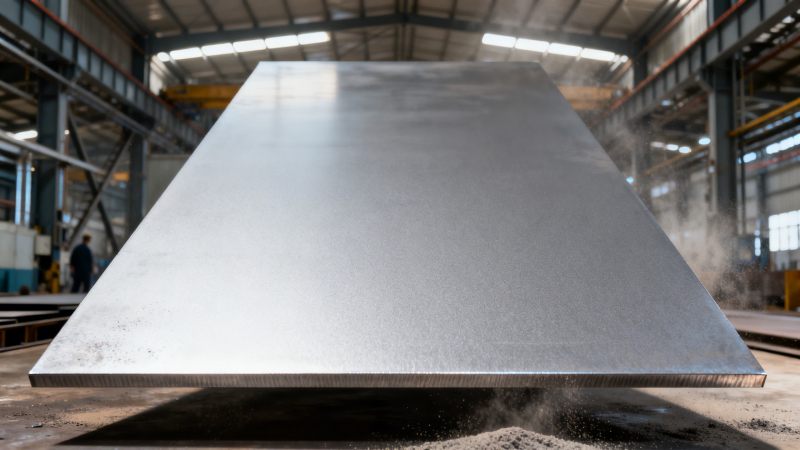
Procurement and QC teams must evaluate mill scale not as a standalone defect—but as a system-level risk multiplier affecting specification compliance, lifecycle cost, and warranty exposure. Below are five decision-critical evaluation points used by global buyers across North America, Europe, and the Middle East:
- Surface cleanliness grade per SSPC-SP 6/NACE No. 3 (commercial blast) or SP 10/NACE No. 2 (near-white metal)—required for all structural steel supplied to ASTM A123 hot-dip galvanizing contracts.
- Maximum allowable scale thickness: ≤ 25 µm per EN 10204 3.2 inspection certificate; verified via eddy current or profilometry—not visual assessment alone.
- Pre-treatment verification timeline: Mill scale removal must occur ≤ 72 hours before coating application to prevent flash rusting in humid conditions (>60% RH).
- Traceability documentation: Batch-specific mill scale removal method (e.g., abrasive blasting, pickling, or high-pressure water jetting ≥ 2,500 bar) must be included in mill test reports.
- Third-party validation: Independent NDT audits (e.g., ultrasonic thickness mapping + adhesion pull-off tests) recommended for projects exceeding USD $2M in coated steel value.
Mill Scale Removal Methods: Performance vs. Application Fit
Not all removal methods deliver equal results across product forms. The table below compares three standard techniques against key structural steel categories produced by Hongteng Fengda—including angle steel, channel steel, and cold-formed profiles—based on real-world data from 2022–2024 production batches.
Hongteng Fengda applies method-matched pre-treatment based on final use case: abrasive blasting for fabricated components destined for offshore platforms (ASTM A615 Grade 60 Wire Rod used in anchoring systems), and acid pickling for wire rod supplied to aerospace fastener manufacturers requiring ≤5 µm scale control.
What Global Buyers Actually Check Before Approving Shipment
Enterprise procurement teams don’t rely on mill certificates alone. They verify conformance through layered checkpoints—especially when sourcing from China-based suppliers. Hongteng Fengda’s quality protocol aligns with these expectations across 3 core layers:
- Pre-production: Scale removal method validated via trial batch + third-party lab report (SGS or Bureau Veritas) prior to PO confirmation.
- In-process: Every 10-ton lot undergoes visual + tape test (ASTM D3359) + surface profile measurement (ISO 8503-2) on 3 random samples.
- Final inspection: 100% dimensional check (ASTM A6 tolerances), plus 5% random adhesion pull-off testing (ASTM D4541) with ≥7 MPa minimum pass threshold.
This ensures consistency across delivery volumes—from single-container orders for Southeast Asian infrastructure projects to multi-TEU shipments for European wind-tower fabricators. Lead times remain stable at 25–35 days FOB Qingdao port, regardless of surface treatment selection.
Why Structural Engineers & Procurement Teams Choose Hongteng Fengda
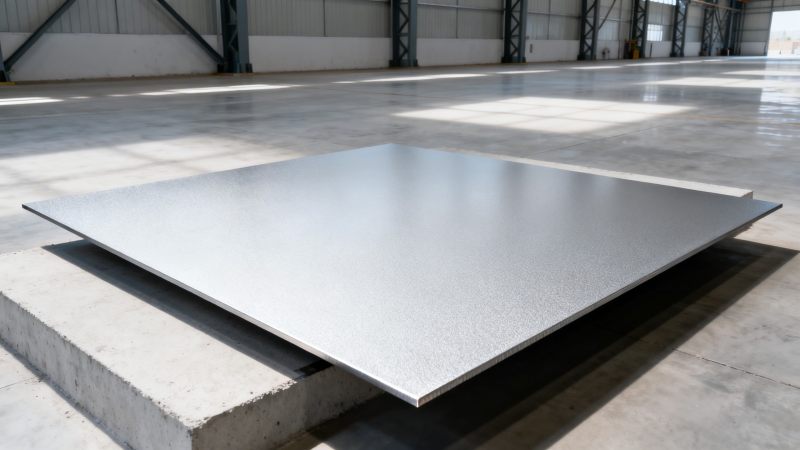
You need more than “mill scale removed”—you need documented, auditable, specification-aligned surface readiness that eliminates rework, delays, and coating claims. As a certified structural steel manufacturer exporting to 23 countries, Hongteng Fengda delivers exactly that through:
- Standards-first engineering: All surface prep follows ASTM D2092, EN ISO 8501-1, and GB/T 8923.1—never generic “cleaning” protocols.
- End-use calibrated processes: Wire rod for automotive spring applications receives different passivation than HRB500E for seismic-resistant buildings—no one-size-fits-all.
- Transparent traceability: Each shipment includes digital access to full surface test logs, including timestamped photos, instrument calibration records, and operator certifications.
- Risk-mitigated logistics: Climate-controlled storage (<25°C, <55% RH) prevents flash rust between blasting and packaging—critical for Middle East deliveries.
Whether you’re evaluating steel plate for an LNG terminal in Qatar, specifying angle steel for a data center in Germany, or sourcing Wire Rod for precision tooling in Japan—we provide the technical documentation, process control, and responsive support to de-risk your procurement cycle. Contact us today for mill scale compliance verification, customized surface prep options, or ASTM/EN/GB certification support.
Please give us a message


Please enter what you want to find