SPCC steel is widely used in thin-gauge manufacturing for products like appliances, panels, and can making machine components, but its forming performance and strength limits must be clearly understood before sourcing. Compared with Q235 steel, steel sheet supplier options, and Steel Coil Supplier solutions, SPCC steel offers excellent cold-forming efficiency for buyers, engineers, and project teams evaluating cost, finish quality, and application suitability.
What is SPCC steel and why is it widely specified?
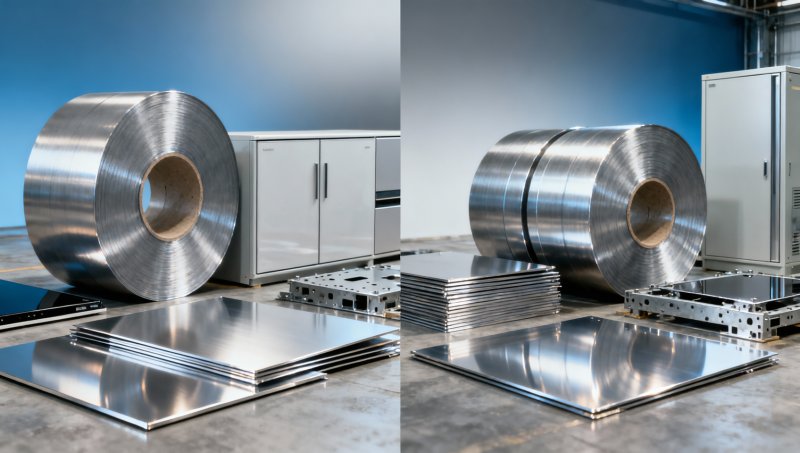
SPCC steel usually refers to commercial quality cold rolled carbon steel sheet and coil produced for general forming applications. In practical purchasing terms, it is selected when a project needs smooth surface quality, close thickness consistency, and stable performance in bending, stamping, drawing, or roll-forming. For many buyers, the main attraction is not high structural strength, but efficient processing in thin-gauge parts from about 0.3 mm to 3.2 mm, depending on the supplying mill and applicable standard.
In the steel industry, SPCC steel is common in appliance panels, office equipment shells, light enclosures, ceiling systems, partition components, cable trays, and selected machine covers. It is also relevant for distributors and project managers who need predictable downstream fabrication. Compared with hot rolled materials, cold rolled SPCC steel offers tighter dimensional tolerance and cleaner appearance, which can reduce secondary finishing steps in medium-volume and high-volume production runs.
However, many sourcing problems start when teams assume SPCC steel can replace structural grades in load-bearing work. That is a risky shortcut. SPCC steel performs well in forming and appearance-sensitive parts, but it is not a direct substitute for structural steel beams, channels, angle steel, or heavy-duty cold formed sections used in buildings and industrial frames. Understanding that boundary can prevent design changes, rework, and cost overruns during the first 2–4 weeks of procurement.
For global buyers, another key issue is supply coordination. A manufacturer and exporter with broad steel processing experience can help distinguish whether SPCC steel should remain a thin-sheet solution or whether the application should shift to another grade, coating system, or profile type. That is especially useful when a project includes both light-gauge sheet parts and structural members under ASTM, EN, JIS, or GB aligned requirements.
Core characteristics that matter in real purchasing
- Cold rolled finish supports painting, laminating, and visible-part applications where surface defects must be controlled before fabrication.
- Thin-gauge consistency helps stamping and bending lines maintain more stable output across small batch, medium batch, and large batch production.
- Mechanical performance is adequate for formed parts, but not intended for heavy structural loading, impact-critical use, or elevated temperature service.
- Corrosion protection usually depends on added coating or painting, because bare SPCC steel itself is not a corrosion-resistant solution.
Where does SPCC steel fit best, and where should buyers be careful?
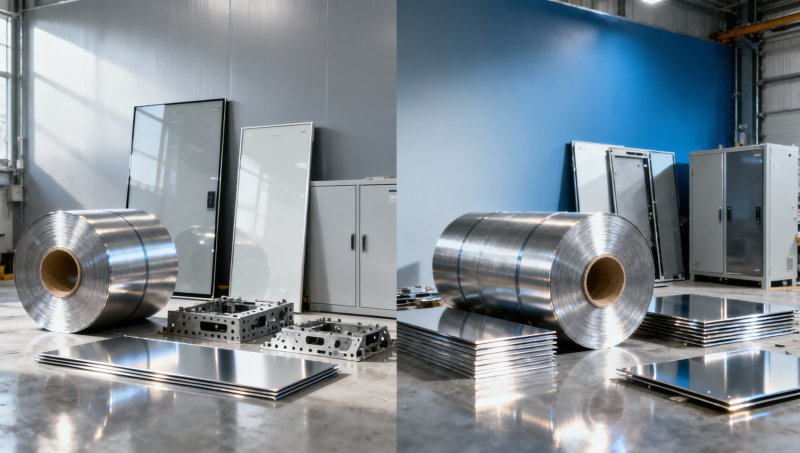
SPCC steel works best when the part must be formed accurately, look clean after finishing, and remain cost-effective in sheet or coil supply. Common examples include refrigerator panels, washing machine covers, electrical cabinet skins, suspended ceiling panels, partition accessories, small ducts, light brackets, and can-making machinery components. In these cases, a smooth surface and controlled thickness are often more valuable than very high yield strength.
Its limits appear quickly in harsh environments. If the component faces outdoor exposure, humid storage, chemical splash, marine conditions, or continuous heat cycles, bare SPCC steel becomes a weak choice unless a reliable protection system is added. That may include painting, powder coating, zinc coating, or using a different material altogether. Buyers focused only on low initial sheet cost often overlook these later costs in maintenance, repainting, and failure risk.
Another limit is mechanical loading. SPCC steel can serve in housings and covers, but it is not intended for major load-bearing frames, crane supports, primary mezzanine members, or long-span installations. If the design requires higher section stiffness, thicker webs, or certified structural capacity, angle steel, channel steel, steel beams, or customized cold formed structural profiles are usually more suitable. For a mixed project, material selection should be separated into at least 2 categories: formed sheet components and structural support members.
This distinction matters to technical evaluators, safety managers, and finance approvers alike. Choosing an underspecified material can create hidden costs in 3 stages: sampling, production correction, and field replacement. A reliable Chinese structural steel exporter such as Hongteng Fengda can support buyers by matching sheet-based applications with the correct forming grade while also supplying structural sections for the rest of the project, reducing fragmented sourcing and compatibility issues.
Typical application judgment by scenario
The table below helps project teams decide whether SPCC steel is a strong fit, a conditional fit, or a poor fit based on forming demand, environment, and load expectation.
A simple rule helps many buyers: if the job is mainly forming, surface, and light-duty enclosure work, SPCC steel is often appropriate; if the job is mainly structural loading, weather resistance, or sustained high temperature, another grade should be reviewed before ordering.
SPCC steel vs Q235 steel and other practical alternatives
A frequent sourcing question is whether SPCC steel can replace Q235 steel. The short answer is: only in selected cases. Q235 is commonly discussed as a structural carbon steel concept in the Chinese market, especially for profiles, plates, and sections where strength and fabrication balance matter. SPCC steel, by contrast, is centered on cold rolled sheet applications. The difference is not only chemistry or strength level, but also intended use, forming route, and finish expectation.
For procurement teams, the most useful comparison is functional. SPCC steel is preferred when precision sheet forming and paint-ready surface are priorities. Q235 steel is more common when the project needs weldable structural members, brackets, frames, and heavier plate-based fabrication. If corrosion or temperature stability becomes critical, stainless steel may be the better route despite a higher upfront price. This is where application-driven selection saves money over the full service cycle rather than only at the first quotation stage.
In some industrial systems, buyers evaluating SPCC steel for machinery covers, auxiliary tubing supports, or mixed-material assemblies may also need heat-resistant or corrosion-resistant pipe components. In those cases, an insertive product option such as 321 Stainless Steel Pipe can be relevant for sections exposed to boilers, heat exchangers, aerospace piping, petroleum and chemical lines, or high-temperature processing areas. Its titanium-stabilized design is widely recognized for addressing intergranular corrosion concerns and for offering strong oxidation resistance and machinability.
That does not mean stainless pipe replaces SPCC steel. They serve different purposes. SPCC steel remains economical for formed thin-gauge panels, while stainless solutions are considered when service temperature, media exposure, or corrosion risk exceed the safe range for ordinary cold rolled carbon steel. A practical sourcing plan may therefore combine 2–3 material families in one project: SPCC steel for formed covers, structural profiles for support frames, and stainless pipe for heat or corrosion-sensitive lines.
Comparison table for faster decision-making
For technical evaluators and commercial teams, the following table highlights how SPCC steel differs from common alternatives in a purchasing context.
The decision point is straightforward: compare the real service condition first, then the forming requirement, then the budget. Reversing that order often produces the wrong material shortlist.
Useful stainless reference when heat is a factor
Where a project includes high-temperature piping, the product above is commonly available in cold drawn, hot drawn, cold rolled, and hot rolled forms, with thickness from 0.3 mm to 30 mm, outer diameter from 8 mm to 219 mm, and standard length of 5.8 m or 6 m, or custom supply. That range helps engineers coordinate mixed-material systems without forcing SPCC steel into unsuitable service conditions.
What should buyers check before ordering SPCC steel?
A good SPCC steel order starts with 5 clear checks: thickness range, surface requirement, forming method, coating or finishing plan, and end-use environment. If any of these remain vague, quotations may appear similar while the supplied material performs very differently in production. For example, a stamping line and a simple bending line do not always need the same forming quality, even at the same thickness of 0.8 mm or 1.2 mm.
Quality control teams should also review dimensional tolerance, flatness, edge condition, packaging protection, and rust prevention during transit. In export supply, these details matter because delivery to North America, Europe, the Middle East, or Southeast Asia may involve several handling points over 2–6 weeks. Without proper packing and moisture control, even a suitable grade can arrive with surface issues that affect painting or visible-part acceptance.
Commercial teams usually focus on unit price, but total purchasing value depends on more than the base sheet cost. Buyers should ask whether the supplier can support slit coil, cut-to-length sheets, OEM dimensions, standard traceability, and documentation aligned with ASTM, EN, JIS, or GB needs. This becomes especially important when one vendor is expected to support multiple steel categories in a project rather than only one item line.
Hongteng Fengda’s advantage in this context is not limited to one product format. As a structural steel manufacturer and exporter from China, the company supports global projects with angle steel, channel steel, steel beams, cold formed profiles, and customized steel components. That broader capability helps project managers consolidate sourcing, compare alternatives faster, and reduce the risk of selecting SPCC steel for an application better served by another steel solution.
A practical 4-step procurement checklist
- Define the process route: bending, stamping, deep drawing, roll-forming, or simple panel cutting. This determines whether standard commercial quality is sufficient.
- Confirm service condition: indoor dry use, humid use, occasional chemical contact, or heat exposure. This decides if coating or alternative material is necessary.
- Check documentation and standards: request mill-related quality documents, thickness confirmation, and standard alignment before payment approval.
- Review delivery method: coil, sheet, cut size, pallet protection, and lead time, typically 7–15 days for stock-related items or longer for custom processing.
Procurement evaluation table
The next table can be used internally by purchasing, engineering, and finance teams to compare offers beyond basic price.
Using a table like this often prevents false savings. A cheaper SPCC steel offer may become more expensive if it increases scrap, coating defects, or late replacement.
Common misconceptions, compliance points, and final sourcing advice
One common misconception is that all cold rolled steel is basically interchangeable. It is not. Surface level, forming quality, corrosion exposure, and downstream process all influence whether SPCC steel is a suitable choice. Another misconception is that a thinner and cheaper sheet always lowers project cost. In reality, inadequate stiffness can increase vibration, denting, rejects, or reinforcement needs, especially when panel span or assembly load changes.
Compliance should also be reviewed carefully. Buyers may require standard references, inspection documents, or project-specific traceability. While not every SPCC steel order needs the same documentation depth, projects serving regulated industries, export distribution, or OEM programs often require clearer material identification and inspection checkpoints. A practical approach is to define 3 levels of control: standard commercial supply, documented industrial supply, and project-specific customized supply.
For distributors and agents, the safest strategy is to stock SPCC steel for fast-moving light-gauge applications while maintaining access to structural sections and specialty materials for customer conversion opportunities. That way, when an inquiry shifts from appliance sheet to support frames or heat-resistant tubing, the supplier relationship does not need to restart from zero. This improves response speed, which is often decisive in B2B quotation cycles of 24–72 hours.
For project owners and enterprise decision-makers, the key lesson is simple: use SPCC steel where forming efficiency and surface quality create value, but do not force it into structural, corrosive, or high-temperature roles it was not designed to handle. Material clarity at the quotation stage is far cheaper than correction after purchase order release.
FAQ
Is SPCC steel suitable for outdoor use?
It can be used outdoors only with proper protection and only when the load requirement is appropriate. In humid, rainy, or coastal conditions, coating quality becomes critical. For long-term outdoor service, buyers should compare SPCC steel with galvanized sheet or other corrosion-resistant options before final approval.
Can SPCC steel replace Q235 steel in fabrication?
Only in some non-structural or light-duty formed applications. If the part is mainly a cover, skin, or enclosure, SPCC steel may be better. If the part is a frame, bracket, welded support, or structural member, Q235 steel or another structural grade is usually more appropriate.
What is a normal lead time for SPCC steel orders?
For common specifications, lead time may fall in the 7–15 day range, while custom cut sizes, special packaging, or combined export orders can take longer. Shipping time then depends on destination and logistics mode. Buyers should confirm both production time and transit time separately.
What should quality teams inspect first?
Start with thickness, surface condition, flatness, edge quality, and rust prevention. These 5 checks affect most downstream issues in stamping, painting, and assembly. If the application is visible or coated, surface inspection should be treated as a primary acceptance item rather than a secondary one.
Why work with a supplier that understands both sheet applications and structural steel projects?
Many buyers do not purchase SPCC steel in isolation. They purchase for a project that may also include angle steel, channel steel, steel beams, cold formed steel profiles, or custom fabricated components. Working with a supplier that understands this full material map can shorten selection time, reduce communication loops, and help non-technical stakeholders approve the right option faster.
Hongteng Fengda supports global construction, industrial, and manufacturing customers with standard specifications and OEM solutions. With modern manufacturing facilities and strict quality control, the company aligns supply with major international standards such as ASTM, EN, JIS, and GB. That matters when buyers need one partner to support specification review, product matching, stable production capacity, and dependable delivery windows.
If you are comparing SPCC steel with Q235 steel, reviewing steel sheet supplier options, or assessing whether a Steel Coil Supplier can support mixed-demand projects, a focused discussion can save both time and budget. You can ask for thickness and application confirmation, structural substitution advice, coating recommendations, export packing details, sample support, or a combined quotation covering sheet, coil, structural profiles, and custom steel parts.
Contact us to discuss 4 practical topics before ordering: the right material for your end use, suitable dimensions and processing route, realistic lead time for your market, and documentation or standard requirements for your project. This approach helps buyers, engineers, project managers, distributors, and approval teams move from uncertainty to a workable sourcing decision with lower risk.
Please give us a message


Please enter what you want to find