Q235B channel steel is a widely used Steel Construction Material for frames, supports, and light industrial structures, valued for cost efficiency and easy fabrication. But where does this U Channel Steel perform best, and where does it fall short compared with Corrosion Resistant Steel, galvanized C-beam, or ASTM C-beam options? This guide helps buyers, engineers, and project teams evaluate Q235B channel with clearer technical and sourcing insight.
What makes Q235B channel steel a common choice in structural steel projects?
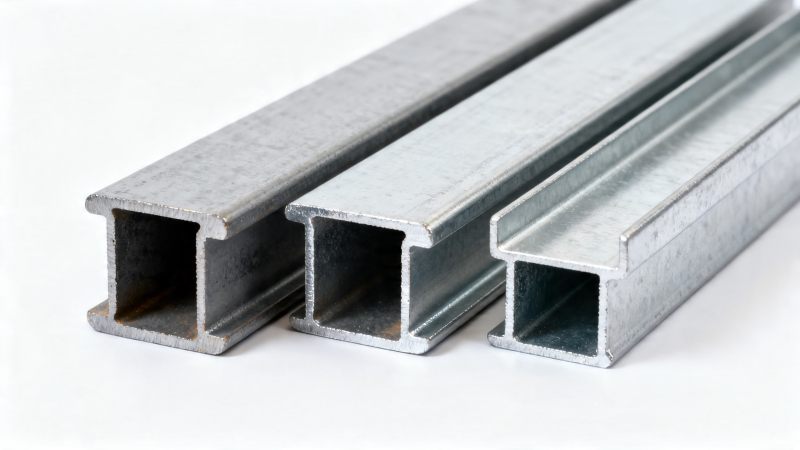
Q235B channel steel is widely selected because it balances mechanical practicality, market availability, and fabrication convenience. In many steel structure projects, it serves as a standard U channel steel option for secondary framing, equipment bases, walkways, racks, and support members where the load demand is moderate rather than extreme. For procurement teams, that usually means a simpler sourcing process, fewer customization barriers, and better budget control on routine jobs.
In steel distribution and export trade, buyers often compare Q235B channel steel against ASTM C-beam grades, galvanized channel sections, and higher-strength structural profiles. The key attraction is that Q235B is commonly used in applications that do not require premium alloy chemistry or advanced corrosion resistance. That makes it suitable for cost-sensitive projects with lead time pressure, especially when standard lengths, conventional machining, and welding are part of the production plan.
From a technical evaluation perspective, Q235B generally fits projects that need dependable performance under normal fabrication conditions. It is often processed through cutting, punching, welding, and assembly without unusually complex procedures. In practical project management, this can reduce shop-floor delays across 3 key stages: material preparation, structural fabrication, and final installation. For many users, that workflow advantage matters as much as the initial material price.
For global buyers, one more reason matters: compatibility with common supply chains. A professional structural steel manufacturer and exporter such as Hongteng Fengda can support standard specifications and OEM requests, while aligning production with ASTM, EN, JIS, and GB-related requirements where project documentation calls for them. This helps reduce sourcing risk when orders involve mixed structural items such as angle steel, channel steel, beams, and cold formed profiles in one shipment.
Core reasons buyers continue to use Q235B channel steel
- It is usually easier to source in standard dimensions and common production batches, which supports faster project planning.
- It performs well in general fabrication processes such as cutting, drilling, and welding for light to medium structural use.
- It is often more budget-friendly than hot dip galvanized or higher-grade corrosion resistant steel sections when the service environment is controlled.
- It works well for indoor structures, temporary supports, machinery frames, and non-aggressive environments where lifecycle corrosion demand is moderate.
Basic technical view before specifying it
Q235B channel steel should not be treated as a universal answer for every structural steel application. It is best understood as an economical carbon steel solution for normal service conditions. If a project faces constant moisture, salt exposure, chemical atmosphere, or strict long-term maintenance limits, then the apparent savings at the purchase stage may shrink over a 2–5 year operating period due to recoating, replacement, or downtime risk.
That is why experienced procurement and engineering teams do not evaluate channel steel by unit price alone. They check at least 5 practical points: load requirement, exposure environment, fabrication route, coating need, and compliance target. This approach is especially important for distributors, EPC contractors, and industrial buyers who need repeatable quality across multiple shipments rather than one-off local purchases.
Where does Q235B channel steel fit best in real applications?
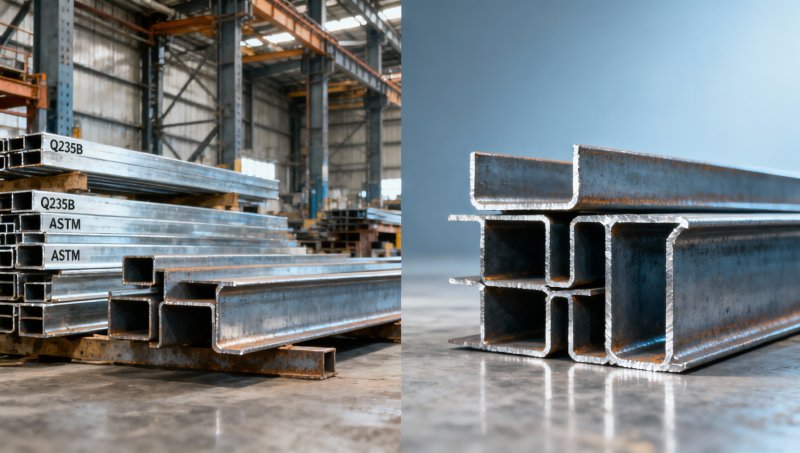
Q235B channel steel fits best in applications where structural efficiency and processing convenience matter more than premium environmental resistance. Typical uses include light industrial platforms, warehouse framing, bracket systems, machinery supports, cable tray supports, maintenance walkways, and building accessory structures. In these settings, engineers often value consistent section shape and manageable fabrication cost more than maximum strength class.
For project teams working on commercial and industrial buildings, this U channel steel is often appropriate for indoor or semi-protected areas with routine inspection intervals, such as every 6–12 months. If the structure is sheltered and corrosion exposure remains low, Q235B can deliver practical service performance with conventional primers or painted protection systems. This is one reason it remains common in factory expansions and utility support frameworks.
It also suits projects where fabrication flexibility matters. Secondary members often require slotting, punching, trimming, and welding during shop production. A material that supports these operations efficiently can reduce installation complications on site. For contractors, fewer fabrication obstacles can improve the sequence across 4 site priorities: schedule control, labor use, safety coordination, and rework prevention.
However, application fit should always be linked to service environment. A coastal platform, fertilizer plant support, or permanently wet outdoor frame creates a different risk profile from an indoor mechanical support. In those cases, plain Q235B channel steel may need an upgraded protection plan or a different product route altogether, such as galvanized channel or another corrosion-focused alternative.
Application scenarios that usually match well
The table below helps buyers and engineers quickly judge where Q235B channel steel is usually a good fit, where additional treatment is needed, and where another material may be more practical.
The practical takeaway is straightforward: Q235B channel steel works best when the environment is manageable and the project values economical fabrication. Once corrosion, regulatory durability, or low-maintenance service life becomes central, the selection logic changes and the material should be reviewed more carefully.
A related anti-corrosion option for broader sourcing plans
Some buyers sourcing channel steel also need complementary anti-corrosion steel products for towers, infrastructure, hardware, or processing parts. In those mixed procurement cases, it can be efficient to review items such as Galvanized Round Steel, which is available for applications including electric power tower components, railway and highway protection parts, street light poles, substation facilities, marine components, and a wide range of industrial hardware.
This product uses iron as the base material and includes hot dip galvanized anti-corrosion treatment, with tensile strength in the 570–820 MPa range, diameter options from 16–250 mm or customized, and customized length. For buyers managing both structural frames and corrosion-sensitive accessories, combining Q235B channel steel with anti-corrosion round steel in one supply program can simplify vendor coordination, inspection planning, and shipment scheduling.
Where does Q235B channel steel fall short compared with galvanized or ASTM channel options?
The main limitation of Q235B channel steel is not that it is weak in every sense, but that its value proposition depends strongly on environment and specification expectations. If your project requires long-term corrosion protection, strict equivalence to a specific ASTM C-beam order sheet, or reduced maintenance in harsh exposure, plain Q235B may not be the ideal final choice. In such cases, the lower upfront cost can be outweighed by treatment, inspection, or replacement needs over time.
Galvanized channel steel usually offers a more suitable route for outdoor or corrosive conditions. The zinc coating creates a practical barrier against rust and can extend service intervals in many normal outdoor environments. For project owners and financial approvers, that means lifecycle cost sometimes matters more than the purchase price per ton. A material that costs more at the start may reduce maintenance events over a 3–10 year usage window, depending on the environment and coating system.
ASTM channel options may become necessary when the project documentation, engineering drawings, or destination market requires a specific grade and dimensional standard. This is common in export projects, multinational industrial construction, and public infrastructure procurement. Even when the mechanical intent appears similar, grade substitution should not be assumed without technical review. Quality control teams and project engineers should confirm dimensional tolerances, chemistry expectations, and applicable standard references before approval.
Another shortcoming appears in higher-demand structural scenarios. When the design load is heavy, the unsupported span is longer, or impact and fatigue considerations are more serious, engineers may prefer other beam or channel solutions. Q235B channel steel remains useful, but it should not be forced into applications better served by heavier sections, higher-grade materials, or specialized profiles.
Side-by-side decision view
The following comparison table is useful for buyers deciding between plain Q235B channel steel, galvanized channel, and ASTM-specified channel steel in sourcing and technical review.
This comparison shows why many sourcing decisions are not simply about cheaper versus more expensive steel. They are really about matching the section to service conditions, compliance documents, and maintenance expectations. In many cases, the correct answer is not one material for everything, but a mixed material strategy based on exposure and function.
Common situations where plain Q235B may be the wrong call
- Coastal, marine, or salt-laden environments where corrosion speed is higher than in sheltered inland service.
- Projects with strict owner requirements for ASTM grade traceability, inspection documents, or destination-market approval.
- Installations expected to operate with minimal maintenance access for several years after commissioning.
- Structural positions exposed to more severe loading, repeated vibration, or heavier section demand than light support members.
How should buyers evaluate Q235B channel steel before placing an order?
A good purchasing decision starts with application clarity, not with the price sheet. Buyers should first separate the order into 3 categories: structural function, service environment, and compliance requirement. This makes it easier to decide whether Q235B channel steel is sufficient as supplied, whether it needs coating or post-processing, or whether a different specification should be quoted. Without that sorting step, many projects lose time during approval or receive materials that require unplanned rework.
Technical evaluation personnel should review dimensions, section tolerance, length requirements, fabrication method, and joining process early in the RFQ stage. If the project involves punching, welding, or on-site modification, those operations should be communicated before production. For export orders, documentation needs may include mill test data, packing marks, and standard references. Clarifying these items 7–15 days before production scheduling can help avoid shipping delays.
Procurement and commercial teams should also review total supply scope. Many projects need more than one steel section type. Combining channel steel with angles, beams, cold formed profiles, and custom structural components can simplify logistics and reduce coordination costs. Hongteng Fengda supports this kind of integrated sourcing model, which is especially useful for EPC buyers, distributors, and project managers handling multi-item structural packages across North America, Europe, the Middle East, and Southeast Asia.
Quality and safety personnel should pay attention to incoming inspection planning. A practical approach is to define 6 check items before shipment: section size, straightness, length tolerance, surface condition, identification marking, and required documentation. This helps align factory output with site acceptance expectations and reduces disputes after arrival.
A practical procurement checklist
- Confirm whether the channel steel is for indoor use, outdoor use, or corrosive service. This single point changes material selection significantly.
- Check the required standard system, such as GB, ASTM, EN, or JIS-related project expectations, before approving substitution.
- Review whether plain black steel, painted steel, or galvanized steel is the correct final delivery condition.
- Clarify fabrication details such as cutting list, hole positions, weld areas, and whether OEM customization is required.
- Ask about lead time, packing method, inspection documents, and batch consistency if the order will be repeated monthly or quarterly.
Selection guide by purchasing priority
The table below helps different stakeholders make faster decisions according to the priority that matters most in real B2B steel procurement.
For many organizations, this type of structured selection reduces internal conflict between engineering, purchasing, finance, and operations. Each team can evaluate the same material through a common decision framework instead of treating steel as a simple commodity purchase.
What standards, risks, and common misunderstandings should project teams keep in mind?
One common misunderstanding is assuming that channel steels from different standard systems are directly interchangeable. In reality, project requirements may refer to section dimensions, grade properties, test documents, or tolerance expectations that differ across GB, ASTM, EN, and JIS frameworks. Even when a substitution looks close in basic use, engineering confirmation is still necessary before commercial approval or fabrication release.
Another risk is underestimating corrosion exposure. Buyers sometimes select plain Q235B channel steel because the structure is “outdoor but simple.” Yet outdoor conditions vary widely. A dry inland warehouse extension and a coastal utility support are not equivalent service cases. If the environment includes rain retention, chemical splash, or high humidity over long periods, protective strategy becomes a key design and procurement issue rather than an optional upgrade.
A third issue is incomplete RFQ information. When buyers do not specify surface treatment, destination standard, inspection expectations, or packing needs, quotation comparisons become misleading. The low quote may exclude operations that another supplier already included. A well-prepared inquiry should define at least 4 items clearly: grade, size range, delivery condition, and documentation requirement. This creates a fairer comparison and reduces post-order amendments.
Project teams should also remember that lifecycle value is broader than steel price. Maintenance planning, re-coating access, installation schedule, and batch consistency all influence the real cost. This is why experienced structural steel exporters focus not only on supplying material, but also on helping customers align specifications, lead times, and quality control checkpoints before production begins.
FAQ for engineers, buyers, and project managers
Is Q235B channel steel suitable for outdoor use?
It can be used outdoors in some non-aggressive environments, but plain Q235B channel steel generally needs a suitable protective coating system. For projects expecting lower maintenance over 2–5 years or more, galvanized channel steel is often a more practical option, especially where moisture exposure is frequent.
Can Q235B channel steel replace ASTM C-beam in export projects?
Not automatically. Replacement depends on the project specification, engineering acceptance, and standard equivalence review. If the owner, consultant, or market regulation requires ASTM documentation, buyers should verify substitution before purchase. Never assume interchangeability based only on general appearance or common usage.
What should be checked before placing a repeat order?
For repeat monthly or quarterly purchases, confirm batch consistency, dimensional tolerance, surface condition, packing method, and document format. Repeat buyers also benefit from fixing the cutting list, marking rules, and shipment arrangement in advance so that each order does not restart technical clarification from zero.
How long is the usual delivery planning cycle?
The exact timeline depends on size, quantity, finishing, and customization, but many structural steel orders are planned around 7–15 days for routine preparation steps and longer for customized processing or mixed-container export coordination. The safest approach is to confirm production capacity and shipping window when the RFQ is still under review.
Why work with a structural steel manufacturer that supports both standard and custom supply?
For many global buyers, the real challenge is not finding a channel steel supplier, but finding one that can support technical review, quality consistency, and coordinated delivery across multiple structural products. Hongteng Fengda operates as a professional structural steel manufacturer and exporter from China, supplying angle steel, channel steel, steel beams, cold formed steel profiles, and customized structural steel components for construction, industrial, and manufacturing projects.
This matters when your project involves mixed standards, OEM requirements, or several destination markets at the same time. Instead of sourcing each item separately, buyers can work with one team to review specification compatibility, confirm processing details, and align production planning. That can reduce communication loss across 4 common pressure points: technical clarification, quality inspection, packing coordination, and shipping schedule control.
With modern manufacturing facilities and strict quality control, Hongteng Fengda supports products aligned with major international standards including ASTM, EN, JIS, and GB, according to project requirements. For procurement teams, distributors, and engineering buyers, this creates a more predictable path from inquiry to shipment. It is especially useful when dependable lead time and sourcing risk control are part of the purchasing target, not just the price comparison.
If you are comparing Q235B channel steel with galvanized channel, ASTM channel, or other structural steel alternatives, the most efficient next step is to request a specification-based review. You can discuss section size, application environment, coating needs, required standards, OEM processing, sample support, delivery schedule, and quotation structure. That makes the decision faster, more technical, and more aligned with actual project risk.
What you can consult before ordering
- Whether Q235B channel steel is appropriate for your load level and service environment.
- Whether galvanized channel or another corrosion resistant steel option will lower lifecycle cost.
- How to align channel steel supply with ASTM, EN, JIS, or GB-related project requirements.
- What lead time is realistic for standard sizes, OEM processing, or multi-item mixed orders.
- What inspection documents, sample arrangements, and packing details should be confirmed before shipment.
If your team needs a clearer material decision rather than a generic quote, contact us with your drawings, size list, quantity, destination market, and expected delivery window. We can help you review product selection, compare supply options, confirm compliance requirements, and prepare a more reliable quotation for your structural steel project.
Please give us a message


Please enter what you want to find